Did you know that over 300 million people visit U.S. national parks each year, yet many of these travelers flock to the same few destinations? While iconic spots like Yellowstone and Yosemite are undeniably stunning, there’s a world of underrated parks waiting to be explored. These lesser-known locations offer equally breathtaking landscapes without the crowds.
From towering canyons to serene forests, these hidden gems provide a chance to connect with nature in a more intimate way. Collaborating with the National Parks Foundation and the National Park Travelers Club, we’ve curated a list of destinations that promise unique experiences like sandboarding on dunes or snorkeling around shipwrecks.
These parks are not just about adventure; they also play a crucial role in conservation. By visiting these less crowded areas, you’re supporting efforts to protect these natural wonders for future generations. Ready to explore? Let’s dive into these must-see locations.
Key Takeaways
- Explore underrated parks for a more intimate experience.
- Discover diverse landscapes, from canyons to forests.
- Enjoy unique activities like sandboarding and snorkeling.
- Support conservation efforts by visiting lesser-known areas.
- Plan your trip with practical tips for an unforgettable adventure.
Why Explore Lesser-Known National Parks?
Step off the beaten path and into the heart of America’s hidden gems. While iconic destinations draw millions, these underrated parks offer a chance to experience nature’s quiet side. With fewer visitors, you’ll find untouched beauty and a deeper connection to the outdoors.
Escape the Crowds and Discover Untouched Beauty
Popular parks like Yellowstone and Yosemite see millions of visitors each year. In contrast, hidden gems like Isle Royale or Petrified Forest offer solitude. Here, you can hike trails without bumping into crowds or enjoy serene views without the distraction of selfie sticks.
Mike Brown, a seasoned traveler, once said,
“Grand Teton is often overshadowed by Yellowstone, but its trails and wildlife are just as breathtaking—and far less crowded.”
This sentiment rings true for many lesser-known parks.
Unique Experiences Beyond the Tourist Hotspots
These parks aren’t just about escaping crowds; they’re about discovering something new. At Petrified Forest, you can walk among 225-million-year-old fossils. In Isle Royale, pristine conditions make it a haven for rare wildlife sightings.
Here’s what makes these places special:
- Wildlife encounters without the crowds.
- Authentic wilderness, free from commercialization.
- Affordable accommodations and permits.
By visiting these parks, you’re not just exploring—you’re supporting conservation efforts. Distributing tourism impact helps preserve these natural wonders for years to come.
Black Canyon of the Gunnison National Park
Nestled in Colorado, the Black Canyon of the Gunnison National Park is a breathtaking marvel often overlooked. While the Grand Canyon steals the spotlight, this hidden gem offers its own dramatic allure. Sandy Snell-Dolbert once said,
“Photos don’t prepare you for this one.”
And she’s right—the sheer scale and beauty of this canyon are best experienced in person.
Colorado’s Hidden Answer to the Grand Canyon
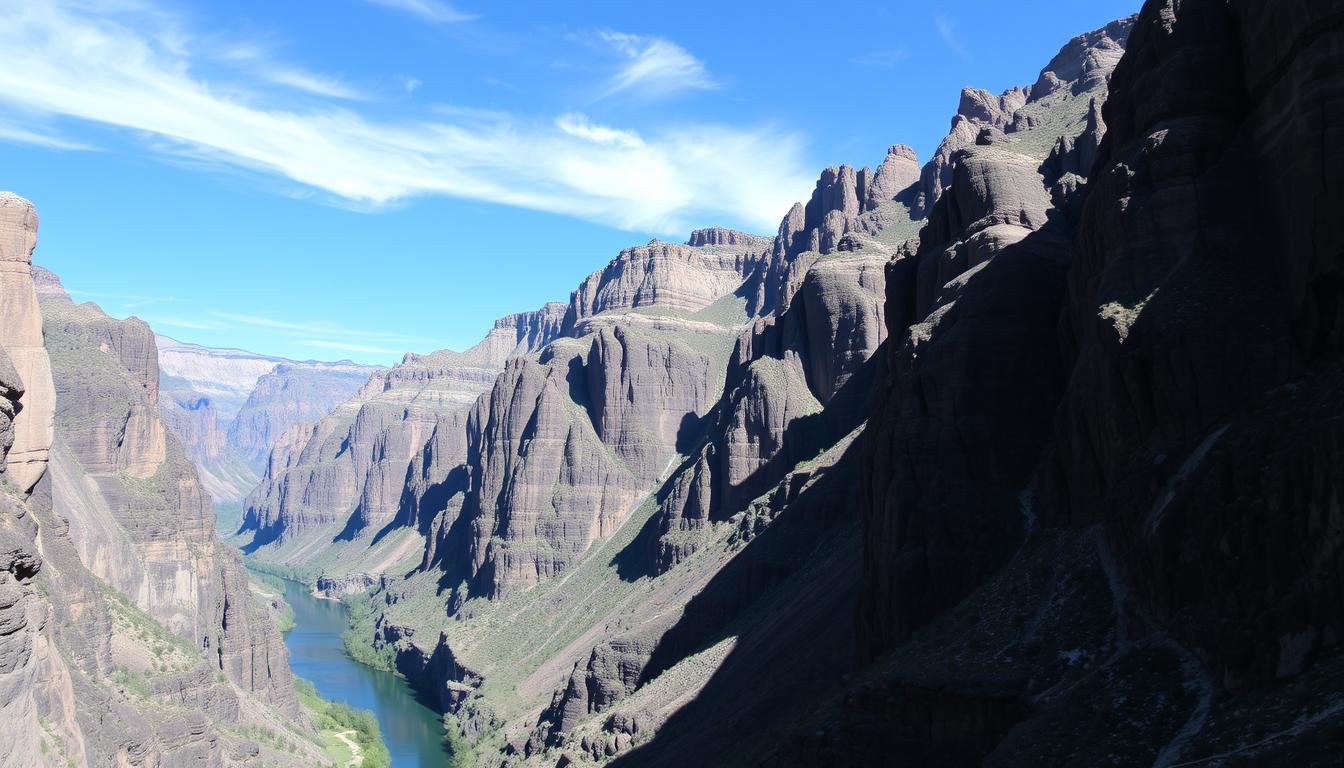
At just 48 miles long, the Black Canyon is smaller than the Grand Canyon’s 277 miles. But what it lacks in size, it makes up for in intensity. The Painted Wall, a towering cliff face, rises over 2,250 feet—nearly twice the height of the Empire State Building. Its dark appearance comes from volcanic rock, giving the canyon its distinctive name.
Here’s what sets this park apart:
- Technical climbing routes like the North Chasm View Wall challenge even seasoned climbers.
- The Gunnison River’s Class V rapids offer thrilling whitewater adventures.
- Photography spots like Dragon Point and Pulpit Rock capture the canyon’s grandeur.
Thrilling Rock Climbing and Class V Rapids
For adventure seekers, the Black Canyon of the Gunnison National Park is a playground. Climbers flock to routes like the North Chasm View Wall, known for its steep pitches and technical demands. Meanwhile, the Gunnison River’s advanced whitewater sections attract rafting enthusiasts from across the country.
Beyond the adrenaline, the park offers serene experiences. Camp along the South Rim Road and enjoy star-gazing under some of the darkest skies in Colorado. The proximity to Curecanti National Recreation Area adds even more to explore.
Whether you’re scaling cliffs, navigating rapids, or simply soaking in the views, this park promises an unforgettable adventure. It’s a reminder that some of nature’s most stunning wonders are found off the beaten path.
Badlands National Park
South Dakota’s Badlands National Park is a geological wonder waiting to be explored. This park is a testament to nature’s artistry, with its layered rock formations and fossil-rich terrain. It’s a place where centuries of history are etched into the landscape, offering a glimpse into the past.
South Dakota’s Surreal Rock Formations and Wildlife
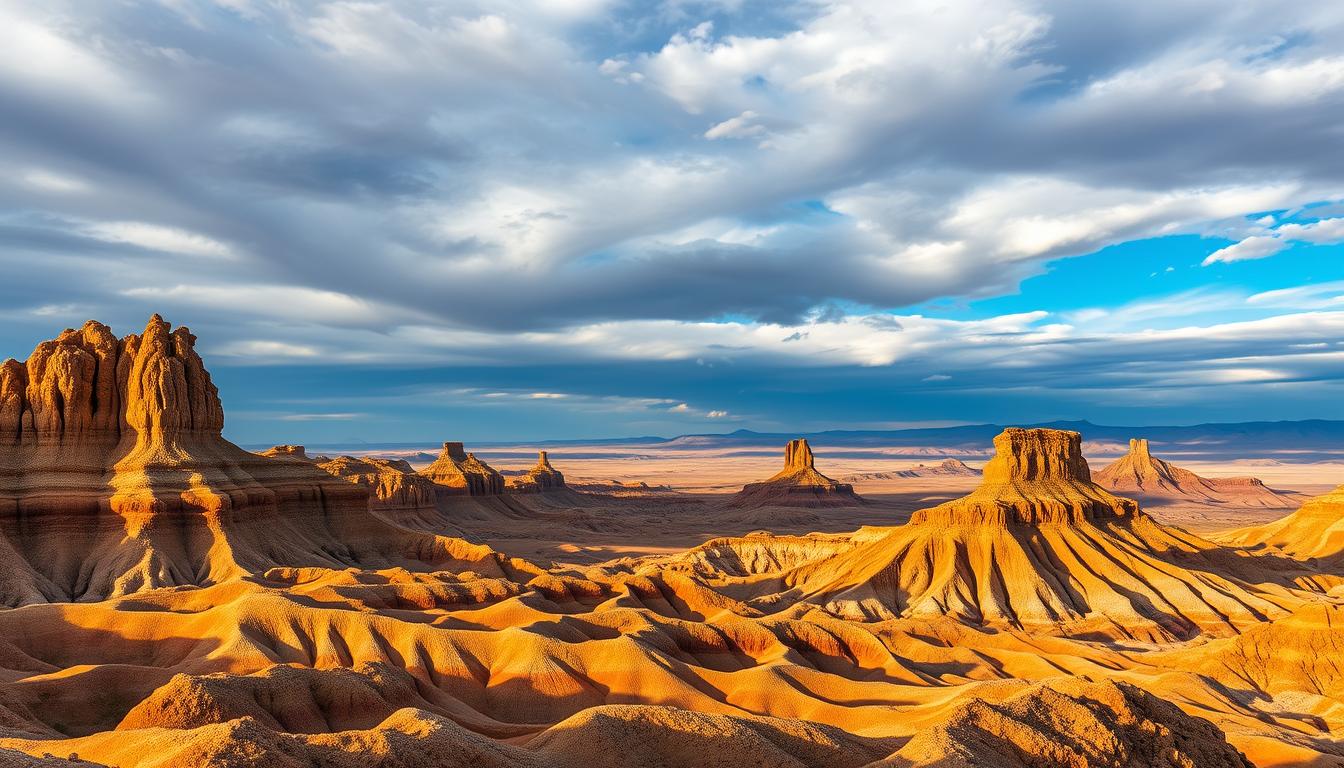
The park’s dramatic cliffs and spires were shaped over millions of years by wind and water. Fossil beds here contain ancient mammal remains, telling the story of a time when this area was a lush, tropical habitat. Today, it’s home to diverse wildlife, including bison, bighorn sheep, and prairie dogs.
For hikers, the Notch Trail offers a thrilling adventure with its ladder climb and panoramic views. The Ben Reifel Visitor Center provides fascinating exhibits on the park’s geology and history, making it a must-visit stop on your trip.
Why It’s a Road-Tripper’s Dream
The scenic Loop Road winds through the park, offering breathtaking viewpoints like Big Badlands Overlook and Yellow Mounds Overlook. It’s a perfect route for those who love to explore by car. The park’s proximity to iconic sites like Mount Rushmore and Crazy Horse Memorial makes it an ideal addition to a South Dakota road trip.
Seasonal highlights include vibrant wildflower blooms in spring and stargazing programs that showcase the park’s dark skies. Combining a visit here with adventures in the nearby Black Hills ensures an unforgettable experience.
Congaree National Park
Congaree National Park offers a rare glimpse into one of America’s most diverse forest ecosystems. This park is a sanctuary for ancient trees, winding waterways, and unique wildlife. It’s a place where nature’s beauty remains untouched, inviting visitors to explore its wonders.
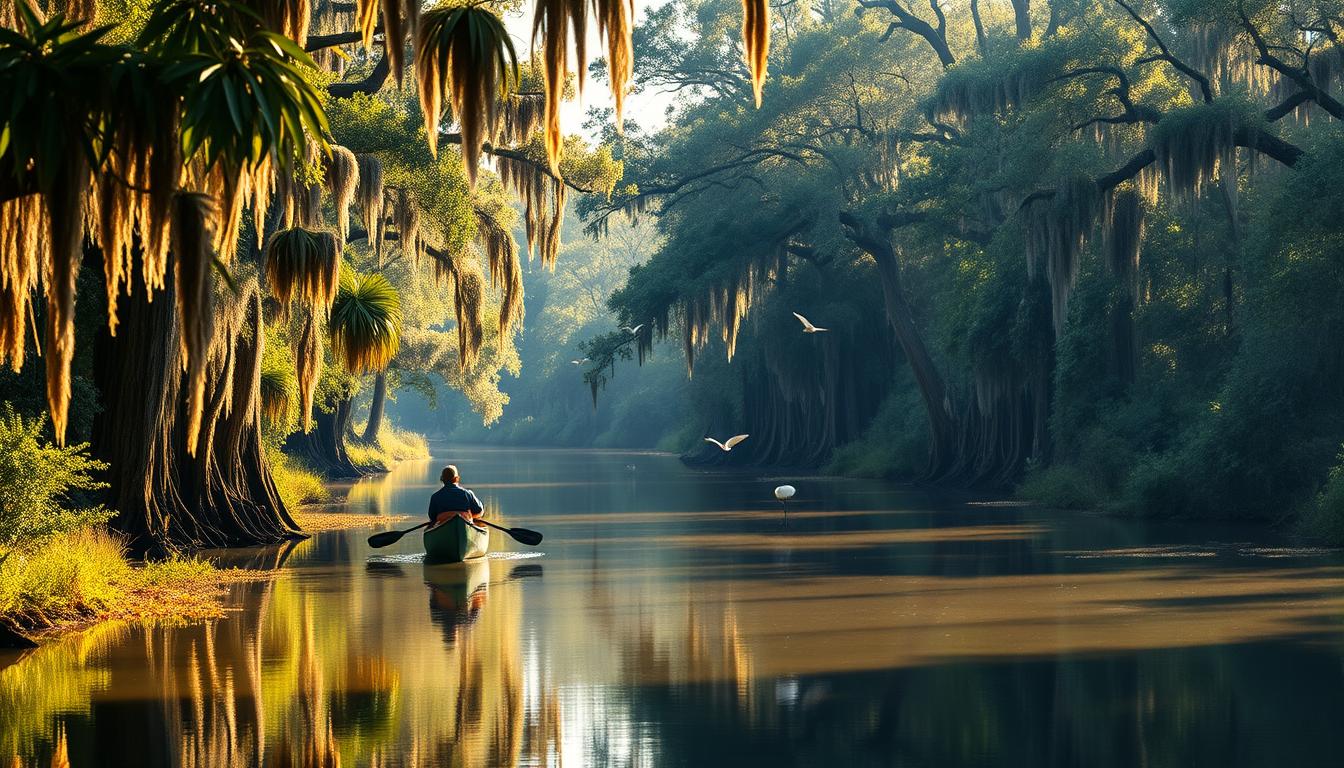
Paddle through America’s most diverse forest
The park’s old-growth floodplain ecosystem is a marvel to behold. Towering loblolly pines and sweetgum trees, some of the tallest in the country, dominate the landscape. These champion trees have stood for hundreds of years, creating a canopy that shelters a thriving ecosystem below.
One of the best ways to experience this diversity is by paddling along the Cedar Creek Canoe Trail. This 15-mile waterway winds through the heart of the park, offering serene views and opportunities to spot wildlife like otters and herons. Whether you’re a seasoned paddler or a beginner, this trail is a must-try.
Canoe trails and ancient wetlands
For hikers, the Weston Lake Loop Trail provides a scenic 4.6-mile journey through the forest. Along the way, you’ll encounter cypress knees, lush ferns, and the tranquil waters of Weston Lake. It’s a perfect way to immerse yourself in the park’s natural beauty.
Seasonal highlights include the synchronous firefly events, where thousands of fireflies light up the forest in a mesmerizing display. These events are a testament to the park’s unique biodiversity.
Visitors should be prepared for mosquito season, especially in warmer months. Packing insect repellent and wearing long sleeves can make your trip more enjoyable.
For those looking to stay overnight, wilderness camping permits are available. This allows you to fully experience the park’s tranquil atmosphere under the stars.
Harry Hampton, a key figure in the park’s conservation, played a vital role in protecting this natural treasure. His efforts ensure that future generations can enjoy this pristine environment.
Congaree National Park’s flood dynamics shape its landscape, creating a unique ecosystem that rivals even the Everglades. It’s a destination that offers both adventure and serenity, making it a must-visit for nature enthusiasts.
Grand Teton National Park
Tucked away in Wyoming, Grand Teton National Park offers a quieter alternative to its famous neighbor, Yellowstone. While Yellowstone attracts millions, this park remains a serene escape with its jagged peaks and pristine valleys. With over 200 miles of trails, it’s a haven for hikers, photographers, and nature lovers.
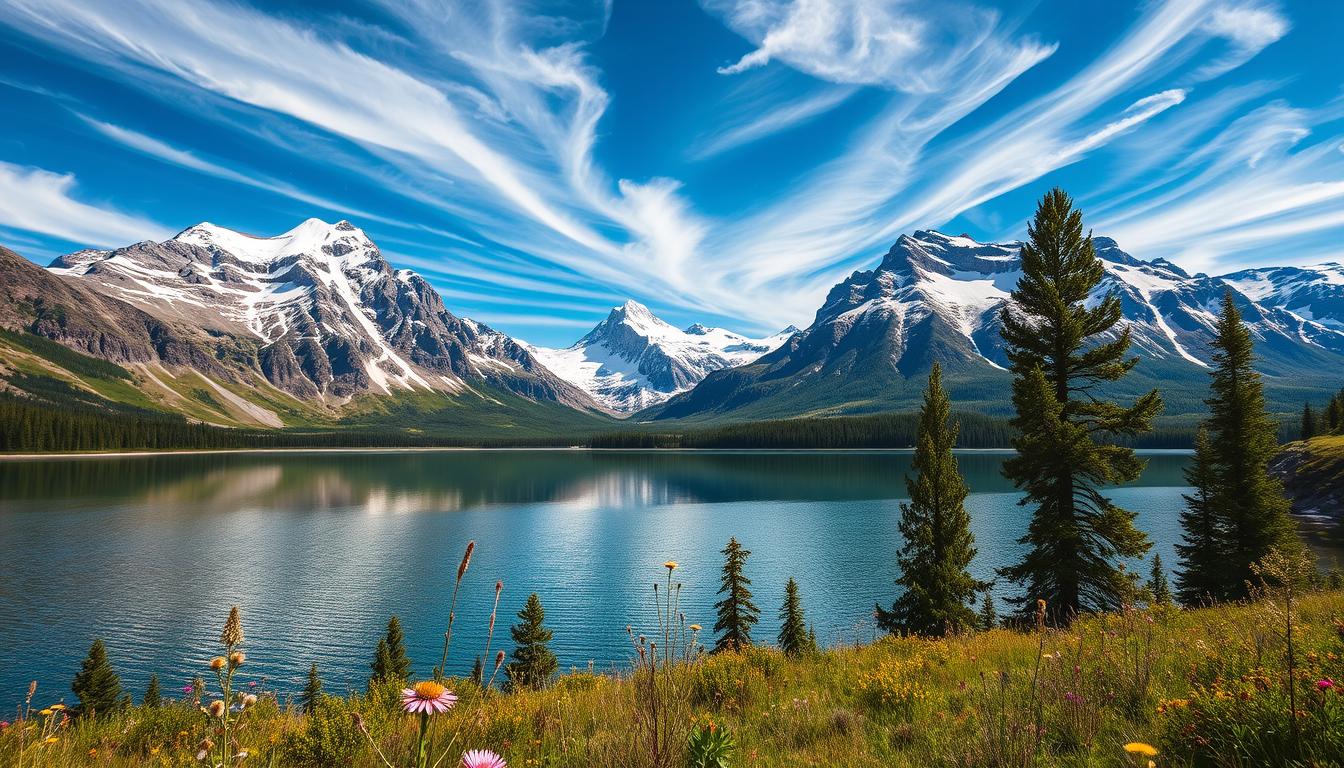
Yellowstone’s underrated sibling with epic trails
The Teton Crest Trail is a highlight for multi-day hikers. This 40-mile route winds through alpine meadows, glacial lakes, and towering peaks. For a shorter adventure, the Jenny Lake shuttle service provides easy access to scenic trails and viewpoints. The park’s geological history is fascinating—its fault-block mountains were formed by tectonic activity millions of years ago.
Spotting elk and bald eagles in solitude
Wildlife enthusiasts will find plenty to admire. Oxbow Bend is a prime spot for photographing elk, moose, and bald eagles. The park’s diverse habitats support a range of species, making every visit unique. Historic sites like Mormon Row, with its iconic barns, add a cultural dimension to your trip.
For those seeking adventure, river floating on the Snake River offers a relaxing way to take in the scenery. Backcountry permits are available for overnight trips, allowing you to explore remote areas. Lodging options range from rustic cabins to luxury resorts, catering to all preferences.
| Feature | Grand Teton National Park | Yellowstone National Park |
|---|---|---|
| Annual Visitors | ~3.5 million | ~4.5 million |
| Trail Miles | 200+ | 900+ |
| Wildlife Spotting | Elk, moose, bald eagles | Bison, wolves, grizzlies |
| Fall Foliage Peak | Mid-September | Late September |
Fall is a magical time to visit, with golden aspens contrasting against the rugged mountains. Compared to other parks, the foliage peaks earlier, offering a unique experience. Whether you’re hiking, photographing, or simply soaking in the views, Grand Teton National Park promises an unforgettable adventure.
Biscayne National Park
Biscayne National Park is a hidden treasure where the ocean meets the shore. This park is a unique blend of history, nature, and adventure. With 95% of its area underwater, it’s a paradise for snorkelers, divers, and marine enthusiasts.

Snorkel past pirate shipwrecks in Florida
The Maritime Heritage Trail is a highlight of this place. It maps six shipwreck sites, each with its own story. From 19th-century schooners to 20th-century freighters, these wrecks are now home to vibrant marine life. Snorkelers can explore these underwater museums, spotting colorful fish and coral formations.
One of the most famous wrecks is the Mandarin, a wooden steamship that sank in 1868. Its remains are scattered across the ocean floor, offering a glimpse into Florida’s maritime history. The trail’s coordinates make it easy to navigate, even for beginners.
Protecting coral reefs and marine life
Biscayne National Park is also a sanctuary for threatened species. Sea turtles, manatees, and lobsters thrive in its waters. Coral restoration projects are underway to protect these delicate ecosystems. Visitors can learn about these efforts at the Convoy Point Visitor Center.
The park’s mangrove forests are another key feature. These trees provide a nursery for young fish and protect the shoreline from erosion. Paddle routes like Jones Lagoon offer a peaceful way to explore this unique habitat.
Hurricanes have impacted the park’s ecosystems, but conservation efforts are helping them recover. Compared to Dry Tortugas, Biscayne is more accessible, making it a great choice for families and first-time visitors.
Whether you’re snorkeling past shipwrecks or paddling through mangroves, Biscayne National Park offers an unforgettable experience. It’s a reminder of the beauty and fragility of our natural world.
Glacier National Park
Glacier National Park is a breathtaking destination where nature’s grandeur is on full display. Known for its rugged mountains, pristine lakes, and diverse wildlife, this park offers an unforgettable experience. However, its iconic glaciers are disappearing at an alarming rate, making it urgent to visit soon.
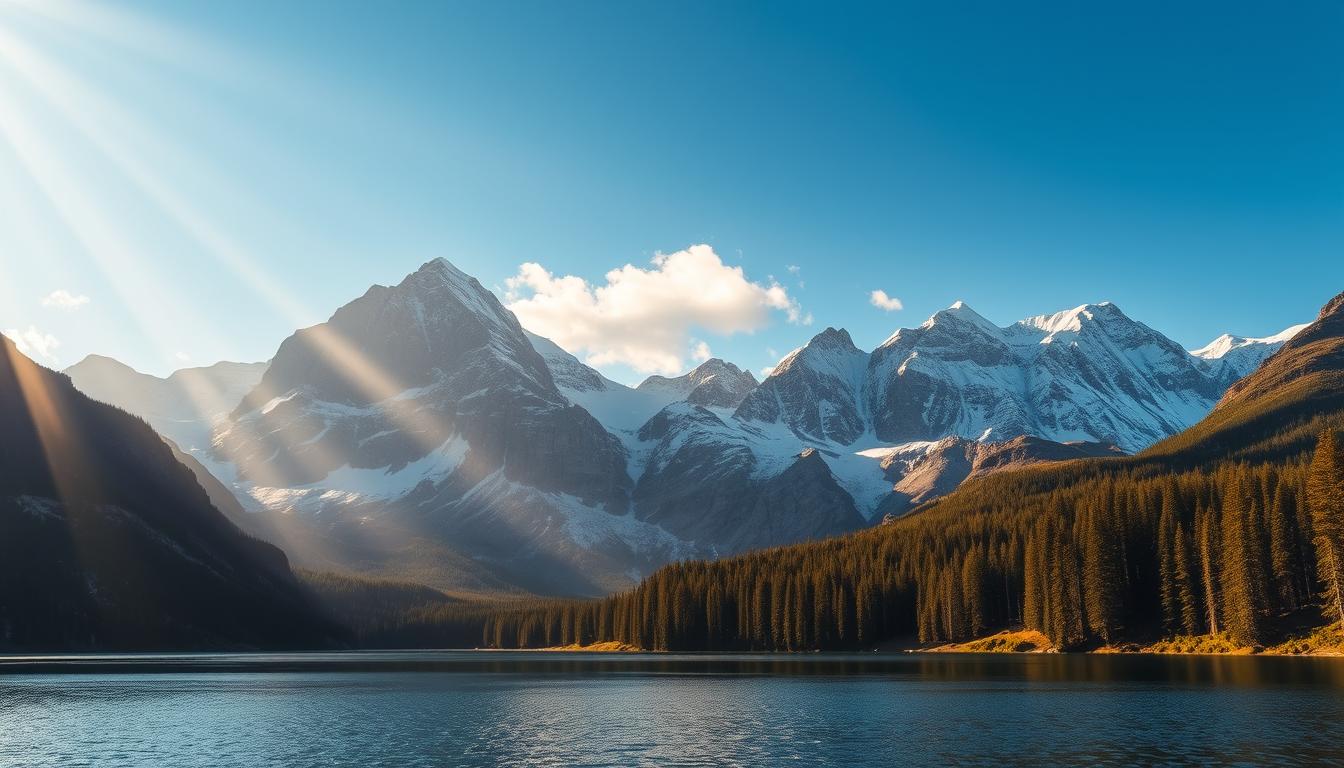
“Climate change is reshaping Glacier National Park faster than we can imagine. What we see today may not be here in a few years.”
This stark reality underscores the importance of experiencing this natural wonder now.
Montana’s disappearing glaciers—see them now
In 1850, the park had over 150 glaciers. Today, only 25 remain. These shrinking ice masses are a stark reminder of climate change’s impact. Visitors can still witness these glaciers, but time is running out. The Grinnell Glacier and Jackson Glacier are among the most accessible, offering stunning views and photo opportunities.
The Going-to-the-Sun Road is a marvel of engineering. This 50-mile road winds through the heart of the park, offering panoramic views of valleys, peaks, and glaciers. It’s a must-drive route for any visitor.
740 miles of alpine hiking trails
For hikers, the Highline Trail is a highlight. This 11.8-mile trail offers breathtaking views of the Continental Divide. Safety is key—carry bear spray, stay on marked paths, and hike in groups to avoid grizzly bear encounters.
Historic lodges like Many Glacier Hotel and Lake McDonald Lodge add charm to your stay. These lodges, built in the early 1900s, offer a glimpse into the park’s rich history.
The Waterton-Glacier International Peace Park, a UNESCO World Heritage Site, spans the U.S.-Canada border. It’s a symbol of cross-border conservation and cooperation.
| Feature | Glacier National Park | Canadian Rockies Parks |
|---|---|---|
| Glaciers | 25 remaining | Over 400 |
| Hiking Trails | 740 miles | 1,000+ miles |
| Wildlife | Grizzlies, wolves, elk | Moose, caribou, lynx |
Fire ecology plays a significant role in shaping the landscape. Recent burns have created new habitats, supporting diverse plant and animal life. The park’s shuttle system makes it easy to explore without the hassle of parking.
Endangered plant species like the whitebark pine are a focus of conservation efforts. These trees are vital to the ecosystem, providing food for wildlife and stabilizing soil.
Whether you’re hiking, driving, or simply soaking in the views, Glacier National Park promises an adventure like no other. It’s a place where nature’s beauty and fragility are on full display.
Great Sand Dunes National Park
Towering over the Colorado landscape, the Great Sand Dunes National Park is a surreal blend of desert and forest. Here, North America’s tallest dunes rise against the backdrop of the Sangre de Cristo Mountains, creating a landscape unlike any other. Whether you’re hiking the dunes or exploring hidden forests, this park offers endless adventure.
North America’s tallest dunes and hidden forests
The park’s star attraction is the 750-foot Star Dune, the tallest in North America. Climbing these dunes is a challenge, but the panoramic views from the top are worth it. Beyond the dunes, you’ll find lush forests and alpine lakes in the Sangre de Cristo range. These hidden gems provide a cool escape from the desert heat.
Medano Creek, a seasonal stream, adds to the park’s charm. Its unique surge flow creates waves that are perfect for splashing or sandcastle building. For those seeking solitude, backcountry camping permits allow you to spend the night under the stars.
Sandboarding under the stars
For thrill-seekers, sandboarding down the dunes is a must-try activity. Sandboard rentals are available nearby, making it easy to gear up for an adventure. The park’s dark sky certification ensures incredible stargazing opportunities, especially during meteor showers.
Zapata Falls, a short detour from the park, offers a refreshing break with its cascading waters. The interdune wetland ecosystems are another highlight, supporting diverse plant and animal life. Seasonal temperature extremes mean summer days can be scorching, while winter nights are frigid.
| Feature | Great Sand Dunes National Park | Death Valley Dune Fields |
|---|---|---|
| Tallest Dune | 750 feet (Star Dune) | 682 feet (Eureka Dunes) |
| Unique Activity | Sandboarding | Hiking |
| Ecosystem | Interdune wetlands | Desert salt flats |
| Dark Sky Certification | Yes | No |
Fossilized trackways in the park reveal ancient animal footprints, adding a historical dimension to your visit. Whether you’re exploring the dunes, paddling in Medano Creek, or hiking to alpine lakes, the Great Sand Dunes National Park promises an unforgettable experience.
Isle Royale National Park
Isle Royale National Park, a remote island in Michigan, offers a unique escape into untouched wilderness. This park is a haven for those seeking solitude and a deep connection with nature. With fewer than 20,000 visitors annually, it’s one of the least crowded places in the National Park System.
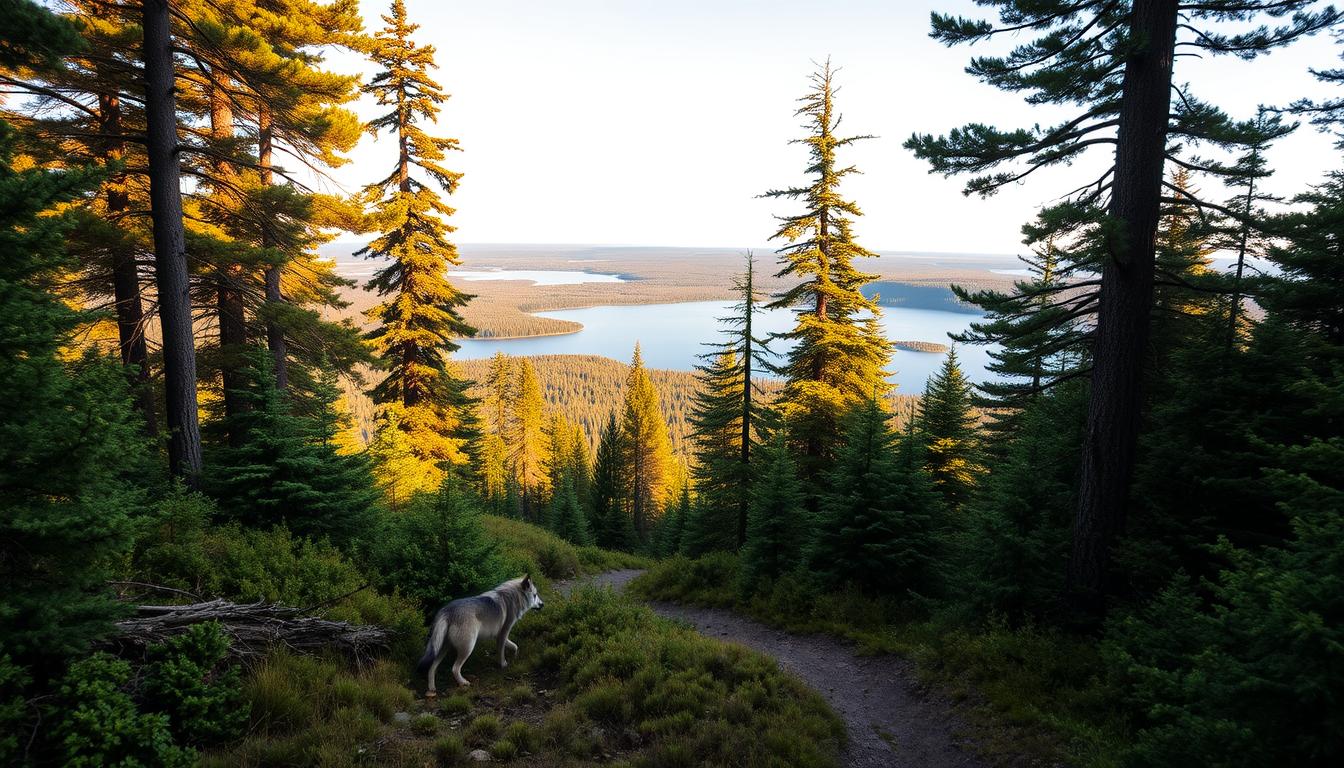
Michigan’s remote island wilderness
Access to the island is limited to ferry or seaplane, adding to its exclusivity. Ferries depart from Houghton or Copper Harbor, while seaplanes offer a quicker, scenic route. Once there, visitors can choose between two main entry points: Rock Harbor and Windigo. Each offers unique experiences, from historic lodges to rustic campgrounds.
The Greenstone Ridge Trail is a must for hikers. This 40-mile trail traverses the island’s spine, offering stunning views of forests, lakes, and wildlife. For those preferring shorter hikes, the Rock Harbor Trail provides a more leisurely option.
Why fewer than 20,000 visitors go yearly
Isle Royale’s isolation is a key reason for its low visitor numbers. The lack of roads means all travel is on foot or by boat. This no-road policy preserves the island’s pristine environment but requires visitors to be well-prepared. Backcountry gear, including sturdy boots and weather-appropriate clothing, is essential.
The island is also famous for its wolf-moose predator-prey study, one of the longest-running wildlife research projects. This ongoing study provides valuable insights into ecosystem dynamics. Visitors might spot moose grazing in meadows or hear wolves howling in the distance.
| Feature | Rock Harbor | Windigo |
|---|---|---|
| Access | Ferry from Houghton | Ferry from Grand Portage |
| Accommodation | Lodge and cabins | Campgrounds |
| Activities | Snorkeling, hiking | Hiking, wildlife viewing |
Shipwreck snorkeling is another highlight. The island’s waters are home to several historic wrecks, offering a glimpse into maritime history. Copper mining remnants also dot the landscape, adding a historical dimension to your trip.
Compared to the Boundary Waters, Isle Royale offers a more secluded experience. Its unique blend of wilderness, wildlife, and history makes it a must-visit for adventurous travelers. Whether you’re hiking, snorkeling, or simply soaking in the solitude, this park promises an unforgettable adventure.
Petrified Forest National Park
Arizona’s Petrified Forest National Park is a window into Earth’s ancient past. This park is a geological wonder, where vibrant fossils and stunning landscapes tell a story millions of years old. From the colorful badlands of the Painted Desert to the ancient petrified logs, this place is a treasure trove for nature lovers and history enthusiasts alike.
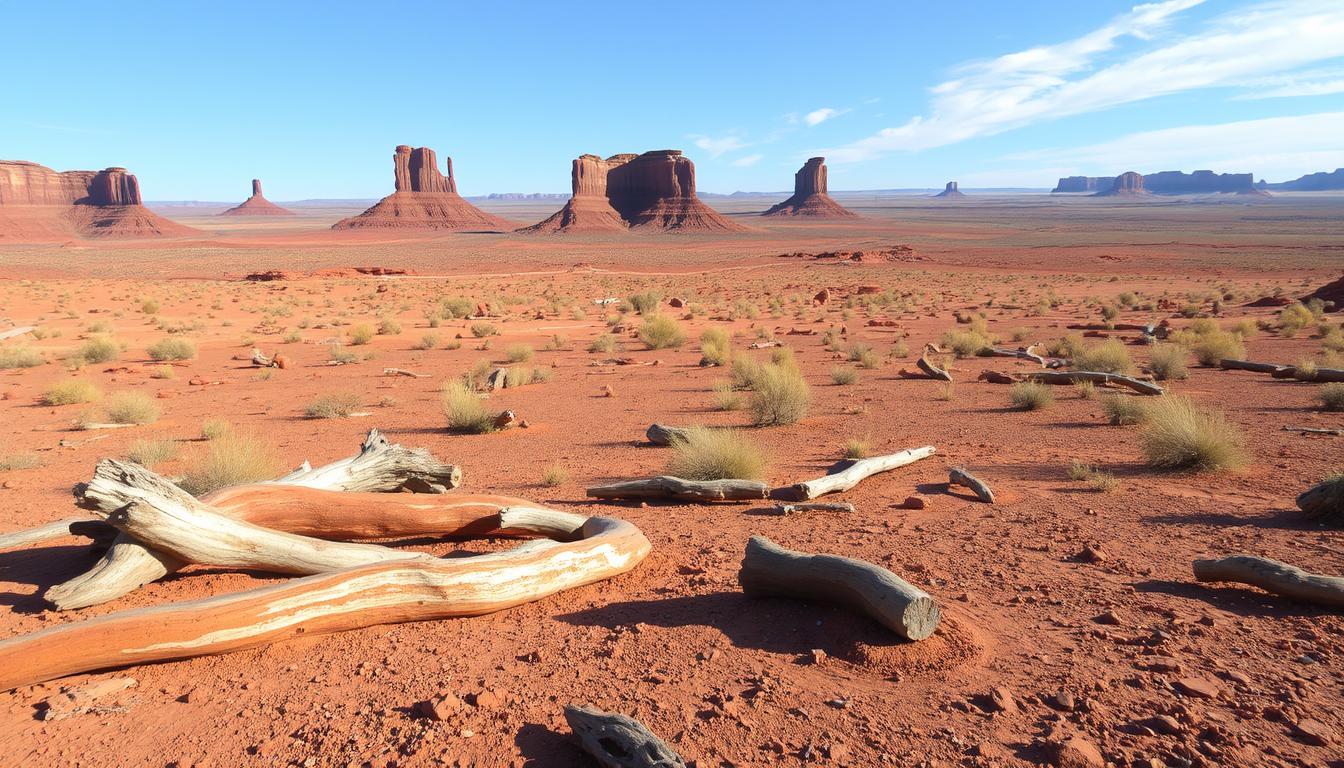
Discover Arizona’s 225-million-year-old crystal trees
The park’s petrified wood is a result of silica replacement fossilization. Over millions of years, minerals replaced the organic material, turning ancient trees into rainbow-colored quartz. These crystal-like logs are scattered across the landscape, offering a glimpse into a prehistoric world.
Visitors can explore trails like the Blue Mesa Trail, where petrified logs and badlands create a surreal experience. The Painted Desert, with its layered rock formations, adds to the park’s dramatic beauty. For those interested in history, Newspaper Rock features over 650 petroglyphs, showcasing the artistry of ancient cultures.
Hiking among rainbow-colored fossils
The park offers several trails that highlight its unique features. The Giant Logs Trail is perfect for a short walk, while the Long Logs Trail takes you through a dense concentration of petrified wood. For a more challenging hike, the Jasper Forest Trail offers panoramic views of the desert landscape.
Paleontology field programs allow visitors to learn about the park’s fossil-rich history. These programs provide hands-on experiences, making them ideal for families and students. Night photography is another highlight, with the park’s dark skies offering stunning views of the Milky Way.
| Feature | Petrified Forest National Park | Other Fossil Sites |
|---|---|---|
| Fossil Types | Petrified wood, dinosaur fossils | Marine fossils, plant fossils |
| Unique Activity | Hiking among petrified logs | Fossil digging, museum tours |
| Accessibility | Easy to moderate trails | Varies by site |
To protect these natural wonders, the park has strict theft prevention measures. Removing petrified wood or other artifacts is prohibited, ensuring these treasures remain for future generations. Whether you’re hiking, learning about paleontology, or simply soaking in the views, Petrified Forest National Park promises an unforgettable adventure.
Mammoth Cave National Park
Deep beneath Kentucky’s rolling hills lies a hidden world of wonder. Mammoth Cave National Park is home to the world’s longest cave system, stretching over 400 miles. This cave national park is a labyrinth of underground passages, towering chambers, and unique ecosystems. It’s a place where history, geology, and adventure collide.
Kentucky’s 400-mile underground labyrinth
The cave’s vast network includes the historic Flint Ridge connection, a groundbreaking discovery that linked two major cave systems. Visitors can explore this underground marvel through guided tours like the Historic Tour and the Frozen Niagara Tour. Each tour offers a unique perspective on the cave’s geology and history.
Aboveground, the park features karst topography, characterized by sinkholes, springs, and disappearing streams. This landscape adds to the park’s unique charm and provides opportunities for surface hiking. Trails like the Green River Bluffs Trail offer stunning views of the surrounding forest and river.
Home to endangered cave species
The cave is a sanctuary for endangered species like the Kentucky cave shrimp and the Indiana bat. Biospeleology research conducted here helps scientists understand these fragile ecosystems. The park’s UNESCO World Heritage status highlights its global significance.
Historic sites like the tuberculosis huts tell the story of early 20th-century treatments. These huts were used to house patients seeking the cave’s cool, stable air. Today, they serve as a reminder of the park’s multifaceted history.
The cave cricket, a key species in the cave’s food web, plays a vital role in maintaining the ecosystem. Visitors might spot these fascinating creatures during their tours.
| Feature | Mammoth Cave National Park | Wind Cave National Park |
|---|---|---|
| Cave Length | 400+ miles | 150+ miles |
| Unique Species | Kentucky cave shrimp | Boxwork formations |
| Tour Types | Historic, Frozen Niagara | Garden of Eden, Fairgrounds |
Nearby, the Kentucky Bourbon Trail offers a chance to explore the region’s famous distilleries. Combining a visit to the park with a bourbon tour creates a well-rounded Kentucky adventure.
Whether you’re exploring the cave’s depths or hiking its scenic trails, Mammoth Cave National Park promises an unforgettable experience. It’s a testament to the beauty and mystery of the natural world.
Planning Your Visit to These Hidden Gems
Planning a trip to hidden gems requires thoughtful preparation. These places offer unparalleled beauty but often come with unique challenges. From choosing the right season to packing essential gear, a little planning goes a long way in ensuring a memorable adventure.
Best Seasons to Avoid Crowds
Timing is everything when visiting these parks. Crowds are smaller during shoulder seasons, typically spring and fall. For example, visiting in late September means cooler weather and vibrant foliage without the summer rush. Winter can also be a great time for solitude, though some areas may be inaccessible due to snow.
Here’s a quick guide to the best months for popular parks:
| Park | Best Months |
|---|---|
| Black Canyon of the Gunnison | May, September |
| Congaree | March, November |
| Isle Royale | June, August |
Essential Gear for Off-the-Beaten-Path Adventures
Exploring these parks often means venturing into remote areas. Packing the right gear ensures safety and comfort. A reliable water filtration system is a must, especially in areas without clean water sources. Satellite messengers or GPS devices are essential for backcountry communication, as cell service is often unavailable.
Other essentials include:
- Sturdy hiking boots for rugged terrain.
- Layered clothing to adapt to changing weather.
- Bear spray or wildlife deterrents for safety.
- Leave No Trace supplies to minimize environmental impact.
Checking road conditions and weather forecasts before your trip can save you from unexpected delays. Always share your itinerary with someone and carry emergency contact information.
How These Parks Compare to Famous Alternatives
Exploring lesser-known destinations can reveal breathtaking landscapes without the crowds. While iconic parks like Yellowstone and Yosemite are undeniably stunning, many national parks offer equally remarkable experiences with fewer visitors. These hidden gems provide a chance to connect with nature in a more intimate way, making them a special place heart for adventurous travelers.
More Scenery, Fewer Selfie Sticks
One of the biggest advantages of visiting underrated parks is the absence of crowds. Popular destinations often come with long lines, congested trails, and limited photo opportunities. In contrast, parks like Black Canyon of the Gunnison or Congaree offer serene views and uncrowded trails. This allows you to fully immerse yourself in the beauty of nature without distractions.
For example, while the Grand Canyon sees millions of visitors annually, the Black Canyon of the Gunnison provides equally dramatic landscapes with a fraction of the foot traffic. Similarly, Congaree’s ancient forests and waterways offer a tranquil escape compared to the bustling trails of the Smoky Mountains.
Budget-Friendly Alternatives to Iconic Parks
Visiting lesser-known parks can also be easier on your wallet. Entrance fees, campground costs, and guided tours are often more affordable than those at famous destinations. Here’s a quick comparison:
| Feature | Underrated Parks | Iconic Parks |
|---|---|---|
| Entrance Fee | $10-$20 | $30-$35 |
| Campground Cost | $15-$25/night | $30-$50/night |
| Guided Tours | $20-$50 | $50-$100 |
Parks like valley national park also offer unique activities that you won’t find in more crowded destinations. From sandboarding at Great Sand Dunes to snorkeling in Biscayne, these experiences add an extra layer of adventure to your trip.
By choosing these hidden gems, you not only save money but also support conservation efforts in less-visited areas. This helps preserve these natural wonders for future generations, making your visit even more meaningful.
Supporting Conservation Efforts
Supporting conservation efforts starts with the choices we make as travelers. By visiting lesser-known national parks, you’re not just exploring—you’re helping protect these natural wonders for future generations. Your visit contributes to funding, research, and preservation initiatives that keep these ecosystems thriving.
Why Visiting Lesser-Known Parks Helps Preservation
When you choose to explore underrated parks, you’re distributing the impact of tourism. Popular destinations often face overcrowding, which can strain resources and harm ecosystems. Lesser-known areas, on the other hand, benefit from increased attention and funding without the negative effects of mass tourism.
Many of these parks rely on entrance fees to support conservation projects. These funds go toward trail maintenance, wildlife protection, and educational programs. By visiting, you’re directly contributing to these efforts.
How to Travel Responsibly
Responsible travel ensures that these stunning landscapes remain pristine for years to come. Here are some ways to make a positive impact:
- Participate in citizen science programs: Many national parks offer opportunities to help with research, like tracking wildlife or monitoring plant life.
- Volunteer on vacation: Programs like adopt-a-trail initiatives allow you to give back while exploring.
- Practice ethical wildlife viewing: Keep a safe distance and avoid feeding animals to protect their natural behaviors.
Additionally, consider supporting local businesses and eco-certified tour operators. These choices help sustain the communities surrounding these parks and promote sustainable tourism practices.
“Every visit to a park is a chance to make a difference. By traveling responsibly, we ensure these places remain vibrant for generations.”
Finally, consider carbon offset programs to minimize your environmental footprint. Small actions, when multiplied, can have a significant impact on preserving these natural treasures.
Conclusion
Exploring these national parks offers a chance to experience nature’s wonders in a unique and meaningful way. From the towering dunes of Great Sand Dunes to the ancient forests of Congaree, each park provides unforgettable adventures and breathtaking landscapes. By visiting these lesser-known gems, you not only escape the crowds but also support vital conservation efforts.
Planning your trip during off-peak seasons ensures a more peaceful experience. Consider combining multiple parks for a diverse journey, and don’t forget to check reservation systems for availability. Programs like Junior Rangers are perfect for families, making the visit both fun and educational.
As climate change impacts these natural treasures, it’s more important than ever to travel responsibly. Your visit helps fund preservation projects and protects these ecosystems for future generations. Share your experiences and suggestions to inspire others to explore these hidden gems.
Let’s continue to cherish and protect these national parks, ensuring they remain vibrant for years to come. Start planning your next adventure today and make a difference with every step you take.
FAQ
Why should I visit lesser-known parks like Black Canyon of the Gunnison?
These hidden gems offer stunning landscapes and thrilling activities like rock climbing and rafting, without the crowds of more popular destinations.
What makes Badlands National Park unique?
Its surreal rock formations, abundant wildlife, and scenic drives make it a perfect spot for road-trippers and nature lovers.
Can I explore Congaree National Park by water?
Yes! Paddle through ancient wetlands and diverse forests on canoe trails for a serene and immersive experience.
Is Grand Teton National Park worth visiting if I’ve already been to Yellowstone?
Absolutely. Grand Teton offers epic trails, stunning mountain views, and opportunities to spot elk and bald eagles in a quieter setting.
What activities can I enjoy at Biscayne National Park?
Snorkel past pirate shipwrecks, explore vibrant coral reefs, and discover the park’s rich marine life.
Why is Glacier National Park called the "Crown of the Continent"?
With 740 miles of alpine trails and rapidly disappearing glaciers, it’s a breathtaking destination for hikers and adventurers.
What’s special about Great Sand Dunes National Park?
It’s home to North America’s tallest dunes, where you can sandboard, hike, and even camp under the stars.
Why is Isle Royale National Park so remote?
Located in Michigan, this island wilderness sees fewer than 20,000 visitors yearly, offering unparalleled solitude and pristine nature.
What can I see at Petrified Forest National Park?
Explore 225-million-year-old crystal trees and hike among rainbow-colored fossils in this otherworldly Arizona landscape.
How deep is Mammoth Cave National Park?
This Kentucky park features a 400-mile underground labyrinth, home to unique cave species and fascinating geological formations.