Did you know that over 80% of travelers visit the same 20 destinations worldwide? This leaves countless hidden gems untouched, waiting to be discovered. Social media has exposed secluded spots, but it has also led to overcrowding in many areas. Yet, there are still pristine locations that remain under the radar.
From tropical islands to ancient ruins, these 13 destinations offer unparalleled beauty. Each location has strict visitor controls to protect its fragile ecosystems. Sustainable tourism practices ensure these places remain untouched for future generations.
This article dives into these hidden treasures, providing practical travel insights and cultural context. Whether you’re seeking bioluminescent wonders or serene landscapes, there’s something for everyone. Let’s explore the world’s best-kept secrets together.
Key Takeaways
- Social media has made popular spots overcrowded, but hidden gems still exist.
- Discover 13 underrated destinations with pristine ecosystems.
- Strict visitor controls help protect these fragile locations.
- Diverse landscapes include tropical islands and ancient ruins.
- Sustainable tourism ensures these places remain untouched.
1. Fernando de Noronha, Brazil
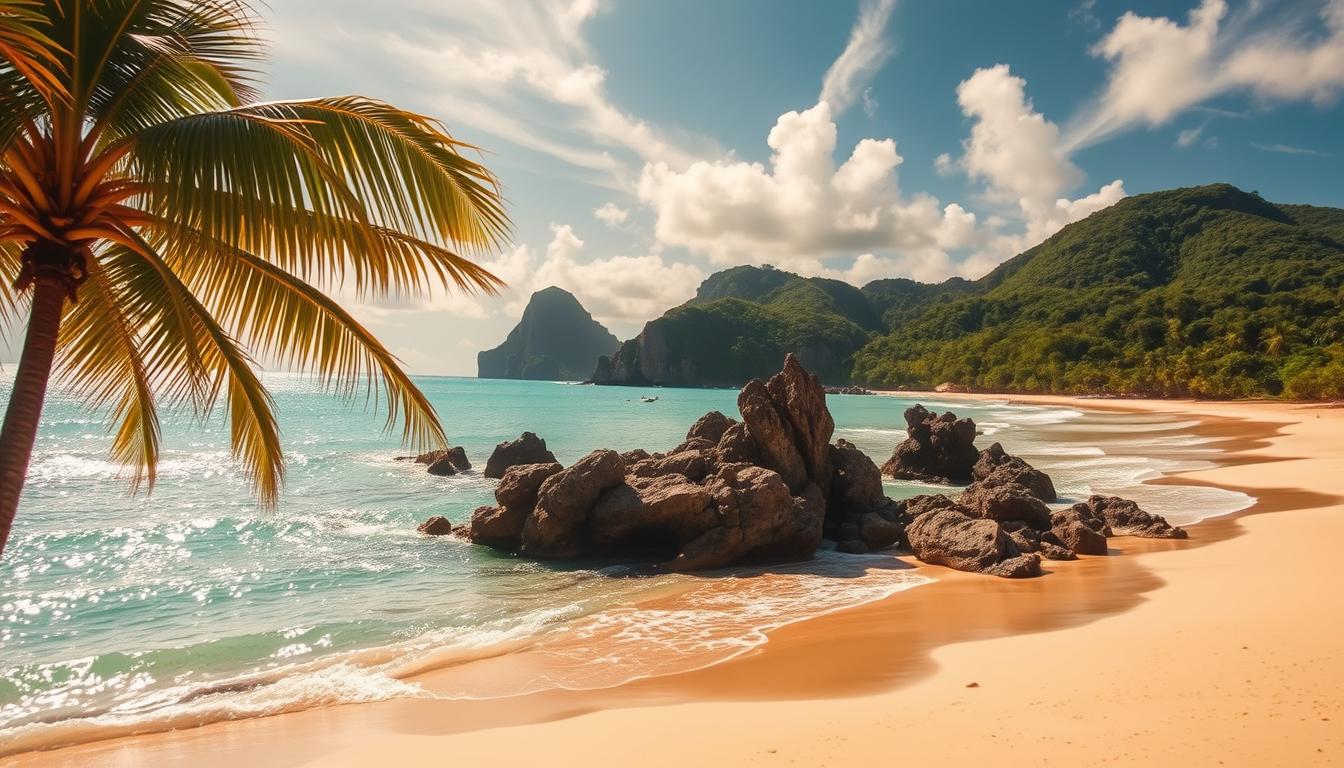
Fernando de Noronha, Brazil, remains a hidden gem for travelers seeking untouched beauty. This archipelago, consisting of 21 volcanic islands, is a UNESCO World Heritage site. Only one island is inhabited, ensuring minimal human impact on its pristine ecosystems.
A Tropical Paradise Off the Beaten Path
Strict visitor limits protect the island’s marine life, including dolphins, rays, and turtles. The archipelago is part of a national park, ensuring its turquoise waters and vibrant coral reefs remain unspoiled. Visitors must obtain a permit, which helps fund conservation efforts.
Snorkeling here is unparalleled. Each beach offers unique marine encounters:
- Cacimba do Padre: A 1km-long beach perfect for sunbathing and surfing.
- Praia do Leão: Known for its wild beauty and turtle nesting sites.
- Baía dos Porcos: Calm waters ideal for swimming and underwater exploration.
Why It’s Worth Visiting
Fernando de Noronha is a haven for eco-conscious travelers. The visitor permit system ensures a sustainable way to explore this paradise. Costs vary based on the length of stay, but the experience is priceless.
The best time to visit is between August and December. During these months, the weather is ideal for beach activities and wildlife spotting. Dolphins and sea turtles are frequently seen, adding to the island’s charm.
Accommodation options cater to all preferences. Pousada do Vale is a highly recommended eco-lodge, offering comfort without compromising sustainability. For those seeking luxury, several resorts provide stunning ocean views and top-notch amenities.
“Fernando de Noronha is a reminder of what the world can look like when we prioritize conservation.”
| Beach | Highlights |
|---|---|
| Cacimba do Padre | Surfing, sunbathing, 1km stretch |
| Praia do Leão | Turtle nesting, wild scenery |
| Baía dos Porcos | Calm waters, snorkeling |
2. Western Algarve, Portugal
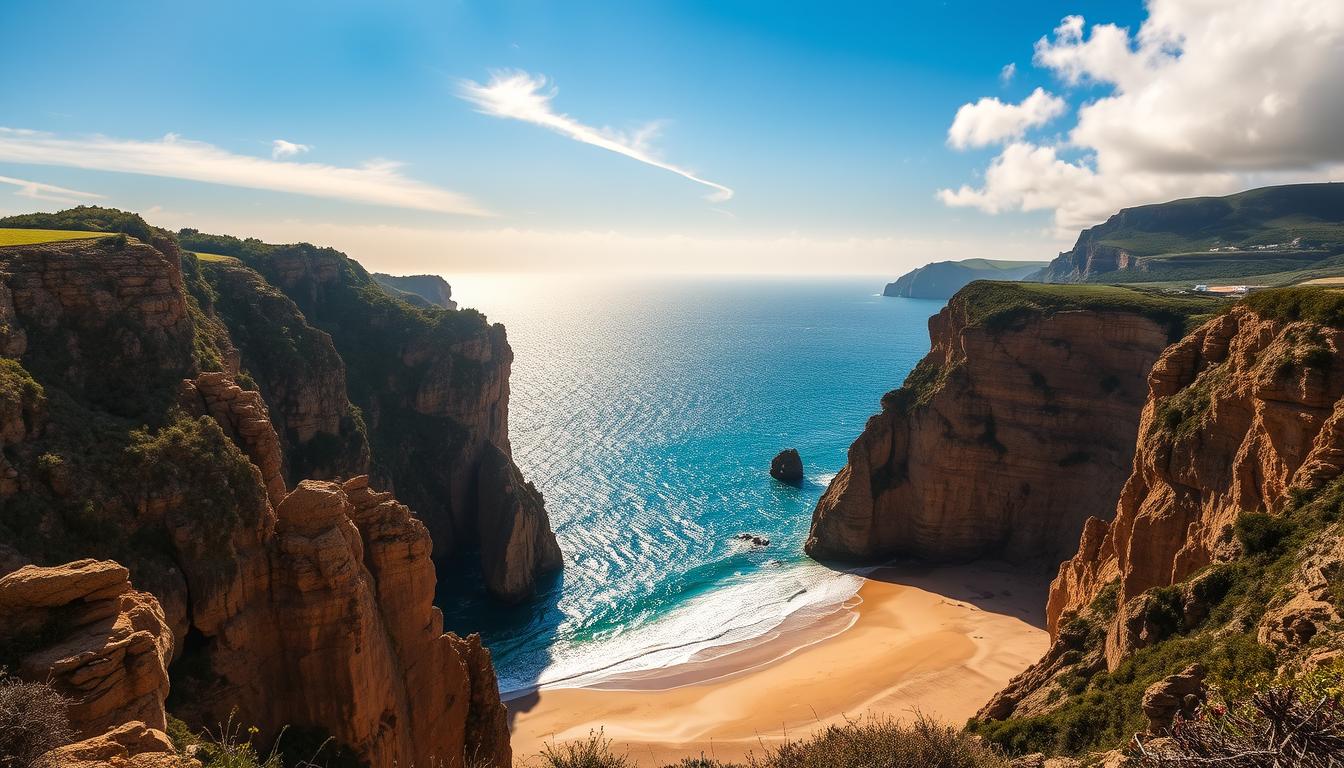
Few regions blend wild landscapes with serene beaches like Western Algarve. This stretch of Portugal’s coast remains refreshingly uncrowded, thanks to its rugged terrain and protected status. Unlike the southern Algarve’s resorts, the west offers untouched scenery and raw natural beauty.
Discover the Wild Beauty of Portugal’s Coast
The Vicentine Coast Natural Park shelters some of Europe’s most dramatic cliffs. Burnt ochre rock formations at Ponta Ruiva tower over the Atlantic, creating a photographer’s dream. Winter brings powerful waves, drawing surfers to secluded coves.
Southern Algarve thrives on tourism, but the west prioritizes preservation. Roads here are narrower, and signage is minimal—part of the charm. Rent a car to explore hidden spots like Praia do Zavial, a crescent of golden sand tucked between cliffs.
Top Beaches to Explore
Western Algarve’s beaches range from spacious shores to intimate coves:
- Praia da Armado: A vast stretch of sand, ideal for solitude.
- Praia do Zavial: A hidden gem with turquoise waters.
- Ponta Ruiva: Cliffs perfect for sunset hikes.
“Here, the ocean writes its own rules. The cliffs stand guard, and the beaches whisper secrets.” —Local guide
| Beach | Best For |
|---|---|
| Praia da Armado | Long walks, solitude |
| Praia do Zavial | Snorkeling, privacy |
| Ponta Ruiva | Hiking, photography |
After a day exploring, dine at O Pescador, a cliffside restaurant serving fresh octopus stew. Pair it with local Alvarinho wine as waves crash below. For a deeper immersion, visit inland villages like Aljezur, where whitewashed houses cling to hillsides.
Western Algarve shines year-round. Summer attracts sun-seekers, but winter offers stormy drama and empty trails. Pack layers—the coast’s mood changes with the wind.
3. Choquequirao, Peru
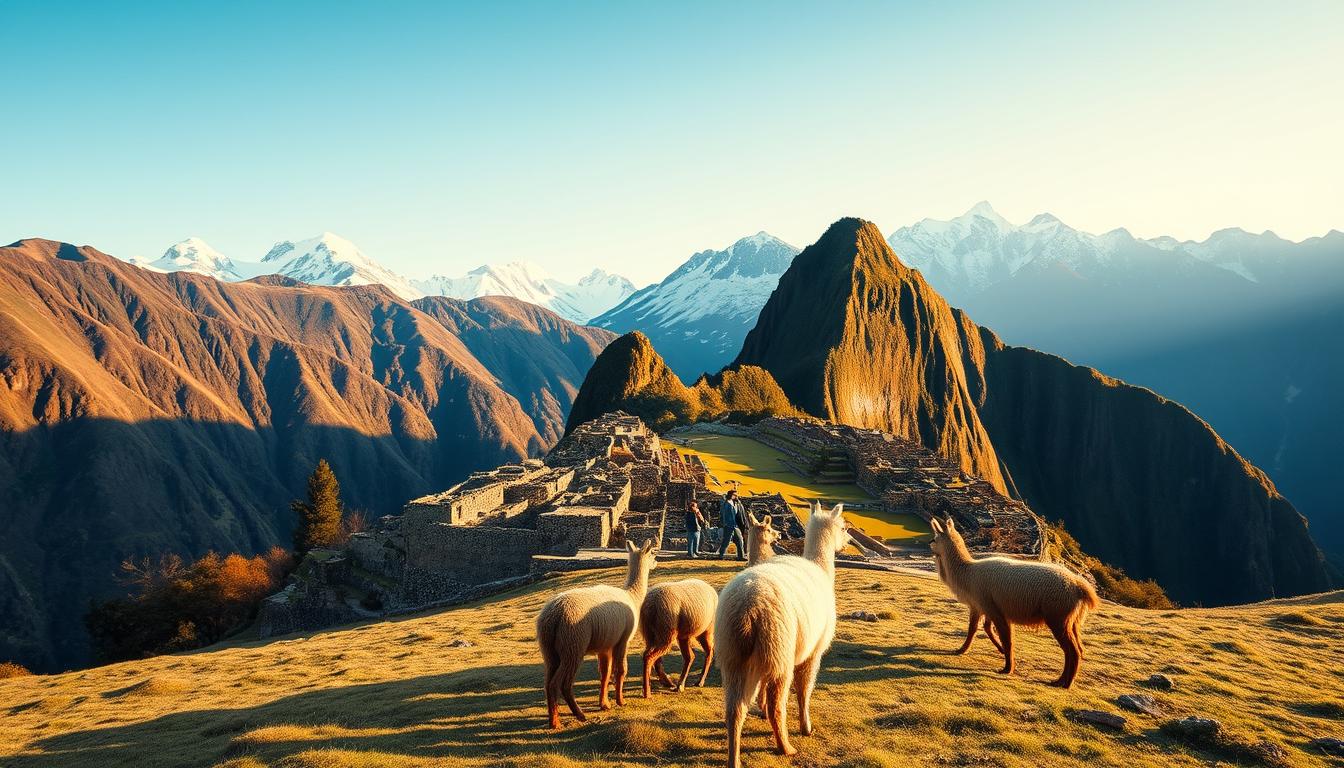
Nestled in the Andes, Choquequirao offers a journey through history and nature. This UNESCO World Heritage site is often called Machu Picchu’s lesser-known sister. While it shares similar terraces and stonework, it sees less than 5% of the visitors.
Machu Picchu’s Lesser-Known Sister
Choquequirao’s architecture mirrors Machu Picchu’s grandeur but feels more secluded. Its terraces cascade down the mountainside, blending into the surrounding forest. Unlike its famous counterpart, this site remains untouched by mass tourism.
How to Trek to This Hidden Gem
The trek to Choquequirao is a 4-day adventure with a 3,000m elevation gain. The dry season, from May to October, is the best time for this trip. Camping along the way is essential, and hiring a guide is highly recommended.
Altitude acclimatization is crucial. Spend a day in Cusco before starting the journey. This helps prevent altitude sickness and ensures you enjoy the sights fully.
Along the route, keep an eye out for endangered Andean wildlife. Spectacled bears and condors are often spotted in the area. These encounters add to the trek’s magic.
“Choquequirao is a testament to the Inca’s ingenuity, hidden in the peaks of Peru.” —Local Guide
Plans for a cable car could increase accessibility but raise ethical concerns. While it may bring more visitors, it could also threaten the site’s pristine condition. Sustainable tourism practices are vital to preserving this treasure.
4. Lastovo, Croatia
Tucked away in the Adriatic Sea, Lastovo offers an unspoiled retreat from crowded tourist spots. This Croatian island boasts 200km of hiking trails through fragrant pine forest and a coast dotted with secluded coves. Only 800 people live here, ensuring peace and authenticity.
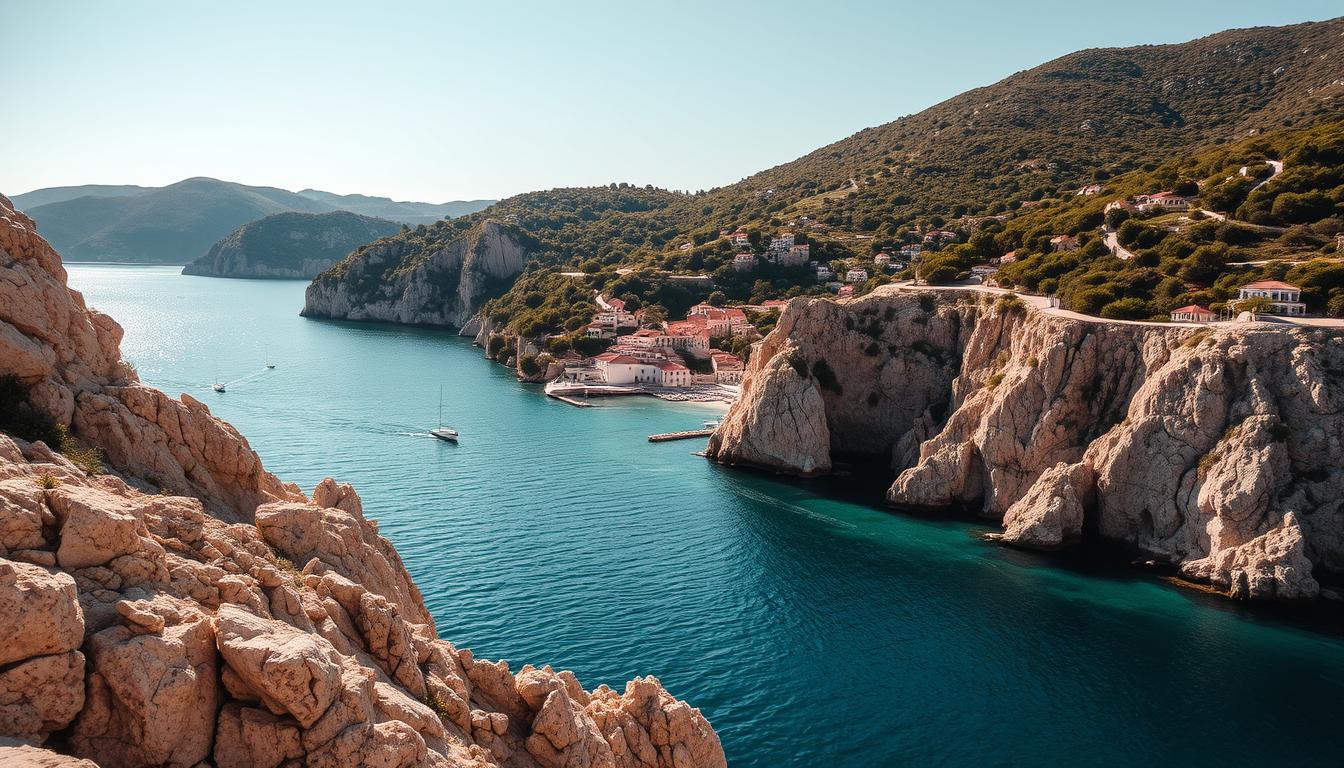
A Quiet Island Escape
Getting to Lastovo is part of the adventure. Ferries from Split take 4-5 hours but offer scenic views of Dalmatian waters. Catamarans are faster (2.5 hours) but cost twice as much. Both options run daily during peak season.
Accommodations blend charm and sustainability. Hotel Solitudo provides modern comforts, while the Struga lighthouse stay offers rustic luxury. For families, Mali Žal beach’s shallow waters are ideal.
Activities for Nature Lovers
Lastovo’s trails cater to all skill levels. The 8km Ubli to Skrivena Luka route winds past olive groves and cliffs. Advanced hikers can tackle the 15km path to Hum Peak for panoramic sea views.
Local marine conservation protects Adriatic biodiversity. Snorkeling reveals octopuses and seahorses in protected bays. After exploring, sample indigenous wines like Plavac Mali at family-run vineyards.
“Lastovo feels frozen in time—no crowds, just nature’s rhythm.” —Marina, local guide
| Transport Option | Duration | Cost (One Way) |
|---|---|---|
| Ferry | 4-5 hours | $25 |
| Catamaran | 2.5 hours | $50 |
Visit in May-June or September-October for mild weather and fewer visitors. Autumn brings grape harvest festivals, while spring blankets the forest in wildflowers. Either way, you’ll experience Croatia’s untouched beauty.
5. Koh Ker and Banteay Chhmar, Cambodia
Cambodia’s Koh Ker and Banteay Chhmar are hidden treasures waiting to be explored. These ancient sites offer a glimpse into the country’s rich history without the crowds of more famous landmarks. Both are part of the UNESCO World heritage, preserving their cultural and architectural significance.
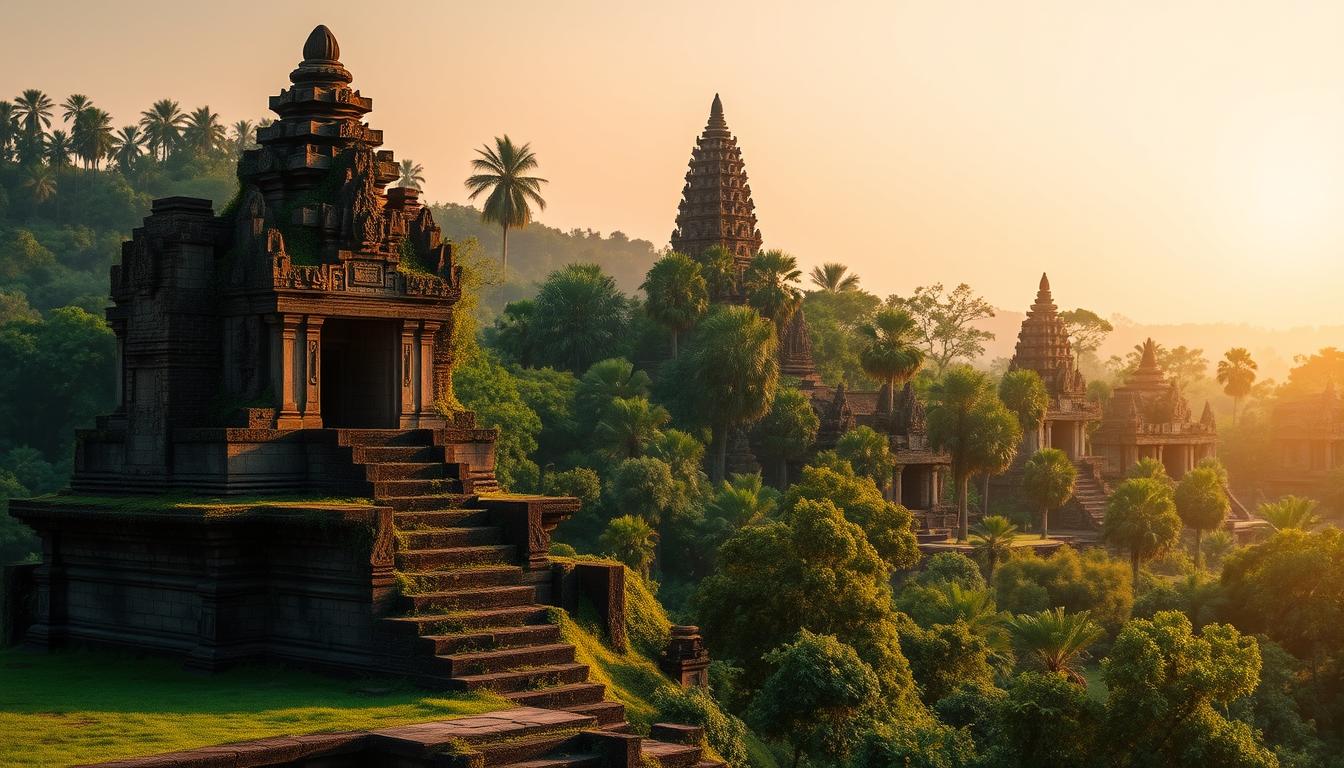
Ancient Temples Without the Crowds
Koh Ker’s 40m pyramid, Prasat Thom, stands as a testament to Angkorian engineering. Its towering structure is surrounded by lush forest, creating a serene atmosphere. Banteay Chhmar, on the other hand, is known for its intricate military bas-reliefs, offering a unique sight for history enthusiasts.
Community-based tourism plays a vital role here. Local homestays allow visitors to immerse themselves in Cambodian culture while supporting the economy. This sustainable approach ensures these sites remain preserved for future years.
What Makes These Sites Unique
Decoding Angkorian architectural symbolism adds depth to your trip. Both sites showcase intricate carvings and designs that tell stories of the past. Photography enthusiasts will find the jungle settings perfect for capturing stunning shots. Early morning light enhances the temples’ details, while late afternoon offers dramatic shadows.
Getting here is part of the adventure. Ground transportation from Siem Reap takes about 3-4 hours, depending on the way you choose. Private cars offer comfort, while shared buses provide a budget-friendly option.
“Koh Ker and Banteay Chhmar are reminders of Cambodia’s grandeur, hidden away from the modern world.”
Plan your visit between November and February for dry weather and optimal exploration. These months ensure a comfortable trip and clear views of the temples. Whether you’re a history buff or a nature lover, these sites promise an unforgettable experience.
6. Rodrigues Island, Mauritius
Rodrigues Island offers a tranquil escape far from the bustling mainland of Mauritius. This island is a hidden gem in the Indian Ocean, known for its 80km coastline and pristine beaches. Trou d’Argent, with its golden sand and turquoise waters, is a standout spot for relaxation.
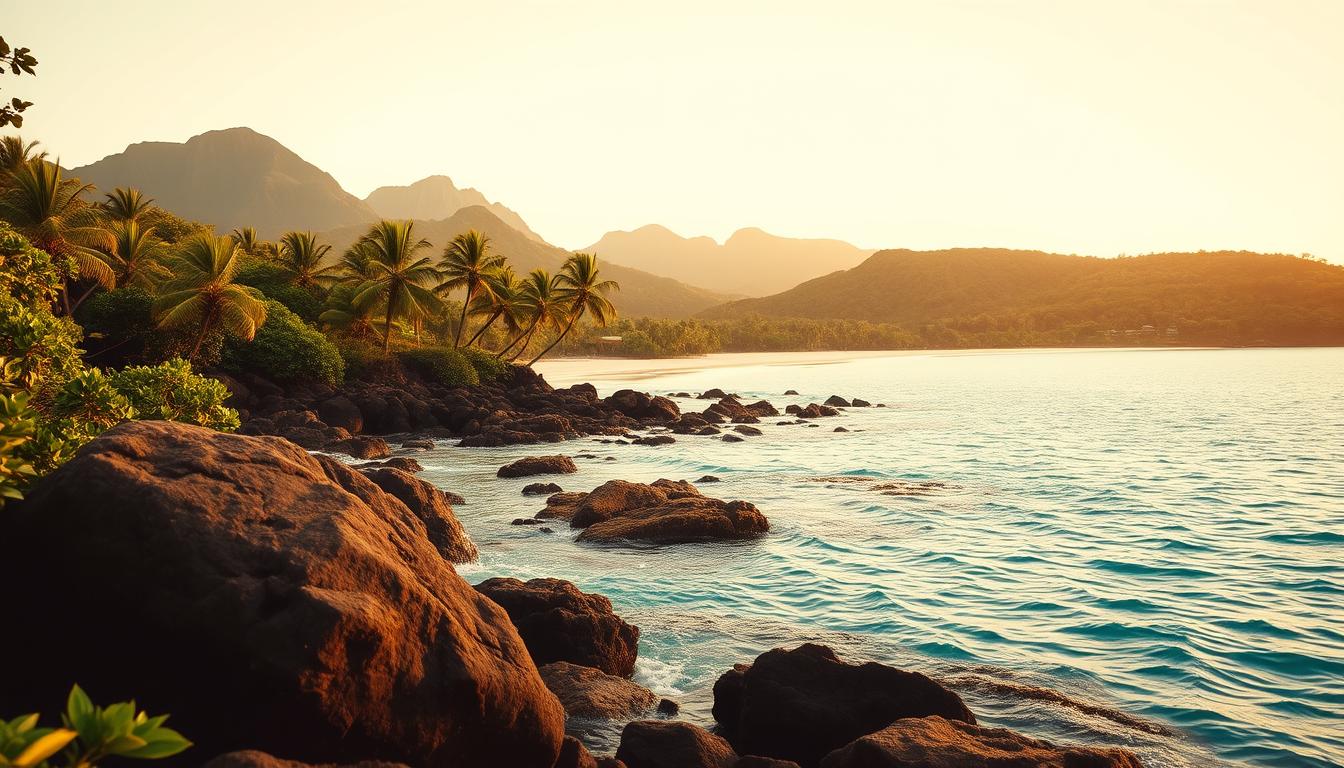
A Slice of Paradise in the Indian Ocean
Unlike the developed mainland, Rodrigues retains a rustic charm. Its coast is dotted with secluded coves and vibrant coral reefs. The François Leguat Reserve is a must-visit, home to giant tortoises and rare bird species. Staying in local Creole guesthouses offers a genuine cultural immersion.
Best Beaches and Activities
Rodrigues is a paradise for outdoor enthusiasts. The lagoon’s calm waters make it ideal for kitesurfing. A coastal walking trail winds through key viewpoints, offering breathtaking ocean vistas. Traditional séga music adds a rhythmic backdrop to your stay.
- Trou d’Argent: A secluded beach perfect for sunbathing and swimming.
- François Leguat Reserve: Spot giant tortoises and rare birds.
- Kitesurfing: Enjoy the lagoon’s calm waters.
- Coastal Trail: Hike with stunning ocean views.
- Séga Music: Experience local culture through traditional rhythms.
Don’t miss local dishes like octopus curry, a flavorful way to savor the island’s culinary heritage. Direct flights from Mauritius take just 90 minutes, making Rodrigues easily accessible yet wonderfully remote.
“Rodrigues is where time slows down, and nature takes center stage.” —Local Guide
7. The Stans: Uzbekistan, Kyrgyzstan, Tajikistan, Kazakhstan
Central Asia’s Stans—Uzbekistan, Kyrgyzstan, Tajikistan, and Kazakhstan—are a treasure trove of history and nature. These countries, often overlooked, offer a unique blend of ancient cities, rugged peaks, and vibrant cultures. Whether you’re tracing the Silk Road or exploring alpine forests, the Stans promise an unforgettable trip.
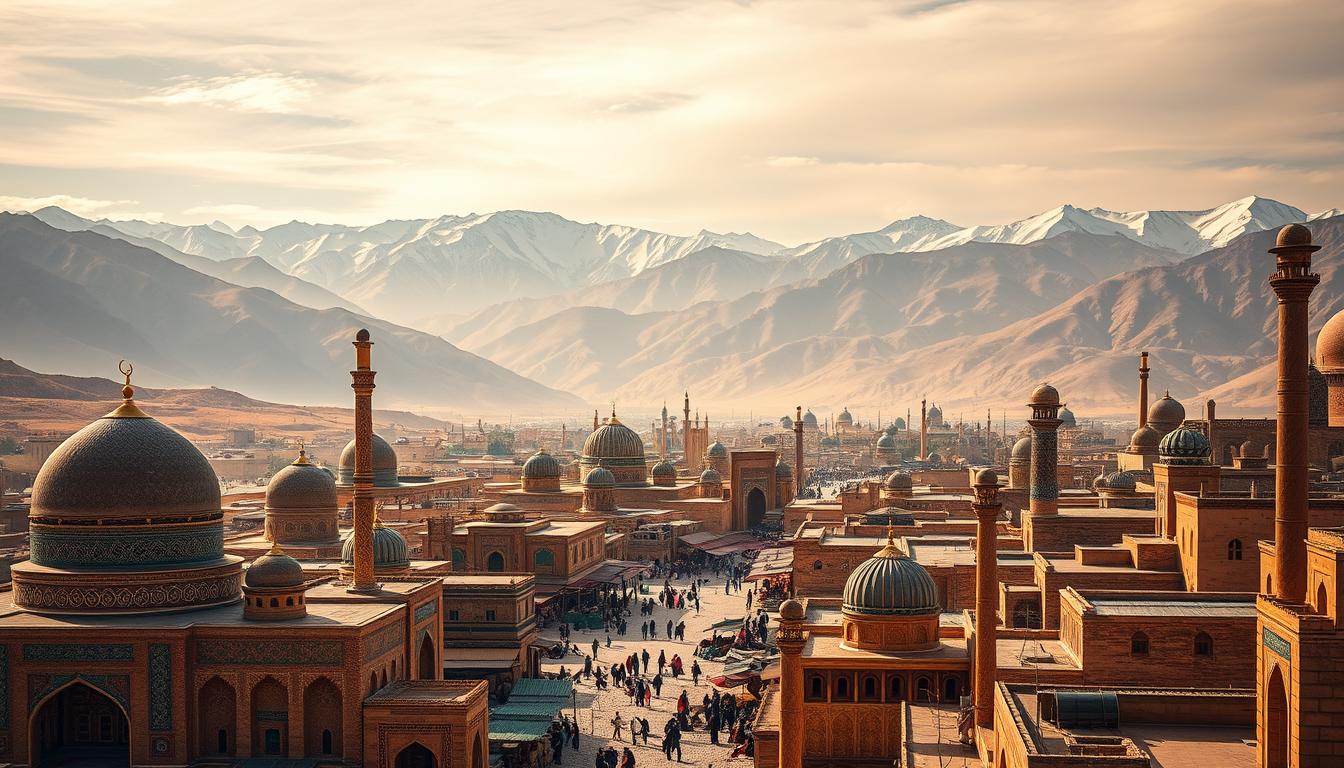
Exploring Central Asia’s Hidden Gems
Uzbekistan’s Silk Road cities, like Samarkand and Registan Square, are architectural marvels. Kyrgyzstan invites you to experience nomadic life with yurt stays in its pristine valleys. Kazakhstan’s Shymbulak ski resort offers winter adventures, while Tajikistan’s Pamir Highway showcases dramatic scenery.
Planning a trip? A three-week Silk Road itinerary lets you explore these highlights. Each country has its own visa requirements, so check in advance. Regional cuisines, from plov to beshbarmak, cater to diverse dietary needs, making it easy to savor local flavors.
Cultural and Natural Highlights
Sustainable tourism initiatives are gaining traction here. Community-based projects in Kyrgyzstan support local livelihoods while preserving natural beauty. Horse trekking in the Tian Shan mountains offers an immersive way to explore the region’s peaks and valleys.
In the capitals, Soviet architectural influences are evident. Almaty’s Ascension Cathedral and Tashkent’s Metro stations are prime examples. These structures tell stories of a bygone era, blending history with modern life.
“The Stans are where ancient traditions meet untouched landscapes, offering a journey like no other.” —Local Guide
- Visa Requirements: Check each country’s policies before traveling.
- Regional Cuisines: Try plov in Uzbekistan and beshbarmak in Kazakhstan.
- Sustainable Tourism: Support community-based projects in Kyrgyzstan.
- Horse Trekking: Explore the Tian Shan mountains on horseback.
- Soviet Architecture: Visit Almaty and Tashkent for iconic structures.
Visit during summer for warm weather and vibrant festivals. Whether you’re a history buff or an outdoor enthusiast, the Stans offer something for everyone. Pack your bags and get ready to explore this hidden corner of the world.
8. Picos de Europa, Spain
Spain’s Picos de Europa is a haven for adventurers and nature lovers alike. This national park offers a mix of dramatic cliffs, lush forests, and towering peaks. Its proximity to the Cantabrian coast allows visitors to enjoy both mountain and beach activities in a single day.
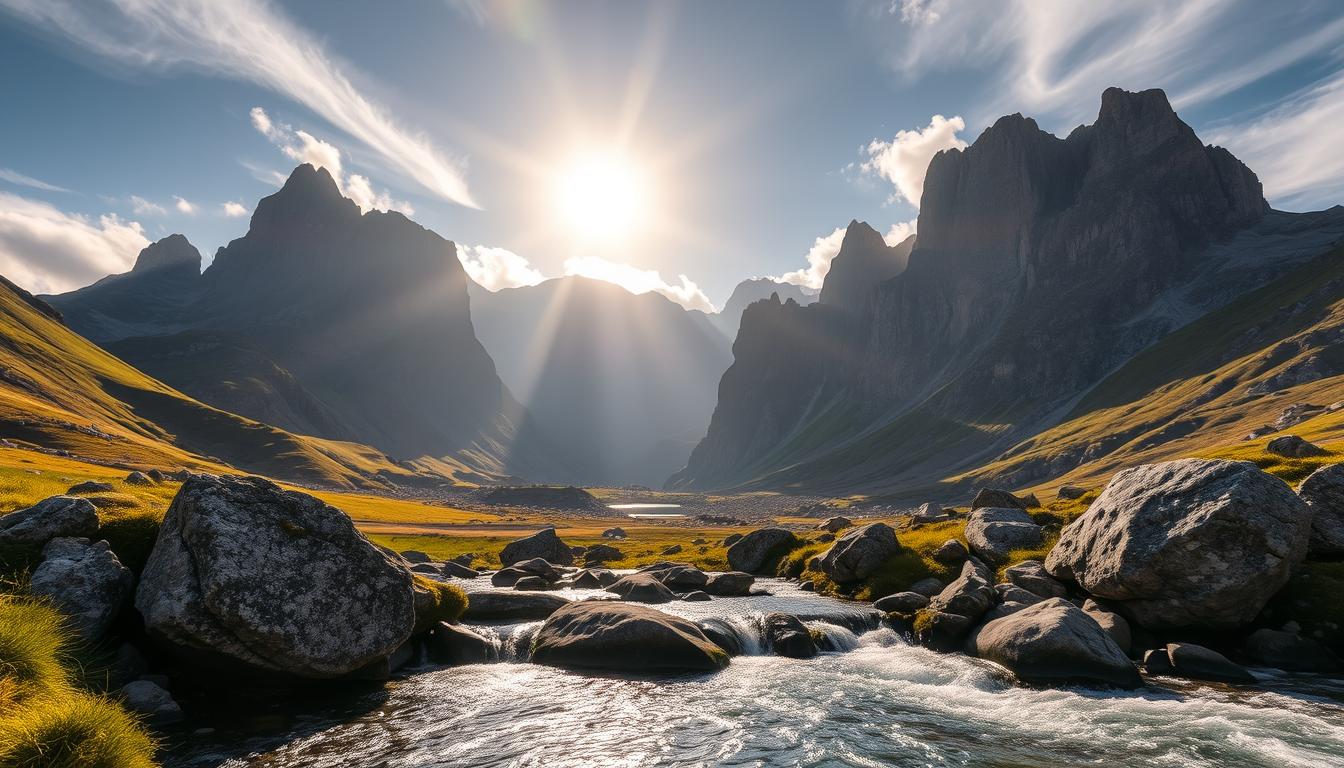
Spain’s Best-Kept Secret
The Cares Gorge trail is a highlight, stretching 12km through stunning scenery. For those seeking elevated views, the Fuente Dé cable car ascends to 1,850m, offering panoramic vistas of the park. Wildlife enthusiasts can spot Cantabrian brown bears and other native species along the way.
Hiking and Outdoor Adventures
Picos de Europa caters to all skill levels. Beginners can enjoy shorter trails, while experienced hikers tackle refugio-to-refugio treks. Via ferrata routes provide thrilling climbs, but safety gear is essential. For a unique experience, explore the park’s low-light areas for astrotourism opportunities.
| Activity | Details |
|---|---|
| Cares Gorge Trail | 12km hike through dramatic gorges |
| Fuente Dé Cable Car | Reaches 1,850m for panoramic views |
| Wildlife Spotting | Cantabrian brown bears and native species |
| Astrotourism | Stargazing in low-light areas |
Whether you’re hiking, climbing, or stargazing, Picos de Europa promises an unforgettable adventure. Plan your visit to experience Spain’s hidden gem in all its glory.
9. Kgalagadi Transfrontier Park, South Africa
Step into the vast desert ecosystem of Kgalagadi Transfrontier Park for a unique adventure. Spanning 37,000km², this national park is a sanctuary for wildlife and a paradise for nature enthusiasts. Unlike the crowded Kruger, Kgalagadi offers a serene escape into raw wilderness.
A Safari Experience Like No Other
Kgalagadi is home to the iconic black-maned Kalahari lions, a symbol of the park’s untamed beauty. The sand dunes and red scenery create a breathtaking backdrop for wildlife viewing. Whether you choose a 4×4 safari or a self-drive adventure, the park’s vastness ensures an unforgettable journey.
Waterholes are key to spotting animals. Strategically located along the way, they attract herds of gemsbok, springbok, and even cheetahs. Early mornings and late afternoons are the best times for sightings.
Wildlife and Scenery to Discover
Local fauna has adapted uniquely to the desert. From the small meerkat to the majestic lion, each species thrives in this harsh environment. The park’s low-light pollution areas make it a haven for stargazers. Bring your astrophotography gear to capture the Milky Way in all its glory.
Seasonal changes affect animal behaviors. During the wet season, the park transforms with lush vegetation, while the dry season concentrates wildlife around water sources. Both periods offer distinct experiences.
“Kgalagadi is where the desert whispers its secrets, and the stars light up the night.” —Local Guide
- Desert Adaptations: Learn how animals survive in this arid landscape.
- Safari Options: Choose between guided 4×4 tours or self-drive adventures.
- Waterhole Locations: Map out the best spots for wildlife viewing.
- Astrophotography: Capture the night sky with recommended equipment.
- Seasonal Behaviors: Observe how animals adapt to wet and dry seasons.
Kgalagadi Transfrontier Park is a must-visit for those seeking an authentic safari experience. Its untouched beauty and diverse wildlife make it a hidden gem in South Africa.
10. San Blas Islands, Panama
Discover the untouched charm of the San Blas Islands, governed by the Guna people. This archipelago of 400 islands is a Caribbean paradise, offering pristine beaches and turquoise waters. The Guna’s unique governance ensures the islands remain unspoiled, providing an authentic experience for visitors.
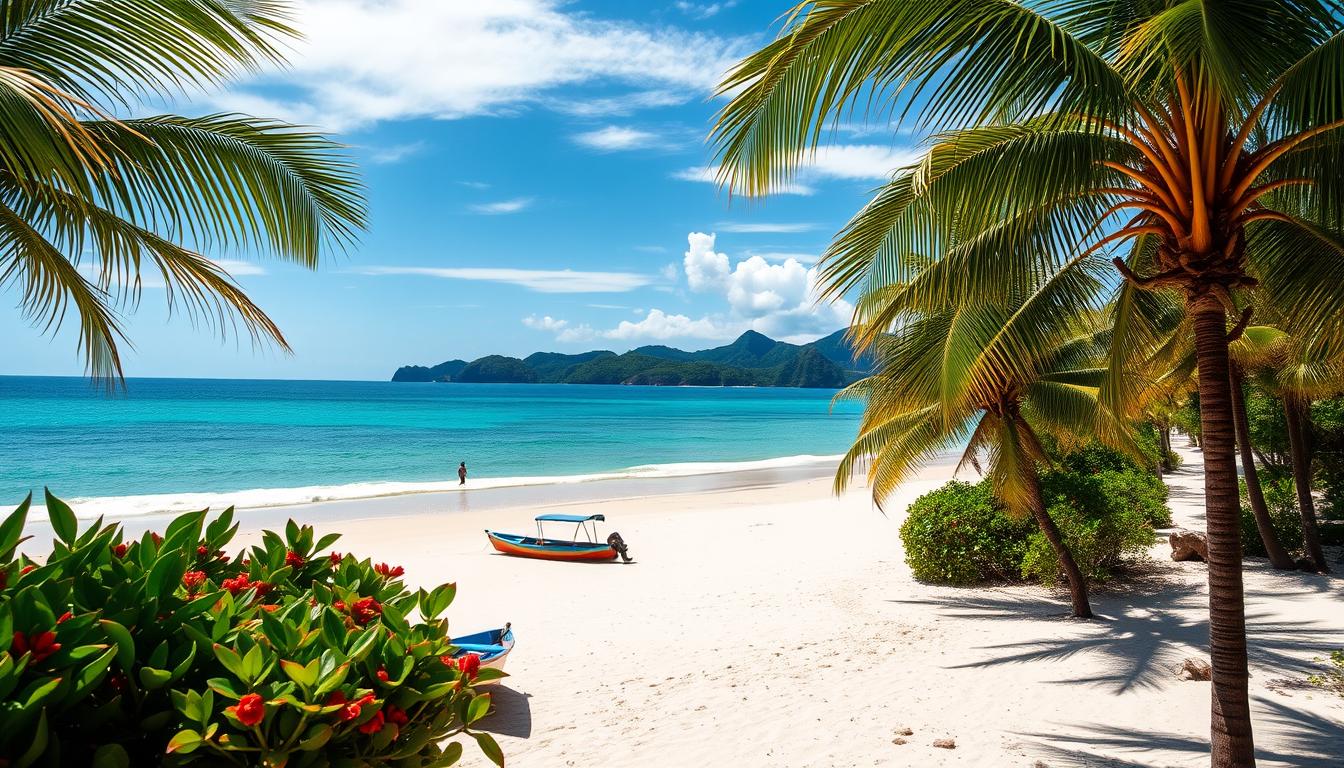
Caribbean Beauty Without the Crowds
The Guna people manage tourism sustainably, limiting development to preserve their culture and environment. Outer islands like Isla Perro are perfect for snorkeling, with a shipwreck adding to the adventure. Main islands offer homestay opportunities, allowing travelers to immerse themselves in Guna traditions.
Traditional mola textile workshops are a highlight. These intricate designs are a cultural treasure, and purchasing them supports local artisans. Follow sustainable souvenir guidelines to ensure your visit benefits the community.
What to Do and See
Snorkeling at Isla Perro is a must. The clear ocean waters reveal vibrant marine life, making it a favorite spot for underwater exploration. For those seeking a unique way to arrive, sailing itineraries from Colombia offer a scenic journey to the islands.
Accommodation options include rustic homestays with Guna families. These stays provide a deeper understanding of their culture and lifestyle. Whether you’re relaxing on white sand beaches or exploring the islands’ rich heritage, San Blas promises an unforgettable experience.
“The San Blas Islands are a testament to sustainable tourism, where culture and nature thrive together.” —Local Guide
| Activity | Details |
|---|---|
| Snorkeling | Explore Isla Perro’s shipwreck and marine life |
| Mola Workshops | Learn traditional textile techniques |
| Homestays | Stay with Guna families for cultural immersion |
| Sailing | Arrive via scenic routes from Colombia |
11. Abraham Lake, Canada
Abraham Lake in Canada is a natural wonder that captivates visitors with its unique frozen methane bubbles. Located in Alberta’s Rockies, this national park offers a surreal winter experience. The lake’s icy surface hides a fascinating phenomenon created by microbial processes beneath the water.
Methane Ice Bubbles and Stunning Scenery
During winter, methane gas produced by decomposing organic matter gets trapped under the ice. This creates a mesmerizing pattern of frozen bubbles. The scenery is breathtaking, with the lake surrounded by snow-capped peaks and crisp blue skies.
Safety is crucial when exploring the lake. Always check ice thickness before venturing out. Local guides recommend a minimum of 10cm for walking and 20cm for small groups. Flammable methane gas adds an extra layer of caution, so avoid open flames.
Best Time to Visit
The best way to experience Abraham Lake is between December and February. This is when the ice is thickest, and the bubbles are most visible. Early mornings during the blue hour offer the best views for photography. The soft light enhances the bubbles’ details, creating stunning shots.
Summer activities contrast sharply with winter. Hiking and kayaking are popular, but the methane bubbles are absent. For post-adventure relaxation, nearby hot springs like Banff Upper Hot Springs provide a soothing retreat.
“Abraham Lake’s frozen bubbles are a reminder of nature’s hidden wonders, waiting to be discovered.” —Local Guide
| Activity | Details |
|---|---|
| Winter Photography | Capture frozen methane bubbles during blue hour |
| Ice Safety Checks | Ensure ice thickness is safe for exploration |
| Summer Hiking | Explore trails around the lake |
| Hot Springs | Relax at Banff Upper Hot Springs |
Whether you visit in winter or summer, Abraham Lake promises unforgettable views and experiences. Its unique charm has made it a favorite destination for years.
12. Waitomo Glowworm Caves, New Zealand
Hidden beneath New Zealand’s lush forests lies a glowing wonder waiting to be explored. The Waitomo Glowworm Caves are home to the Arachnocampa luminosa species, tiny creatures that light up the darkness like stars. This natural phenomenon has captivated visitors for years, offering a sight unlike any other.
A Bioluminescent Wonderland
These caves are a marvel of nature, with thousands of glowworms creating a celestial canopy. The experience is enhanced by the serene atmosphere, making it a must-visit for nature enthusiasts. Conservation efforts ensure this fragile ecosystem remains protected for future generations.
How to Experience the Magic
There are several ways to explore the caves. Walking tours are perfect for those who prefer a leisurely pace. For the adventurous, black water rafting and abseiling offer a thrilling way to navigate the underground rivers. Each tour provides unique insights into the glowworms’ life cycle and their role in the ecosystem.
- Walking Tours: Ideal for families and first-time visitors.
- Black Water Rafting: A thrilling adventure through the cave’s waterways.
- Abseiling: Descend into the caves for an adrenaline-packed experience.
Photography enthusiasts should bring a tripod and use low-light settings to capture the glowworms’ brilliance. Combining your visit with a trip to nearby Hobbiton adds a touch of fantasy to your journey.
“The Waitomo Glowworm Caves are a reminder of nature’s ability to create magic in the most unexpected places.” —Local Guide
The caves also hold cultural significance for the Māori people, who consider them sacred. Learning about their traditions adds depth to your visit. Whether you’re floating on a boat through the illuminated waters or marveling at the glowworms’ bioluminescence, the Waitomo Glowworm Caves promise an unforgettable experience.
13. Conclusion
Exploring beyond popular spots reveals hidden gems that redefine travel experiences. These lesser-known destinations offer a chance to connect with the world in meaningful ways, away from crowded tourist hubs. By venturing off the beaten path, you not only discover unique beauty but also support local communities and ecosystems.
Responsible tourism is key to preserving these treasures. Choose eco-friendly accommodations, respect local cultures, and minimize your environmental footprint. Planning a trip to remote locations requires research, but the rewards are unparalleled. Consider climate-conscious travel options, like using public transport or offsetting carbon emissions.
Let these hidden gems inspire your next adventure. Whether it’s a serene island or a rugged mountain trail, the world is full of wonders waiting to be explored. Pack your bags, embrace the unknown, and create memories that last a lifetime.
FAQ
What makes Fernando de Noronha special?
Fernando de Noronha is a UNESCO World Heritage site with pristine beaches, turquoise waters, and rich marine life. It’s a tropical paradise perfect for diving and relaxation.
Why visit Western Algarve in Portugal?
Western Algarve offers dramatic cliffs, golden sand beaches, and secluded coves. It’s ideal for those seeking wild coastal beauty and outdoor adventures.
How do I get to Choquequirao in Peru?
Choquequirao requires a multi-day trek through the Andes. It’s a challenging journey, but the ancient ruins and stunning scenery make it worth the effort.
What activities can I enjoy on Lastovo Island?
Lastovo is perfect for hiking, snorkeling, and exploring untouched nature. Its quiet charm and crystal-clear waters attract nature lovers.
What’s unique about Koh Ker and Banteay Chhmar?
These Cambodian temples are less crowded than Angkor Wat. They showcase intricate carvings and offer a peaceful glimpse into ancient history.
What are the highlights of Rodrigues Island?
Rodrigues Island boasts serene beaches, coral reefs, and a laid-back vibe. It’s a paradise for snorkeling, fishing, and enjoying the Indian Ocean.
What can I explore in the Stans?
The Stans—Uzbekistan, Kyrgyzstan, Tajikistan, and Kazakhstan—offer Silk Road history, rugged mountains, and vibrant cultures. It’s a haven for adventurous travelers.
What makes Picos de Europa special?
Picos de Europa is Spain’s hidden gem with towering peaks, lush valleys, and hiking trails. It’s a paradise for outdoor enthusiasts.
What wildlife can I see in Kgalagadi Transfrontier Park?
The park is home to lions, cheetahs, and desert-adapted wildlife. Its red dunes and vast landscapes create a unique safari experience.
What’s unique about the San Blas Islands?
The San Blas Islands offer turquoise waters, white sand beaches, and a chance to experience indigenous Guna culture. It’s a tranquil Caribbean escape.
When is the best time to visit Abraham Lake?
Winter is ideal for seeing the methane ice bubbles frozen beneath the lake’s surface. The snowy scenery adds to its surreal beauty.
How can I explore the Waitomo Glowworm Caves?
Take a boat tour to witness the bioluminescent glowworms illuminating the cave ceilings. It’s a magical experience in New Zealand’s underground wonderland.