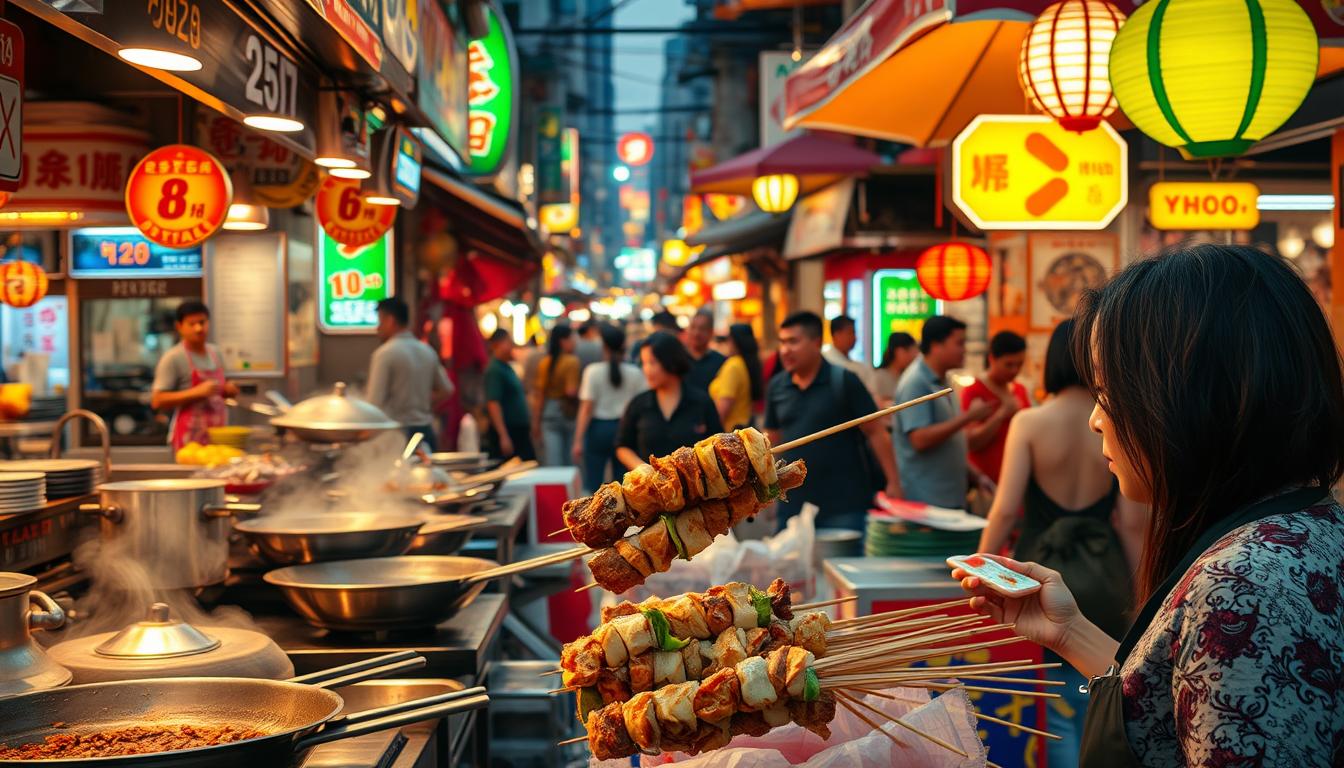
Did you know that over 75% of travelers rank local dishes as a top reason to visit Asia? From sizzling Thai curries to steaming Vietnamese pho, every bite tells a story. This guide helps you dive into authentic flavors, far from crowded tourist spots.
Exploring these bustling markets isn’t just about eating—it’s a cultural experience. The aromas, textures, and lively vendor chats create memories. Time Out even calls food tours the best way to uncover hidden gems.
Key Takeaways
- Street eats offer a direct path to understanding local traditions.
- Each region boasts unique specialties, like spicy laksa or crispy banh xeo.
- Vendors often share recipes passed down for generations.
- Night markets provide the freshest, most affordable options.
- Guided tours help avoid overpriced or less authentic spots.
Introduction to Asia’s Street Food Scene
Asia’s vibrant street food scene is a feast for the senses. From sizzling woks to aromatic spices, every corner offers something new. This culinary journey isn’t just about eating—it’s about immersing yourself in local culture and traditions.
Why Asia is a Street Food Paradise
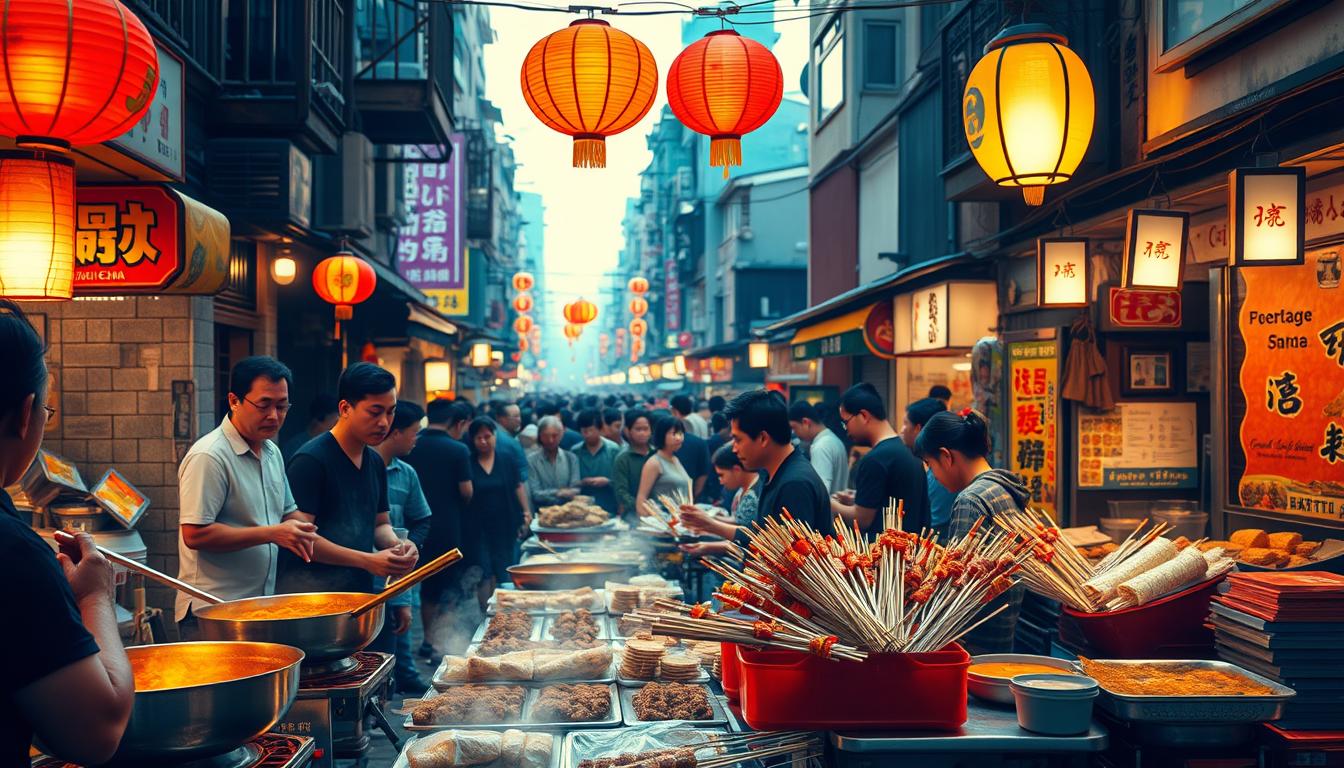
Affordability, accessibility, and variety make Asia a global leader in street food. Whether it’s a quick snack or a full meal, you’ll find options for every budget. Markets like Bangkok’s Chatuchak showcase this diversity, offering everything from spicy curries to sweet desserts.
Communal dining is a big part of the experience. Sharing skewers at Malaysian night markets or enjoying a bowl of pho in Hanoi brings people together. These traditions reflect the region’s rich history and social bonds.
The Cultural Significance of Street Food in Asia
Street food is deeply rooted in Asia’s daily life. For example, Hanoi’s Buddhist vegan buffets highlight religious practices, while Chiang Mai’s 20-dish tours celebrate local flavors. Each dish tells a story, often passed down through generations.
Many vendors also focus on sustainability. At Bangkok’s Chatuchak Market, efforts to reduce waste are gaining traction. This blend of tradition and innovation makes Asia’s street food scene truly unique.
Top Asian Cities for Street Food Adventures
Each city in Asia brings its own unique twist to local dishes. From sizzling woks to aromatic spices, these destinations are a must-visit for any food lover. Whether you’re exploring bustling markets or hidden alleys, the flavors will leave you craving more.
Bangkok: The Heart of Thai Street Food
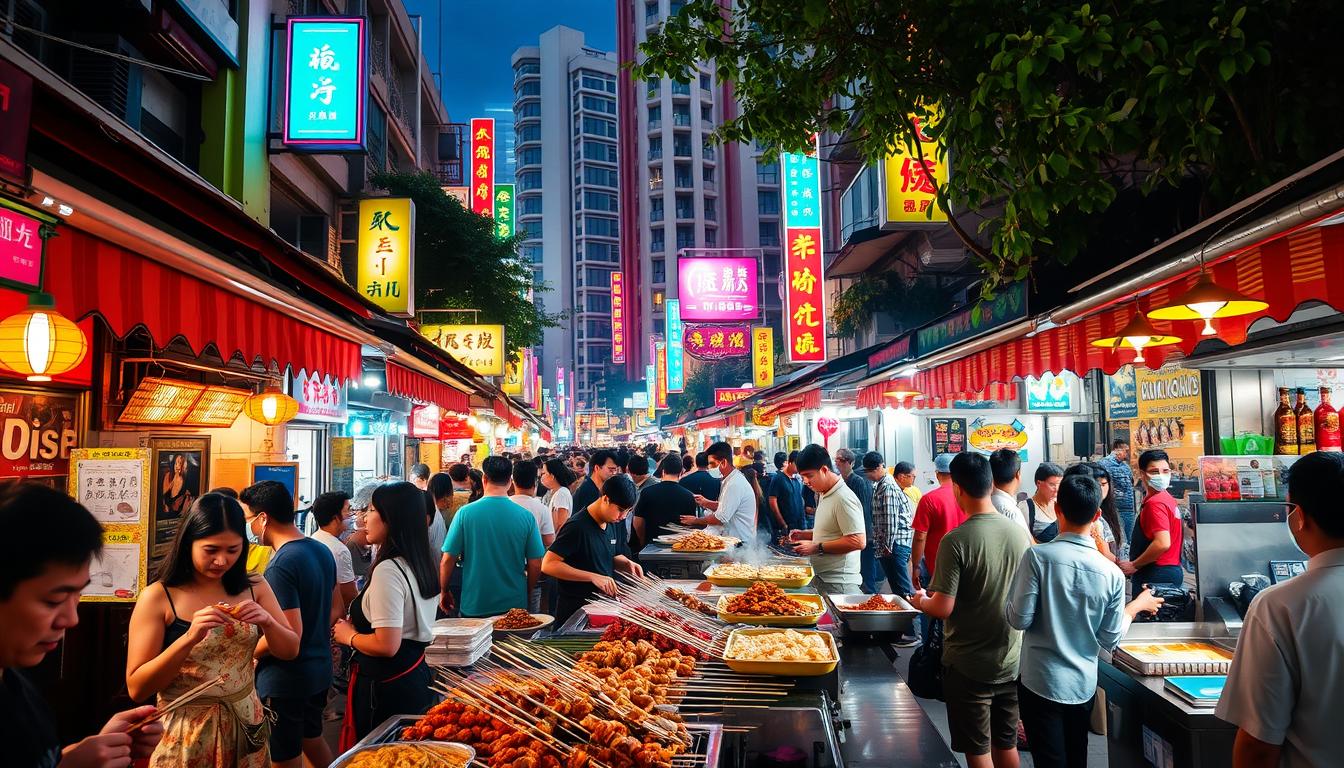
Bangkok is a paradise for food enthusiasts. Must-visit spots include Chinatown’s grilled prawns and Chatuchak Market’s coconut pancakes. For a deeper dive, try the Bangkok Backstreets tour, which takes you through hidden gems. Time Out also recommends the Midnight Food Tour for an unforgettable experience.
Chiang Mai: A Northern Thai Culinary Gem
Chiang Mai is famous for its Khao Soi joints and vibrant night markets. The 20-dish truck tour, praised by KAWtrips, is a highlight. This city offers a mix of traditional and modern flavors, making it a must for any foodie.
Hanoi: The Flavors of Vietnam
Hanoi’s food scene is rich with history and flavor. Chef-led tours explore four markets, including vegan cao lau. The local cuisine here is a blend of fresh ingredients and traditional recipes, offering a unique taste of Vietnam.
Kuala Lumpur: A Melting Pot of Flavors
Kuala Lumpur is known for its satay spots and Old KL tours with local chefs. This city combines Malay, Chinese, and Indian influences, creating a diverse culinary experience. Don’t miss the chance to explore its vibrant night markets.
| City | Must-Try Dishes | Recommended Tours |
|---|---|---|
| Bangkok | Grilled prawns, coconut pancakes | Bangkok Backstreets, Midnight Food Tour |
| Chiang Mai | Khao Soi, 20-dish truck tour | Chiang Mai by Truck |
| Hanoi | Cao lau, pho | Chef-led market tours |
| Kuala Lumpur | Satay, Old KL dishes | Local chef-led tours |
Must-Try Street Food Dishes in Asia
From smoky woks to aromatic broths, Asia’s dishes are a journey of flavors. Each dish reflects local cuisine and traditions, offering a unique experience. Whether you’re a fan of noodles, soups, or grilled skewers, there’s something for everyone.
Pad Thai: Thailand’s Iconic Noodle Dish
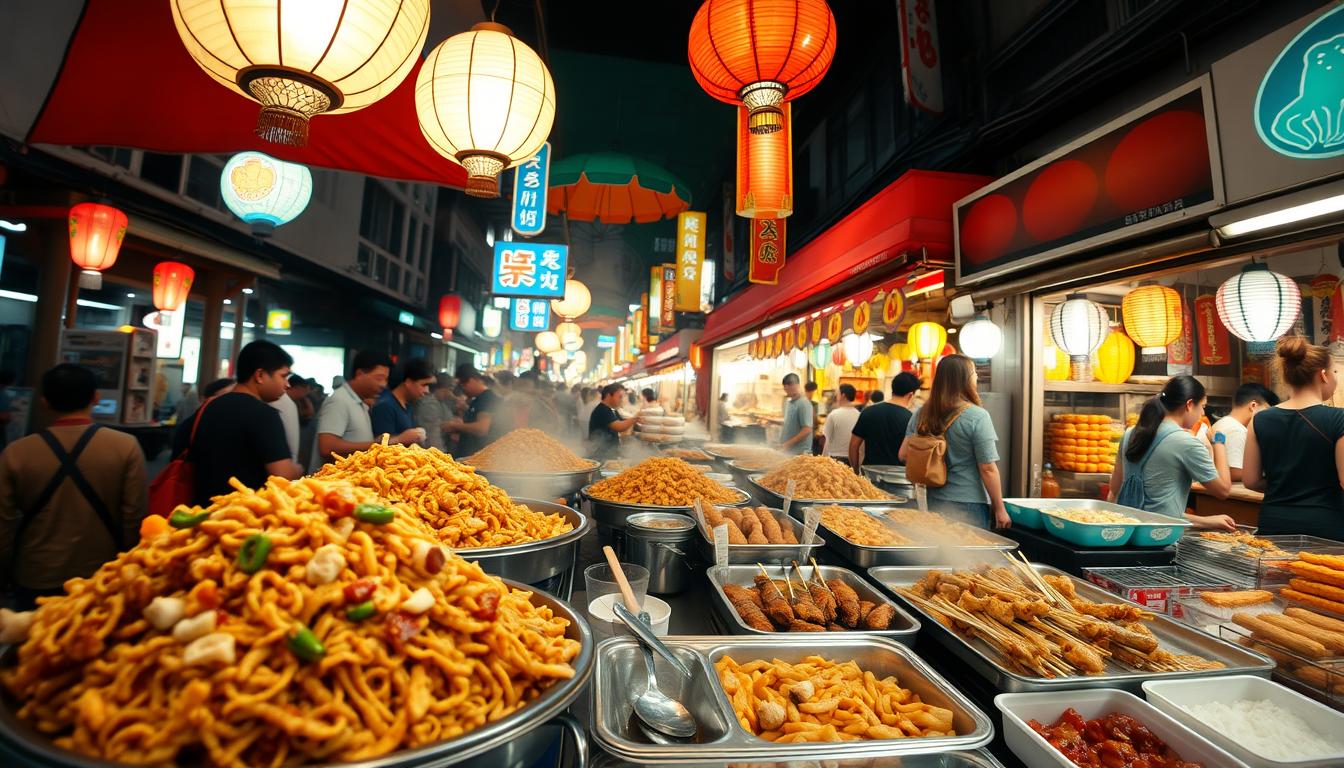
Pad Thai is a staple of Thai street food. Authentic versions are cooked over high heat, giving them a smoky flavor known as wok hei. Unlike tourist versions, street-style Pad Thai uses fresh ingredients like tamarind, fish sauce, and lime. It’s a perfect balance of sweet, sour, and savory.
Pho: Vietnam’s Beloved Noodle Soup
Pho is a comforting bowl of noodles and broth. Hanoi’s version features a clear, delicate broth, while Saigon’s is richer with herbs and spices. This dish is a testament to Vietnam’s culinary variety and love for fresh ingredients.
Satay: Malaysia’s Grilled Skewers
Satay is a crowd-pleaser, featuring marinated meat grilled to perfection. The peanut sauce varies by region, with Kuala Lumpur’s Jalan Alor stalls offering some of the best. It’s a dish that brings people together, often served with rice or cucumber.
Khao Soi: Northern Thailand’s Curry Noodle Soup
Khao Soi is a creamy, coconut-based curry noodle soup. A Chef’s Tour highlights its depth of flavor, especially in Chiang Mai’s hidden joints. This dish is a must-try for anyone exploring Northern Thailand’s local cuisine.
| Dish | Key Ingredients | Where to Try |
|---|---|---|
| Pad Thai | Rice noodles, tamarind, peanuts | Bangkok street stalls |
| Pho | Beef broth, rice noodles, herbs | Hanoi or Saigon markets |
| Satay | Grilled meat, peanut sauce | Jalan Alor, Kuala Lumpur |
| Khao Soi | Coconut curry, egg noodles | Chiang Mai’s hidden joints |
Exploring Asia’s Street Food Markets
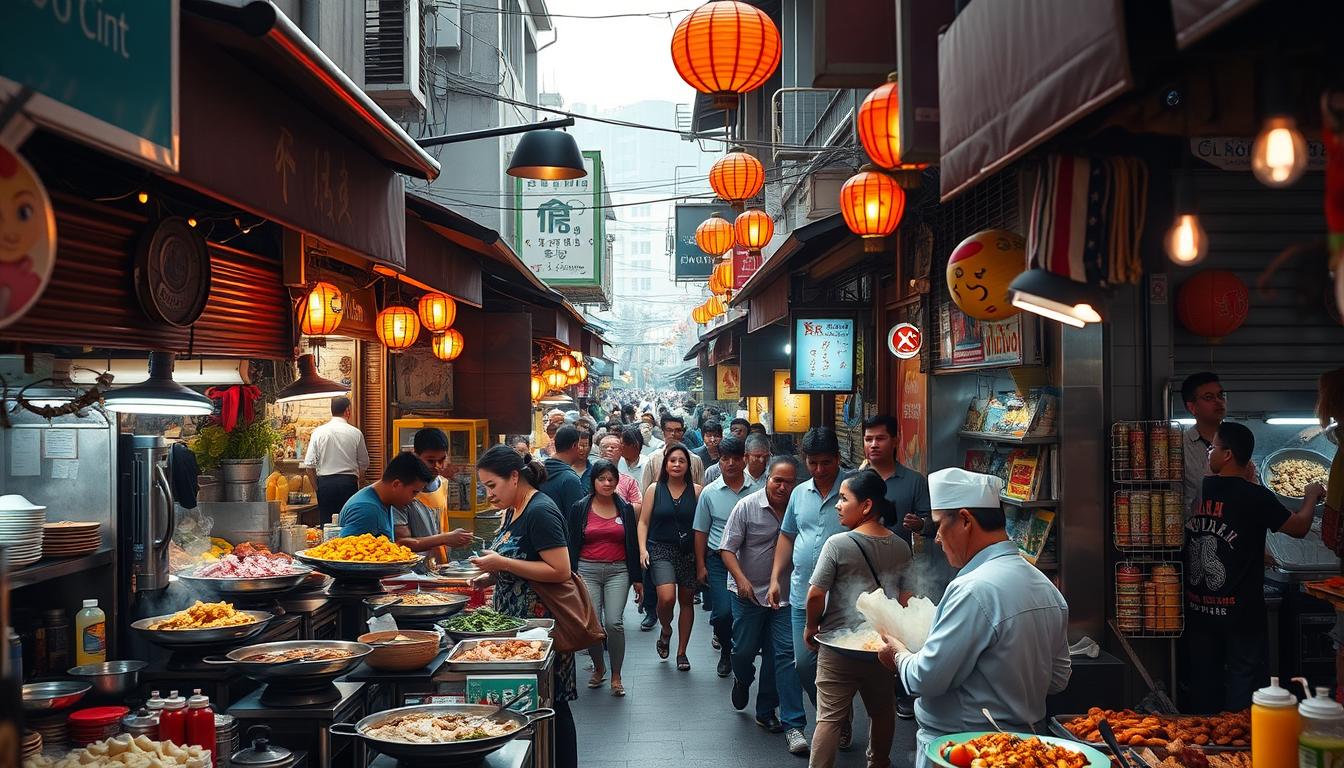
Markets in Asia are more than just places to eat—they’re cultural hubs. These bustling spaces offer a glimpse into local life, where flavors, aromas, and traditions blend seamlessly. Whether you’re in Bangkok or Luang Prabang, each market tells a unique story through its food and atmosphere.
Chatuchak Weekend Market, Bangkok
With over 15,000 stalls, Chatuchak is a paradise for food lovers. Here, you’ll find everything from mango sticky rice to Thai iced tea. The variety is unmatched, making it a must-visit for anyone exploring Bangkok’s culinary scene.
Ben Thanh Market, Ho Chi Minh City
Ben Thanh is a morning hotspot, known for its fresh spring rolls and banh mi. The energy here is infectious, with vendors calling out to passersby. It’s a perfect spot to immerse yourself in Vietnam’s vibrant food culture.
Jalan Alor, Kuala Lumpur
Jalan Alor comes alive at night, offering dishes like chili crab and sugarcane juice. This nocturnal market is a favorite among locals and tourists alike. The lively atmosphere makes it an unforgettable experience.
Luang Prabang Night Market, Laos
Luang Prabang’s night market is a blend of food and culture. Alongside lemongrass sausages, you’ll find handwoven textiles and local crafts. It’s a serene yet vibrant spot, perfect for a leisurely evening.
| Market | Location | Highlights |
|---|---|---|
| Chatuchak Weekend Market | Bangkok, Thailand | Mango sticky rice, Thai iced tea |
| Ben Thanh Market | Ho Chi Minh City, Vietnam | Banh mi, fresh spring rolls |
| Jalan Alor | Kuala Lumpur, Malaysia | Chili crab, sugarcane juice |
| Luang Prabang Night Market | Luang Prabang, Laos | Lemongrass sausages, handwoven textiles |
Guided Food Tours: Your Gateway to Authentic Flavors
Exploring Asia’s culinary treasures is easier with guided food tours. These tours offer a unique way to discover hidden gems and savor authentic dishes. Whether you’re in Bangkok or Hanoi, local guides provide insights that elevate your experience.
Bangkok Backstreets Food Tour
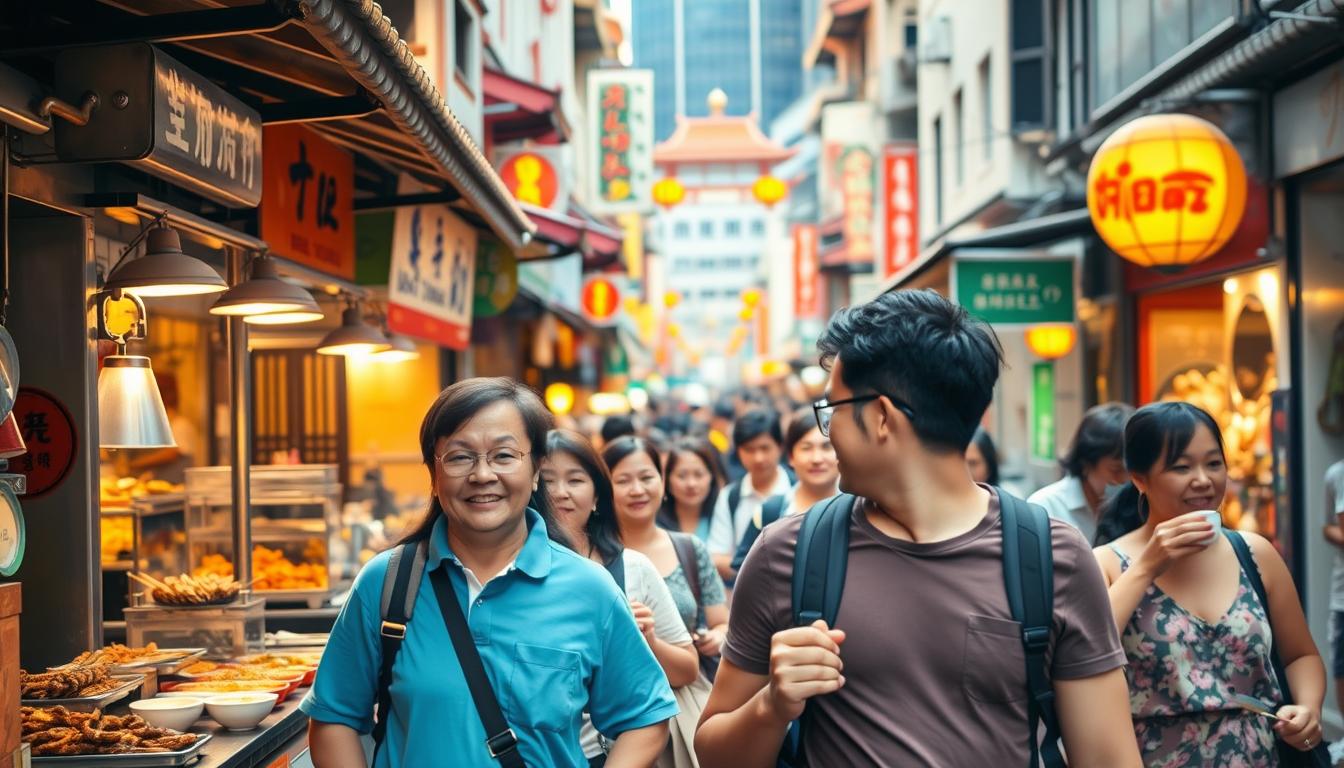
The Bangkok Backstreets food tour is a favorite among travelers. Noah K. praises its “hole-in-the-wall finds,” and over 12,000 guests have rated it 4.5/5. For $59, you’ll explore hidden spots and taste dishes like grilled prawns and coconut pancakes.
Chiang Mai Food Tour by Truck
Chiang Mai’s truck tour is a culinary adventure. In just four hours, you’ll sample 20 dishes, including unique offerings like raw pigs’ blood soup. This tour is perfect for those eager to dive into Northern Thailand’s flavors.
Hanoi Street Food Tour with a Chef
Hanoi’s chef-led food tour is a must for foodies. Dive into four bustling markets and enjoy dishes like vegan cao lau. Time Out calls it a top pick for an authentic Vietnamese experience.
Kuala Lumpur Night Market Tour
Kuala Lumpur’s night market tour takes you to Sabang Street. Here, you’ll try fried tempeh and sambal, guided by locals. It’s a vibrant way to experience Malaysia’s diverse culinary scene.
Street Food Etiquette: Tips for First-Time Visitors
Navigating Asia’s bustling markets can be an exciting yet overwhelming experience for first-time visitors. Understanding the unspoken rules of street food etiquette ensures a seamless and enjoyable journey. From ordering like a local to respecting hygiene practices, these tips will help you dive into the culture with confidence.
How to Order Like a Local
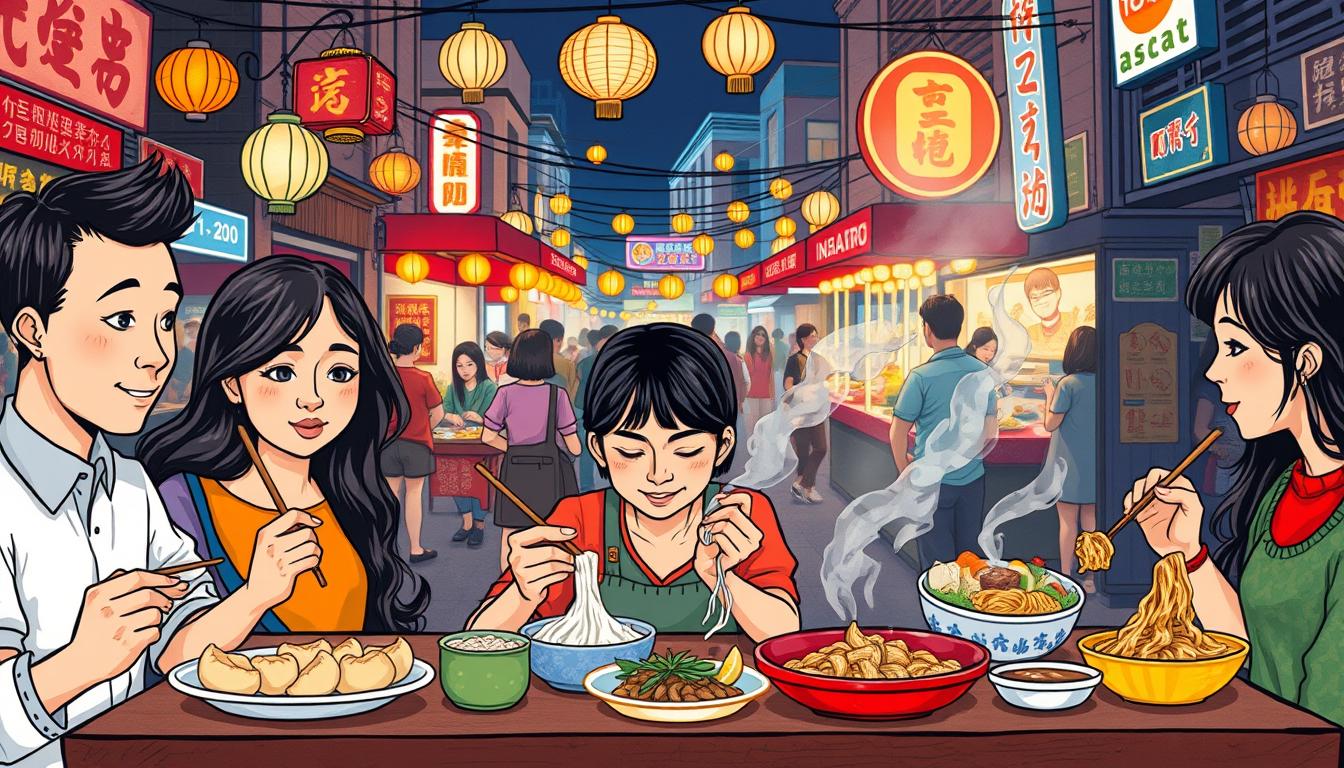
Ordering at a street stall can feel intimidating, but a few simple tricks make it easier. Use hand gestures and learn key phrases like “pet nit noi” (less spicy in Thai) to communicate your preferences. Observing how locals order can also provide valuable knowledge.
Many stalls operate on a cash-only basis, so keep small bills handy. Respect queues and avoid lingering too long at busy spots. These small gestures show respect for the street food vendors and their routines.
Understanding Street Food Hygiene
Hygiene is a common concern for foodies exploring street stalls. Look for clean stalls with high turnover rates, as this indicates fresh ingredients. Vendors who handle food with gloves or tongs often follow better practices.
Trust your instincts—if something feels off, move on. Many stalls display their hygiene certificates, so keep an eye out for these. Staying cautious ensures a safe and enjoyable experience.
Navigating Language Barriers
Language barriers can be challenging, but they’re easy to overcome. Download translation apps or join guided tours like Indie Singapore’s Geylang tour for seamless communication. Learning a few basic phrases in the local language also goes a long way.
Pointing at menu items or using pictures can help bridge the gap. Many vendors are patient and willing to assist, so don’t hesitate to ask for help. These strategies make ordering stress-free and fun.
| Tip | Action | Benefit |
|---|---|---|
| Ordering | Use hand gestures, learn key phrases | Communicate preferences clearly |
| Hygiene | Observe turnover rates, check certificates | Ensure safe eating practices |
| Language | Download apps, join guided tours | Overcome communication barriers |
The Role of Street Food in Asian Culture
Street food in Asia is more than just a meal—it’s a window into the heart of local traditions. From bustling night markets to quiet alleys, every bite tells a story of culture and community. This culinary scene is deeply intertwined with daily life, offering a unique way to experience the region’s rich history.
Street Food as a Social Experience
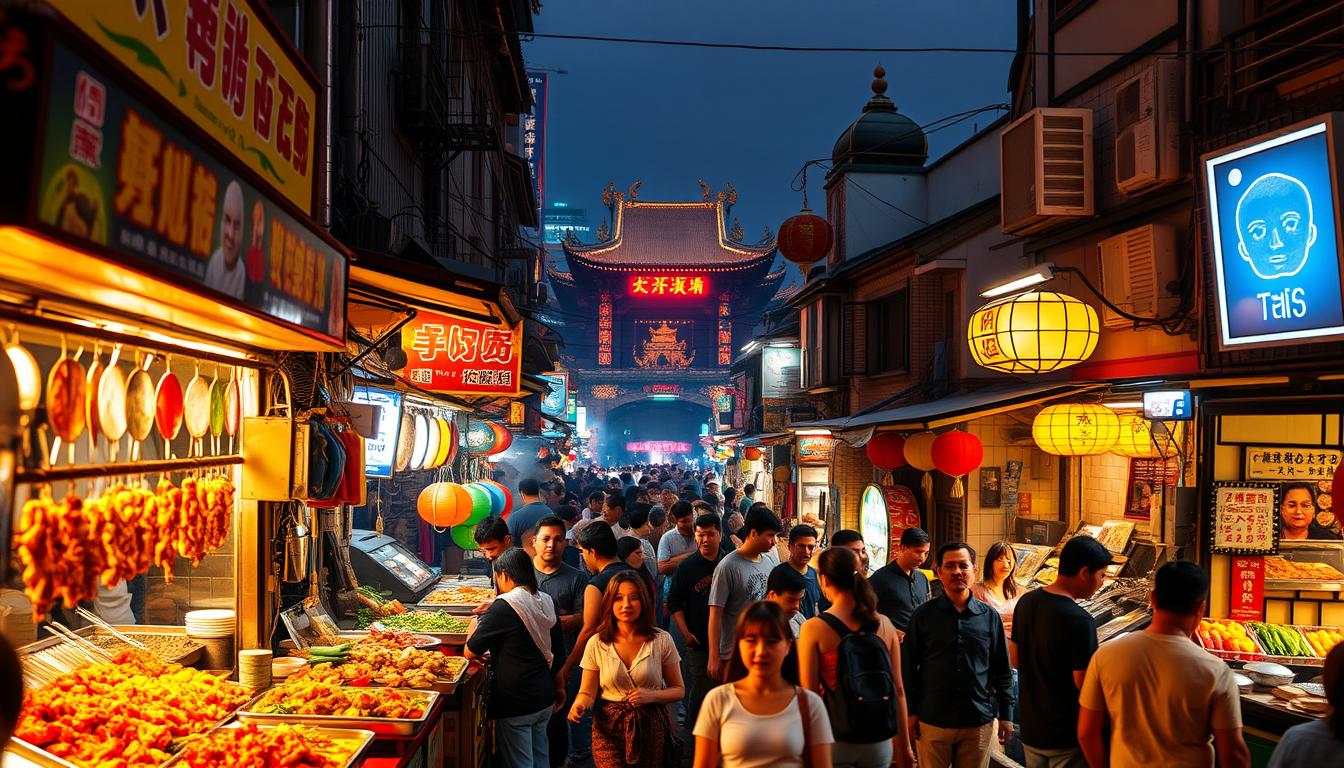
In Asia, street food brings people together. Families gather at night markets like Taipei’s Shilin, sharing skewers and laughter. These communal spaces foster connections, reflecting the region’s emphasis on social bonds.
Vendors often become familiar faces, creating a sense of belonging. Whether it’s a quick snack or a full meal, the experience is about more than just food—it’s about shared moments.
The History Behind Popular Dishes
Many dishes have fascinating origins. Pho, for example, traces its roots to French colonial influence in Vietnam. UnTour’s Beijing breakfast tour highlights 5,000-year-old recipes, showcasing the enduring legacy of these flavors.
Gastro Tour Seoul explores royal Joseon cuisine, revealing how ancient recipes have evolved. Each dish carries a piece of history, making every bite a journey through time.
Street Food Festivals and Events
Festivals celebrate the vibrant food culture of Asia. Thailand’s Vegetarian Festival features meat-free dishes, while Singapore’s Hawker Fest honors local hawker traditions. These events highlight the creativity and diversity of street food.
Attending a festival is a great way to immerse yourself in the local culture. From live cooking demonstrations to cultural performances, these events offer a feast for all senses.
| Festival | Location | Highlights |
|---|---|---|
| Vegetarian Festival | Thailand | Meat-free dishes, cultural rituals |
| Hawker Fest | Singapore | Local hawker dishes, live cooking |
| Night Market Fest | Taiwan | Skewers, desserts, family activities |
Hidden Gems: Off-the-Beaten-Path Street Food Spots
Beyond the bustling markets, Asia hides culinary treasures waiting to be discovered. For adventurous foodies, these lesser-known spots offer a chance to savor authentic flavors away from the crowds. From historic towns to serene routes, each location tells a unique story through its dishes.
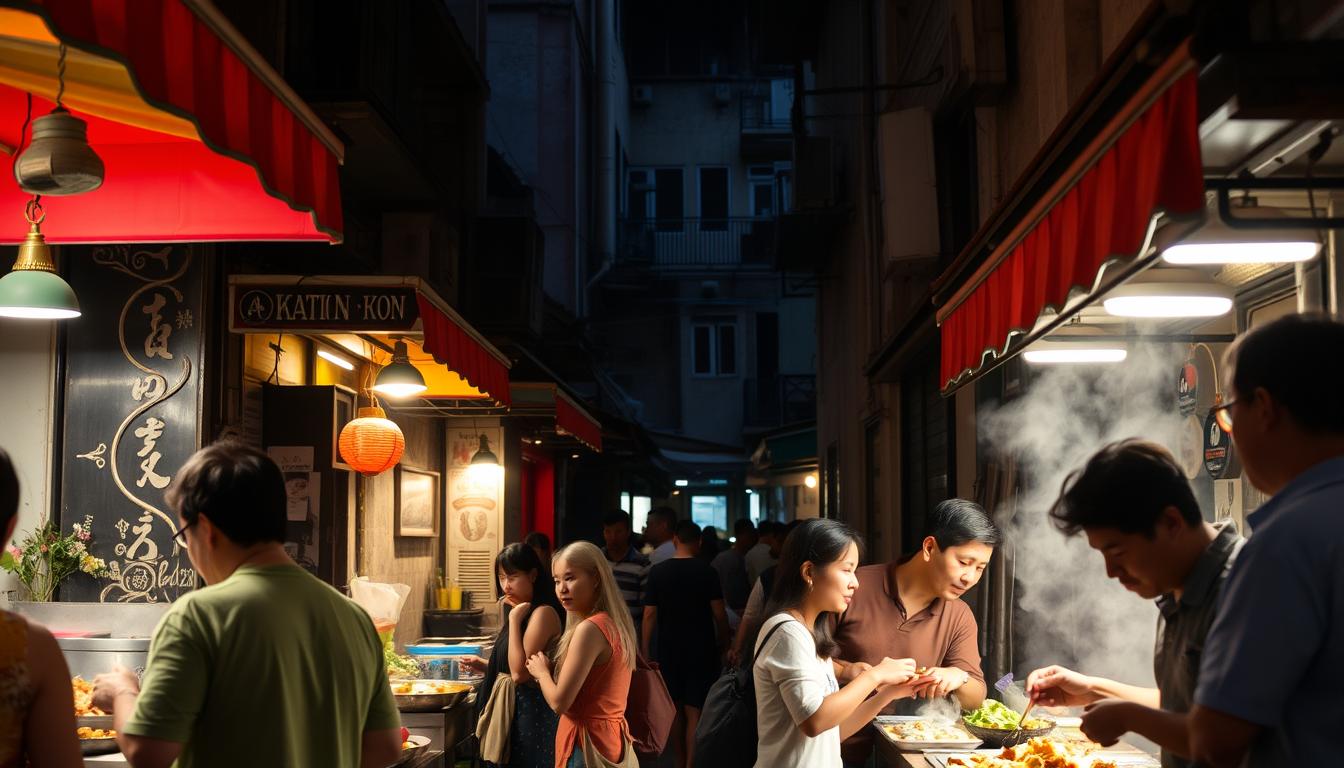
Old Phuket Town’s Secret Eateries
Old Phuket Town is a blend of history and flavor. Sino-Portuguese shophouses line the streets, serving dishes like Hokkien noodles. A Chef’s Tour’s Phuket Old Town Tour, praised by Deesy for “sampling like a local,” is a must for $59. This town offers a mix of culture and cuisine, making it a favorite among foodies.
Luang Prabang’s Hidden Delicacies
Luang Prabang is known for its serene mornings and vibrant alms-giving routes. Sticky rice vendors line these paths, offering a taste of local traditions. This city’s sights and flavors create a peaceful yet enriching experience for visitors.
Penang’s Lesser-Known Hawker Stalls
Penang’s Armenian Street is a treasure trove of hidden stalls. Beyond the tourist zones, you’ll find cendol, a refreshing dessert made with coconut milk and palm sugar. These spots are perfect for those seeking authentic flavors without the crowds.
| Location | Must-Try Dishes | Experience |
|---|---|---|
| Old Phuket Town | Hokkien noodles | Sino-Portuguese shophouses |
| Luang Prabang | Sticky rice | Alms-giving routes |
| Penang | Cendol | Armenian Street stalls |
Street Food and Sustainability
Sustainability is becoming a key focus in Asia’s culinary landscape. From eco-friendly packaging to waste reduction, vendors are adopting practices that benefit both the environment and the community. This shift reflects a growing awareness of the need to preserve resources while celebrating the culture of street food.
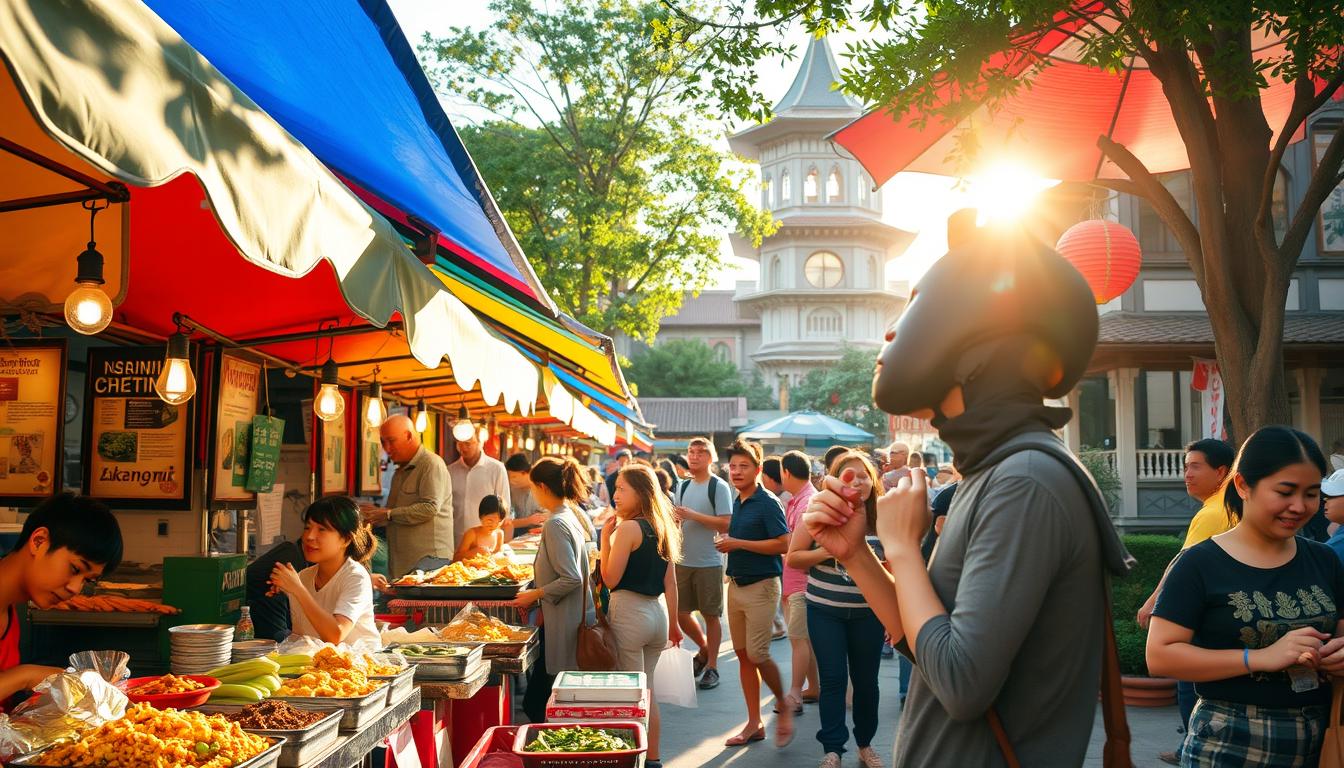
Eco-Friendly Practices in Street Food
Many vendors are ditching plastic for natural alternatives. In Bali and Chiang Mai, banana leaves are commonly used to wrap dishes. This not only reduces waste but also adds a traditional touch to the experience.
Some markets are also adopting reusable utensils and biodegradable containers. These small changes make a big impact, showcasing how innovation can coexist with tradition.
Supporting Local Vendors
Choosing family-run stalls helps sustain local economies. Tours like A Chef’s Tour prioritize partnerships with these vendors, offering an authentic variety of dishes. By supporting small businesses, travelers contribute to the preservation of culinary heritage.
Many vendors rely on these partnerships to thrive, making it a win-win for both visitors and locals.
Reducing Food Waste in Street Food Culture
Initiatives like Bangkok’s “Too Good to Go” are tackling food waste head-on. This program rescues unsold market items, ensuring they don’t go to waste. Such efforts highlight the world of possibilities when communities come together.
Vendors are also finding creative ways to repurpose leftovers, turning potential waste into delicious new dishes. These practices not only reduce waste but also inspire others to follow suit.
Street Food Adventures: A Journey for the Senses
Every corner of Asia’s markets offers a sensory journey like no other. From the smoky aroma of sizzling skewers to the vibrant colors of rainbow-hued desserts, these experiences awaken your taste buds and ignite your curiosity. It’s not just about eating—it’s about immersing yourself in the variety of flavors, sounds, and sights that define these bustling hubs.
The Aromas of Asian Street Food
Step into Kuala Lumpur’s Jalan Alor, and the scent of charcoal-grilled satay fills the air. In Hanoi, the pungent aroma of fermented shrimp paste lingers around every corner. These distinct smells are a testament to the variety of culinary traditions across the region. For any foodie, these aromas are an invitation to explore.
The Sounds of Bustling Markets
At Bangkok’s Chatuchak Market, the sizzle of woks blends with the chatter of vendors. In Saigon, the honking of motorbikes adds a rhythmic backdrop to the lively atmosphere. These sounds create a symphony that brings the experience to life. As Time Out describes Jakarta’s Sabang Street, it’s a “flavourful assault on the senses.”
The Visual Feast of Street Food Stalls
Luang Prabang’s Night Market is a kaleidoscope of colors. Rainbow-hued desserts and handwoven textiles line the stalls, offering a feast for the eyes. These sights are as captivating as the flavors, making every visit a memorable experience.
Conclusion: Embark on Your Street Food Adventure
Your journey into Asia’s culinary wonders begins with a single bite. For an authentic experience, consider joining a guided tour. Over 12,000 guests have praised A Chef’s Tour for uncovering hidden gems and sharing local stories. These guides ensure you savor the best flavors while learning about traditions.
Don’t shy away from bold dishes like Chiang Mai’s raw pigs’ blood soup. Trying something new adds excitement to your journey. Curated tours, such as Bangkok Midnight or Hoi An Vegan, offer carefully crafted experiences that cater to all tastes.
Ready to explore? Book a tour today and dive into the vibrant world of Asia’s street food. Your adventure awaits!
FAQ
What makes Asia a street food paradise?
Asia is known for its vibrant markets, diverse flavors, and affordable dishes. From spicy curries to savory noodles, every corner offers something unique. The variety and accessibility make it a haven for food lovers.
Which cities are best for street food adventures?
Bangkok, Chiang Mai, Hanoi, and Kuala Lumpur are top picks. Each city boasts its own specialties, from Thai pad Thai to Vietnamese pho and Malaysian satay.
What are some must-try dishes?
Don’t miss pad Thai from Thailand, pho from Vietnam, satay from Malaysia, and khao soi from Northern Thailand. These iconic dishes showcase the region’s rich culinary heritage.
Are guided food tours worth it?
Absolutely! Tours like the Bangkok Backstreets Food Tour or Hanoi Street Food Tour with a chef offer insider knowledge and access to hidden gems. They’re perfect for first-time visitors.
How do I navigate street food hygiene?
Look for busy stalls with high turnover, as fresh ingredients are key. Avoid raw items in hot climates and stick to cooked dishes. Carry hand sanitizer for extra peace of mind.
What’s the cultural significance of street food in Asia?
Street food is more than just a meal—it’s a social experience. It reflects local traditions, history, and community life. Festivals and markets often celebrate these culinary treasures.
Where can I find hidden street food spots?
Explore Old Phuket Town, Luang Prabang’s alleys, or Penang’s lesser-known hawker stalls. These off-the-beaten-path locations often serve the most authentic and unique dishes.
How can I support sustainability in street food culture?
Choose vendors who use eco-friendly practices, like reusable utensils. Support local businesses and avoid food waste by ordering only what you can finish.
What should I expect from a street food adventure?
Prepare for a sensory journey! The aromas of sizzling dishes, the sounds of bustling markets, and the colorful displays of stalls create an unforgettable experience.