Did you know that the National Road, built in the early 1800s, was the first federally funded highway in the U.S.? This iconic road connected the East Coast to the Midwest, shaping the history of America’s expansion. Roads like these are more than just paths—they’re gateways to the past.
From the Lincoln Highway to the National Road, these routes tell stories of people and progress. They were once essential for trade and migration. Today, they offer a nostalgic trip into the heart of the country’s heritage.
Road trips have evolved from practical necessities to beloved adventures. Early travelers faced challenges like unpaved roads and limited resources. Now, these same routes inspire modern explorers to connect with the past while enjoying the journey.
Key Takeaways
- Historic roads like the National Road played a key role in America’s growth.
- These routes connect modern travelers to pivotal moments in history.
- Road trips have transformed from utilitarian travel to nostalgic adventures.
- Early 20th-century challenges shaped today’s tourism trends.
- Historic roads blend engineering, natural beauty, and cultural significance.
Introduction to Historic Route Journeys
From horseback to high-speed trains, the way we move has changed dramatically. The development of transportation systems has not only reduced time but also made travel more accessible to everyone. Over the centuries, these advancements have reshaped how we explore the world.
In the 17th century, horseback was the primary mode of transportation, with speeds averaging 5-7 mph. By the 19th century, stagecoaches and macadam roads improved efficiency. The 20th century brought railways and bicycles, revolutionizing the system and reducing costs significantly.
“The democratization of travel began with bicycles in the 1890s and third-class rail fares, making exploration possible for the masses.”
Today, the spirit of adventure remains strong. In 2023, 79% of Americans took road trips, echoing the wanderlust of the early 20th century. These journeys are not just about getting from one place to another—they’re about connecting with the past and preserving cultural stories.
| Era | Mode of Transport | Speed (mph) | Cost (Labor-Hours) |
|---|---|---|---|
| 1680 | Horseback | 5-7 | High |
| 1830 | Stagecoach | 10-12 | Moderate |
| 1911 | Train/Bicycle | 40+ | Low |
These milestones highlight how infrastructure changes have shaped our world. From the National Road to the Hāna Highway, each route tells a story of innovation and cultural significance. Exploring these paths today offers a glimpse into the past while celebrating the era of progress.
The National Road: America’s First Federal Highway
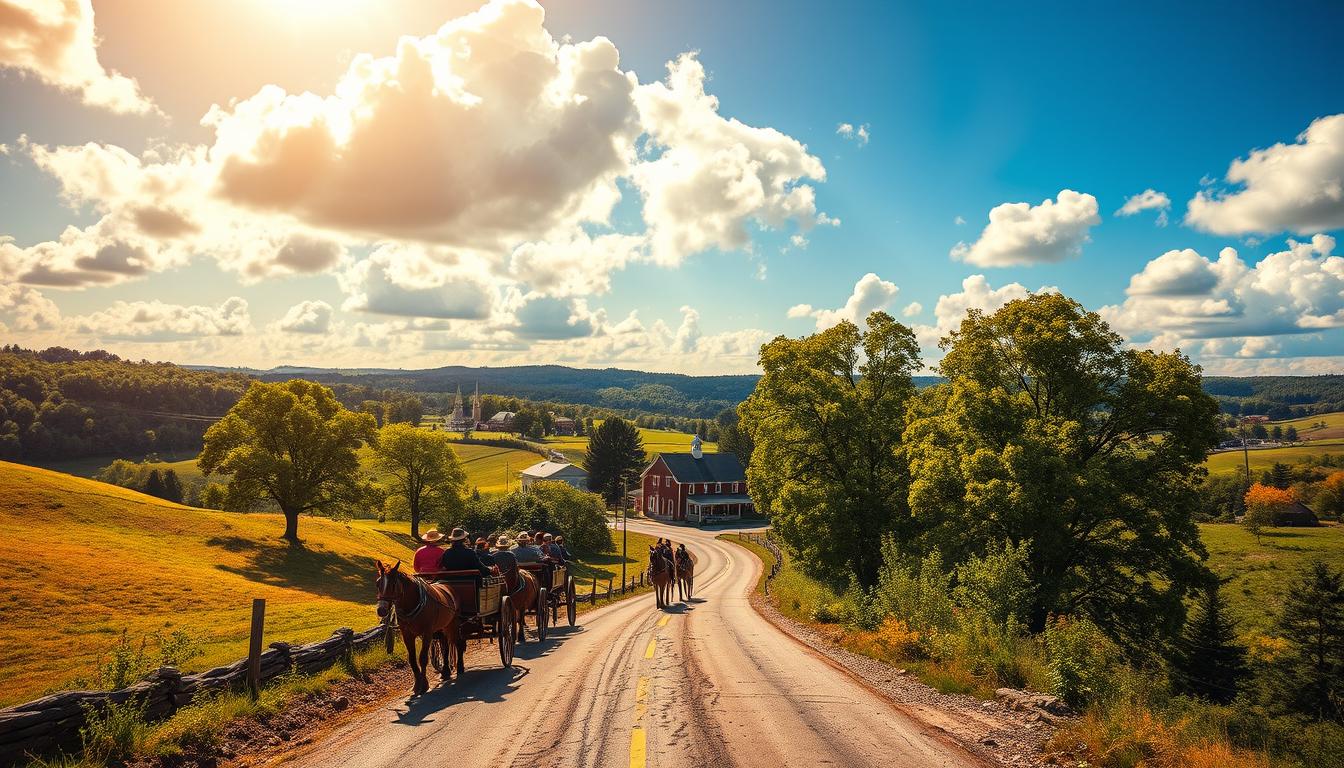
The National Road stands as a testament to America’s early infrastructure ambitions. Built in the early 1800s, it was the first federally funded highway in the U.S. This chain of roads connected the East Coast to the Midwest, playing a pivotal role in the nation’s growth.
The Origins of the National Road
Construction began in 1811, aiming to improve trade and migration. The road stretched from Cumberland, Maryland, to Vandalia, Illinois. It was a massive undertaking, requiring years of labor and innovation.
Early travelers faced challenges like unpaved paths and limited stations. Despite these hurdles, the National Road became a lifeline for commerce and communication. It symbolized progress and unity during a transformative era.
Historic Landmarks Along the Route
Today, the National Road is dotted with iconic places that tell its story. One standout is the Casselman Bridge, built in 1813. Once the longest stone arch bridge in the U.S., it remains a marvel of engineering.
Other must-see stops include Fort Necessity National Battlefield and Pennsylvania’s Searights Tollhouse. These sites offer views into the past and are popular with tourists. Brownsville’s Nemacolin Castle, a 19th-century trading post, is another highlight.
Note that some sites, like the LeMoyne House, may have seasonal closures. Planning your trips during off-peak hours can help avoid crowds.
“The National Road was more than a path—it was a gateway to the future.”
Exploring these landmarks today offers a unique journey into America’s heritage. From its dusty beginnings to its modern-day significance, the National Road remains a symbol of innovation and resilience.
Route 66: The Mother Road
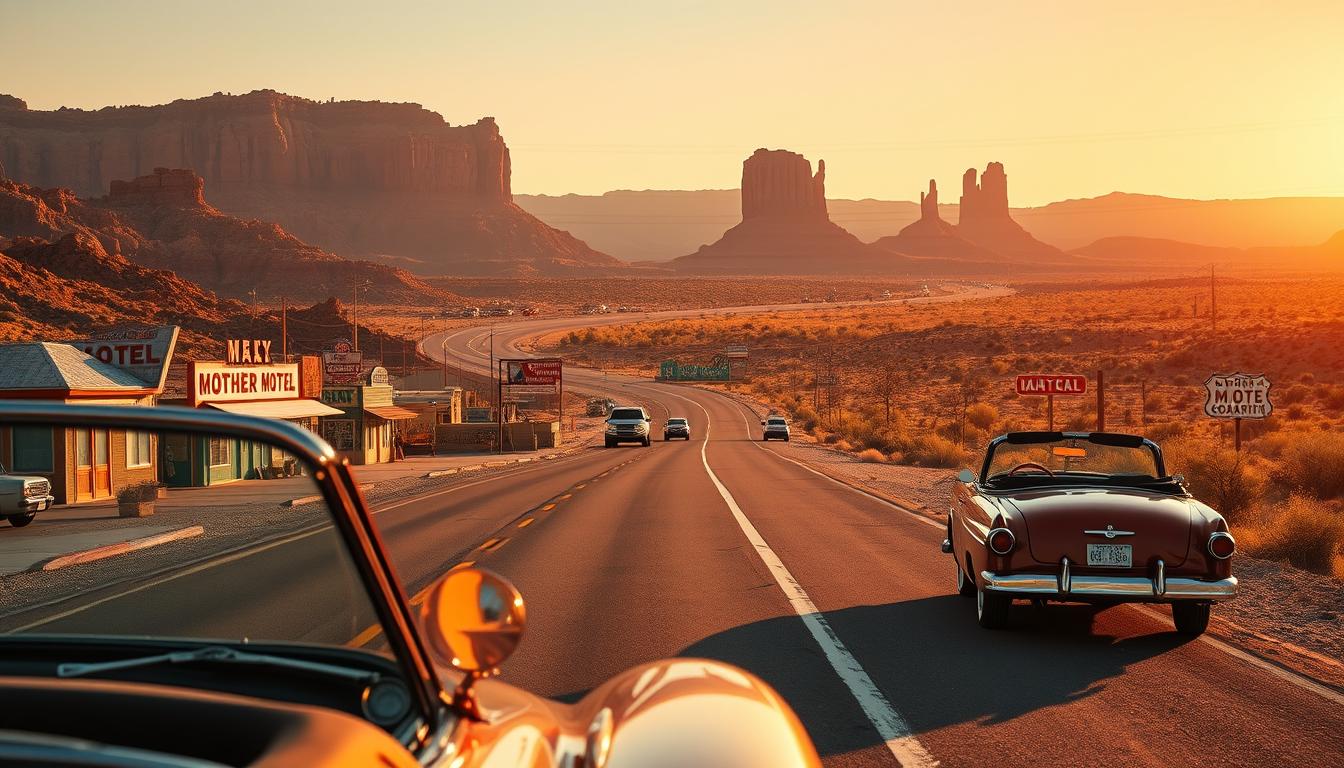
Route 66, often called the Mother Road, is a symbol of American freedom and adventure. Stretching over 2,400 miles, it connected Chicago to Santa Monica, becoming a lifeline for travelers in the early 20th century. This iconic road is more than just a path—it’s a cultural landmark.
The Rise and Fall of Route 66
Route 66 was established in 1926, offering a direct route for families moving west. It became a hub for gas stations, diners, and motels, creating a unique roadside culture. However, the rise of interstate highways in the 1950s led to its decline.
By the 1980s, many sections of Route 66 were bypassed or abandoned. Yet, its legacy lived on in songs, movies, and the hearts of those who traveled it. Today, efforts to preserve and restore the road keep its spirit alive.
Modern-Day Attractions Along Route 66
Route 66 is now a popular destination for tourists seeking nostalgia and adventure. Quirky stops like the Gemini Giant in Wilmington, IL, and the Blue Whale of Catoosa, OK, are must-see places. These landmarks offer a glimpse into the road’s vibrant past.
Preservation wins, like the 2022 restoration of Tucumcari’s Blue Swallow Motel, highlight the community’s dedication. Even as EV charging stations replace vintage gas pumps in towns like Kingman, AZ, the road’s charm remains intact.
“Route 66 is not just a road—it’s a journey through America’s heart and soul.”
| Aspect | Past | Present |
|---|---|---|
| Travel Time | Weeks | Days |
| Stops | Gas stations, diners | EV stations, preserved landmarks |
| Purpose | Migration, trade | Tourism, nostalgia |
Exploring Route 66 today is a trip into the past, offering stunning views and unforgettable things to see. Whether you’re driving a classic car or an EV, the Mother Road promises an adventure like no other.
The Lincoln Highway: Connecting Coast to Coast
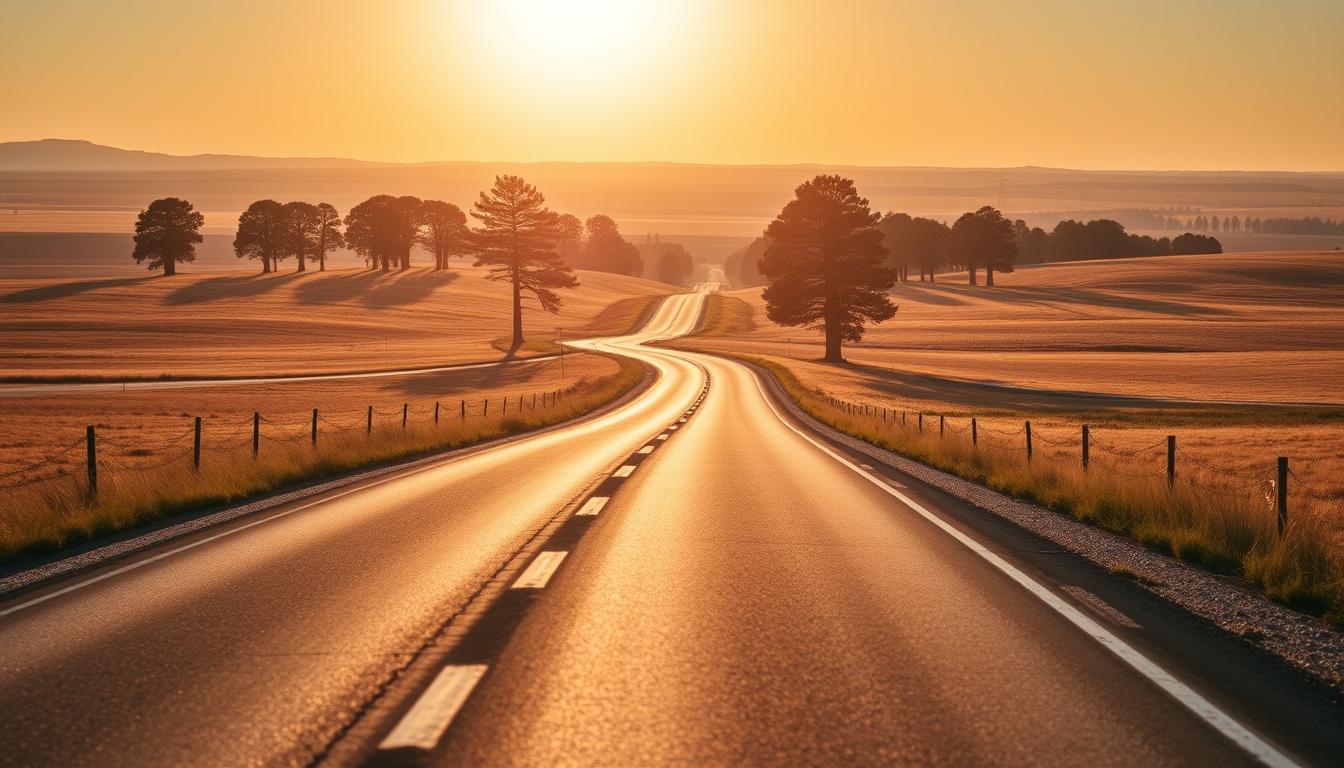
The Lincoln Highway was America’s first transcontinental road, connecting the East and West Coasts. Built in 1913, it stretched over 3,000 miles, offering a direct path for travelers and goods. This chain of roads became a symbol of innovation and unity during a transformative era.
The Vision Behind the Lincoln Highway
The idea for the Lincoln Highway came from Carl Fisher, who envisioned a road that would span the entire country. His goal was to improve gas station access and make long-distance travel easier. By 1916, experimental sections like Iowa’s Seedling Mile showcased advanced paving techniques.
This highway wasn’t just about convenience—it was about connecting places and people. It played a key role in shaping America’s transportation system, paving the way for future highways.
Key Stops Along the Lincoln Highway
Today, the Lincoln Highway is dotted with iconic things to see. In Wyoming, the Summit Restaurant, built in 1925, offers stunning views and a taste of the past. Nebraska’s “I-80 Retro Route” and Pennsylvania’s Lincoln Motor Court are preserved segments that capture the road’s charm.
For those planning a trip, detours like Donner Pass in California and Indiana Dunes National Park are worth the extra hours. These stops provide a mix of natural beauty and historical significance.
Modern updates, like EV charging stations in Cheyenne, WY, and Ely, NV, make the Lincoln Highway accessible for today’s travelers. Whether you’re driving a classic car or an electric vehicle, this road promises an unforgettable journey.
The Blue Ridge Parkway: A Scenic Journey
Stretching 469 miles, the Blue Ridge Parkway is a scenic wonder. This iconic drive winds through the Appalachian Mountains, offering stunning views and a deep connection to nature. In 2022, it welcomed 15.7 million visitors, making it one of the most popular public parks in the U.S.
Design and Construction of the Blue Ridge Parkway
The parkway was designed to blend seamlessly with its surroundings. One standout feature is the Linn Cove Viaduct, completed in 1987. This engineering marvel minimizes ecological impact while offering breathtaking views of the mountains.
Construction began in the 1930s as part of a New Deal project. The goal was to create a road that celebrated the region’s natural beauty. Today, it remains a testament to thoughtful design and preservation.
Natural Wonders Along the Parkway
The parkway is home to countless natural treasures. Fall foliage peaks in October, drawing visitors from across the country. Popular hikes include Crabtree Falls and the Rough Ridge Trail, both offering unforgettable things to see.
Accessibility is a priority, with wheelchair-friendly trails like Mabry Mill. Whether you’re planning a day trip or a longer adventure, the parkway has something for everyone. EV charging stations along the route make it easy for modern travelers to explore.
“The Blue Ridge Parkway is more than a road—it’s a journey through the heart of America’s natural beauty.”
California’s Route 1: The Pacific Coast Highway
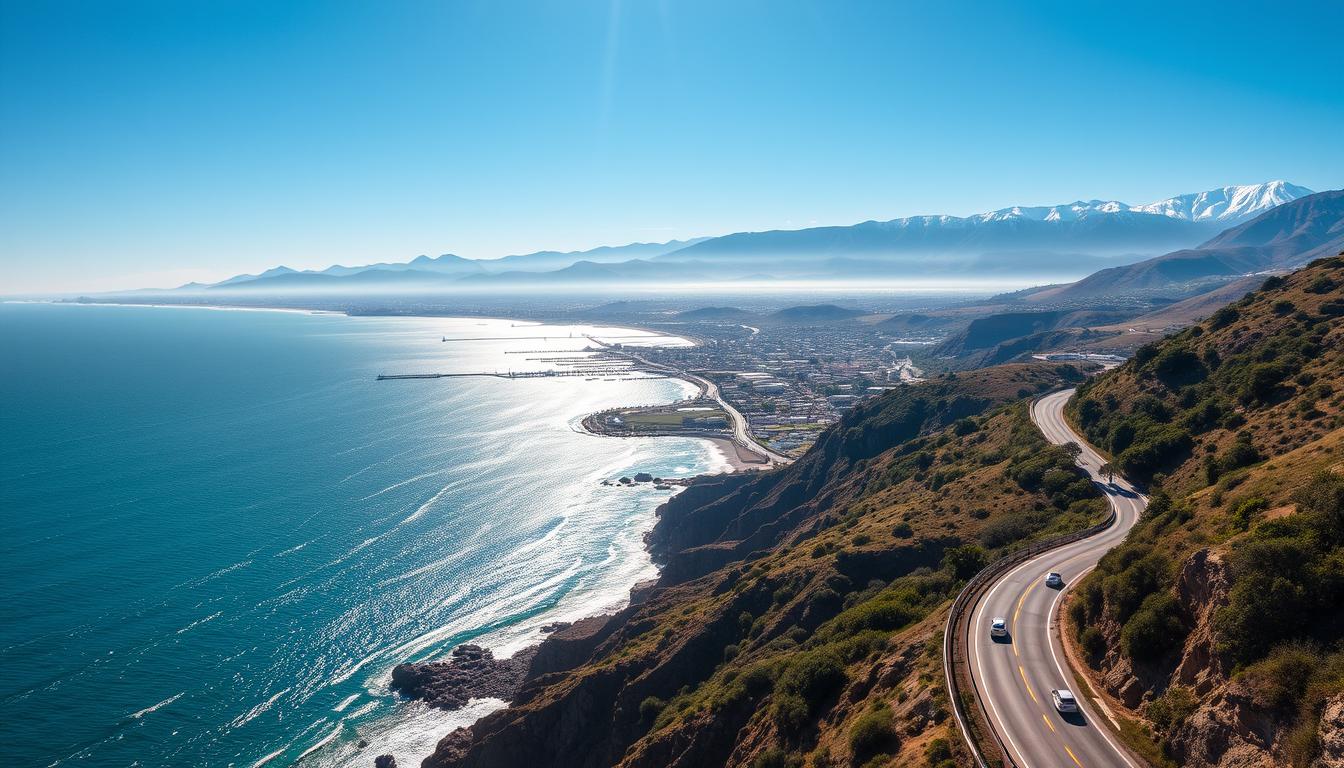
California’s Route 1, also known as the Pacific Coast Highway, is a marvel of engineering and natural beauty. Stretching over 650 miles, it offers some of the most stunning views in the United States. This iconic drive is a must for anyone planning a trip along the West Coast.
The Engineering Feat of Route 1
Building Route 1 was no small task. The highway winds along steep cliffs and rugged coastline, requiring innovative engineering solutions. One of the most impressive sections is the Bixby Bridge, a concrete arch bridge that has become a symbol of the chain of roads.
Today, the highway remains a testament to human ingenuity. However, challenges like landslides near Lucia in 2023 remind us of the ongoing efforts to maintain this iconic route.
Must-See Stops Along the Pacific Coast Highway
Route 1 is dotted with unforgettable places. Big Sur’s Pfeiffer Beach, with its purple sand and dramatic rock formations, is a favorite among tourists. Hearst Castle, a historic mansion in San Simeon, offers a glimpse into California’s opulent past.
For those with extra hours, detours like the 17-Mile Drive and Monterey Bay Aquarium are worth the time. These stops add even more things to see and do along the way.
“Driving the Pacific Coast Highway is like stepping into a postcard—every turn reveals something new and breathtaking.”
Whether you’re exploring today or planning for the future, Route 1 promises an adventure filled with natural wonders and iconic landmarks.
The Hāna Highway: A Journey Through Maui
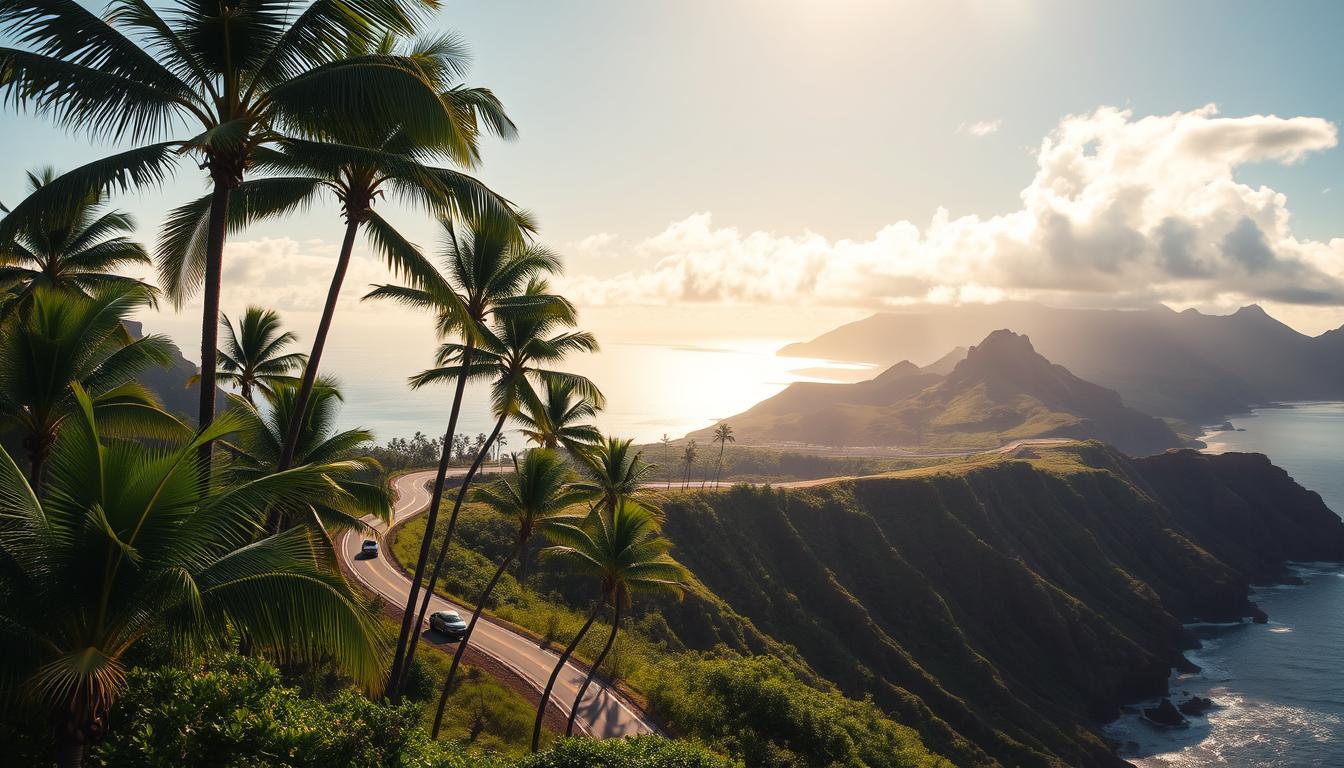
Winding through Maui’s eastern coast, the Hāna Highway is a scenic masterpiece. This 64.4-mile drive offers stunning views of waterfalls, cliffs, and lush rainforests. It’s a trip that immerses you in the island’s natural beauty and rich culture.
The History of the Hāna Highway
Built in the early 20th century, the Hāna Highway was designed to connect isolated communities. Its construction was a feat of engineering, with over 600 curves and 59 bridges. Many of these bridges are single-lane, adding to the highway’s unique charm.
Today, the highway is a popular destination for tourists and locals alike. It’s a testament to Maui’s resilience and a reminder of the island’s deep connection to nature.
Cultural and Natural Highlights Along the Route
The Hāna Highway is dotted with must-see places. Kaumahina State Wayside offers panoramic views of the coastline. Pua’a Ka’a State Wayside features a refreshing waterfall and picnic area. Wailua Valley State Wayside provides a glimpse of the island’s volcanic history.
For a deeper cultural experience, visit the Ke’anae Peninsula. Its 16th-century taro terraces are a living testament to Hawaiian agriculture. Note that the Hāna Cultural Center & Museum is temporarily closed, so plan accordingly.
“The Hāna Highway is more than a drive—it’s a journey into the heart of Maui.”
| Stop | Highlights |
|---|---|
| Kaumahina State Wayside | Coastal views, restrooms |
| Pua’a Ka’a State Wayside | Waterfall, picnic area |
| Wailua Valley State Wayside | Volcanic landscapes |
Respect for locals is key. Pull over only at designated lots to avoid blocking traffic. Whether you’re driving for a few hours or spending the day, the Hāna Highway promises unforgettable things to see and do.
Montana’s Route 2: The Hi-Line
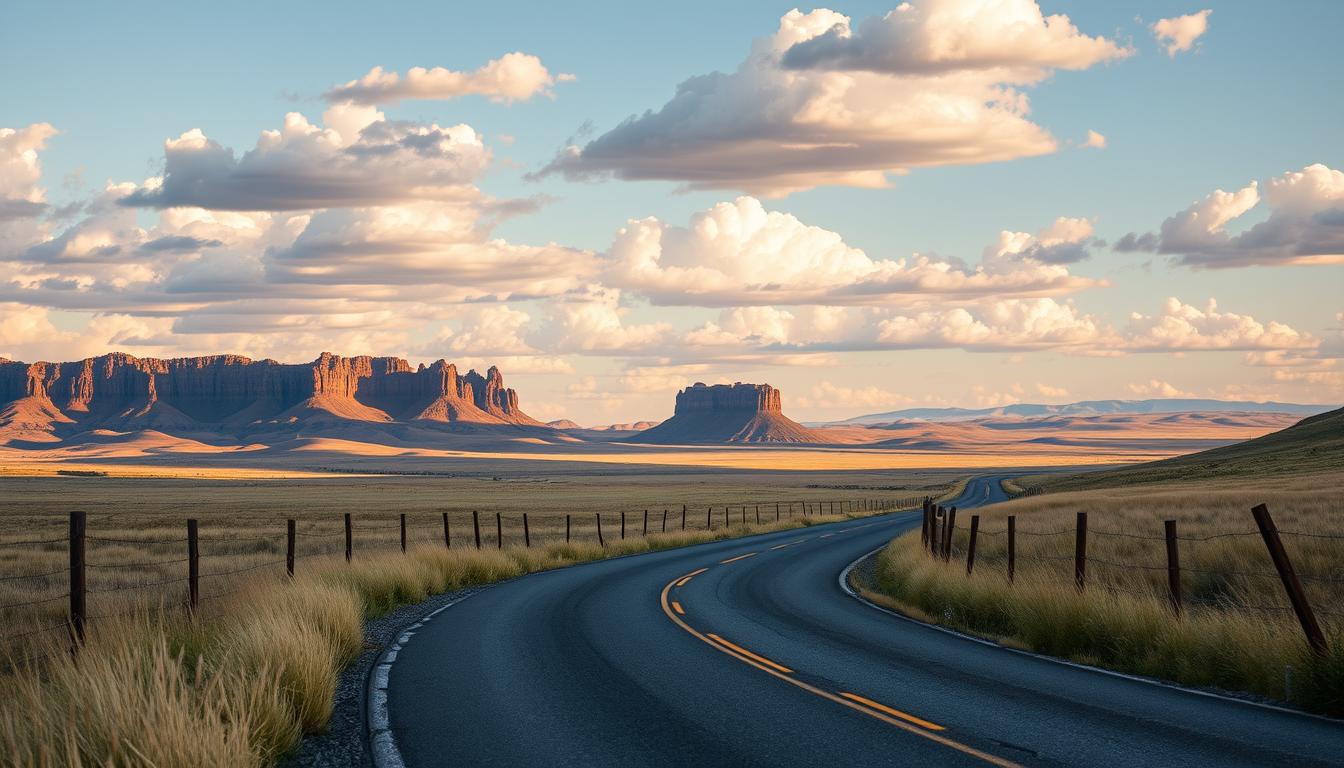
Montana’s Route 2, known as the Hi-Line, offers a unique glimpse into the state’s vast landscapes and history. This chain of roads stretches over 600 miles, connecting small towns and showcasing the beauty of the northern plains. It’s a trip that combines natural wonders with cultural heritage.
The Development of Route 2
Route 2 was established in the early 20th century, serving as a vital link for communities across Montana. It was designed to improve access to stations and resources, making it easier for residents and tourists to explore the region. Over time, it became a symbol of Montana’s resilience and connection to the land.
Unique Attractions Along the Hi-Line
The Hi-Line is home to several must-see places. Wahkpa Chu’gn Buffalo Jump near Havre offers a fascinating look into Native American history. The Havre Beneath the Streets tours take visitors underground to explore a hidden world of shops and tunnels from the early 1900s.
Other recommended stops include the Museum of the Plains Indian in Browning and Glasgow’s Valley County Pioneer Museum. These things provide a deeper understanding of the region’s past and its people.
For those planning a trip, note that Going-to-the-Sun Road is accessible only from June to October. This seasonal route offers stunning views of Glacier National Park and is worth the extra hours of travel.
“The Hi-Line is more than a road—it’s a journey through Montana’s heart and soul.”
The Selma to Montgomery National Historic Trail
The Selma to Montgomery National Historic Trail is a powerful reminder of America’s fight for equality. This 54-mile chain of roads marks the path of the 1965 Voting Rights March, a turning point in the Civil Rights Movement. Today, it stands as a testament to courage and determination.
The Civil Rights Movement and the Selma to Montgomery March
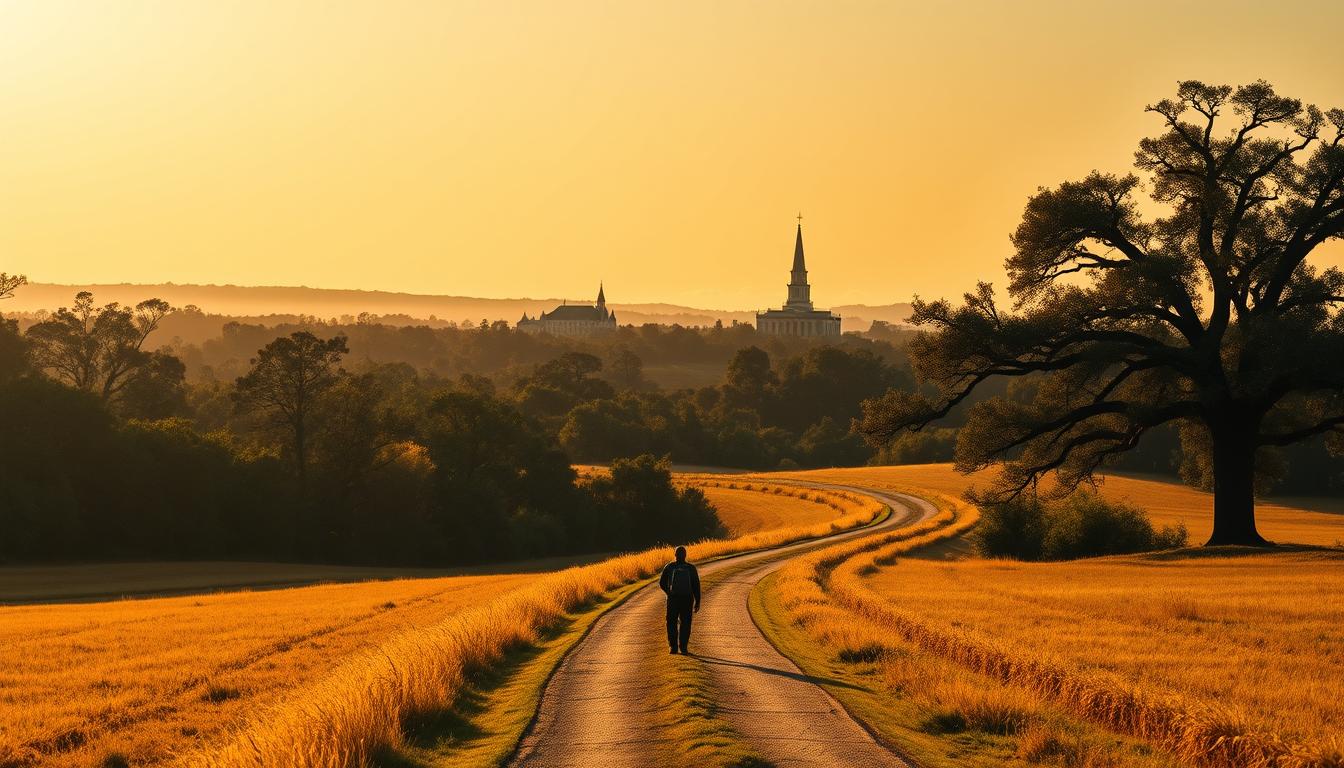
The march was a response to systemic racism and voter suppression. Led by figures like Dr. Martin Luther King Jr., it drew national attention to the struggle for voting rights. The Edmund Pettus Bridge, where marchers faced violence on “Bloody Sunday,” became a symbol of resilience.
In 2023, preservation grants were awarded to restore the bridge, ensuring its legacy endures. This site, along with others along the trail, offers a glimpse into a transformative era.
Key Sites Along the Trail
Visitors can explore several significant places. Brown Chapel AME Church in Selma served as a gathering point for marchers. The National Voting Rights Museum nearby provides deeper insights into the movement’s history.
Interpretive centers in Selma, Lowndes County, and Montgomery offer educational exhibits. These things make the trail a must-visit for anyone interested in American history.
“The Selma to Montgomery Trail is more than a path—it’s a journey through the heart of America’s struggle for justice.”
Planning a trip? Note that campsites along the trail are set to open in 2025 for the 60th anniversary. Whether you’re visiting today or in the future, this trail promises a meaningful experience.
Going-to-the-Sun Road: A Scenic Marvel in Glacier National Park
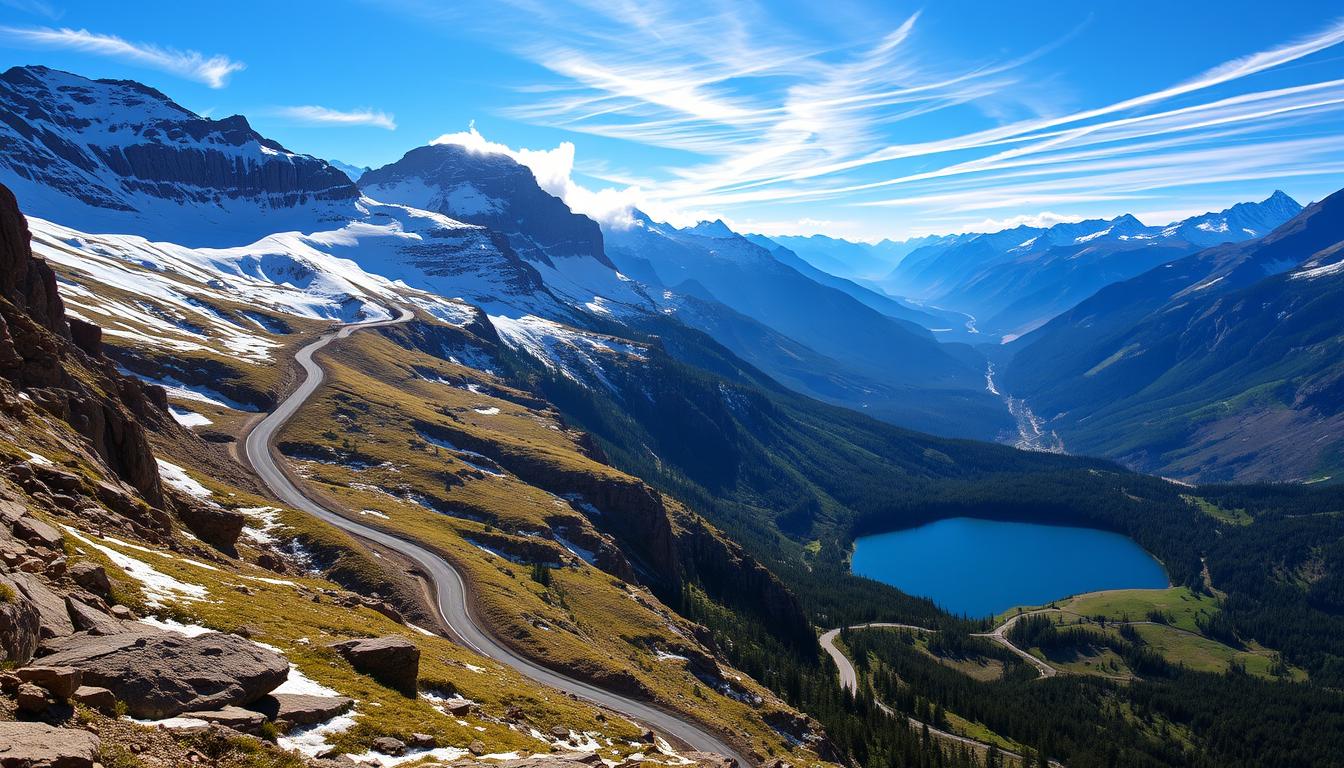
Glacier National Park’s Going-to-the-Sun Road is a breathtaking drive through rugged mountains and pristine landscapes. Spanning 50 miles, this iconic road offers stunning views and a deep connection to nature. It’s a must-see for anyone planning a trip to Montana.
The Construction of Going-to-the-Sun Road
Built in the 1930s, Going-to-the-Sun Road was an engineering feat. Its design blends seamlessly with the park’s natural beauty, minimizing environmental impact. The road’s construction took years, with workers facing harsh conditions to complete this masterpiece.
Today, the road remains a testament to human ingenuity. The 2024 shuttle system has improved public access, reducing congestion and making it easier for visitors to explore. Shuttle stations are conveniently located along the route, ensuring a smooth experience.
Natural Beauty and Wildlife Along the Road
Going-to-the-Sun Road is home to some of the most stunning things to see in Glacier National Park. From the crystal-clear waters of Lake McDonald to the dramatic Weeping Wall, every turn offers a new wonder. Hidden Lake Overlook is another highlight, providing panoramic views of the surrounding mountains.
Wildlife is abundant here, with grizzly sightings being common. However, trail closures due to bear activity are frequent from July to September. Visitors are advised to check updates before planning their trip.
“Going-to-the-Sun Road is more than a drive—it’s an immersion into the heart of nature.”
| Stop | Highlights |
|---|---|
| Lake McDonald | Crystal-clear waters, picnic areas |
| Weeping Wall | Dramatic waterfalls, photo opportunities |
| Hidden Lake Overlook | Panoramic mountain views |
Planning your trip? The 2023 vehicle permit system ensures a seamless experience. Whether you’re visiting today or in the future, Going-to-the-Sun Road promises unforgettable things to see and do.
Historic Route Journeys: A Legacy of Exploration
America’s roads tell stories of innovation and connection. From the National Road to Route 66, these paths have shaped our world by bringing people together. They serve as living records of cultural exchange and technological progress.
Preserving these routes while adapting to modern needs presents unique challenges. The original National Road now parallels Interstate 40, showing how infrastructure evolves. Balancing history with progress remains crucial as we enter a new era of transportation.
Recent data shows growing interest in these landmarks. With 312 million national park visits in 2022, the appeal of scenic drives remains strong. New technologies like EV charging stations and virtual tours are changing how we experience these journeys.
“Our roads are more than pavement—they’re threads connecting America’s past to its future.”
Looking ahead, these routes will continue to adapt. From solar-powered rest stops to augmented reality guides, innovation will enhance our connection to nature and heritage. The roads that shaped our today will keep inspiring generations to come.
Conclusion: Traveling Through Time on Historic Routes
Exploring America’s iconic roads offers a unique way to connect with its rich past. These paths are more than just routes—they’re gateways to stories of progress and unity. From the Blue Ridge Parkway’s wheelchair-friendly trails to Selma’s interpretive centers, these journeys are accessible and educational for everyone.
Each trip along these roads brings people closer to the history that shaped our world. Whether it’s the scenic beauty of nature or the lessons of the past, there’s something for everyone to discover. Today, these routes continue to inspire, blending heritage with modern innovation.
Supporting preservation efforts, like those by the National Trust, ensures these roads remain a part of our future. By visiting and learning, we honor the way these paths have connected people and places. Start your journey today and experience the legacy of America’s iconic roads.
FAQ
What is the National Road, and why is it significant?
The National Road was America’s first federally funded highway, built in the early 1800s. It connected the East Coast to the Midwest, playing a crucial role in westward expansion and economic growth.
Why is Route 66 called "The Mother Road"?
Route 66 earned the nickname “The Mother Road” because it became a vital path for families migrating west during the Dust Bowl of the 1930s. It symbolizes hope and adventure for many travelers.
What makes the Lincoln Highway unique?
The Lincoln Highway was the first transcontinental road in the United States, stretching from New York to San Francisco. It was designed to connect the country and promote automobile travel.
What are the highlights of the Blue Ridge Parkway?
The Blue Ridge Parkway is famous for its stunning mountain views, lush forests, and serene landscapes. It’s a perfect drive for nature lovers and those seeking tranquility.
What are some must-see stops on California’s Route 1?
Along the Pacific Coast Highway, you’ll find iconic spots like Big Sur, the Bixby Creek Bridge, and Hearst Castle. Each offers breathtaking ocean views and unique experiences.
What makes the Hāna Highway special?
The Hāna Highway on Maui is known for its winding roads, lush rainforests, and cascading waterfalls. It’s a journey that showcases Hawaii’s natural beauty and cultural heritage.
What can I expect on Montana’s Route 2?
Montana’s Route 2, also known as the Hi-Line, offers wide-open spaces, small-town charm, and a glimpse into the state’s rugged history and landscapes.
What is the significance of the Selma to Montgomery National Historic Trail?
This trail commemorates the 1965 Selma to Montgomery marches, a pivotal moment in the Civil Rights Movement. It’s a powerful reminder of the fight for equality and justice.
What makes Going-to-the-Sun Road a must-visit?
Located in Glacier National Park, Going-to-the-Sun Road is renowned for its engineering marvels, alpine scenery, and opportunities to spot wildlife like bears and mountain goats.
How do these historic routes connect us to the past?
These roads and trails tell stories of America’s development, from westward expansion to civil rights struggles. Traveling them offers a chance to experience history firsthand.