
In 2023, the tourism industry created 22 million new jobs, showcasing its immense global impact. As the world recovers from the pandemic, there’s a growing demand for experiences that respect both the environment and local communities. This shift has brought nature-based travel into the spotlight, where protecting the planet and empowering people go hand in hand.
But is ethical ecotourism even possible? Challenges like flight emissions and greenwashing make it a complex question. As David Fennell, an expert in the field, puts it, “Ecotourism requires an ethic about conservation and animal welfare,” not just choosing the right destinations.
This article explores actionable strategies to align your travel habits with sustainability goals. From reducing your carbon footprint to supporting local economies, small changes can make a big difference for the world we share.
Key Takeaways
- Tourism created 22 million jobs in 2023, highlighting its global significance.
- Nature-based travel focuses on environmental protection and community empowerment.
- Post-pandemic tourism is seeing a rise in demand for ethical experiences.
- Ethical ecotourism faces challenges like flight emissions and greenwashing.
- Conservation and animal welfare are key principles of sustainable travel.
- Small changes in travel habits can have a big impact on the planet.
What is Eco Tourism?
The concept of ecotourism was first introduced in the 1970s as a way to balance travel and conservation. It’s more than just visiting natural areas; it’s about fostering a reciprocal relationship with destinations. This approach emphasizes sustainable development, ensuring that tourism benefits both the environment and local communities.

Ecotourism is often seen as an alternative to mass tourism. While traditional tourism can strain resources, ecotourism focuses on minimizing impact and maximizing benefits. It’s about making thoughtful choices that support conservation and cultural preservation.
Defining Eco Tourism
At its core, ecotourism is about responsible travel to natural areas. It aims to conserve the environment, sustain local communities, and educate travelers. Unlike conventional tourism, it prioritizes long-term sustainability over short-term gains.
There are two main approaches to ecotourism: the “hard path” and the “soft path.” The hard path involves high environmental commitment and often includes physically demanding activities like hiking or wildlife tracking. The soft path, on the other hand, focuses on moderate eco-efforts while maintaining comfort, such as staying in eco-friendly resorts.
| Approach | Key Features | Examples |
|---|---|---|
| Hard Path | High environmental commitment, physical activity | Wildlife safaris, mountain trekking |
| Soft Path | Moderate eco-efforts, comfort-focused | Eco-lodges, guided nature walks |
The Evolution of Eco Tourism
Ecotourism has evolved significantly since its inception. In the 1970s, it was primarily about conservation. Over time, it shifted to include community-focused models, recognizing the importance of empowering local populations.
However, not all nature-based travel is sustainable. Overcrowded hiking trails and deforestation, as seen in Mexico’s Riviera Maya, highlight the pitfalls of unsustainable practices. True ecotourism requires a commitment to protecting natural habitats and supporting local economies.
Why Sustainable Travel Matters
The world is waking up to the need for mindful travel practices that protect our planet. Tourism accounts for 8% of global carbon emissions, contributing significantly to climate change. This impact extends beyond emissions, affecting habitats and communities worldwide.

The Environmental Impact of Tourism
Mass tourism often leads to habitat loss and resource depletion. For example, Tulum’s mangrove forests have been destroyed to make way for resorts, while Santorini faces severe water shortages due to high visitor numbers. These issues highlight the urgent need for change.
Overcrowding also drives up housing prices, displacing local residents. In Mexico City, gentrification fueled by tourism has made it difficult for many to afford homes. These challenges underscore the importance of balancing tourism with preservation.
Benefits of Sustainable Travel
Adopting sustainable practices can protect cultural heritage and support local economies. By choosing eco-friendly options, travelers help create jobs and reduce strain on resources. This approach fosters a healthier relationship between visitors and destinations.
The UNWTO’s Global Code of Ethics for Tourism emphasizes the importance of responsible travel. Venice’s decision to ban cruise ships is a prime example of balancing tourism with environmental protection. Such measures ensure that future generations can enjoy these destinations.
| Issue | Impact | Solution |
|---|---|---|
| Habitat Loss | Destruction of natural areas like mangroves | Support conservation efforts |
| Resource Strain | Water shortages in tourist hotspots | Promote water-saving practices |
| Gentrification | Rising housing prices in popular cities | Encourage community-focused tourism |
“Sustainable travel is not just about reducing harm; it’s about creating positive change for both the environment and local communities.”
How to Travel Sustainably: Expert Tips
Traveling responsibly starts with mindful choices that benefit both the planet and its people. By focusing on eco-friendly practices, you can reduce your environmental impact while still enjoying unforgettable experiences. Here’s how to make your next trip more sustainable.
Choosing Eco-Friendly Destinations
Selecting the right destinations is the first step toward sustainable travel. Look for places with GSTC-certified accommodations, like Costa Rica’s rainforest lodges. These certifications ensure that your stay supports environmental conservation and local communities.
Traveling during off-peak seasons is another great way to reduce overcrowding. It also helps support local economies year-round. Less crowded destinations mean a better experience for you and less strain on the environment.
Reducing Carbon Emissions While Traveling
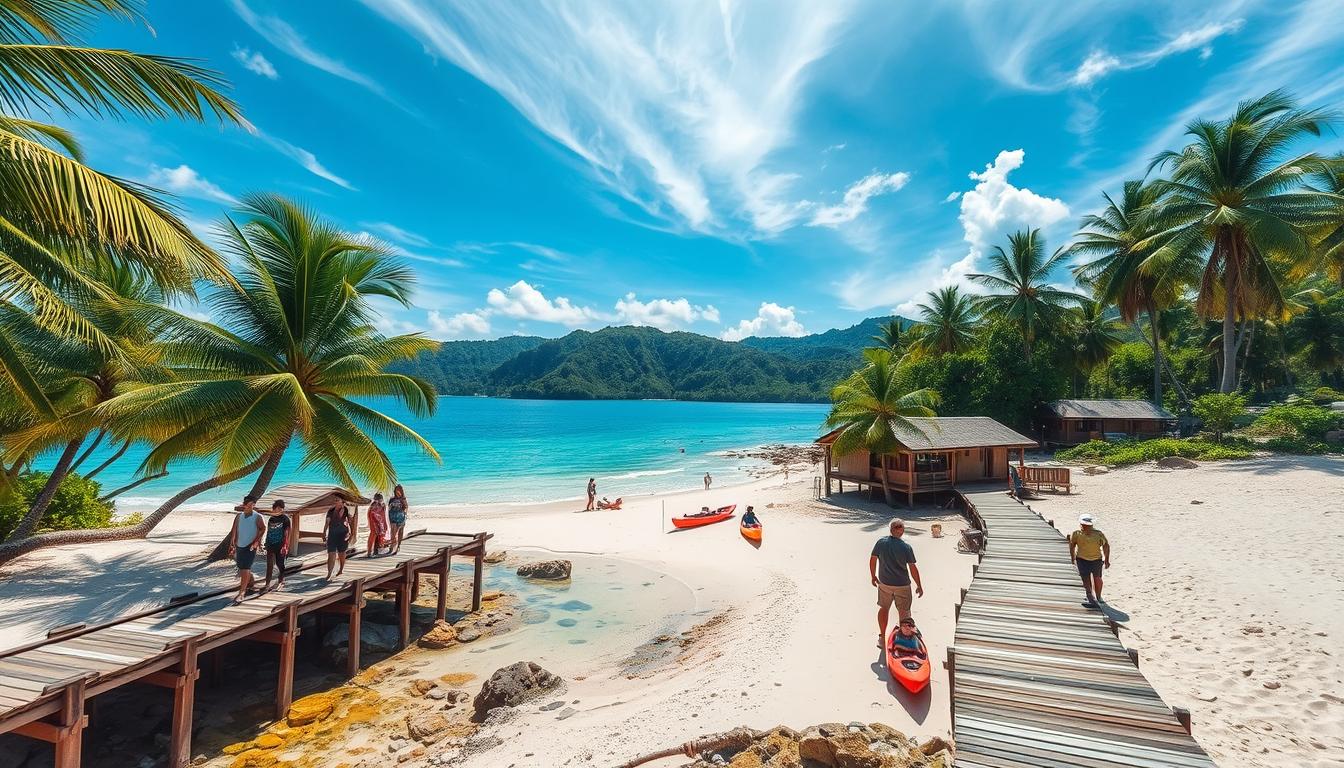
Transportation is a major contributor to carbon emissions. Opting for trains instead of flights can make a big difference. In Europe, train travel emits six times less CO2 than flying. Rail networks like Eurostar and Switzerland’s Travel Pass offer low-carbon transit options.
When flying is unavoidable, use tools like Skyscanner’s “lower CO2e” filter to find eco-friendly flights. Consider carbon offset programs to balance out your emissions. One long-haul flight can produce as much CO2 as a year of driving a car, so every effort counts.
| Transport Option | CO2 Emissions | Benefits |
|---|---|---|
| Train | Low | Scenic routes, less environmental impact |
| Flight | High | Fast but carbon-intensive |
| Bus | Moderate | Affordable, lower emissions than flights |
By making these small changes, you can significantly reduce your reliance on fossil fuels and contribute to a healthier planet. Sustainable travel isn’t just about where you go—it’s about how you get there and the choices you make along the way.
Eco Tourism: How to Travel Sustainably
Exploring new places can be both exciting and meaningful when done responsibly. By adopting eco-friendly practices, you can help protect cultural heritage and support local communities. Here’s how you can make a difference on your next adventure.
Practical Steps for Eco-Friendly Travel
One of the best ways to reduce your environmental footprint is by staying longer in destinations. This not only deepens your cultural immersion but also cuts down on transportation frequency. For example, booking community-owned lodges, like those offered by the Gumala Aboriginal Corporation, ensures your money directly benefits local residents.
Another key step is avoiding exploitative animal interactions. Always verify sanctuaries through the Global Federation of Animal Sanctuaries. Eating plant-based meals can also reduce agriculture-linked biodiversity loss, making your trip more planet-friendly.
Supporting Local Communities
When you travel, your choices can have a lasting impact on housing and local economies. Using local guides ensures that profits stay within the community, fostering sustainable development. Organizations like Junglekeepers hire ex-loggers as rangers, while Sheldrick Wildlife Trust lodges fund anti-poaching teams, showing how tourism can drive positive change.
| Practice | Benefit | Example |
|---|---|---|
| Stay Longer | Reduces transportation frequency | Extended stays in cultural hotspots |
| Book Community Lodges | Supports local economies | Gumala Aboriginal Corporation’s Karijini safaris |
| Verify Sanctuaries | Protects animal welfare | Global Federation of Animal Sanctuaries |
| Eat Plant-Based | Reduces biodiversity loss | Local vegetarian or vegan meals |
| Use Local Guides | Keeps profits within communities | Community-led tours |
By following these steps, you can ensure your travels leave a positive mark on both the environment and the people you meet along the way.
Minimizing Your Carbon Footprint
Every journey offers an opportunity to reduce your environmental footprint. Transportation and waste are two key areas where small changes can lead to significant impacts. By making mindful choices, you can help protect the planet while still enjoying your adventures.

Opting for Sustainable Transportation
Transportation accounts for 75% of global emissions, with road vehicles being the largest contributor. Choosing public transport, walking, or biking in cities like Copenhagen and Zurich can drastically cut your carbon footprint. Electric scooters are another eco-friendly option for short distances.
When flying is necessary, opt for airlines with newer fleets, which are 5-10% more fuel-efficient. Tools like Skyscanner’s “lower CO2e” filter can help you find flights with fewer emissions. Carbon offset programs are also a great way to balance out your impact.
Reducing Waste While Traveling
Single-use plastics are a major environmental concern. Packing reusable items like silicone food bags, bamboo cutlery, and refillable bottles can cut plastic waste by up to 156 bottles per year per traveler. Ljubljana’s zero-waste initiatives and plastic-free markets are inspiring examples of how cities are tackling this issue.
Follow the “3 Rs” of packing: Reduce, Reuse, and Recycle. By minimizing what you bring and choosing eco-friendly products, you can significantly reduce your waste.
| Transport Option | Environmental Impact | Tips |
|---|---|---|
| Public Transport | Low emissions | Use buses, trains, or trams in cities |
| Walking/Biking | Zero emissions | Ideal for short distances |
| Electric Scooters | Low emissions | Great for urban areas |
| Flights | High emissions | Choose fuel-efficient airlines |
“Sustainable transportation isn’t just about getting from point A to point B—it’s about making choices that benefit the planet.”
By adopting these practices, you can reduce your reliance on fossil fuels and contribute to a healthier environment. Every step counts toward a more sustainable future.
Eco-Friendly Accommodation Choices
Accommodation plays a key role in shaping the sustainability of your travels. The average hotel stay emits 31.1kg of CO2 per night, but choosing green-certified options can significantly reduce this impact. By selecting lodgings that prioritize energy efficiency and water conservation, you can make a positive difference.

What to Look for in Green Hotels
When booking a stay, seek out hotels with certifications like LEED or Green Key. These buildings often feature solar panels, rainwater harvesting systems, and other eco-friendly innovations. Green Key-certified properties, for example, reduce energy use by 20%, making them a smart choice for the planet.
Look for accommodations that offer linen reuse programs and digital check-ins. These small changes can cut waste and conserve natural resources. Avoid resorts with excessive amenities, such as golf courses in arid regions, which strain local ecosystems.
The Rise of Eco-Lodges
Eco-lodges are gaining popularity for their commitment to sustainability. Places like Costa Rica’s Lapa Rios are built without disrupting rainforest canopies, blending seamlessly with their surroundings. These lodges often use renewable energy and prioritize local materials, ensuring minimal environmental impact.
Certifications like Green Globe or EarthCheck can help you verify a lodge’s eco-credentials. By staying at these properties, you support businesses that value natural resources and community well-being.
“Choosing eco-friendly accommodations isn’t just about comfort—it’s about making choices that protect the planet.”
Supporting Local Economies
Supporting local economies is a powerful way to make your travels meaningful. When you invest in local products and services, you help preserve cultural heritage and strengthen the community. This approach ensures your money directly benefits the people who call these destinations home.

Buying Local Products
Choosing locally made items reduces “food miles” by 90% compared to imported goods. Farmers’ markets, like Barcelona’s Mercat de Sant Josep, are great places to find fresh food and handmade crafts. Avoid generic souvenirs and opt for items crafted by local artisans. This not only supports their livelihoods but also helps preserve traditional skills.
Dining at farm-to-table restaurants, such as Catalonia’s Els Casals, is another way to support local economies. These establishments source ingredients from nearby farms, ensuring your meal is fresh and sustainable.
Engaging with Local Culture
Immersing yourself in local traditions enriches your travel experience. Attend cultural workshops, like Balinese cooking classes or Maori weaving sessions in New Zealand. These activities provide insight into the region’s heritage while supporting local artisans.
Using community tourism platforms, such as Fairbnb.coop, ensures your stay benefits the community directly. These platforms reinvest profits into local projects, fostering sustainable development.
“When you support local economies, you’re not just a traveler—you’re a partner in preserving culture and creating opportunities.”
Protecting Natural Habitats
Protecting natural habitats is essential for maintaining the planet’s delicate balance. These spaces are home to countless species and play a vital role in preserving biodiversity. By making mindful choices, we can ensure these ecosystems thrive for generations to come.
Responsible Wildlife Tourism
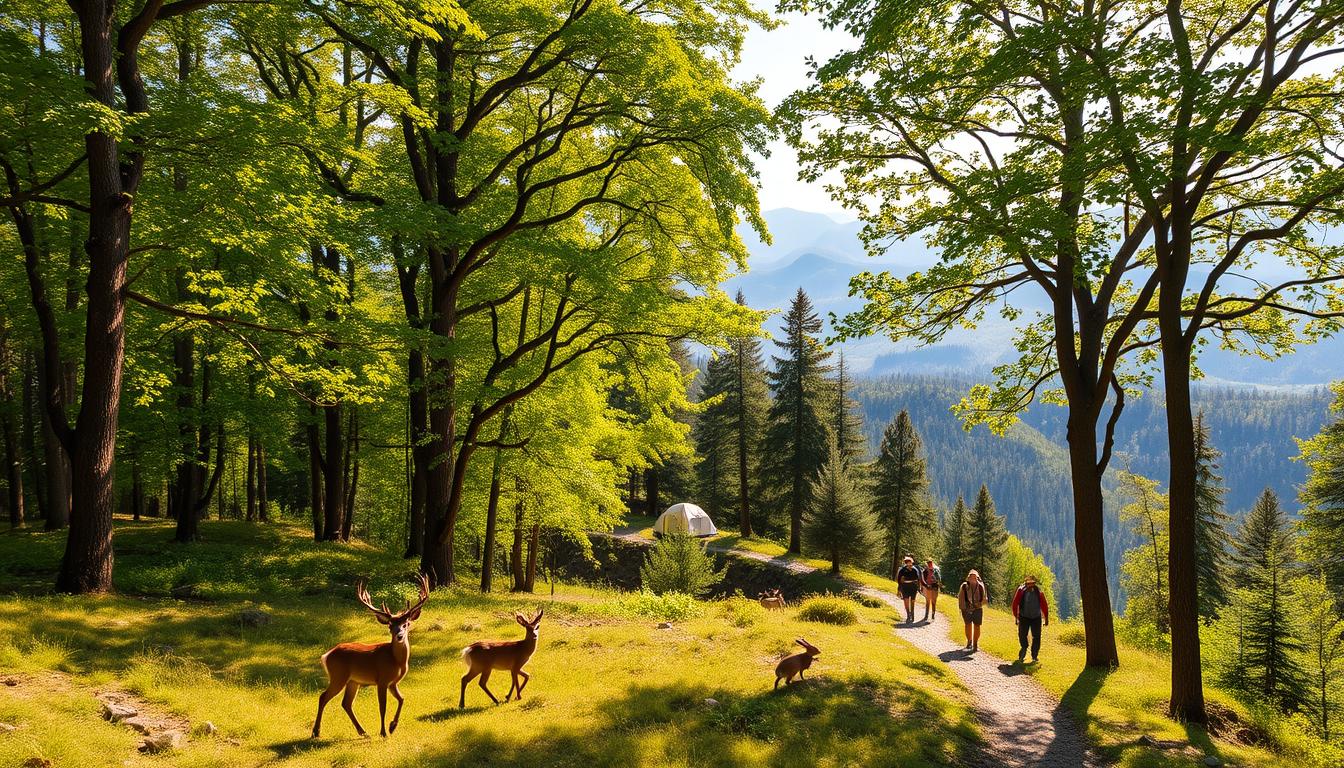
Interacting with wildlife can be a memorable experience, but it must be done responsibly. Avoid attractions that exploit animals, such as those offering rides or photo ops with sedated creatures. Instead, support sanctuaries verified by organizations like the Global Federation of Animal Sanctuaries.
Consider joining conservation voluntourism programs. For example, coral reef restoration in Belize allows travelers to contribute directly to marine conservation. These efforts help protect fragile ecosystems while offering meaningful experiences.
Conserving Natural Resources
Preserving natural resources is key to protecting our environment. Follow Leave No Trace principles when visiting parks like Yellowstone. This means packing out all waste, staying on designated trails, and respecting wildlife.
Support initiatives that focus on reforestation and habitat restoration. Ecuador’s Mashpi Lodge, for instance, runs a carbon-offset program that helps replenish forests. Small actions, like using reef-safe sunscreen, can also make a big difference in protecting marine ecosystems.
| Practice | Benefit | Example |
|---|---|---|
| Avoid Exploitative Attractions | Protects animal welfare | Verified sanctuaries |
| Join Conservation Programs | Supports ecosystem restoration | Coral reef restoration in Belize |
| Follow Leave No Trace | Minimizes environmental impact | Yellowstone National Park |
| Support Reforestation | Restores natural habitats | Mashpi Lodge’s carbon-offset program |
| Use Reef-Safe Sunscreen | Protects marine life | Reef-safe products |
“Every choice we make in nature has a ripple effect—let’s ensure it’s a positive one.”
Traveling Off the Beaten Path
Exploring hidden corners of the world offers a unique and enriching experience. While 95% of tourists flock to just 5% of global land area, there’s a wealth of underrated regions waiting to be discovered. These places not only provide a break from mass tourism but also allow for deeper connections with local communities.

Discovering Lesser-Known Destinations
Choosing lesser-known destinations like Albania’s coastline or Colombia’s Tatacoa Desert can reduce the strain on overcrowded hotspots. For example, Guyana’s community lodges receive only 1% of the visitor numbers compared to Cancún. This shift helps preserve the environment and supports local economies.
Platforms like Atlas Obscura or local tourism boards are excellent resources for finding hidden gems. These tools can guide you to places that are rich in culture and natural beauty but often overlooked by mainstream travelers.
Benefits of Slow Travel
Slow travel emphasizes quality over quantity. Instead of rushing through multiple destinations, consider spending a month in an Italian agriturismo. This approach not only reduces your impact on the environment but also allows you to immerse yourself in the local way of life.
Studies show that 68% of spending from slow travel stays within local communities, compared to just 30% from cruise tourism. This means your choices can directly benefit the people who call these places home.
| Destination | Benefit |
|---|---|
| Albania’s Coast | Less crowded, rich in history |
| Colombia’s Tatacoa Desert | Unique landscapes, eco-friendly |
| Italian Agriturismos | Supports local farming communities |
“Traveling off the beaten path isn’t just about seeing new places—it’s about creating meaningful connections and leaving a positive mark.”
Eco-Certifications and Labels
Not all eco-friendly claims are equal—certifications help separate fact from fiction. With so many businesses claiming to be “green,” it’s essential to know which labels are credible. Eco-certifications ensure that accommodations, tours, and products meet strict environmental and social standards.
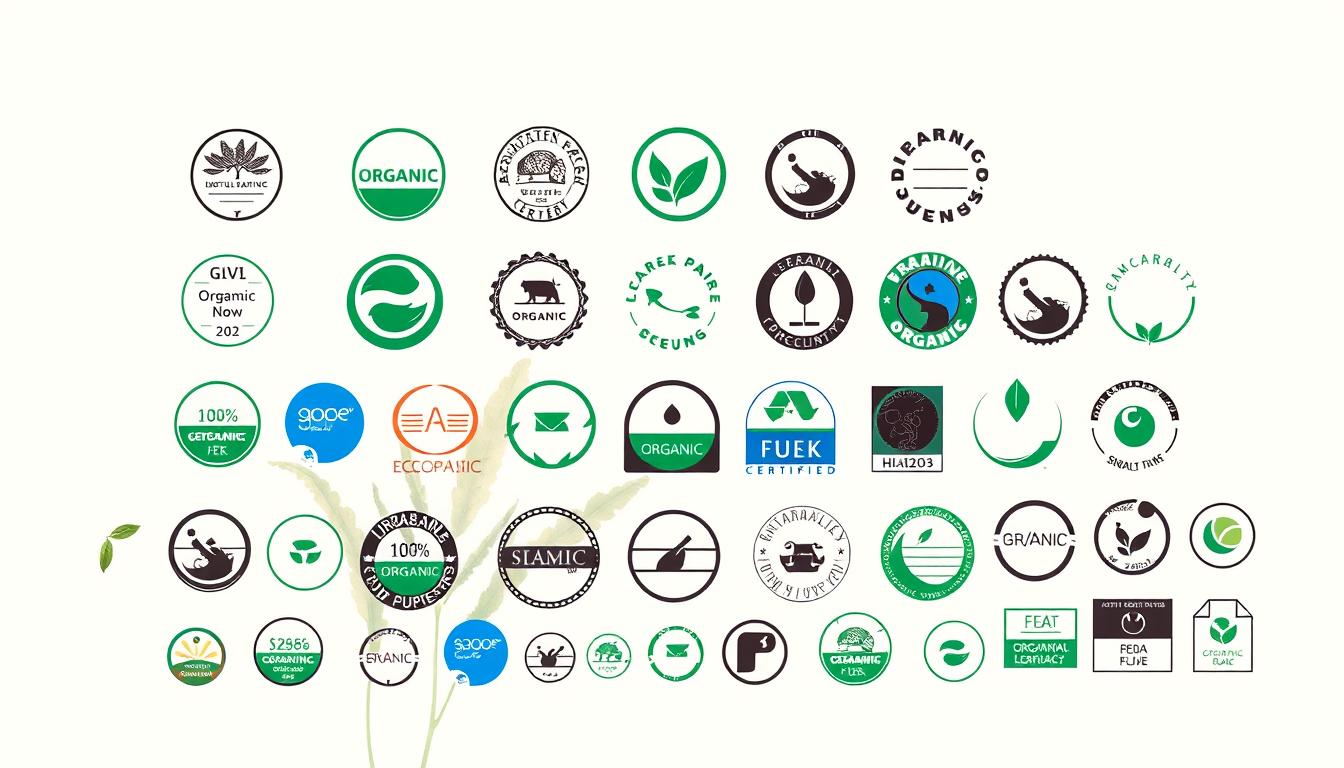
For example, Australia’s Advanced Ecotourism certification requires Indigenous partnerships and zero-waste operations. This ensures that tourism benefits both the environment and local communities. Understanding these labels can help you make informed choices for a more sustainable trip.
Understanding Eco-Certifications
Eco-certifications are awarded to businesses that meet specific criteria for sustainable tourism. These criteria often include energy efficiency, waste reduction, and support for local economies. Labels like Green Key and Rainforest Alliance are globally recognized for their rigorous standards.
Here’s how to differentiate credible certifications from vague claims:
- Look for third-party verified labels, such as GSTC (Global Sustainable Tourism Council).
- Check if the certification requires regular audits and transparency.
- Avoid businesses that use terms like “eco-friendly” without proof of certification.
How to Verify Green Claims
Verifying green claims is easier with tools like GSTC’s list of vetted certifications. Apps like Eco-Certified Travel can also help you find verified accommodations. Always scrutinize “sanctuary” claims—ethical facilities prohibit breeding and direct tourist-animal contact.
A great example is Costa Rica’s CST (Certification for Sustainable Tourism). This program ensures water and energy efficiency in certified properties. By choosing CST-certified lodges, you support businesses that prioritize conservation and community well-being.
“Eco-certifications aren’t just labels—they’re a promise to protect the planet and its people.”
Reducing Plastic Use While Traveling
Plastic pollution is a growing concern, and travelers can play a role in minimizing its impact. Studies show that microplastics from tourism waste enter 74% of Mediterranean fish, highlighting the urgency of addressing this issue. By making simple changes, you can help protect the environment and preserve natural resources for future generations.
Alternatives to Single-Use Plastics
Swapping out single-use plastics for reusable options is easier than you think. Pack collapsible silicone bottles for water or snacks, and use beeswax wraps instead of plastic wrap. Shampoo bars are a great alternative to bottled products, reducing both waste and luggage space.
Refuse hotel toiletries and bring your own DIY kits in reusable containers. This small step can significantly cut down on plastic waste. For clean drinking water, consider using LARQ self-cleaning bottles with UV filtration, which eliminate the need for disposable bottles.
Packing for a Plastic-Free Trip
Planning a plastic-free trip starts with thoughtful packing. Choose items that are reusable, durable, and eco-friendly. Here’s a quick guide to help you get started:
| Item | Alternative | Benefit |
|---|---|---|
| Water Bottles | Collapsible silicone bottles | Lightweight, reusable |
| Food Wraps | Beeswax wraps | Biodegradable, versatile |
| Toiletries | Shampoo bars, DIY kits | Plastic-free, compact |
| Utensils | Bamboo cutlery sets | Eco-friendly, portable |
Support destinations with plastic bans, like Rwanda and Seychelles, which are leading the way in reducing plastic pollution. You can also join beach cleanups through organizations like the Surf Rider Foundation to make a tangible difference during your travels.
“Every piece of plastic avoided is a step toward a healthier planet.”
By adopting these practices, you can enjoy your adventures while minimizing your impact on the environment. Small changes in your travel habits can lead to big results for the planet.
Traveling During Off-Peak Seasons
Traveling during off-peak seasons offers unique benefits for both travelers and destinations. By avoiding crowded periods, you can enjoy a more relaxed experience while supporting local communities and reducing your impact on the environment. Whether it’s exploring quieter streets or attending local festivals, off-season travel opens up new possibilities.
Advantages of Off-Season Travel
One of the biggest perks of off-season travel is cost savings. Accommodations and flights can be 30-50% cheaper, making it easier to explore destinations like the Caribbean in September. You’ll also avoid the stress of overcrowded attractions, allowing for a more enjoyable experience.
Off-season travel also supports local economies year-round. Venice’s €5 off-season day-pass, for example, reduced summer crowds by 23% in 2023. This initiative not only benefits visitors but also helps preserve the city’s cultural heritage.
Eco-benefits are another advantage. Reduced air conditioning use in hotels and lower water consumption contribute to a smaller environmental footprint. By traveling during quieter times, you’re helping to protect the places you love.
How to Plan an Off-Season Trip
Planning an off-season trip starts with choosing the right destinations. Use tools like Google Trends to identify periods of low demand. For example, Japan’s Sapporo Snow Festival in February offers a unique experience without the summer crowds.
Consider weather patterns to avoid extreme conditions. Skipping Thailand’s monsoon season ensures a more comfortable trip. Packing appropriately for off-season weather is also key to a successful journey.
Here’s a quick guide to help you plan:
| Destination | Off-Season Period | Benefits |
|---|---|---|
| Caribbean | September | Lower costs, fewer crowds |
| Japan | February | Unique festivals, mild weather |
| Thailand | November | Avoid monsoon season |
By following these tips, you can make the most of your off-season adventures while supporting sustainable tourism practices.
Conclusion
Every trip is an opportunity to make a positive difference for the planet and its people. By prioritizing trains over flights, supporting local communities, and choosing certified lodgings, you can reduce your carbon footprint and contribute to sustainable travel practices.
Small changes, when adopted by millions of travelers, can drive significant shifts in the industry. As Paul Rosolie wisely said, “Your travel choices fund frontline conservation.” This mindset of reciprocity ensures that your adventures leave a positive mark.
Adopting a “travel mindset” focused on balance and respect can transform the way we explore the world. Share your tips for mindful journeys on social media with #EcoTourismNow and inspire others to join the movement.
FAQ
What is eco tourism?
Eco tourism focuses on exploring natural areas while minimizing harm to the environment and supporting local communities. It’s about traveling responsibly to preserve biodiversity and cultural heritage.
Why does sustainable travel matter?
Sustainable travel helps reduce the negative effects of tourism, like carbon emissions and habitat destruction. It also supports local economies and protects natural resources for future generations.
How can I reduce my carbon footprint while traveling?
Choose public transport, offset your flights, and stay in eco-friendly accommodations. Pack light and avoid activities that rely heavily on fossil fuels.
What are eco-friendly accommodation options?
Look for green hotels or eco-lodges that use renewable energy, conserve water, and reduce waste. Certifications like LEED or Green Key can help identify sustainable stays.
How can I support local communities during my travels?
Buy local products, eat at family-owned restaurants, and hire local guides. Engaging with the culture respectfully also helps boost the local economy.
What are some ways to protect natural habitats while traveling?
Avoid activities that harm wildlife, stick to marked trails, and support conservation projects. Always follow the “leave no trace” principle.
What are the benefits of traveling off the beaten path?
Discovering lesser-known destinations reduces overcrowding and supports smaller communities. It also offers a more authentic and peaceful experience.
How can I verify if a travel company is truly eco-friendly?
Look for recognized eco-certifications like Rainforest Alliance or EarthCheck. Research their practices and read reviews from other travelers.
What are some alternatives to single-use plastics while traveling?
Bring a reusable water bottle, bamboo utensils, and cloth bags. Choose accommodations and restaurants that avoid plastic packaging.
Why should I consider traveling during off-peak seasons?
Off-season travel reduces strain on popular destinations, lowers costs, and provides a more relaxed experience. It also helps distribute tourism income throughout the year.