Did you know that 63% of travelers overspend due to unplanned costs? It’s a common pitfall, especially for first-timers. Budget travel can be transformative, but it’s not without its challenges. From overpacking to skipping travel insurance, many of us learn the hard way.
The Broke Backpacker team, a group of seasoned travelers, shares their hard-earned lessons. Their experiences highlight the importance of planning, flexibility, and cultural adaptation. These insights can save you from costly mistakes and make your journey smoother.
We’ve all been there—making mistakes that could have been avoided. But that’s part of the adventure. By learning from others, you can focus on the joys of exploration rather than the stress of overspending. Let’s dive into the things you’ll wish you knew before starting your journey.
Key Takeaways
- 63% of travelers overspend due to unplanned costs.
- Overpacking is a common mistake for first-time travelers.
- Travel insurance is essential for unexpected situations.
- Flexibility helps you adapt to changing plans and save money.
- Cultural immersion enriches your travel experience.
1. Start with a Realistic Budget
Planning your finances is the first step to a stress-free adventure. Without a clear budget, unexpected expenses can quickly derail your plans. The key is to account for both daily spending and hidden costs.
How to Calculate Your Travel Budget
To determine your daily budget, use this simple formula: (Total funds – 10% buffer) ÷ Trip days. This ensures you have a cushion for emergencies. For example, if you have $1,000 for a 10-day trip, allocate $90 per day and save $100 as a buffer.
Unexpected Costs to Account For
Even the best plans can face surprises. Here are five common hidden costs to prepare for:
| Cost | Example |
|---|---|
| Visa Fees | $50-$100 per country |
| Baggage Charges | $25-$50 per flight |
| ATM Fees | $3-$5 per withdrawal |
| City Taxes | $2-$10 per night |
| Emergency Transport | $50-$200 |
One traveler shared how a $300 medical bill in Thailand caught them off guard. To avoid such surprises, consider using prepaid travel cards like Monzo or Revolut. These cards help you avoid transaction fees that can add up quickly.
Budgeting apps like Trail Wallet and Mint can also help you track spending. If you face unexpected medical bills abroad, try negotiating with cash payments. Many providers offer discounts for upfront payments.
By planning ahead and accounting for hidden costs, you can enjoy your trip without financial stress. Make sure to review your budget regularly to stay on track.
2. Choose Affordable Destinations
Exploring the world doesn’t have to drain your wallet if you pick the right places. Some countries offer incredible experiences for just a few dollars a day. By choosing budget-friendly destinations, you can stretch your funds further and enjoy more of what the world has to offer.
Best Budget-Friendly Countries to Visit
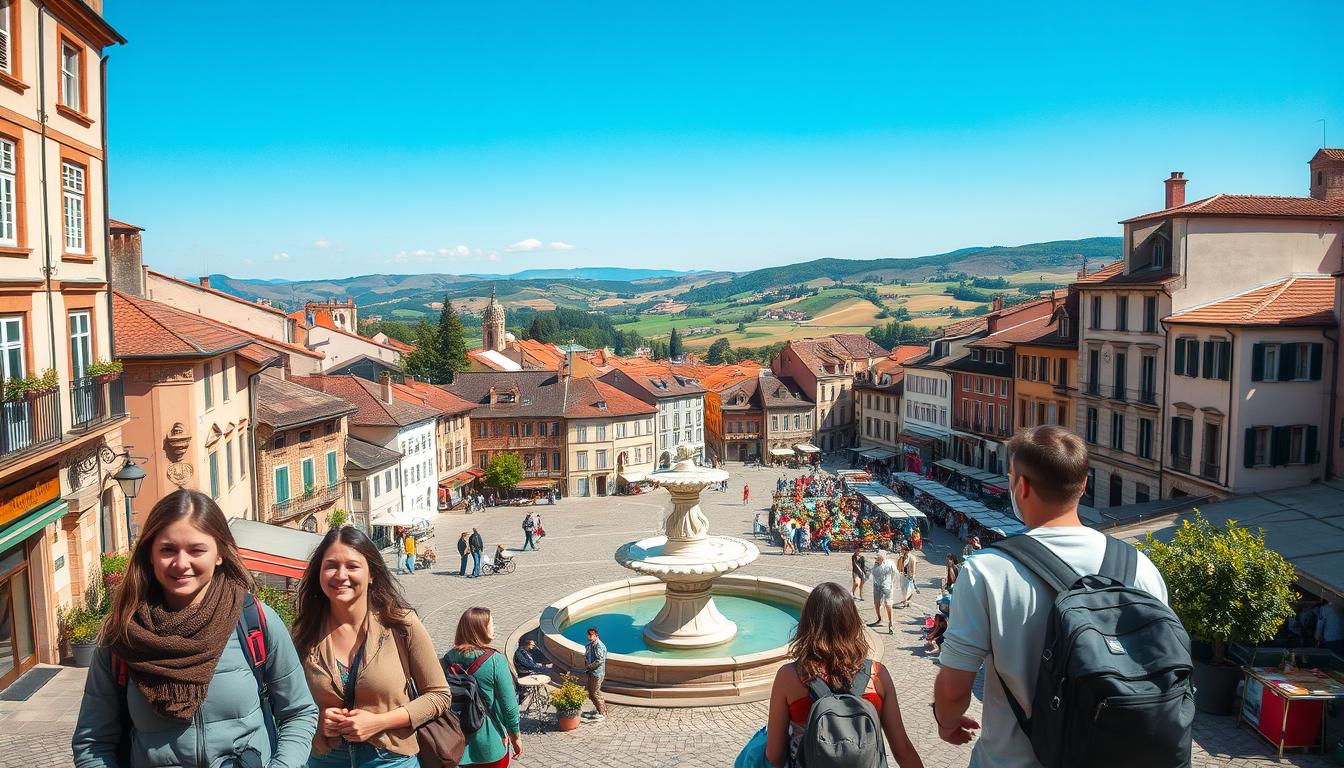
Vietnam, Bolivia, and Georgia are among the most affordable places to explore. In Vietnam, you can live comfortably on $30 a day, while Bolivia offers a daily budget of $25. Georgia, with its stunning landscapes, costs around $35 a day. These destinations provide rich cultural experiences without breaking the bank.
How to Find Cheap Flights
Finding affordable flights is a game-changer. Start by using tools like Google Flights Explore to discover deals. Midweek departures and alternate airports, such as Bergamo instead of Milan, can save you hundreds of dollars. Seasonal deals, like $275 flights from NYC to Madrid or $313 from LA to Shanghai, are also worth tracking.
Error fares are another way to score incredible deals. Websites like Secret Flying monitor airlines for pricing mistakes. One traveler shared their experience of snagging a $89 flight to Oslo—proof that patience and persistence pay off.
“I couldn’t believe my luck when I found a $89 flight to Oslo. It’s all about staying alert and being ready to book when the opportunity arises.”
By choosing affordable destinations and mastering flight hacks, you’ve got the tools to make your travel dreams a reality. Start planning today and explore the world your way!
3. Travel During Off-Peak Seasons
Timing your trips right can make all the difference in your travel experience. Off-peak and shoulder seasons offer unique advantages, from lower costs to fewer crowds. These periods, often overlooked, can make your journey more enjoyable and affordable.
Benefits of Traveling in Shoulder Seasons
Shoulder seasons, the months between peak and off-peak travel times, are ideal for saving money and avoiding crowds. For example, Japan in March-April and Greece in September-October are perfect for exploring without the usual hustle. The Broke Backpacker team saved 40% during Costa Rica’s rainy season, proving that timing matters.
Here’s a quick comparison of hotel prices in popular destinations:
| Destination | Peak Season Price | Shoulder Season Price |
|---|---|---|
| Barcelona | $150 | $89 |
| Tokyo | $200 | $120 |
| Rome | $180 | $95 |
How to Avoid Crowds and Save Money
Traveling during off-peak times not only saves money but also lets you experience unique festivals. For instance, Thailand’s Loy Krathong festival in November is a magical event that’s less crowded than peak season celebrations. Use tools like ClimateData.org to verify weather patterns and plan accordingly.
Here are three festivals only available off-season:
- Thailand: Loy Krathong (November)
- Japan: Cherry Blossom Festivals (March-April)
- Italy: Truffle Festivals (October)
By choosing the right time of year, you can enjoy these events without the usual crowds. Whether it’s exploring Santorini in October or Japan in spring, off-peak travel opens up a world of possibilities.
4. Pack Light and Smart
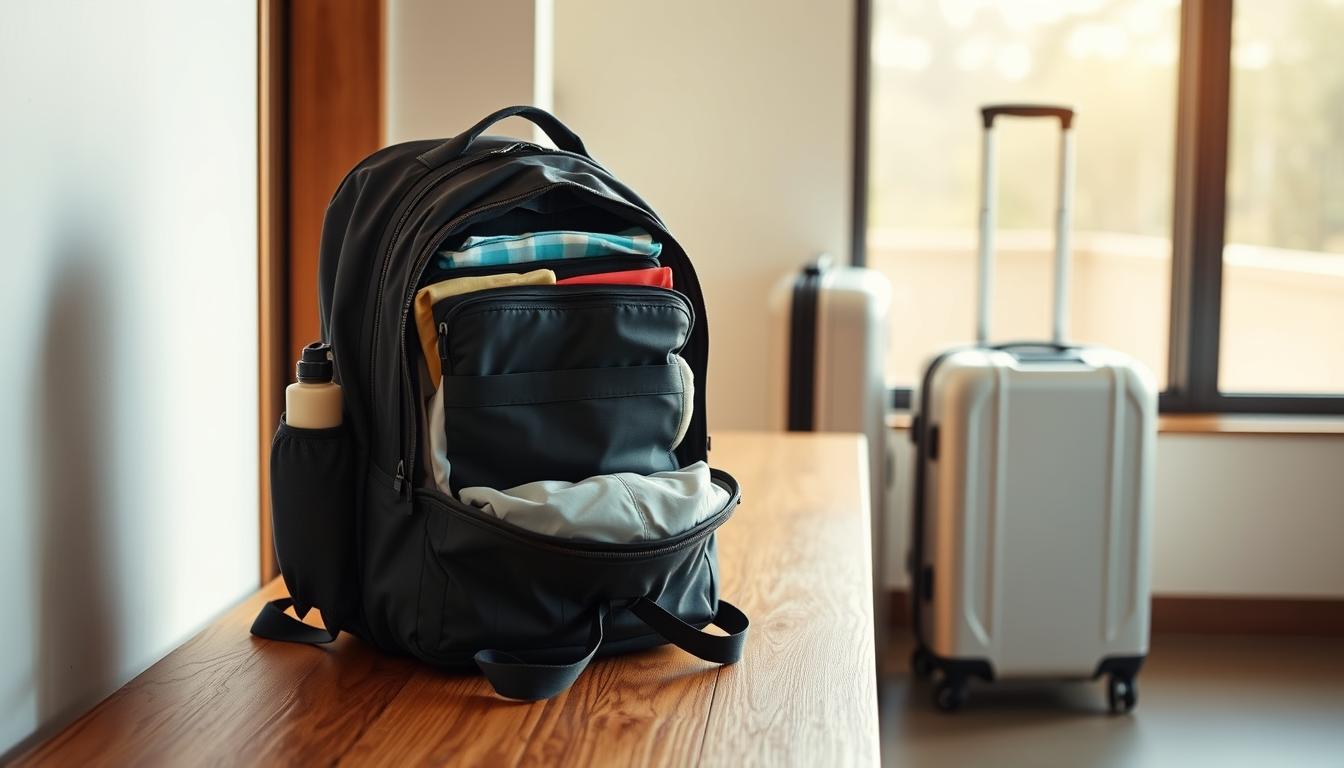
Packing efficiently can transform your travel experience from stressful to seamless. Overpacking is a common mistake, with 23% of travelers regretting bringing too much. By focusing on essentials and leaving unnecessary items behind, you can save space, avoid extra fees, and move more freely.
Essential Items for Budget Travelers
When it comes to packing, less is more. Here are seven multipurpose items you’ll really need:
- Sarong: Use it as a towel, blanket, or even a makeshift bag.
- Carabiner: Clip items to your backpack for easy access.
- Power Bank: Keep your devices charged on the go.
- Grayl Geopress Filter Bottle: Stay hydrated with clean water anywhere.
- Travel Lock: Secure your belongings in hostels or public spaces.
- Reusable Cutlery: Save money and reduce waste.
- First Aid Kit: Be prepared for minor injuries or illnesses.
These items are versatile and can handle multiple situations, making them invaluable for any trip.
What to Leave Behind
It’s easy to fall into the trap of packing “just in case” items, but these often add unnecessary weight. For example, airport security once confiscated a traveler’s oversized shampoo bottle, costing them time and money. Make sure to follow TSA liquid rules to avoid such mishaps.
Here’s a comparison of backpack weights to help you decide:
| Backpack Size | Weight |
|---|---|
| 40L | 12lbs |
| 70L | 28lbs |
As one traveler shared, “I’ve always cared about having everything I might need, but I realized most of it stayed unused. Now, I focus on what I’ll actually use.”
By packing light and smart, you’ll enjoy a more comfortable and stress-free journey. Remember, the key is to prioritize what you really need and leave the rest behind.
5. Use Public Transportation
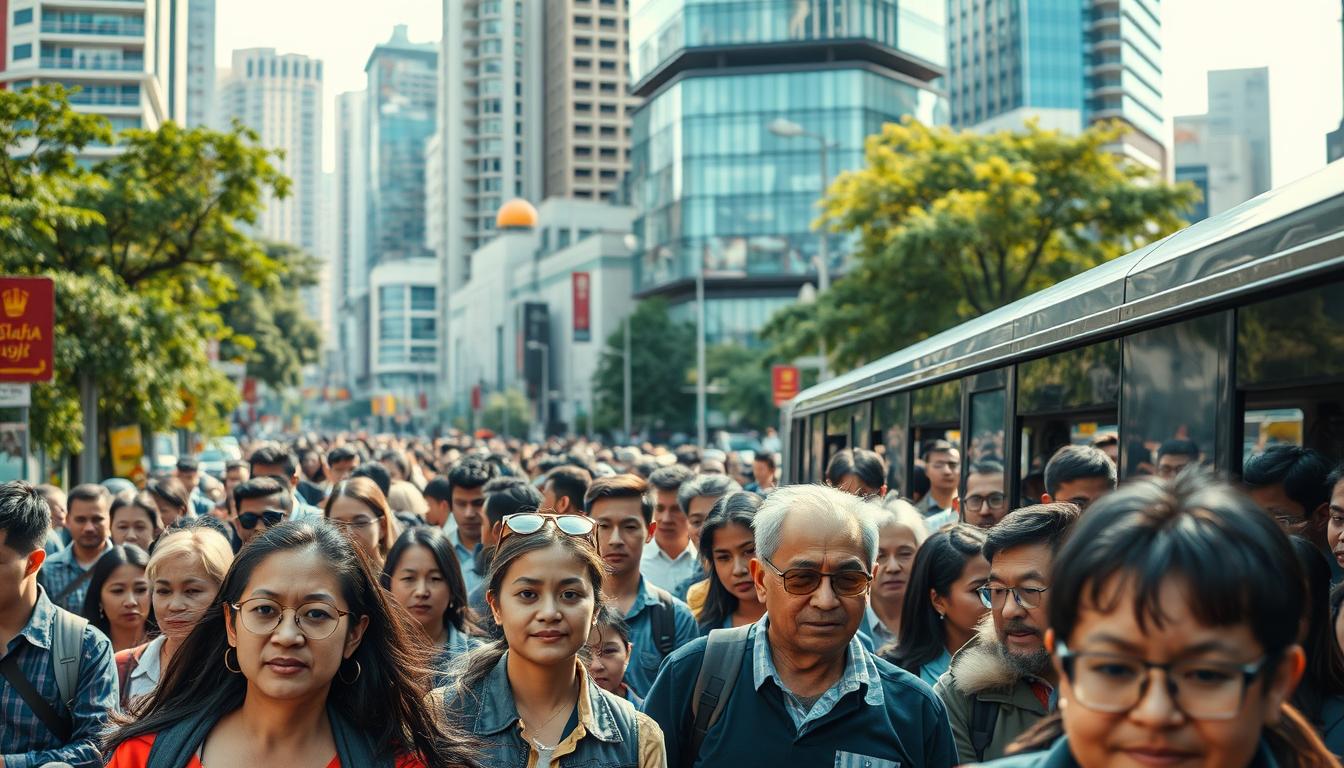
Public transportation is a game-changer for saving money while exploring new places. It’s not only affordable but also a great way to experience local life. Whether you’re in Tokyo or Bangkok, opting for buses, trains, or metros can significantly reduce your travel expenses.
Why Public Transport is Cheaper
Comparing costs between public transport and taxis reveals stark differences. For example, a Tokyo metro ride costs just $2.50, while a taxi for the same route can set you back $35. In Bangkok, a tuk-tuk ride might cost $5, but the BTS Skytrain offers the same journey for just $0.50. These savings add up quickly, especially on longer trips.
Tips for Navigating Foreign Transit Systems
Navigating transit systems in unfamiliar places can be tricky, but with the right tools, it’s manageable. Apps like Citymapper and Moovit provide real-time updates and route suggestions. If you encounter non-Latin scripts, Google Lens can translate signs instantly, making it easier to find your way.
Here are five top transit apps to simplify your journey:
- Citymapper: Offers detailed route planning for major cities.
- Moovit: Provides real-time transit updates and alerts.
- Rome2Rio: Helps you compare different transport options.
- Google Maps: A reliable tool for navigating most cities.
- Transit: Tracks buses and trains in real-time.
One traveler shared their experience during an Istanbul metro breakdown. “The staff quickly resolved the issue, and I was back on my way in no time. It’s moments like these that remind me why public transport is so reliable.”
For those traveling in South America, night buses are a popular option. To stay safe, always choose reputable companies, keep your belongings close, and avoid traveling alone if possible. With these tips, you’ve got everything you need to make the most of public transportation.
6. Stay in Budget Accommodations
Finding the right place to stay can make or break your trip. Accommodation is a key part of any travel plan, and choosing wisely can save you money while enhancing your experience. Whether you prefer hostels, budget hotels, or unique options like Couchsurfing, there’s a solution for every traveler.

Hostels vs. Budget Hotels
Hostels and budget hotels are popular choices for travelers. Hostels often cater to different needs—party hostels are lively and social, while quiet hostels offer a peaceful environment. For example, a party hostel in Berlin might cost $15 a night, while a quiet one in Prague could be $10.
Budget hotels, on the other hand, provide more privacy. Booking directly through their websites can save you up to 20% compared to aggregators like Booking.com. Always compare prices to get the best deal.
How to Find Safe and Affordable Stays
Safety and affordability go hand in hand when choosing accommodations. Here are three red flags to watch for when booking:
- Stock Photos: Listings with generic images may not reflect the actual place.
- No Reviews: A lack of feedback from previous guests is a warning sign.
- Too Good to Be True: Extremely low prices often indicate scams.
One traveler shared their experience with Couchsurfing in Marrakech. “Staying with a local family gave me a unique insight into their culture. It was free, but I made sure to verify the host’s profile and reviews beforehand.”
For longer stays, negotiating discounts can save you money. Many accommodations offer reduced rates for weekly or monthly bookings. Simply ask the owner or manager for a deal.
| Accommodation Type | Average Cost Per Night |
|---|---|
| Party Hostel | $15 |
| Quiet Hostel | $10 |
| Budget Hotel | $30 |
By choosing the right place to stay, you can make your trip more enjoyable and affordable. Whether it’s a hostel, hotel, or a local’s home, the key is to research and plan ahead.
7. Eat Like a Local
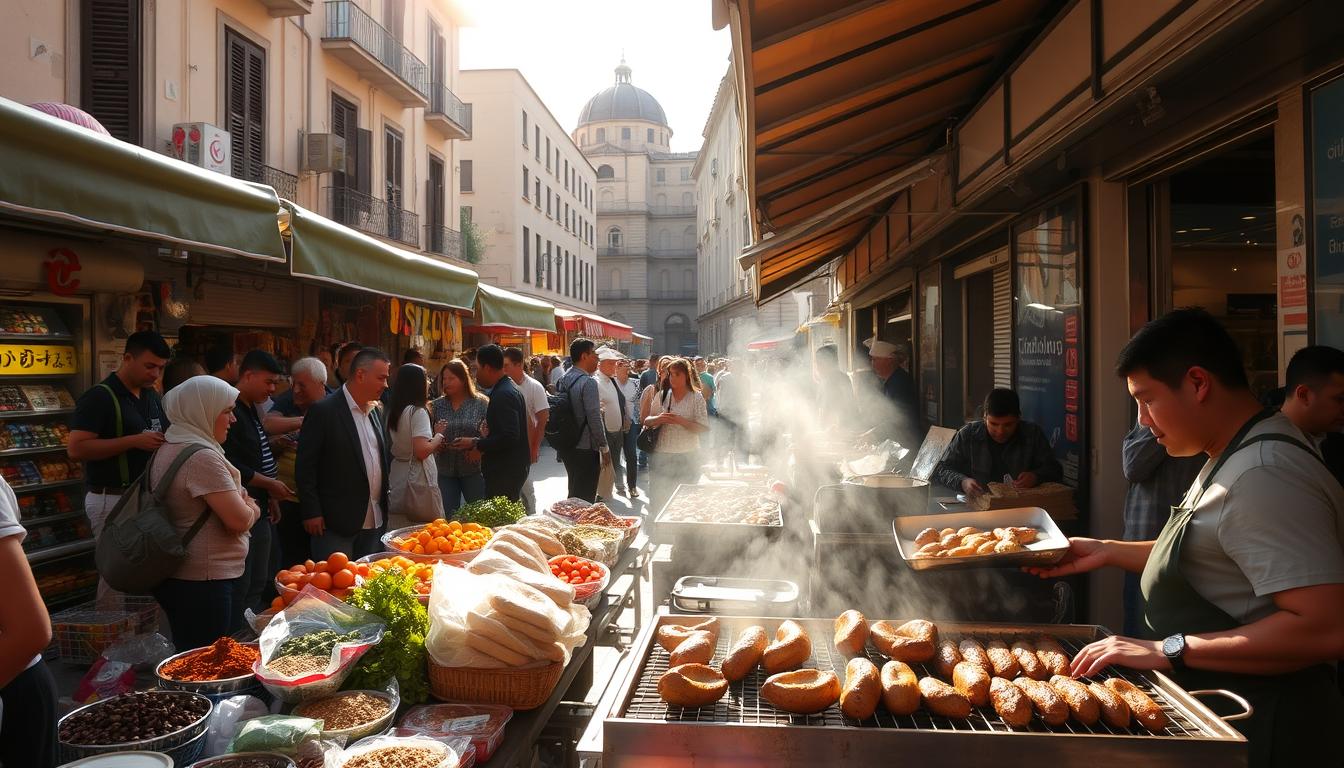
Eating like a local can transform your travel experience while saving you money. From street food stalls to hidden gems, local cuisine offers a delicious and affordable way to explore a town’s culture. Not only does it help you connect with the people, but it also lets you enjoy authentic flavors that tourist spots often miss.
Why Street Food is Your Best Friend
Street food is often the heart of a town’s culinary scene. It’s cheap, flavorful, and a great way to experience local life. For example, in Bangkok, a plate of pad Thai costs just $1.50, while a similar dish in a tourist restaurant can set you back $15. The Broke Backpacker team swears by street food but also shares tips to avoid “Delhi belly.”
Here are five signs of authentic street food:
- Local Crowd Presence: If locals are eating there, it’s a good sign.
- High Turnover: Fresh food is served quickly.
- Simple Setup: Focus is on the food, not fancy decor.
- Hygiene Grading: Look for clean stalls with visible ratings.
- Language Barrier: Menus in the local language often mean authenticity.
How to Avoid Tourist Trap Restaurants
Tourist traps are everywhere, but with a little know-how, you can avoid them. One traveler shared how they enjoyed a bowl of pho in Hanoi for just $0.50, while the hotel version cost $8. To steer clear of overpriced meals, use these tips:
Here’s a comparison of food costs across 10 countries:
| Country | Street Food Cost | Restaurant Cost |
|---|---|---|
| Thailand | $1.50 | $15 |
| Vietnam | $0.50 | $8 |
| India | $1 | $10 |
| Mexico | $2 | $12 |
| Indonesia | $1.20 | $9 |
Learning a few phrases can also help. For example, “No spice” in Thai is “Mai phet,” and in Hindi, it’s “Mirch mat dalo.” These small efforts can make a big difference in your dining experience.
By eating like a local, you’ll not only save money but also discover the true flavors of a place. It’s one of the best ways to connect with the culture and people around you.
8. Plan but Stay Flexible
Staying adaptable can save you both time and money during your travels. While planning is essential, being too rigid can lead to missed opportunities and unexpected costs. Research shows that flexible travelers save up to 23% more than those with fixed itineraries. Finding the right balance between preparation and spontaneity is key to a smooth journey.

Why Overplanning Can Cost You
Overplanning often results in unnecessary expenses. For example, one traveler faced a $200 rebooking fee after missing a flight due to a tightly packed schedule. Rigid itineraries also limit your ability to adapt to unexpected changes, like weather disruptions or local events. By leaving room for flexibility, you can avoid these pitfalls and make the most of your trip.
How to Adapt to Last-Minute Changes
Adapting to changes is easier when you’re prepared. Here are three essential flexible bookings to consider:
- Refundable Hostels: Choose accommodations with free cancellation policies.
- Open-Jaw Flights: Book flights that allow you to arrive and depart from different cities.
- Flexible Tours: Opt for tours that let you reschedule without penalties.
Airline change fee policies have also become more traveler-friendly post-COVID. Many carriers now offer free changes or low-cost rebooking options. For weather disruptions, having a “Plan B” destination can save your trip. Tools like Google Travel alerts can notify you of flight delays or cancellations in real-time.
| Booking Type | Flexibility Benefit |
|---|---|
| Refundable Hostels | Free cancellation up to 24 hours before check-in |
| Open-Jaw Flights | Arrive and depart from different cities |
| Flexible Tours | Reschedule without penalties |
By planning but staying flexible, you can handle unexpected situations with ease. Whether it’s a sudden flight delay or a change in weather, being adaptable ensures your trip remains enjoyable and stress-free.
9. Travel Insurance is a Must
Protecting yourself while traveling is more than just a precaution—it’s a necessity. Travel insurance can save you from unexpected costs that could otherwise derail your plans. Whether it’s a medical emergency or a lost bag, having the right coverage ensures peace of mind.

Why You Should Never Skip It
Many travelers overlook travel insurance, thinking it’s an unnecessary expense. However, the Broke Backpacker team’s $3,000 medical evacuation claim story highlights its importance. Without insurance, such emergencies can drain your savings. Make sure to compare policies to find one that fits your needs.
Here’s a quick cost comparison:
| Insurance Type | Daily Cost | Potential Savings |
|---|---|---|
| Basic Coverage | $2/day | Up to $50,000 |
| Comprehensive | $5/day | Up to $100,000 |
How to Choose the Right Policy
When selecting travel insurance, carefully consider what you really need. Here are five often-overlooked coverages to look for:
- Gadget Protection: Covers lost or stolen electronics.
- Adventure Sports: Essential for activities like skiing or scuba diving.
- Trip Cancellation: Reimburses non-refundable expenses.
- Medical Evacuation: Covers emergency transport to a hospital.
- Lost Cards: Replaces stolen or lost credit cards.
Common exclusions include alcohol-related incidents and pre-existing conditions. Always read the fine print to avoid surprises. For frequent travelers, annual policies can save money compared to per-trip options.
“I never thought I’d need travel insurance until I faced a $3,000 medical bill. Now, I never leave home without it.”
By choosing the right policy, you can travel with confidence, knowing you’re protected against the unexpected.
10. Use Technology to Your Advantage
Technology can be your best ally when exploring the world on a budget. From apps to SIM cards, the right tools can save you time, money, and stress. Whether you’re navigating a new city or staying connected abroad, tech has got you covered.

Best Apps for Budget Travelers
Here are seven essential apps that every budget traveler should have:
- TooGoodToGo: Save money on food by purchasing surplus meals from local restaurants.
- Maps.me: Offline maps for navigation without data or Wi-Fi.
- Revolut: Manage your finances with low exchange rates and no hidden fees.
- Airalo: Affordable eSIMs for staying connected internationally.
- Hostelworld: Find budget-friendly accommodations with verified reviews.
- XE Currency: Track exchange rates in real-time.
- Rome2Rio: Compare transport options for the cheapest routes.
How to Stay Connected Without Breaking the Bank
Staying connected abroad doesn’t have to cost a fortune. Here’s a comparison of international SIM options:
| Provider | Cost | Coverage |
|---|---|---|
| Three UK | $30/month | 71 countries |
| Orange | $40/month | 50 countries |
Unlocking your phone legally is another way to save. Check with your carrier before traveling to ensure compatibility with local networks. For data, a local SIM costs around $3, while roaming can cost up to $10 per day.
In El Salvador, cryptocurrency ATMs are becoming popular. They allow travelers to withdraw cash using Bitcoin or other digital currencies. This is a unique way to manage your dollars while exploring new places.
“Using Airalo eSIMs saved me $300 on data costs during my trip. It’s a game-changer for staying connected abroad.”
By leveraging technology, you can make your travels more efficient and affordable. From apps to SIM cards, these tools are essential for any budget-conscious explorer.
11. Embrace Free Activities
Discovering free activities can make your trip unforgettable without costing a dime. From iconic landmarks to hidden gems, there are countless ways to explore a place without spending money. Whether you’re in a bustling city or a quiet town, free attractions offer a unique way to connect with the world around you.
Top Free Attractions in Popular Destinations
Many cities around the world offer free things to do that are both fun and enriching. In New York City, the Staten Island Ferry provides stunning views of the Statue of Liberty and the skyline. Lisbon’s miradouros, or viewpoints, are perfect for capturing breathtaking photos without spending a cent.
Here are five free city tours you shouldn’t miss:
- Paris: Join a free walking tour to explore the city’s historic neighborhoods.
- London: Discover the city’s iconic landmarks with a local guide.
- Bangkok: Take a free temple tour to learn about Thai culture.
- Berlin: Explore the city’s history with a free guided tour.
- Barcelona: Visit the Magic Fountain for a free light and music show.
How to Find Local Events and Festivals
Local events and festivals are a great way to experience a place like a local. Many cities offer free entry to museums on specific days. For example, the Louvre in Paris is free on the first Saturday of each month. Websites like Meetup and Couchsurfing Hangouts can help you connect with people and find free activities.
Here’s how to access free museum days worldwide:
| City | Museum | Free Day |
|---|---|---|
| Paris | Louvre | First Saturday of the month |
| London | British Museum | Daily |
| New York | MoMA | First Friday of the month |
| Tokyo | National Museum | First Sunday of the month |
| Rome | Vatican Museums | Last Sunday of the month |
Volunteering at festivals is another way to enjoy free entry. Many events offer free access in exchange for a few hours of help. It’s a great way to meet people and immerse yourself in the local culture.
By embracing free activities, you can make the most of your time without breaking the bank. Whether it’s a free tour, a museum visit, or a local festival, these experiences will leave you with lasting memories.
12. Learn Basic Phrases in the Local Language
Learning a few phrases in the local language can open doors to unforgettable experiences. It’s not just about communication—it’s about connecting with people and immersing yourself in their way of life. Studies show that 89% of locals appreciate even basic greetings, making it a small effort with big rewards.
Why It’s Worth the Effort
Knowing basic phrases can make your journey smoother and more enjoyable. The Broke Backpacker team once found themselves in a tricky situation in China. They mispronounced a Mandarin phrase, leading to a hilarious but confusing exchange. This mishap highlights how learning the right things can save you from awkward moments.
Here are ten essential phrases beyond “hello” and “thank you” that can come in handy:
- Where is the bathroom?
- How much does this cost?
- Can you help me?
- I’m lost.
- Do you speak English?
- I need a doctor.
- What is this called?
- Is there Wi-Fi here?
- Can I have the menu?
- What time is it?
How to Learn Quickly and Effectively
Language apps like Duolingo and Memrise are great tools for learning on the go. Here’s a quick comparison:
| App | Best For | Cost |
|---|---|---|
| Duolingo | Beginners | Free (with ads) |
| Memrise | Conversational Skills | Free (premium available) |
For tonal languages like Thai or Vietnamese, focus on mastering tones early. A slight change in tone can completely alter the meaning of a word. Make sure to practice with native speakers or use apps that offer pronunciation guides.
“During a bus breakdown in Vietnam, knowing how to ask ‘Where is the bathroom?’ saved me from an uncomfortable situation. It’s these small wins that make learning a language so rewarding.”
Whether you prefer pocket phrasebooks or digital tools, the key is consistency. Even a few minutes a day can make a big difference. By learning basic phrases, you’ll not only navigate your travels more easily but also create meaningful connections with the people you meet along the way.
13. Avoid Currency Exchange Traps
Managing your money wisely while traveling can save you from unnecessary expenses. Currency exchange is one area where many travelers lose out due to poor rates or hidden fees. By understanding where to get the best rates and how to use ATMs effectively, you can keep more dollars in your pocket.
Where to Get the Best Rates
Exchange rates vary widely depending on where you go. Airports and tourist areas often offer the worst rates, while local banks and markets provide better deals. For example, Revolut offers interbank rates, which are much more favorable than airport kiosks. In Africa, new bills often fetch better rates than older ones.
Here are three signs of scam exchanges to watch out for:
- No Displayed Rates: Legitimate exchanges always show their rates clearly.
- High Fees: Hidden charges can significantly reduce your money.
- Pushy Staff: Avoid exchanges where staff pressure you to make quick decisions.
How to Use ATMs Wisely
ATMs are a convenient way to access local currency, but they come with risks. Dynamic currency conversion, where the ATM offers to charge your account in your home currency, often results in poor rates. Always decline this option and let your bank handle the conversion.
Here’s a simple formula to calculate ATM withdrawal fees: 2% fee cap per transaction. For example, withdrawing $500 should cost no more than $10 in fees. To stay safe, split your cash storage between your wallet, a hidden pouch, and your accommodation.
| Exchange Method | Pros | Cons |
|---|---|---|
| Airport Kiosks | Convenient | High fees, poor rates |
| Local Banks | Better rates | Limited hours |
| ATMs | Accessible | Potential fees |
By following these tips, you can avoid common currency exchange traps and make the most of your travel budget. Make sure to research your options before exchanging any money.
14. Travel with a Group or Partner
Traveling with others can make your journey more enjoyable and cost-effective. According to Going’s group travel survey, 68% of travelers save up to 30% by sharing expenses. Whether you’re exploring with friends or a partner, splitting costs can help you stretch your budget further.
How to Split Costs Effectively
Cost-sharing is one of the biggest advantages of group travel. Apps like Splitwise and Tricount make it easy to track expenses and ensure everyone pays their fair share. The Broke Backpacker team shared a story about splitting the cost of a train cabin in India, which saved them a significant amount of money.
Here are five cost-sharing apps to consider:
- Splitwise: Tracks shared expenses and balances.
- Tricount: Simplifies group budgeting.
- Settle Up: Manages shared costs in multiple currencies.
- Venmo: Allows quick payments between friends.
- PayPal: Ideal for international transactions.
One traveler shared a cautionary tale: “A $500 dispute over hostel costs nearly ended a friendship. Clear communication and using a cost-sharing app could have avoided the issue.”
Tips for Traveling with Friends
Traveling with friends can be fun, but it’s important to ensure compatibility. Roommate compatibility tests can help you understand each other’s habits and preferences before the trip. Balancing introvert and extrovert needs is also key to a harmonious journey.
Here’s how to make group travel work:
- Discuss Expectations: Align on budgets, activities, and schedules.
- Plan Together: Involve everyone in the decision-making process.
- Respect Boundaries: Give each other space when needed.
- Share Responsibilities: Divide tasks like booking and navigation.
- Stay Flexible: Be open to changes and compromises.
Group travel insurance is another important consideration. It covers everyone in the group for emergencies, ensuring peace of mind. Policies often include medical coverage, trip cancellations, and lost baggage protection.
“Traveling with friends has been some of the best experiences of my life. It’s all about communication and making sure everyone feels included.”
By traveling with a group or partner, you can share the adventure and save money. Whether it’s splitting costs or exploring together, these tips will help you make the most of your trip.
15. Keep Track of Your Spending
Staying on top of your expenses ensures your trip stays stress-free. Monitoring your money helps you avoid overspending and keeps your plans on track. Studies show that Trail Wallet users save 18% more by actively tracking their expenses. This simple habit can make a big difference in how you manage your funds.
Why It’s Important to Monitor Your Budget
Tracking your spending gives you control over your money. Without it, small purchases can add up quickly, leaving you short for essential expenses. Weekly credit card checks, as recommended by Art of Non-Conformity, can also help prevent fraud. By staying aware of your finances, you can adjust your plans and avoid unnecessary stress.
Best Tools for Tracking Expenses
There are many apps designed to help you manage your money while traveling. Here’s a comparison of two popular options:
- TravelSpend: Ideal for detailed expense tracking and multiple currencies.
- Wallet: Offers budgeting features and syncs across devices.
Another effective way to manage your spending is the daily budget reset technique. Start each day with a set amount and adjust as needed. For multiple currencies, the cash envelope system works well. Allocate specific amounts for each currency to avoid confusion.
Negotiating merchant fees personally can also save you money. Many vendors are open to reducing fees for cash payments. For digital nomads, tracking tax deductions is essential. Apps like QuickBooks can help you stay organized and maximize your savings.
“Using Trail Wallet changed the way I travel. It’s so much easier to stay on budget when you can see where your money is going.”
By keeping track of your spending, you can enjoy your trip without worrying about finances. Whether you use apps or simple techniques, staying aware of your expenses is the key to a smooth journey.
16. Conclusion: Traveling on a Budget is Possible
Exploring the world doesn’t have to be expensive—it’s all about making smart choices. With 63% savings potential and transformative experiences, budget travel can change your life. The Broke Backpacker community survey shows 94% would do it again, and Going members save an average of $550 per ticket.
Start small with a weekend test trip to build confidence. Join communities like Going or The Broke Backpacker for tips and support. As one traveler shared, “Travel changes you. Let it.”
Take the first step today and discover the way to explore more while spending less. The world is waiting for you!
FAQ
How do I calculate my travel budget?
Start by listing all major expenses like flights, accommodations, and meals. Add a buffer for unexpected costs like emergencies or souvenirs. Use budgeting apps to track and adjust as needed.
What are some affordable destinations to visit?
Countries like Vietnam, Thailand, and Portugal offer great value for money. Research destinations with lower costs of living and favorable exchange rates.
Why should I travel during off-peak seasons?
Off-peak travel means fewer crowds, cheaper flights, and discounted accommodations. Shoulder seasons often offer pleasant weather without the high prices.
What should I pack for budget travel?
Focus on essentials like versatile clothing, a reusable water bottle, and a travel adapter. Leave behind unnecessary items to save space and avoid extra baggage fees.
Why is public transportation a good option?
It’s cheaper than taxis or rideshares and helps you experience local life. Research transit systems in advance to navigate them easily.
How do I find safe and affordable accommodations?
Look for hostels, budget hotels, or Airbnb options with good reviews. Use platforms like Booking.com or Hostelworld to compare prices and amenities.
Why is street food a great choice for budget travelers?
It’s affordable, delicious, and a way to experience local culture. Avoid touristy areas where prices are often inflated.
How can I stay flexible while traveling?
Avoid overplanning to allow for spontaneous experiences. Be open to last-minute changes like flight delays or unexpected opportunities.
Why is travel insurance important?
It protects you from unexpected costs like medical emergencies or trip cancellations. Compare policies to find one that fits your needs.
What apps are useful for budget travelers?
Apps like Skyscanner, Google Maps, and XE Currency Converter help with flights, navigation, and currency exchange. Use free Wi-Fi to stay connected without extra costs.
How can I find free activities at my destination?
Look for free attractions like parks, museums with free entry days, or local festivals. Check online resources or ask locals for recommendations.
Why should I learn basic phrases in the local language?
It helps you connect with locals, navigate better, and often leads to better deals. Use language apps like Duolingo for quick learning.
Where can I get the best currency exchange rates?
Avoid airport exchange counters and use ATMs or local banks instead. Compare rates online before exchanging money.
How can I split costs effectively when traveling with others?
Use apps like Splitwise to track shared expenses. Discuss budgets upfront to avoid misunderstandings.
Why is it important to track my spending?
Monitoring expenses helps you stay within your budget and avoid overspending. Use tools like Mint or a simple spreadsheet to keep track.