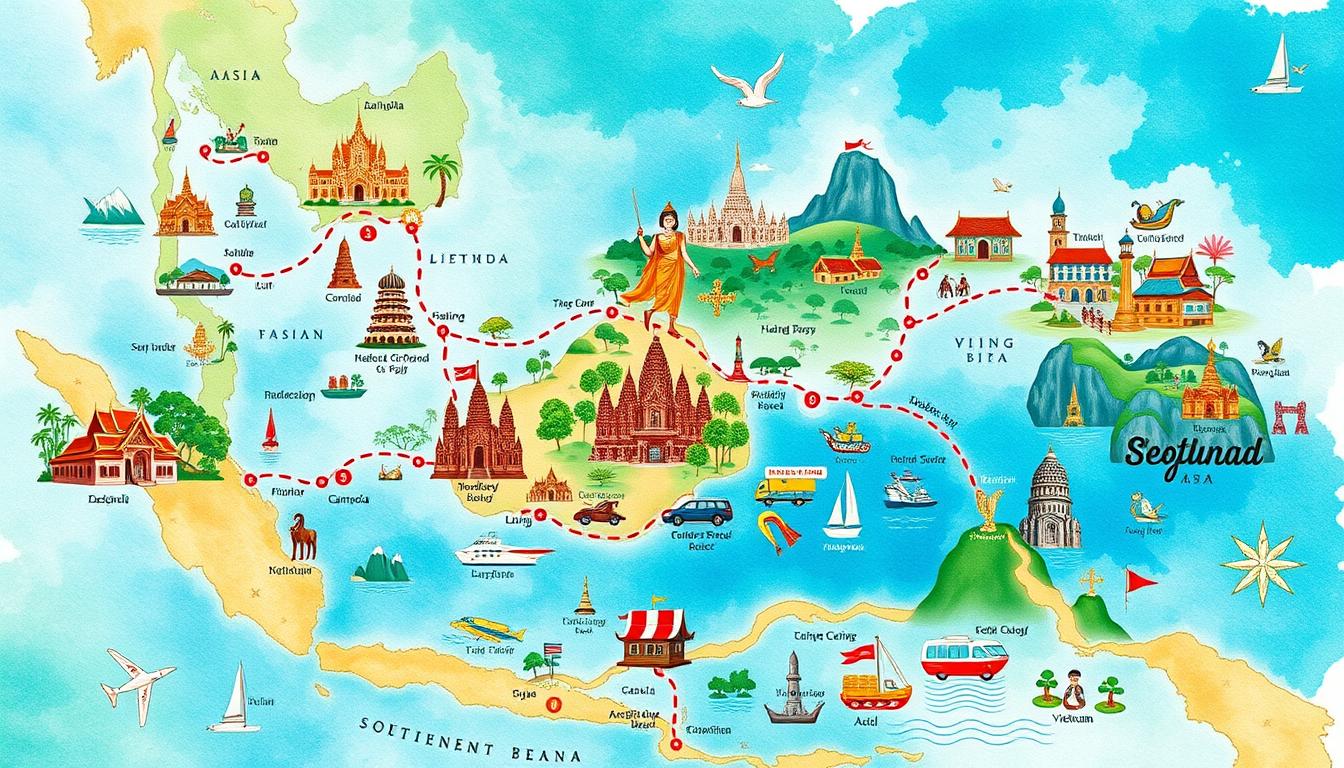
Did you know that over 30 million travelers visit Southeast Asia annually? This region is a treasure trove of culture, history, and natural beauty. From the ancient temples of Angkor Wat to the stunning landscapes of Halong Bay, there’s something for everyone.
This Asia itinerary covers six incredible countries: Thailand, Laos, Cambodia, Vietnam, Malaysia, and Indonesia. It’s designed to balance popular destinations with hidden gems. You’ll explore bustling cities, serene islands, and cultural hotspots.
Traveling doesn’t have to break the bank. This guide includes a detailed budget breakdown. You’ll find real-world costs for accommodation, food, transport, and activities. Whether you’re a seasoned traveler or planning your first trip, this itinerary offers practical tips and insights.
Key Takeaways
- Explore six countries in a comprehensive 3-month journey.
- Discover iconic attractions like Angkor Wat and Halong Bay.
- Balance popular destinations with offbeat experiences.
- Get a detailed budget breakdown for every aspect of your trip.
- Practical tips for affordable and memorable travel.
Introduction to My 3 Month Southeast Asia Itinerary
Long-term travel allows you to dive deeper into the essence of a destination. My backpacking journey spanned nine months, averaging just $35 a day. This experience taught me the value of balancing cost with comfort while exploring the world.
Post-pandemic travel has seen some price changes, but as of 2023, many costs remain affordable. For example, accommodation and food in this region are still budget-friendly. This makes it an ideal choice for extended trips.
One of the biggest advantages of long-term travel is the ability to immerse yourself fully. Unlike short vacations, you can take your time to explore hidden gems and connect with local cultures. Mixing hostel stays with occasional hotel splurges ensures both affordability and comfort.
Before setting off, it’s essential to account for pre-trip expenses. These include a reliable backpack, necessary vaccines, travel insurance, and flights. On average, these initial costs can add up to around $1,300. However, once you’re on the road, daily expenses are surprisingly low.
This guide aims to help you plan your own adventure. Whether you’re dreaming of a three-month trip or a longer journey, the insights shared here will make your experience smoother and more enjoyable.
Why Southeast Asia is Perfect for a 3-Month Adventure
Exploring a new region can be both exciting and overwhelming, but Southeast Asia makes it easy. This area is known for its affordability, diverse cultures, and stunning landscapes. Whether you’re drawn to bustling cities or tranquil beaches, there’s something for everyone.
One of the biggest advantages is the low daily cost. Compared to Western standards, meals, accommodations, and transportation are incredibly budget-friendly. This allows you to stretch your funds further while enjoying a comfortable life on the road.
The compact geography of the region makes overland travel efficient. You can easily hop from one country to another, experiencing everything from Buddhist temples to Islamic architecture. Tribal villages and UNESCO World Heritage sites add to the cultural richness.
Timing your trip between November and February ensures ideal weather. The dry season offers sunny days and cooler nights, perfect for exploring. Safety is another plus, with backpacker-friendly infrastructure and welcoming locals.
From vibrant islands to serene landscapes, this part of the world is a traveler’s paradise. Whether you’re a first-time visitor or a seasoned explorer, Southeast Asia promises an unforgettable adventure.
Planning Your 3 Month Southeast Asia Itinerary
Planning a long journey requires careful thought and preparation. To make the most of your time, it’s essential to consider factors like weather, travel logistics, and health precautions. This section will guide you through choosing the right days to travel and preparing for your adventure.
Choosing the Right Time to Travel
The best months to visit are between November and February. During this period, the weather is dry and pleasant, making it ideal for exploring. Whether you’re hiking in the mountains or relaxing on the beach, these months offer the perfect conditions.
Booking flights strategically can save you money. Use multi-city searches with hubs like Bangkok or Kuala Lumpur. This approach allows you to cover more destinations without breaking the bank.
Essential Pre-Trip Preparations
Before you leave, ensure you have the necessary visas. Many countries offer e-visa options for Vietnam, Laos, and Cambodia. This simplifies the process and saves you time at immigration.
Health is another critical factor. Vaccinations for Hepatitis A/B, Typhoid, and Malaria prophylaxis are recommended. Pack lightweight, quick-dry clothing to stay comfortable in the tropical climate.
Finally, book your accommodation in advance for popular destinations. This ensures you have a place to stay and avoids last-minute stress. With these preparations, you’re ready for an unforgettable journey.
Month 1: Exploring Thailand and Laos
The first month of your journey will immerse you in the vibrant cultures of Thailand and Laos. These two countries offer a mix of bustling cities, serene landscapes, and unforgettable experiences. From the lively streets of Bangkok to the tranquil beauty of Luang Prabang, this leg of the trip is packed with adventure.
Thailand: Bangkok, Chiang Mai, and the Islands
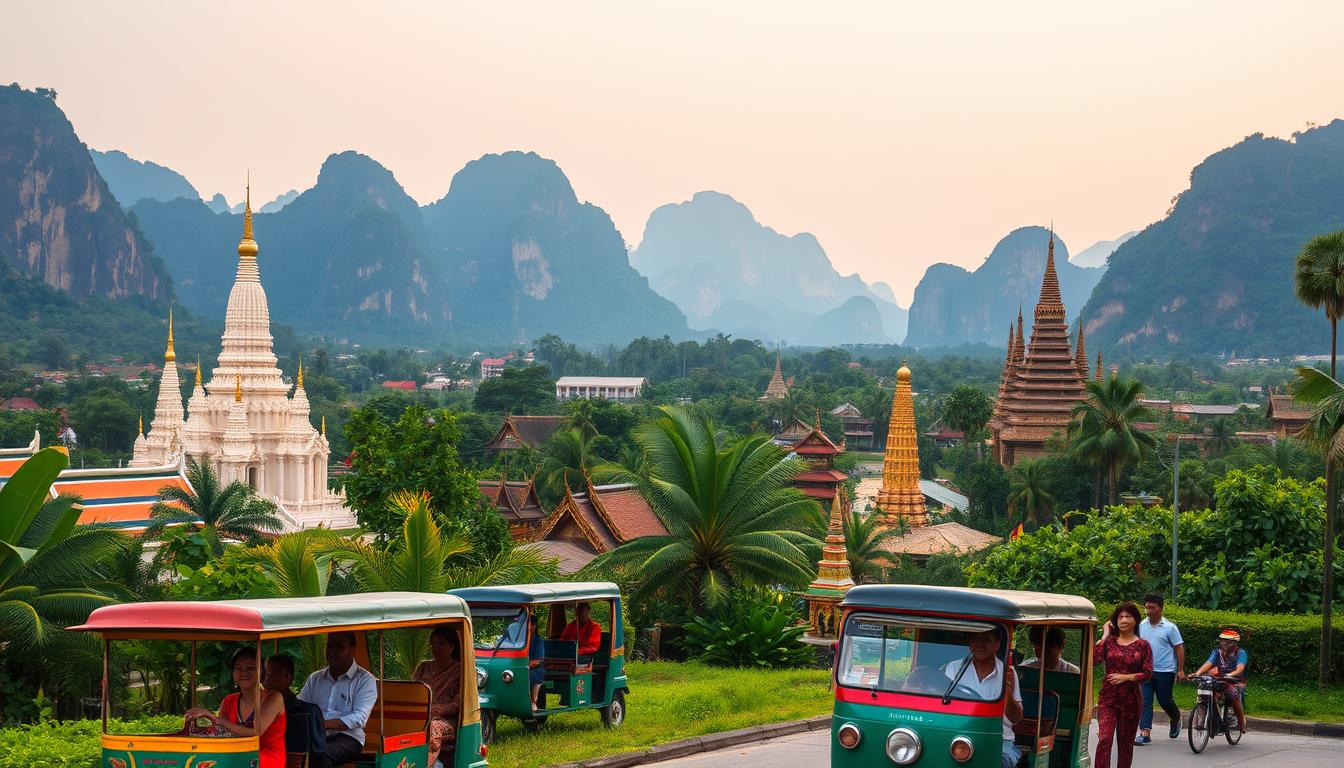
Start your adventure in Bangkok, a city that never sleeps. Visit the iconic Grand Palace, where the intricate architecture and rich history will leave you in awe. Entry costs around $15, but the experience is priceless. Don’t miss the bustling markets, where you can sample delicious street food for just $2-5 per meal.
Next, head to Chiang Mai, a haven for nature lovers. Trekking through the lush hills and visiting hill tribe villages is a must. These experiences start at $20 and offer a glimpse into local traditions. The city’s ancient temples add a spiritual touch to your journey.
Finally, unwind on Thailand’s stunning islands. Koh Phi Phi is famous for its vibrant nightlife and beautiful beaches, with dorm rooms costing around $20. For a more laid-back vibe, head to Koh Tao, where scuba diving courses start at just $6.
Laos: Luang Prabang and Vang Vieng
Cross the border into Laos and discover the charm of Luang Prabang. This UNESCO World Heritage site is known for its stunning Kuang Si Falls and serene Buddhist monasteries. Overnight buses to the city cost around $10, making it an affordable option for travelers.
Continue your journey to Vang Vieng, a paradise for adventure seekers. River tubing and cave exploration are popular activities here. With a little planning, you can enjoy these experiences without breaking the bank. Guesthouses in Laos range from $15 to $34, offering comfortable stays for every budget.
From the bustling streets of Bangkok to the tranquil beauty of Luang Prabang, the first month of your trip promises unforgettable memories. Whether you’re exploring ancient temples or relaxing on pristine islands, this leg of the journey is just the beginning of your adventure.
Month 2: Discovering Cambodia and Vietnam
The second month of your journey takes you to the heart of Cambodia and Vietnam, where history and natural beauty collide. These countries offer a mix of ancient wonders, vibrant cities, and breathtaking landscapes. From the temples of Siem Reap to the bustling streets of Ho Chi Minh City, this leg of the trip is packed with unforgettable experiences.
Cambodia: Siem Reap and Phnom Penh
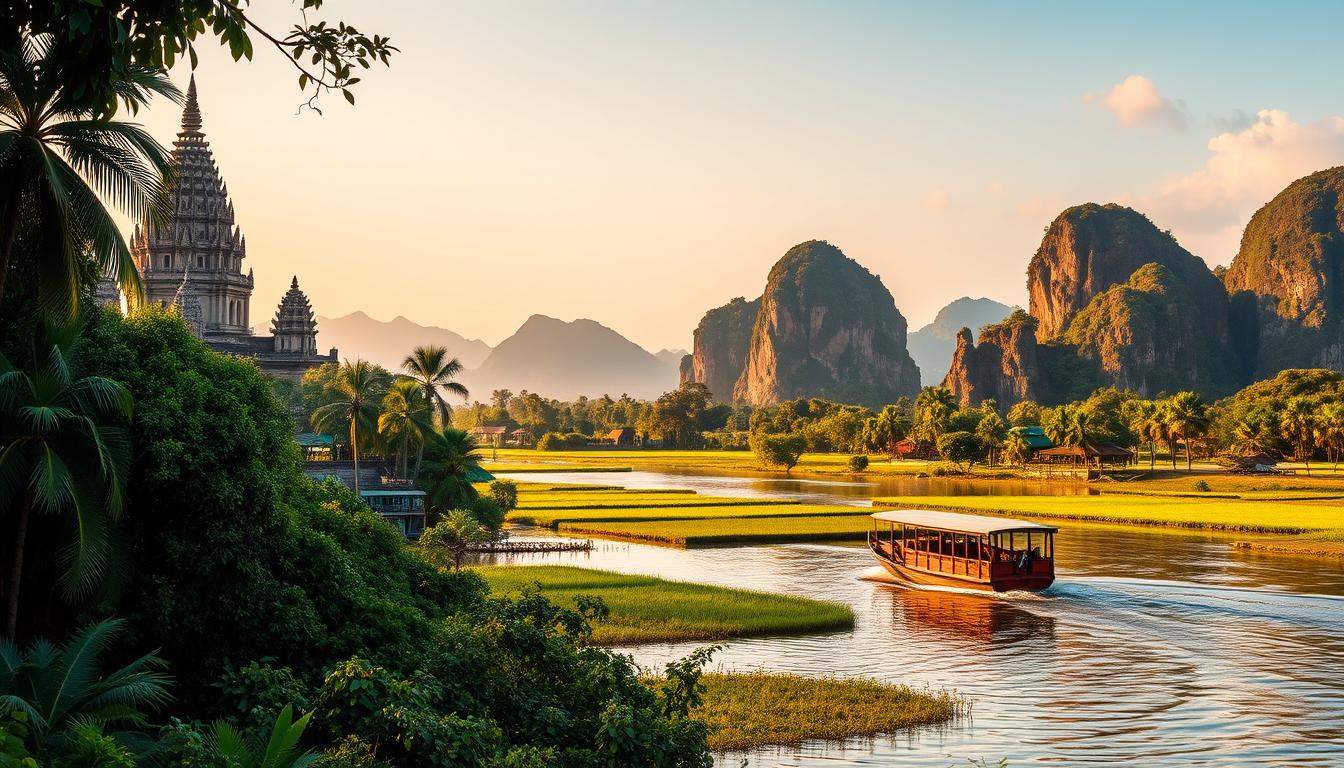
Start your Cambodian adventure in Siem Reap, home to the iconic Angkor Wat. A temple pass costs between $37 and $62, depending on the number of days you plan to explore. Tuk-tuk drivers charge around $15 for a full day of temple hopping, making it an affordable way to see the sights.
Next, head to Phnom Penh, the country’s capital. Visit the Tuol Sleng Museum to learn about Cambodia’s history, and enjoy riverside dining along the Mekong. These experiences offer a blend of culture and relaxation, perfect for unwinding after days of exploration.
Vietnam: Hanoi, Halong Bay, and Ho Chi Minh City
In Vietnam, begin in Hanoi, where street food is a highlight. A bowl of pho costs under $3, and bia hoi (local beer) is just 50 cents. The city’s vibrant atmosphere and affordable eats make it a must-visit destination.
From Hanoi, take a trip to Halong Bay. Cruise options range from budget group boats to luxury experiences, starting at $180. The stunning limestone karsts and emerald waters make this a bucket-list destination.
End your journey in Ho Chi Minh City, also known as Saigon. Visit the War Remnants Museum and explore the Cu Chi Tunnels for a deeper understanding of Vietnam’s history. These experiences are both educational and impactful, leaving a lasting impression.
Month 3: Unwinding in Malaysia and Indonesia
The final leg of your journey brings you to Malaysia and Indonesia, where relaxation meets adventure. These destinations are perfect for unwinding after months of exploration. From bustling cities to tranquil beaches, this month offers a mix of culture and leisure.
Malaysia: Kuala Lumpur and Penang
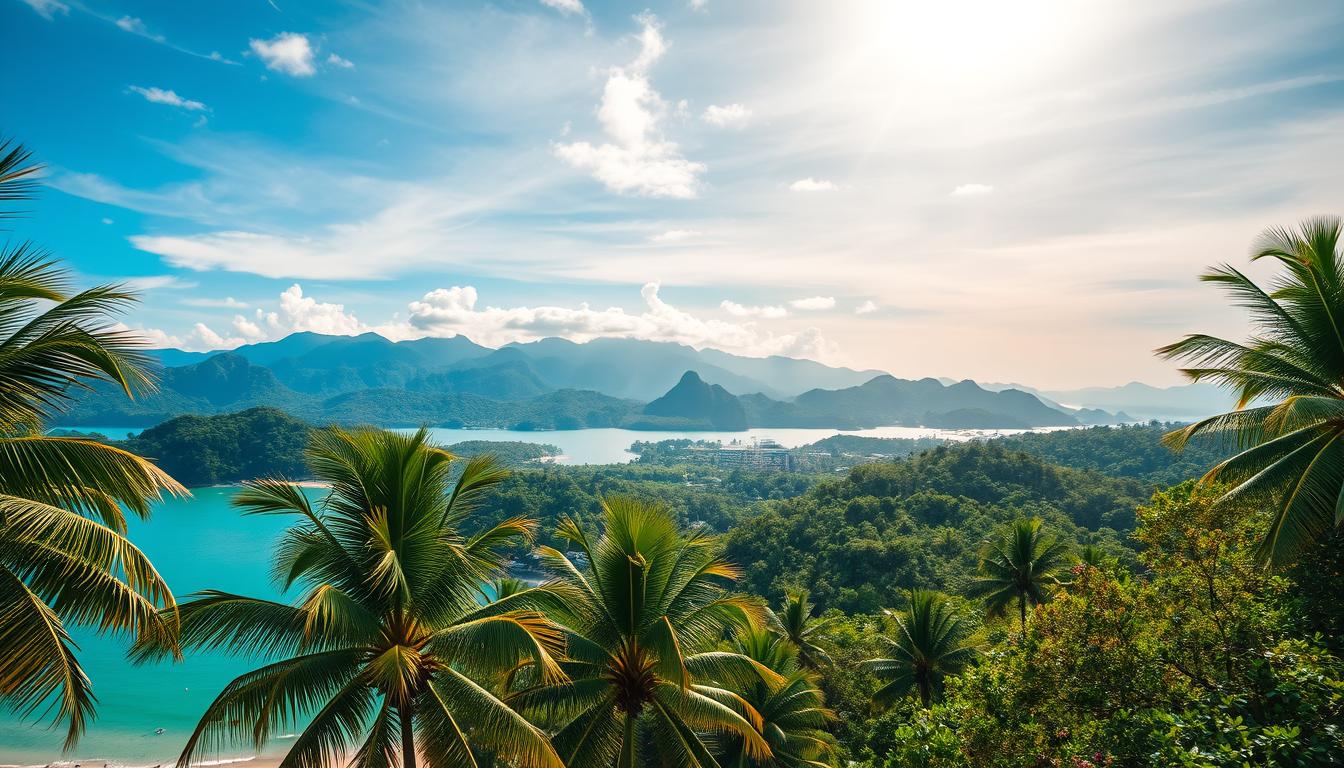
Start in Kuala Lumpur, a city that blends modernity with tradition. Visit the iconic Batu Caves, a limestone hill featuring Hindu temples and vibrant staircases. For accommodation, hostel beds start at just $12, making it a budget-friendly option.
Next, head to Penang, known for its rich culinary scene. Hawker stalls serve up local favorites like char kway teow for under $3. The island’s street art and colonial architecture add to its charm, making it a must-visit for food and culture lovers.
Indonesia: Bali and the Gili Islands
In Bali, choose between inland homestays for $20 or beachfront villas for $40. The island is famous for its rice terraces, temples, and vibrant nightlife. For adventure seekers, scuba diving courses start at $410, offering an unforgettable experience.
End your journey on the Gili Islands, where dorms cost around $18. Rent a scooter for $5 a day and explore the pristine beaches. Snorkeling with turtles is a highlight, and the laid-back vibe is perfect for relaxation.
For those seeking quieter alternatives, Lombok offers $10 hostels on less-touristed islands. This final month ensures a perfect balance of adventure and relaxation, leaving you with lasting memories.
Budget Breakdown for a 3-Month Southeast Asia Trip
Traveling through this region offers a perfect blend of affordability and adventure. Whether you’re a backpacker or a mid-range traveler, understanding the costs helps you plan better. Here’s a detailed look at accommodation, food, transportation, and activities to help you stay on track.
Accommodation Costs
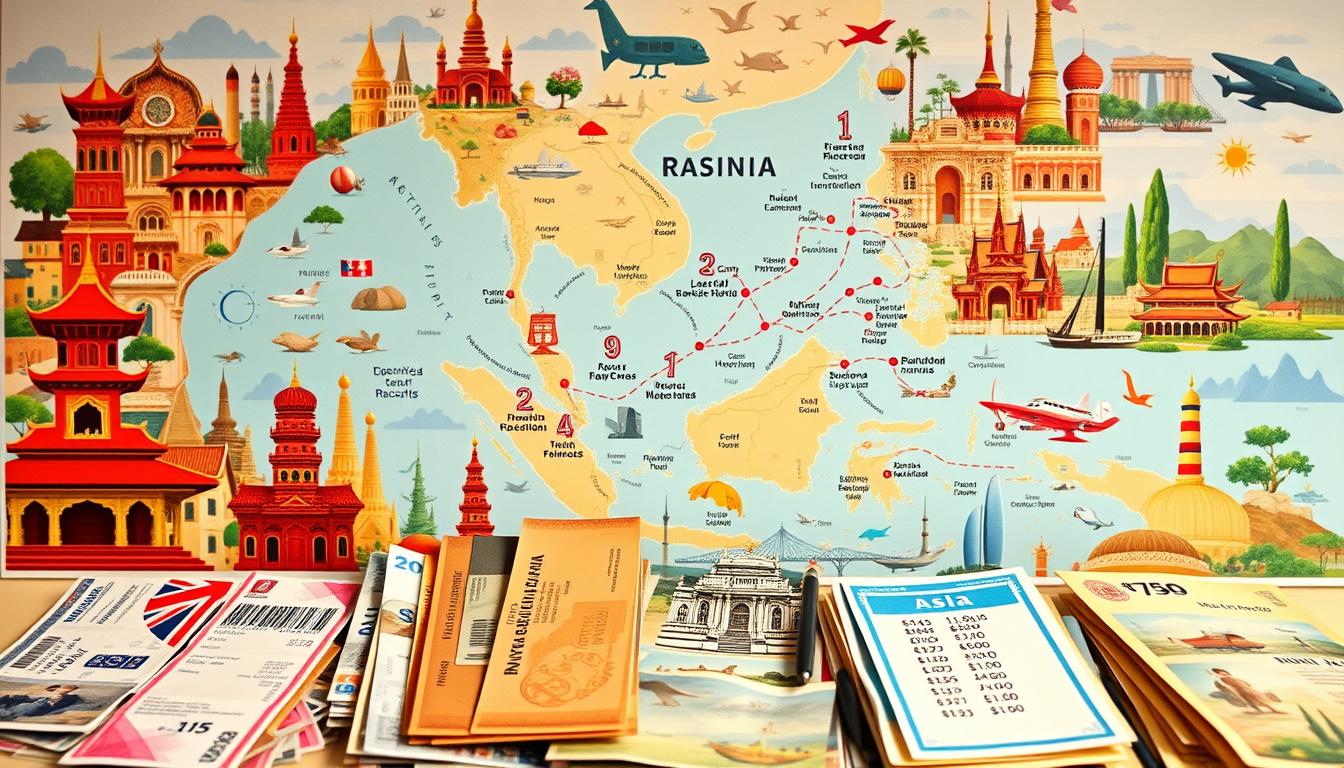
Staying in hostels is a popular choice for budget-conscious travelers. Across the region, dorm beds range from $6 to $20 per night. Private rooms in guesthouses or budget hotels cost slightly more, averaging $15 to $34. For those seeking comfort, mid-range hotels are available at reasonable prices, especially in cities like Bangkok and Kuala Lumpur.
Food and Dining Expenses
Street food is a highlight of the region, with meals costing as little as $1 to $5. Local markets offer a variety of dishes, from pad Thai to pho. If you prefer restaurants, expect to spend $5 to $15 per meal. Cooking your own food in hostel kitchens can also save money, especially in more expensive areas.
Transportation and Activities
Getting around is both affordable and efficient. Overnight buses in Laos and Cambodia cost around $1 per hour, making long-distance travel budget-friendly. For shorter trips, tuk-tuks and motorbike taxis are convenient options. Activities vary in price, from $20 island tours to splurges like the $300+ Gibbon Experience in Laos. Plan ahead to balance your budget with must-do experiences.
Overall, a three-month trip can cost between $2,000 and $4,500, depending on your travel style. With careful planning, you can enjoy an unforgettable adventure without breaking the bank.
Tips for Saving Money While Traveling in Southeast Asia
Stretching your travel budget in Southeast Asia is easier than you think. With a few smart strategies, you can make your money go further while enjoying everything this region has to offer.
One of the best ways to save is by negotiating long-stay discounts at family-run guesthouses. Many locals are open to offering lower rates if you plan to stay for several days. This not only saves cash but also helps you connect with the community.
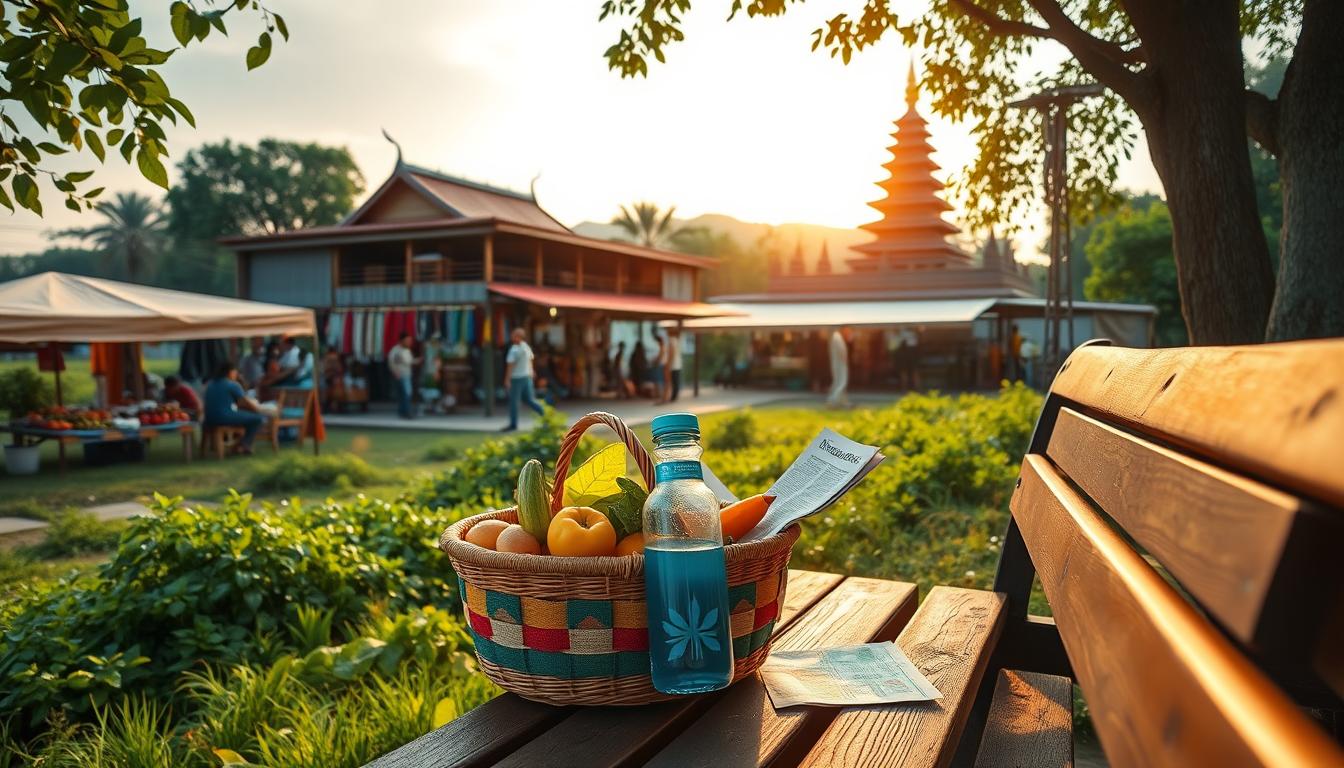
Transportation costs can add up, but using platforms like 12Go Asia can help you find the cheapest bus and ferry tickets. Booking directly with local providers often yields better deals than third-party sites.
When it comes to food, skip the tourist-trap restaurants and head to night markets. These vibrant spots offer delicious meals for just a few dollars. Joining hostel family dinners is another great way to save on meals while meeting fellow travelers.
Finally, consider using ATM fee-free cards like Charles Schwab to avoid unnecessary charges. These small adjustments can make a big difference in your overall expenses, leaving you with more to spend on unforgettable experiences.
Essential Packing List for a 3-Month Southeast Asia Trip
Packing smart is the key to enjoying your adventure without unnecessary stress. The right gear ensures you’re prepared for everything from sudden downpours to sunny beach days. Here’s a list of essentials to make your trip smoother and more enjoyable.
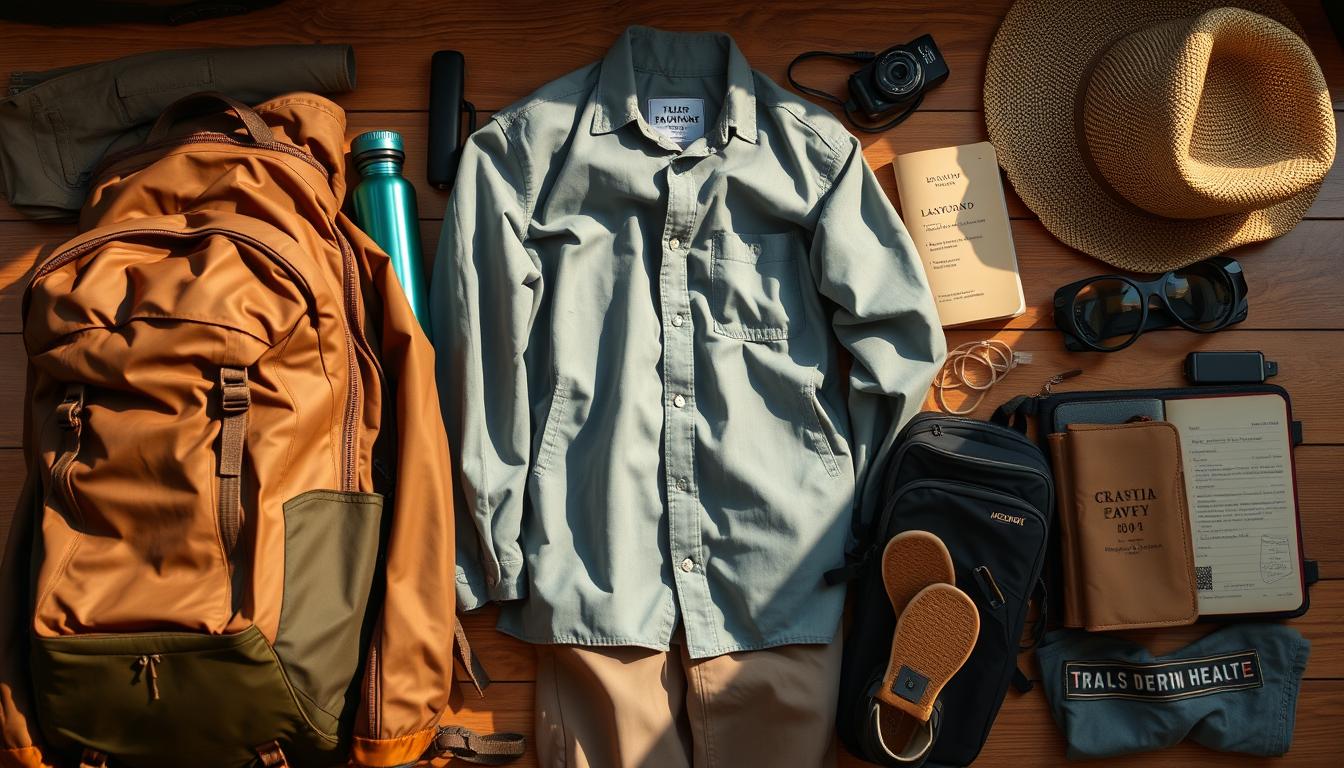
Start with a lightweight rain jacket. Sudden showers are common, especially in the mountains and coastal areas. Pair it with quick-dry clothing to stay comfortable in humid weather. These items are versatile and easy to pack.
For islands and water activities, a waterproof phone case and dry bag are must-haves. They protect your electronics and valuables during island hopping or boat rides. Reef-safe sunscreen is another essential, as it’s often pricier locally.
Don’t forget a compact microfiber towel. It’s lightweight, dries quickly, and takes up minimal space. Padlocks are also crucial for securing your belongings in hostels. Finally, a portable power bank with USB-C charging ensures your devices stay powered throughout your days of exploration.
With these essentials, you’ll be ready for any adventure, whether it’s hiking in the mountains or relaxing on the beach. Pack smart, travel light, and focus on making unforgettable memories.
Navigating Visa Requirements for Southeast Asia
Understanding visa requirements is crucial for a smooth journey across Southeast Asia. Each country in this region has unique rules, so planning ahead ensures a hassle-free trip.
Vietnam offers a 90-day e-visa, which can be easily applied for online. This option is convenient for travelers planning extended stays. Cambodia provides a $30 visa-on-arrival at airports, making it a straightforward process for most visitors.
Laos allows a 30-day visa exemption for many nationalities, simplifying entry for short-term travelers. Thailand also offers a 30-day exemption, with the option to extend for an additional 30 days if needed.
For those planning to explore multiple countries, consider multiple-entry strategies. Border runs can help extend your stay, especially if you’re traveling for several months. This guide ensures you’re well-prepared for your adventure.
Health and Safety Tips for Traveling in Southeast Asia
Staying healthy and safe is a key part of any travel experience. Whether you’re exploring bustling cities or serene beaches, a little preparation goes a long way. Here are some essential tips to keep in mind.
First, invest in reliable travel insurance. Companies like Heymondo offer long-term coverage, ensuring you’re protected in case of medical emergencies. This small step can save you from unexpected expenses and stress.
Food safety is another important aspect. Follow the “Boil it, cook it, peel it” rule to avoid stomach issues. Street food is delicious, but make sure it’s freshly prepared and served hot.
Mosquito prevention is crucial in tropical regions. Use DEET-based repellents and wear permethrin-treated clothes to reduce the risk of diseases like dengue and malaria. These simple measures can make your days much more comfortable.
When it comes to transportation, avoid night buses in mountainous areas. These routes can be risky due to poor road conditions. Always choose reputable operators for a safer life on the road.
Finally, stay alert to common scams. Always insist on using taxi meters and practice polite price haggling. Being aware of your surroundings ensures a smoother and more enjoyable experience.
Cultural Insights and Etiquette in Southeast Asia
Understanding local customs can transform your travel experience. This part of the world is rich in traditions, and respecting them helps you connect with the locals. Here’s a guide to navigating cultural norms with ease.
When visiting temples, dress modestly. Cover your shoulders and knees to show respect. Many sacred sites enforce these rules strictly, so plan your attire in advance. Removing your shoes before entering is also a common practice.
Foot taboos are another important aspect. Never point the soles of your feet at people or religious objects. This gesture is considered disrespectful in many cultures. Sit cross-legged or tuck your feet under you when seated on the floor.
Bargaining at markets is common, but do it with a smile. Start by offering 60% of the initial price and negotiate politely. This approach ensures a fair deal while maintaining goodwill with vendors.
Dual pricing at tourist sites is widely accepted. Locals often pay less than foreigners, so don’t be surprised by the difference. Accept it as part of the cultural landscape and focus on enjoying the experience.
When interacting with monks, women should avoid physical contact. This includes handing items directly to them. Instead, place offerings on a cloth or let a male companion assist. These small gestures show respect for religious practices.
| Cultural Norm | Tips |
|---|---|
| Temple Etiquette | Cover shoulders and knees; remove shoes. |
| Foot Taboos | Avoid pointing soles at people or objects. |
| Bargaining | Smile and settle at 60% of the initial price. |
| Dual Pricing | Accept the difference at tourist sites. |
| Monk Interaction | Women should avoid physical contact. |
By following these guidelines, you’ll not only show respect but also enrich your journey. Embrace the cultural diversity and create unforgettable memories.
Conclusion: Making the Most of Your 3-Month Southeast Asia Adventure
Your journey through this vibrant region is more than just a trip—it’s a chance to grow and explore. Flexibility is key. Allow room for spontaneous changes to your itinerary to embrace unexpected opportunities.
Consider extending your stay in favorite destinations like Luang Prabang or Bali. These places offer deeper cultural immersion, especially through homestays. Engaging with locals enriches your experience and creates lasting memories.
Managing your budget wisely ensures you can enjoy every moment without stress. Stick to street food, use local transport, and book accommodations in advance. These small steps make a big difference.
Finally, prioritize safety by investing in reliable travel insurance. It’s a small cost for peace of mind. This guide aims to help you make the most of your months abroad. Embrace the adventure, and let the journey transform you.
FAQ
What’s the best time to visit Southeast Asia for a 3-month trip?
The ideal time is during the dry season, from November to February. This period offers pleasant weather for exploring beaches, temples, and markets across the region.
How much should I budget for a 3-month trip to Southeast Asia?
On average, a budget of
FAQ
What’s the best time to visit Southeast Asia for a 3-month trip?
The ideal time is during the dry season, from November to February. This period offers pleasant weather for exploring beaches, temples, and markets across the region.
How much should I budget for a 3-month trip to Southeast Asia?
On average, a budget of $1,500 to $2,500 per month is comfortable. This covers accommodation, food, transportation, and activities while allowing for some splurges.
Do I need a visa for each country in Southeast Asia?
Visa requirements vary by country. For example, Thailand offers visa-free entry for many nationalities, while Vietnam and Cambodia often require e-visas or visas on arrival.
What are the must-visit destinations in Southeast Asia?
Don’t miss Bangkok, Chiang Mai, and the Phi Phi Islands in Thailand. In Laos, explore Luang Prabang and Vang Vieng. Cambodia’s Angkor Wat and Vietnam’s Halong Bay are also highlights.
How do I get around Southeast Asia?
Buses, trains, and budget flights are common. For shorter distances, tuk-tuks and motorbike taxis are affordable and convenient options.
What should I pack for a 3-month trip to Southeast Asia?
Pack lightweight clothing, comfortable shoes, a reusable water bottle, and travel insurance. Don’t forget essentials like sunscreen, insect repellent, and a power adapter.
Is it safe to travel in Southeast Asia?
Yes, but always stay alert. Keep your belongings secure, avoid risky areas at night, and follow local advice. Travel insurance is highly recommended.
What’s the food like in Southeast Asia?
The cuisine is diverse and flavorful. Try street food like pho in Vietnam, pad Thai in Thailand, and nasi goreng in Indonesia. Always eat at busy stalls for freshness.
How can I save money while traveling in Southeast Asia?
Stay in hostels or guesthouses, eat local street food, and use public transportation. Bargain at markets and book activities directly with local providers.
What cultural etiquette should I follow in Southeast Asia?
Dress modestly at temples, remove your shoes before entering homes, and avoid touching people’s heads. Always greet locals with a smile and respect their customs.
,500 to ,500 per month is comfortable. This covers accommodation, food, transportation, and activities while allowing for some splurges.
Do I need a visa for each country in Southeast Asia?
Visa requirements vary by country. For example, Thailand offers visa-free entry for many nationalities, while Vietnam and Cambodia often require e-visas or visas on arrival.
What are the must-visit destinations in Southeast Asia?
Don’t miss Bangkok, Chiang Mai, and the Phi Phi Islands in Thailand. In Laos, explore Luang Prabang and Vang Vieng. Cambodia’s Angkor Wat and Vietnam’s Halong Bay are also highlights.
How do I get around Southeast Asia?
Buses, trains, and budget flights are common. For shorter distances, tuk-tuks and motorbike taxis are affordable and convenient options.
What should I pack for a 3-month trip to Southeast Asia?
Pack lightweight clothing, comfortable shoes, a reusable water bottle, and travel insurance. Don’t forget essentials like sunscreen, insect repellent, and a power adapter.
Is it safe to travel in Southeast Asia?
Yes, but always stay alert. Keep your belongings secure, avoid risky areas at night, and follow local advice. Travel insurance is highly recommended.
What’s the food like in Southeast Asia?
The cuisine is diverse and flavorful. Try street food like pho in Vietnam, pad Thai in Thailand, and nasi goreng in Indonesia. Always eat at busy stalls for freshness.
How can I save money while traveling in Southeast Asia?
Stay in hostels or guesthouses, eat local street food, and use public transportation. Bargain at markets and book activities directly with local providers.
What cultural etiquette should I follow in Southeast Asia?
Dress modestly at temples, remove your shoes before entering homes, and avoid touching people’s heads. Always greet locals with a smile and respect their customs.