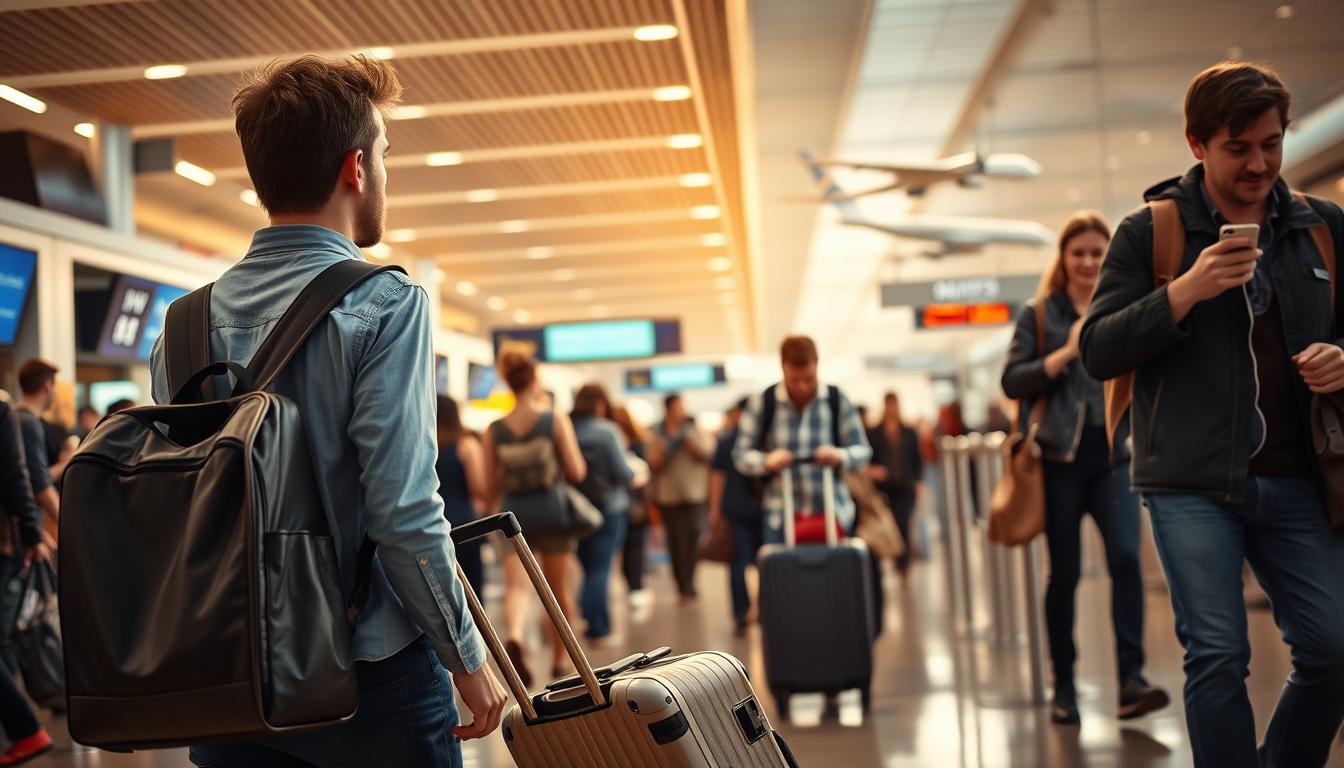
Did you know that 93% of TSA Pre-Check users wait five minutes or less at security? This surprising fact highlights how small changes can make a big difference in your travel experience. Modern air travel comes with its fair share of challenges, from long security lines to unexpected fees. But with the right strategies, you can navigate these hurdles with ease.
Whether you’re a frequent flyer or planning your first trip, these tips are designed to help you save both time and money. From avoiding overpriced amenities to streamlining your pre-flight routine, these hacks address common pain points. They’re practical, easy to implement, and can significantly reduce travel stress.
This guide is organized to take you step-by-step, starting with pre-flight preparation and ending with in-flight strategies. By the time you’re done reading, you’ll have a toolkit of smart tips to make your next journey smoother and more enjoyable.
Key Takeaways
- TSA Pre-Check can drastically reduce security wait times.
- Smart preparation helps avoid common travel frustrations.
- Strategies work for both frequent and first-time travelers.
- Focus on saving time and money while reducing stress.
- Tips cover pre-flight, airport navigation, and in-flight routines.
1. Apply for TSA Pre-Check to Speed Through Security
Imagine waiting less than five minutes at security every time you travel. For 93% of TSA Pre-Check users, this is a reality. This service is designed to streamline the security process, allowing you to keep your shoes, belt, and jacket on while bypassing long lines.

Why TSA Pre-Check is Worth It
Standard security lines can be time-consuming and stressful. With TSA Pre-Check, you’ll spend less time waiting and more time enjoying your trip. For frequent travelers, the $85 fee for a five-year membership is a small price to pay for convenience. Even occasional flyers can benefit from the peace of mind it offers.
How to Apply for TSA Pre-Check
The application process is straightforward. Start by filling out the online form, then schedule a 10-minute in-person appointment for fingerprinting. Once approved, you’ll receive a Known Traveler Number (KTN) to use when booking flights. Approval typically takes a few weeks, so plan ahead.
For an even faster experience, consider pairing TSA Pre-Check with CLEAR. This complementary service uses biometric technology to verify your identity, further reducing wait times. Pro tip: Pre-Check lines are often located on the left side of the security checkpoint, so head there first.
2. Choose the Best Seats for Comfort and Convenience
Your seat choice can make or break your travel experience. Whether you’re on a short hop or a long-haul journey, where you sit matters. The right seat can mean extra legroom, easy access to the aisle, or a peaceful view out the window.

How to Research the Best Seats
Start by using tools like SeatGuru to explore plane-specific layouts. This helps you avoid seats with limited recline or poor legroom. For long flights, window seats are ideal for sleeping, while aisle seats are better for working or stretching your legs.
Bulkhead and exit rows offer extra space but often lack under-seat storage. If you’re traveling with a bag, keep this in mind. Pro tip: Use Expert Flyer to get alerts about seat upgrades and availability.
Seat Selection Tips for Families and Solo Travelers
Families should opt for aisle seats for easy bathroom access. Solo travelers might prefer window seats for privacy. On shorter trips, comfort is less critical, but on long flights, prioritize legroom and recline.
Be cautious when booking through third-party sites. Some seats labeled as “premium” may not live up to expectations. Always double-check reviews and seat maps before confirming your choice.
3. Familiarize Yourself with Layover and Destination Airports
Navigating busy hubs can be overwhelming, but a little preparation goes a long way. Whether you’re passing through a layover or arriving at your final stop, knowing your way around can save you time and stress. From locating charging stations to finding quiet zones, here’s how to make the most of your terminal experience.

Using Airport Maps to Save Time
Airport maps are your best friend when navigating large terminals like DFW or ATL. Many hubs offer interactive maps on their websites or apps, helping you locate gates, shops, and amenities quickly. Pro tip: Download the map before your trip to avoid relying on spotty Wi-Fi.
For a seamless experience, identify key areas like security checkpoints, restrooms, and food courts. Apps like MyTSA provide real-time security wait times, so you can plan accordingly. If you’re in a rush, prioritize the shortest routes to your gate.
Finding Amenities and Wi-Fi in Airports
Modern terminals are packed with amenities to enhance your stay. Look for charging stations near gates or in lounge areas. Quiet zones, often found near meditation rooms or specific gates, are perfect for unwinding during long layovers.
Some hubs, like Heathrow and Gatwick, even offer free water refill stations. If you’re in need of a shower or nap pod, check reviews on SleepinginAirports.net to find terminals with these perks. For Wi-Fi, many Starbucks locations share passwords on receipts or display them near the counter.
| Airport | Amenities | Wi-Fi Access |
|---|---|---|
| DFW | Charging stations, quiet zones | Free with registration |
| ATL | Free showers, nap pods | Free with registration |
| Heathrow | Water refill stations, lounges | Free with registration |
By familiarizing yourself with these features, you can turn a hectic layover into a productive or relaxing break. A little research and planning can make all the difference in your travel experience.
4. Pack Travel-Sized Items to Avoid Hassles
Traveling light doesn’t mean sacrificing essentials—it’s about smart packing. By focusing on travel-sized items, you can breeze through security and keep your bag organized. This approach saves space and ensures you’re prepared for any trip.

TSA Rules for Liquids and Toiletries
The TSA’s 3-1-1 rule is a must-know for travelers. All liquids, gels, and aerosols must be in containers of 3.4 ounces or less. These should fit into a single quart-sized, clear plastic bag. This rule applies to toiletries like shampoo, conditioner, and toothpaste.
Pro tip: Use reusable silicone bottles instead of disposable kits. They’re eco-friendly and often more durable. Multi-use products, like 2-in-1 shampoo/conditioner, can also save space and weight in your luggage.
Where to Buy Travel-Sized Products
Finding travel-sized items is easier than ever. Stores like Target have dedicated travel sections with a wide range of products. Alternatively, many hotels offer complimentary toiletries, which can be a cost-effective option.
Be cautious with certain items. Snow globes and peanut butter are often confiscated at security checkpoints. Always double-check TSA guidelines before packing to avoid surprises.
5. Bring a Multi-Plug Adapter for Charging Convenience
Finding a free outlet at the terminal can feel like a treasure hunt. With airports averaging just one outlet per 12 seats, staying powered up can be a challenge. A multi-plug adapter is a simple yet effective solution to keep all your devices charged without the hassle.

Why a Multi-Plug Adapter is Essential
Modern travelers rely on multiple devices, from laptops to CPAP machines. A multi-plug adapter allows you to charge several items simultaneously, saving you time and stress. Popular options like the Anker 3-in-1 cube are compact, efficient, and highly recommended by travel bloggers.
USB-C adapters are becoming the standard for newer devices, while traditional adapters remain useful for older gadgets. Consider a combo adapter/power bank for added versatility. This way, you’re prepared for any situation, whether you’re at the gate or on long flights.
Sharing Outlets with Fellow Travelers
Shared outlets can lead to awkward moments, but a little etiquette goes a long way. If you’re using a multi-plug adapter, offer to share the extra ports with other people. This small gesture can make the experience more pleasant for everyone.
Be mindful of space when setting up your charging station. Avoid blocking walkways or taking up more room than necessary. Pro tip: Label your cables to avoid mix-ups and ensure a smooth charging process.
| Adapter Type | Best For | Pros |
|---|---|---|
| USB-C | Newer devices | Fast charging, compact |
| Traditional | Older gadgets | Wide compatibility |
| Combo Adapter/Power Bank | On-the-go charging | Portable, versatile |
By bringing a multi-plug adapter, you’ll ensure your devices stay charged throughout your journey. It’s a small investment that makes a big difference in your travel experience.
6. Carry a Portable Battery Charger for On-the-Go Power
A portable battery charger can be a game-changer for travelers. Whether you’re on long flights or navigating layovers, staying powered up is essential. With the right charger, you can avoid the stress of dead devices and stay connected throughout your journey.

Choosing the Right Portable Charger
Not all chargers are created equal. Consider your device’s power needs before making a purchase. For example, iPhone users typically need a charger with 5,000–10,000 mAh, while MacBook users may require 20,000 mAh or more.
- Look for TSA-friendly models with built-in cables for convenience.
- Opt for compact designs that fit easily in your bag.
- Check for safety certifications to avoid counterfeit items.
How to Keep Your Devices Charged During Travel
Finding a charging spot can be tricky, but there are clever ways to stay powered up. Many airports have USB ports on TVs or rental car desks. These hidden gems can save you times when outlets are scarce.
Be cautious when buying chargers from airport kiosks. Counterfeit products are common and can damage your devices. Instead, invest in a reliable charger before your trip. Pro tip: Label your charger to avoid mix-ups at security checkpoints.
By carrying a portable battery charger, you’ll ensure your devices stay charged today and beyond. It’s a small addition to your travel items that makes a big difference.
7. Pack Dry Snacks to Save Money on Airport Food
Bringing your own snacks can be a smart way to avoid overpriced meals while traveling. Airport food often comes with a hefty markup, sometimes up to 300% on items like bottled water. By packing your own snacks, you can stay fueled without breaking the bank.

Best Snacks to Pack for Flights
Choosing the right snacks ensures you stay energized during your trips. Protein-rich options like jerky, granola bars, and nuts are TSA-approved and perfect for long flights. These items are compact, easy to carry, and provide sustained energy.
- Jerky: High in protein and portable.
- Granola bars: Quick and filling.
- Crackers: Light and easy to pack.
For eco-conscious travelers, reusable Stasher bags are a great alternative to Ziplocs. They’re durable, easy to clean, and better for the environment.
How to Avoid Overpriced Airport Meals
Airport meals can quickly add up, but a little planning can help you save money. For example, a $12 sandwich at the terminal can be replaced with a $3 homemade option. Calorie math shows that packing your own food is both healthier and more cost-effective.
If you must buy at the terminal, look for post-security deals at places like Pret A Manger or Chick-fil-A. These spots often offer better value compared to other vendors.
| Item | Airport Price | Homemade Price |
|---|---|---|
| Sandwich | $12 | $3 |
| Bottled Water | $5 | $1 |
| Granola Bar | $4 | $1 |
By packing your own snacks and making smart shopping choices, you can keep your travel budget intact and enjoy your journey stress-free.
8. Bring an Empty Water Bottle to Stay Hydrated
An empty water bottle can be your best travel companion. Staying hydrated is essential for comfort and health, especially during long flights. By bringing your own bottle, you can avoid overpriced bottled water and reduce plastic waste.
Where to Fill Up Your Water Bottle After Security
Most terminals have water refill stations located near restrooms or food courts. Apps like Airport Water Map can help you find these spots quickly. Starbucks also offers free refills if you bring your own bottle.
Collapsible models like Vapur or Hydro Flask are great for saving space. They’re lightweight and easy to carry, making them ideal for travelers. Pro tip: Fill up before boarding to ensure you have enough water for the flight.
Benefits of Staying Hydrated During Travel
Hydration helps prevent jet lag and keeps your energy levels up. Dehydration can lead to headaches, fatigue, and even nausea. Drinking enough water ensures you arrive at your destination feeling refreshed.
- Reduces the risk of jet lag.
- Boosts energy and focus.
- Keeps your skin healthy during dry cabin air.
Flight crews often recommend asking for ice water during beverage service. It’s a simple way to stay hydrated without relying on sugary drinks. By planning ahead, you can save money and stay healthy throughout your journey.
9. Wear Layers to Maximize Luggage Space
Maximizing luggage space starts with what you wear, not just what you pack. By strategically layering your clothing, you can free up valuable room in your bag and avoid overpacking. This approach is especially useful for travelers who want to stay organized and efficient.

How to Use Clothing to Save Space
Merino wool base layers are a traveler’s best friend. They’re lightweight, breathable, and perfect for layering. Rolling your clothes instead of folding them can also save significant space. This method reduces wrinkles and allows you to fit more items into your luggage.
Consider wearing your bulkiest items, like hiking boots or jackets, during your flights. This not only saves space but also reduces the weight of your bag. ScotteVest travel blazers, with up to 22 pockets, are an excellent option for storing small essentials like chargers or passports.
Tips for Wearing Bulky Items on Flights
When it comes to bulky items, practicality is key. Wearing a jacket with multiple pockets can help you store up to 2 pounds of extra weight, freeing up room in your luggage. Opt for versatile pieces that can be layered or removed as needed.
- Choose lightweight, multi-functional clothing.
- Wear your heaviest shoes during travel.
- Follow TSA rules by removing belts and jewelry at security.
By planning your outfit strategically, you can make the most of your space and travel more comfortably. These simple tips ensure you’re prepared for any journey without the hassle of overpacking.
10. Weigh Your Bags Before Heading to the Airport
Overweight baggage fees can quickly add up, but a little preparation can help you avoid them. Airlines like Spirit and Frontier are known for their strict policies, charging an average of $75+ for overweight luggage. By taking a few minutes to check your bag’s weight, you can save money and travel stress-free.

How to Avoid Overweight Baggage Fees
Start by using a portable luggage scale, which costs under $15 and is a traveler’s best friend. These compact devices are easy to use and provide accurate readings. If you don’t have one, try the bathroom scale hack: weigh yourself holding your bag, then subtract your weight to find the difference.
For last-minute adjustments, consider redistributing items between bags or wearing heavier clothing. Compression cubes can also help maximize space and reduce overall weight. Pro tip: Always check your airline’s specific weight limits before packing.
Using a Home Scale to Check Luggage Weight
If you don’t have a portable scale, your home bathroom scale can work in a pinch. Place your luggage on the scale and note the reading. For smaller items, weigh yourself first, then step on the scale while holding your bag and subtract your weight.
Remember, even a slight overage can result in hefty fees. It’s better to double-check than risk unexpected charges. Pro tip: Keep a small buffer below the limit to account for any discrepancies.
| Airline | Overweight Fee | Weight Limit |
|---|---|---|
| Spirit | $75+ | 40 lbs |
| Frontier | $75+ | 40 lbs |
| Delta | $100+ | 50 lbs |
By weighing your luggage before your trip, you can avoid unnecessary fees and start your journey on the right foot. These simple steps ensure you’re prepared and stress-free at the terminal.
11. Secure Your Luggage with Crush-Proof Locks
Protecting your belongings while traveling is more important than ever. With the rise in lost or mishandled luggage, taking steps to secure your bag can save you from unnecessary stress. From TSA-approved locks to smart tracking devices, there are plenty of ways to keep your items safe.
Why Luggage Security is Important
Traveling involves trusting your luggage to various hands, from airport staff to baggage handlers. A secure bag ensures your valuables stay intact and reduces the risk of theft. Hard-shell suitcases offer better protection against crushing, while soft-shell models are more flexible but less durable.
TSA-approved locks, like those from Travel Sentry and Safe Skies, are a must-have. These locks allow airline security to inspect your bag without damaging the lock. However, be aware of bypass vulnerabilities. Some locks can be opened with universal keys, so choose models with advanced security features.
Best Locks and Trackers for Travelers
When it comes to locks, durability and ease of use are key. Hard-shell luggage often comes with built-in locks, but adding a secondary lock provides extra security. For soft-shell bags, consider combination locks for quick access.
Tracking devices like Apple AirTag and Tile are game-changers. These small gadgets help you locate your bag in real-time, even if it’s misplaced. AirTag uses Apple’s Find My network, while Tile relies on its community-based tracking system. Both are highly effective for peace of mind.
- Hard-shell luggage: Better crush resistance, built-in locks.
- Soft-shell luggage: Lightweight, flexible, but less secure.
- TSA-approved locks: Travel Sentry, Safe Skies.
- Tracking devices: Apple AirTag, Tile.
Pro tip: Adding a “Fragile” sticker to your luggage can encourage handlers to treat it with extra care. While not foolproof, it’s a simple hack that might make a difference.
| Product | Type | Best Feature |
|---|---|---|
| Travel Sentry Lock | TSA-approved lock | Universal key access for security checks |
| Apple AirTag | Tracking device | Real-time location tracking via Find My network |
| Tile Pro | Tracking device | Community-based tracking, long battery life |
By investing in the right locks and trackers, you can travel with confidence, knowing your luggage is secure. These tools are small but powerful additions to your travel routine.
12. Use the My TSA App for Real-Time Wait Times
Knowing how long you’ll wait at security can make your trip smoother. The My TSA app provides real-time updates on wait times, helping you plan your arrival and avoid long lines. This tool is especially useful for busy terminals like MCO and LAX.
How to Navigate Security Lines Efficiently
The My TSA app uses crowd-sourced data to give accurate wait times by hour and day. For example, mornings at MCO often have shorter lines, while LAX peaks in the afternoon. Use this information to arrive at the best time and breeze through security.
Pro tip: Pair the app with TSA Pre-Check for an even faster experience. You’ll spend less time waiting and more time relaxing at your gate.
Other Features of the My TSA App
Beyond wait times, the app offers tools to make your trip easier. The prohibited items search helps you avoid packing mistakes. TSA Cares provides support for travelers with disabilities, ensuring a smooth experience.
You can also link your mobile boarding pass directly in the app. This feature saves time and keeps all your travel details in one place.
| Airport | Peak Wait Time | Optimal Arrival Time |
|---|---|---|
| MCO | 8:00 AM – 10:00 AM | 6:30 AM |
| LAX | 1:00 PM – 3:00 PM | 11:00 AM |
By using the My TSA app, you can stay informed and reduce travel stress. It’s a must-have tool for any traveler.
13. Get Cheap Parking by Researching Ahead of Time
Parking at the terminal doesn’t have to break the bank. With a little planning, you can find affordable options that fit your budget. Whether you’re traveling for a weekend or a longer trip, knowing where to park can help you save money and avoid unnecessary fees.
Comparing Parking Options
Not all parking lots are created equal. Off-site lots, like Park Shuttle & Fly at Logan Airport, are often 30-50% cheaper than terminal parking. These lots provide shuttle service to and from the terminal, making them a convenient and cost-effective choice.
Use comparison tools like ParkingAccess.com or Way to find the best deals. These platforms allow you to compare prices, read reviews, and book in advance. Pro tip: Look for hotel parking bundle deals, which can include free shuttle rides and discounted rates.
How to Save Money on Long-Term Parking
Long-term parking can quickly add up, but there are ways to cut costs. Many off-site lots offer weekly or monthly rates that are significantly cheaper than daily rates. Loyalty programs, like The Parking Spot, provide discounts and rewards for frequent travelers.
Be cautious of “free” parking time limits. Some lots offer free parking for a limited time, but exceeding that limit can result in hefty fees. Always read the fine print before leaving your car.
| Parking Option | Cost Per Day | Shuttle Service |
|---|---|---|
| Terminal Parking | $30 | No |
| Off-Site Lot | $15 | Yes |
| Hotel Bundle | $20 | Yes |
By researching your options today, you can find parking that fits your needs and budget. These simple steps ensure you’re prepared and stress-free for your next trip.
14. Take Advantage of Airport Lounges for Relaxation
Airport lounges offer a quiet escape from the chaos of busy terminals. Whether you’re facing a long layover or just need a break, these spaces provide comfort and convenience. From complimentary food to showers, lounges can transform your travel experience.
How to Access Lounges Without a First-Class Ticket
You don’t need a first-class ticket to enjoy lounge access. Programs like Priority Pass, available through credit cards like Chase Sapphire, allow entry to hundreds of lounges worldwide. For a one-time visit, day passes are often available for as low as $25 on platforms like ResortPass.
Some lounges, like Centurion and Sky Club, offer unique amenities. Compare options to find the best fit for your needs. Military personnel and Global Entry members may also have access to free lounge networks.
Benefits of Using Airport Lounges
Lounges provide a range of services to reduce travel stress. Enjoy complimentary snacks, Wi-Fi, and comfortable seating. Many lounges also offer showers, perfect for freshening up during long layovers.
- Centurion Lounges: Known for premium food and drink options.
- Sky Club: Offers spacious seating and business facilities.
- Day Passes: Affordable access at major hubs like DFW and JFK.
By taking advantage of these spaces, you can turn a hectic travel day into a relaxing experience. Whether you’re working, resting, or enjoying a meal, lounges provide a sanctuary away from the crowds.
15. Ask for Free Flight Upgrades When Possible
Upgrading your seat doesn’t always require a hefty price tag. Many travelers miss out on free upgrades simply because they don’t ask. With the right approach, you can enjoy better seats and enhanced service without spending extra.
When to Request an Upgrade
Timing is key when asking for an upgrade. The best moments include check-in, at the gate, or even onboard after the door closes. Airlines often have empty seats in premium classes, especially on less crowded flights.
Tools like ExpertFlyer can alert you to upgrade availability. If you’re flexible, volunteering for a bump on overbooked trips can also lead to compensation or a better seat. Pro tip: Dress smartly—first impressions matter when requesting an upgrade.
How to Politely Ask for a Better Seat
Politeness goes a long way when seeking an upgrade. Start by greeting the staff warmly and expressing your interest in a better seat. Mention any special occasions, like anniversaries or birthdays, to increase your chances.
- Be courteous and patient—staff are more likely to help friendly travelers.
- Use loyalty points or mileage for upgrades if available.
- Consider asking at quieter times, like early mornings or late evenings.
By following these tips, you can save money and enjoy a more comfortable journey. Remember, it never hurts to ask—sometimes, a simple request can make all the difference.
16. Conclusion: Travel Smarter with These Airport Hacks
Traveling doesn’t have to be stressful when you’re equipped with the right strategies. By combining TSA Pre-Check with lounge access, you can streamline your experience and enjoy a more relaxed trip. These tips are designed to help you reduce stress and make the most of your journey.
Share these strategies with your travel companions to ensure everyone benefits. Bookmark this guide for future trips, and always arrive with a buffer to avoid last-minute rushes. Small changes can lead to big improvements in your travel experience.
FAQ
Why should I apply for TSA Pre-Check?
TSA Pre-Check lets you breeze through security without removing shoes, laptops, or liquids. It’s a game-changer for frequent flyers or anyone looking to save time.
How do I choose the best seats for my flight?
Research your aircraft’s seating layout online. Look for extra legroom or seats near exits. Families might prefer rows together, while solo travelers often opt for window or aisle seats.
How can I save time during layovers?
Use airport maps to locate gates, shops, and amenities quickly. Familiarize yourself with Wi-Fi spots and charging stations to stay connected.
What are the TSA rules for liquids in carry-ons?
Liquids must be in containers of 3.4 ounces or less and fit in a single quart-sized bag. Travel-sized toiletries are widely available at stores like Target or Walmart.
Why should I bring a multi-plug adapter?
Airports often have limited outlets. A multi-plug adapter lets you charge multiple devices and share with others, ensuring everyone stays powered up.
What’s the best way to keep my devices charged?
Carry a portable battery charger. Look for one with high capacity and multiple USB ports to keep your phone, tablet, and other gadgets ready to go.
What snacks should I pack for a flight?
Opt for non-perishable, mess-free snacks like nuts, granola bars, or dried fruit. They’re cheaper than airport food and keep you fueled during your trip.
Why bring an empty water bottle?
Fill it up after security to stay hydrated without paying for bottled water. Many airports have water stations near restrooms or gates.
How can I maximize luggage space?
Wear layers like jackets or sweaters to free up room in your bag. Bulky items can be carried on to save space for other essentials.
How do I avoid overweight baggage fees?
Weigh your bags at home before leaving. Use a reliable scale and adjust packing if needed to stay within your airline’s weight limit.
Why should I use crush-proof locks on my luggage?
They protect your belongings from theft and damage. Pair them with a luggage tracker for added security and peace of mind.
How does the My TSA app help?
It provides real-time security wait times and tips for navigating checkpoints. It’s a handy tool for planning your arrival and avoiding delays.
How can I save on airport parking?
Compare rates online before your trip. Off-site lots often offer discounts, and booking early can lock in lower prices for long-term stays.
How do I access airport lounges without a first-class ticket?
Use credit cards like the American Express Platinum or purchase day passes. Lounges offer comfortable seating, free Wi-Fi, and complimentary snacks.
When should I ask for a flight upgrade?
Politely inquire at check-in or the gate, especially if the flight isn’t full. Loyalty programs or special occasions can increase your chances of success.