Did you know that 85% of travelers believe understanding local customs enhances their experiences? Cultural sensitivity is more than just good manners—it’s the key to forging meaningful connections across the globe. Luxury Gold Travel Concierges Dom and Karen emphasize that small gestures, like learning a few phrases in the local language, can leave a lasting impression.
From Japanese tipping customs to Middle Eastern dining practices, every culture has its unique etiquette. Missteps can unintentionally offend, while proper behavior opens doors to authentic experiences. This guide offers practical tips to help you navigate diverse traditions with confidence and respect.
By embracing cultural etiquette, you not only enrich your journey but also grow as a global citizen. Let’s explore how to make every interaction meaningful and memorable.
Key Takeaways
- Cultural sensitivity enhances travel experiences and builds positive relationships.
- Learning local phrases shows respect and fosters connections.
- Understanding customs like tipping and dining avoids common faux pas.
- Proper etiquette grants access to authentic cultural experiences.
- Respecting traditions contributes to personal growth as a global citizen.
1. Research and Preparation: The Foundation of Respectful Travel
Preparation is the cornerstone of meaningful travel experiences. Understanding local customs and traditions ensures you avoid unintentional faux pas while fostering genuine connections. A little effort goes a long way in showing respect to the people and traditions of your destination.

Understanding Local Customs and Traditions
Every culture has unique practices that may differ from what you’re used to at home. For example, tipping in Japan is considered rude, while in the Middle East, using your right hand for eating is preferred. Researching these nuances before your trip can make a significant difference.
Resources like Culture Smart Guides and documentaries are excellent for cultural immersion. They provide insights into taboos, such as avoiding head-touching in Thailand or using the left hand in India. Knowing these details helps you navigate interactions with confidence.
Learning Basic Phrases in the Local Language
Mastering a few phrases in the language of your destination shows respect and effort. Simple greetings like “hello” or “thank you” can open doors to authentic experiences. Apps like Duolingo or practicing with native speakers can make this process easier.
For instance, in Morocco, knowing how to say “shukran” (thank you) or in Spain, understanding the preference for olive oil over butter can enhance your interactions. These small gestures leave a lasting impression.
Packing Appropriately for Cultural Sensitivities
Your wardrobe should reflect the dress codes of your destination. In Muslim countries, modest clothing is essential, while in Italian churches, covering your shoulders is required. Packing convertible clothing and cultural accessory kits ensures you’re prepared for any situation.
Consider practicalities like finite hot water in small hotels or religious festival calendars. These details can influence your packing list and overall experience.
| Region | Dress Code | Example |
|---|---|---|
| Middle East | Modest clothing, full-body cover in mosques | Abayas for women, long pants for men |
| Italy | Shoulder coverage in churches | Scarves or shawls |
| Japan | Conservative attire | Business casual for formal settings |
By investing time in research and preparation, you ensure your journey is not only respectful but also deeply enriching. Understanding and embracing local customs transforms your trip into a memorable adventure.
2. How to Travel Respectfully: Mastering Local Language and Communication
Effective communication is the bridge to understanding diverse cultures. Whether it’s through words or gestures, connecting with people in their own way fosters mutual respect and deeper experiences. This section explores how to navigate language barriers and non-verbal cues with confidence.
Key Phrases to Learn Before Your Trip
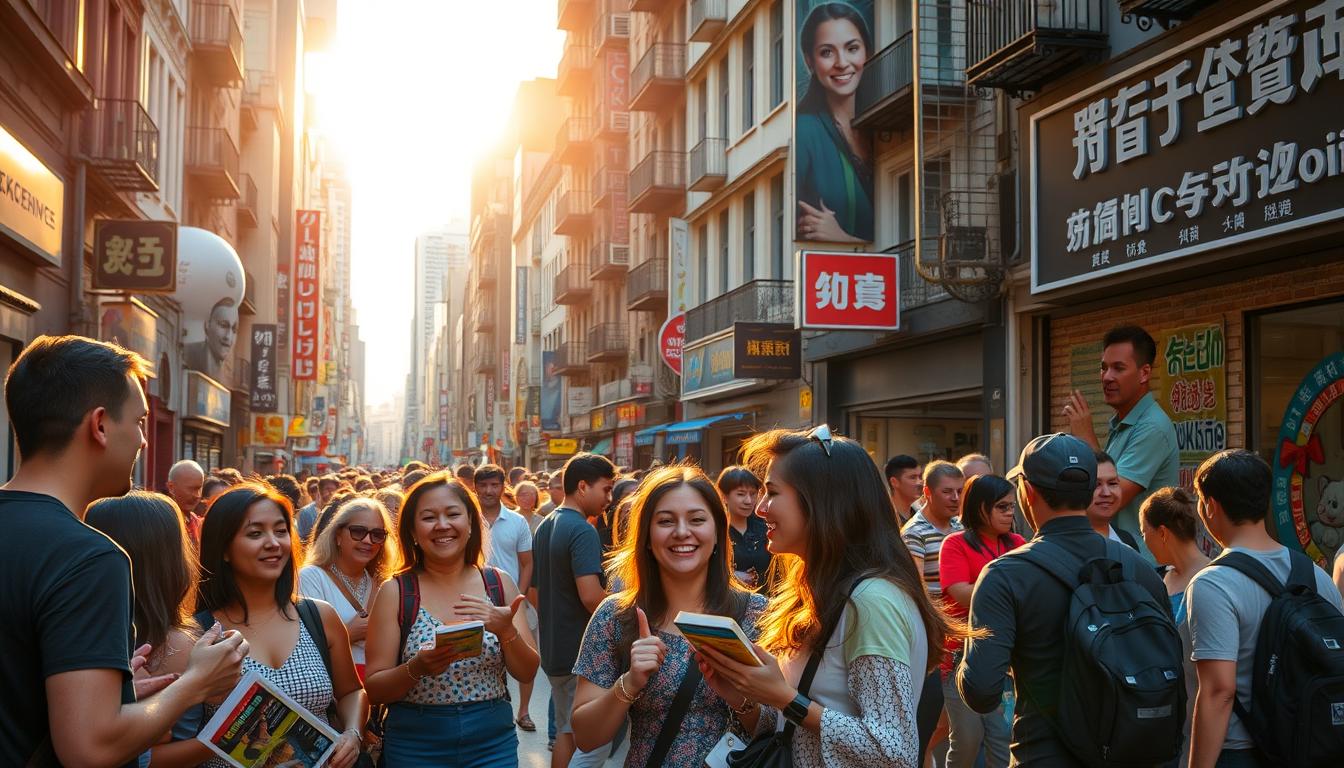
Learning a few essential phrases in the local language can make a world of difference. Start with greetings like “hello” and “thank you,” and expand to phrases for dietary needs or emergencies. Apps like Duolingo or Google Translate can help you practice and even work offline.
For example, in Japan, saying “arigatou” (thank you) or in France, mastering “s’il vous plaît” (please) shows effort and respect. These small steps can open doors to authentic interactions and smoother travels.
Non-Verbal Communication: Gestures and Body Language
Body language speaks volumes across cultures. A thumbs-up might be positive in the U.S., but it’s offensive in Russia. Similarly, the “OK” gesture is disliked in Brazil, while showing the soles of your shoes is rude in the Middle East.
Understanding these nuances prevents misunderstandings. For instance, in Japan, less eye contact is preferred, while in Italy, expressive gestures are common. Observing and mirroring local behavior can help you blend in seamlessly.
Respecting Local Communication Styles
Every culture has its own way of communicating. Italians are known for their expressiveness, while Japanese communication tends to be more reserved. Adjusting your tone and space can make interactions more comfortable.
In Latin America, people often stand closer during conversations, while in Nordic countries, personal space is valued. Being mindful of these differences ensures you show respect and avoid unintentional offense.
As Luxury Gold suggests, their concierge services can assist with language support, making your journey even smoother. Whether it’s negotiating at markets or handling emergencies, understanding local etiquette ensures you’re prepared for any scenario.
3. Dining Etiquette: Sharing Meals with Respect
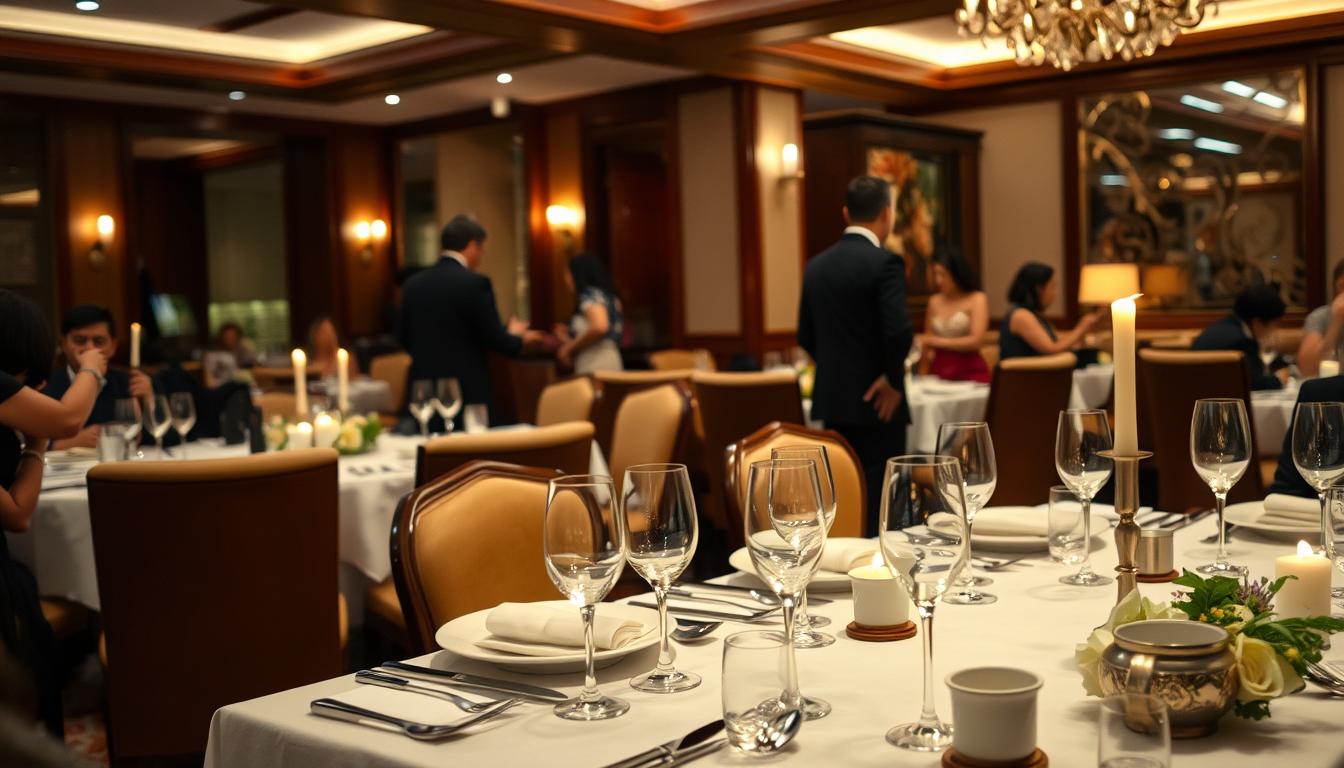
Food is a universal language, but the rules around it are anything but universal. Every culture has its own dining rituals, and understanding them is key to showing respect. From utensil use to symbolic gestures, these customs can enhance your experiences and deepen your connection with locals.
Understanding Local Dining Customs
In China, burping after a meal is a sign of satisfaction, while in Egypt, asking for salt can be seen as an insult to the chef. In Japan, slurping noodles is encouraged, as it shows appreciation for the food. These nuances highlight the importance of researching local customs before your trip.
Michelin chefs often emphasize the significance of local ingredients and traditional preparation methods. By embracing these practices, you not only enjoy authentic flavors but also show attention to cultural preservation.
Proper Utensil Use and Table Manners
Utensil use varies widely across countries. In Ethiopia, injera (a flatbread) is used to scoop food, while in France, the fork is held in the left hand and the knife in the right. Knowing these differences ensures you navigate meals with confidence.
Symbolic actions also matter. In China, leaving a small amount of food on your plate signifies you’re satisfied, while finishing everything might imply you’re still hungry. These small gestures can speak volumes.
Navigating Food Allergies and Dietary Restrictions
Communicating dietary needs can be challenging, but preparation makes it easier. Allergy Translation offers templates in multiple languages to help you explain restrictions clearly. For religious diets, understanding halal, kosher, or Hindu vegetarianism is essential.
If you’re unsure about a dish, polite tasting techniques can help. Take small bites and express gratitude, even if the flavor isn’t to your liking. This approach shows respect for the effort and tradition behind the meal.
By mastering dining etiquette, you transform meals into meaningful cultural exchanges. Whether it’s slurping noodles in Japan or using injera in Ethiopia, these practices enrich your journey and foster genuine connections.
4. Navigating Sacred Sites and Religious Spaces
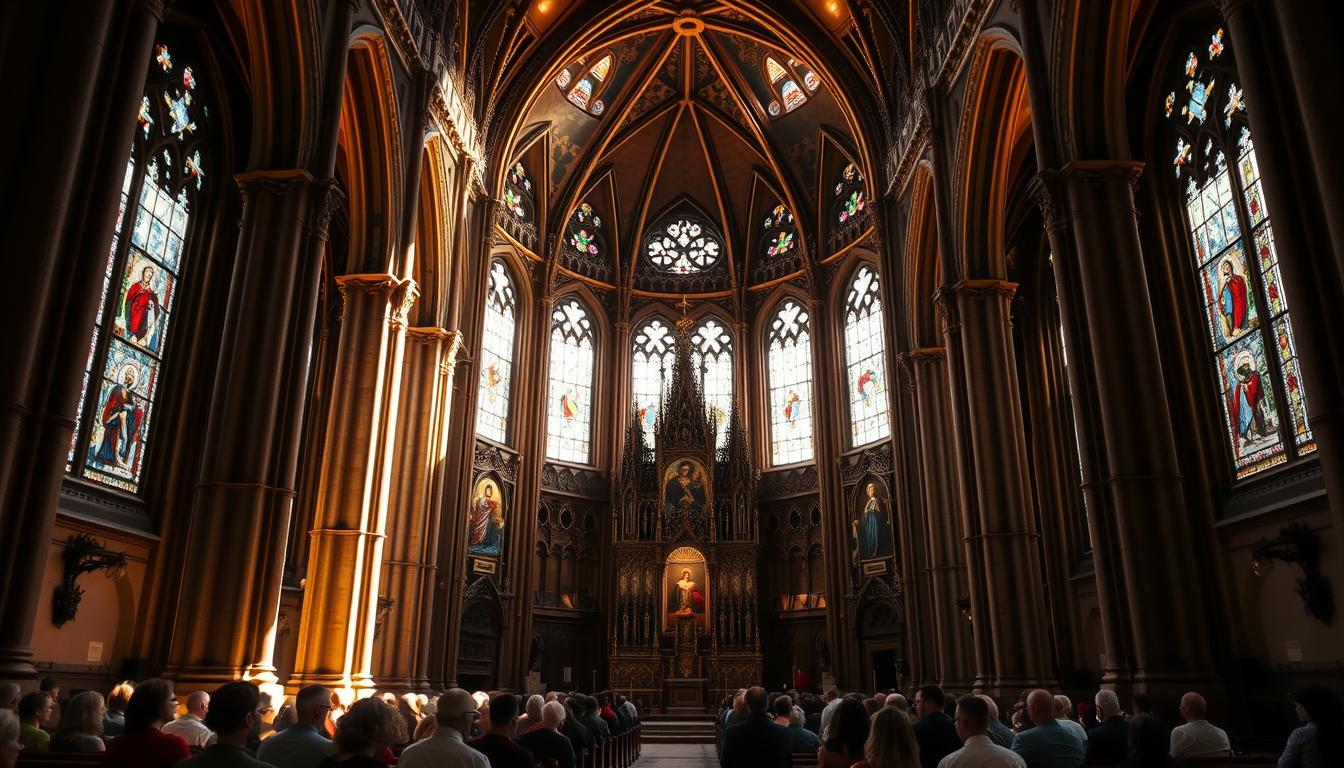
Sacred sites and religious spaces hold deep significance for communities worldwide. These places are not just tourist attractions but centers of spiritual and cultural identity. Understanding and adhering to their rules ensures you show respect local traditions and avoid unintentional offense.
Dress Codes for Religious Sites
Dressing appropriately is a key aspect of visiting sacred spaces. In many places, modest attire is required. For example, the Vatican mandates shoulder coverage, while Sikh temples often require headscarves. In Middle Eastern mosques, women may need to wear abayas.
Certain items are prohibited in specific sites. Leather is discouraged in Jain temples, and shoes must be removed before entering mosques. Packing a sacred site kit with foldable scarves and silent shoes can help you stay prepared.
Behavioral Etiquette in Sacred Spaces
Behavior in sacred spaces should reflect reverence and mindfulness. Silence is often expected, especially during prayer or meditation. Observing times of worship, like Islamic prayer hours or Christian mass schedules, shows consideration for local worshippers.
Donation etiquette also varies. In Buddhist shrines, offerings are made with the right hand. Understanding these practices helps you participate respectfully without disrupting the sanctity of the space.
Photography Rules and Respecting Local Worshippers
Photography is often restricted in sacred sites, with 74% of such places having specific rules. Flash photography is typically prohibited in museums and temples, and permits may be required in some locations.
Real incidents, like inappropriate selfie sticks at Angkor Wat, highlight the importance of following guidelines. Always ask for permission before taking photos, especially if worshippers are present. This ensures you respect local customs and maintain the sanctity of the space.
By understanding dress codes, behavioral norms, and photography rules, you can navigate sacred sites with confidence and respect. These practices not only honor local traditions but also enrich your travel experience.
5. Respecting Local Customs in Public Spaces
Navigating public spaces with cultural awareness ensures meaningful interactions. Every culture has unique expectations for behavior in shared areas, and understanding these norms helps you blend in seamlessly. From dress codes to noise levels, small adjustments can make a big difference.
Understanding Public Behavior Norms
Behavior in public spaces varies widely across countries. In Japan, trains are silent zones, while Italian piazzas buzz with lively conversations. Observing and mirroring local behavior shows respect and helps you avoid standing out.
Public displays of affection (PDA) are another area where norms differ. In Gulf States, PDA is frowned upon, while Mediterranean cultures are more relaxed. Being mindful of these differences ensures you don’t unintentionally offend locals.
Dress Codes and Modesty in Public Areas
Dress standards in public spaces can vary significantly. In Milan, formal attire is common, while Caribbean regions favor casual wear. Packing a 3:1 ratio of casual-to-formal clothing ensures you’re prepared for any occasion.
Modesty is especially important in conservative regions. In the Middle East, covering shoulders and knees is expected, while in Japan, neat and conservative clothing is preferred. These small adjustments show attention to local customs.
Interacting with Locals in Public Spaces
Engaging with locals in shared areas requires sensitivity. In Nordic countries, personal space is valued, while in Latin America, closer proximity is normal. Adjusting your behavior to match local norms fosters positive interactions.
Luxury Gold’s concierge-led neighborhood tours offer insights into local etiquette, helping you navigate public spaces with confidence. Whether it’s trash disposal in Japan or smoking bans in Singapore, understanding these practices ensures you show respect.
6. Conclusion: Becoming a Respectful Global Traveler
Respectful behavior opens doors to deeper connections wherever you go. Studies show 89% of travelers enhance their experiences by embracing local etiquette. From researching customs to adapting seamlessly, small efforts bridge gaps between cultures.
Luxury Gold’s concierges, like Dom, highlight how subtle actions—like choosing olive oil over butter in Spain—demonstrate understanding. Repeat visitation rates jump 62% when travelers prioritize respect.
Keep learning with cultural sensitivity courses or a quick-reference checklist. Every mindful choice transforms you into a global ambassador. Ready to explore the world with confidence? Start your journey today.
FAQ
Why is it important to research local customs before a trip?
Researching local customs helps you avoid unintentional disrespect and fosters meaningful connections with locals. It shows you value their traditions and culture.
What are some basic phrases I should learn in the local language?
Start with greetings like “hello” and “thank you,” as well as phrases for asking directions or ordering food. Even a small effort can make a big impression.
How should I dress when visiting religious sites?
Dress modestly by covering shoulders, knees, and sometimes your head. Always check specific dress codes for each site to show respect.
What should I know about dining etiquette in different cultures?
Learn proper utensil use, table manners, and whether tipping is expected. Be mindful of local dining customs, like eating with your hands or sharing dishes.
Are there rules for taking photos in sacred spaces?
Always ask for permission before taking photos in religious sites. Some places may prohibit photography altogether to maintain the sanctity of the space.
How can I interact respectfully with locals in public spaces?
Pay attention to personal space, avoid intrusive questions, and follow local norms for eye contact and gestures. A friendly attitude goes a long way.
What should I do if I have dietary restrictions while traveling?
Research local dishes and learn how to communicate your needs in the local language. Always carry a card explaining your restrictions in case of language barriers.
How can I show respect for local traditions during my trip?
Observe and follow local practices, whether it’s removing shoes before entering a home or participating in cultural ceremonies. Always ask questions if you’re unsure.