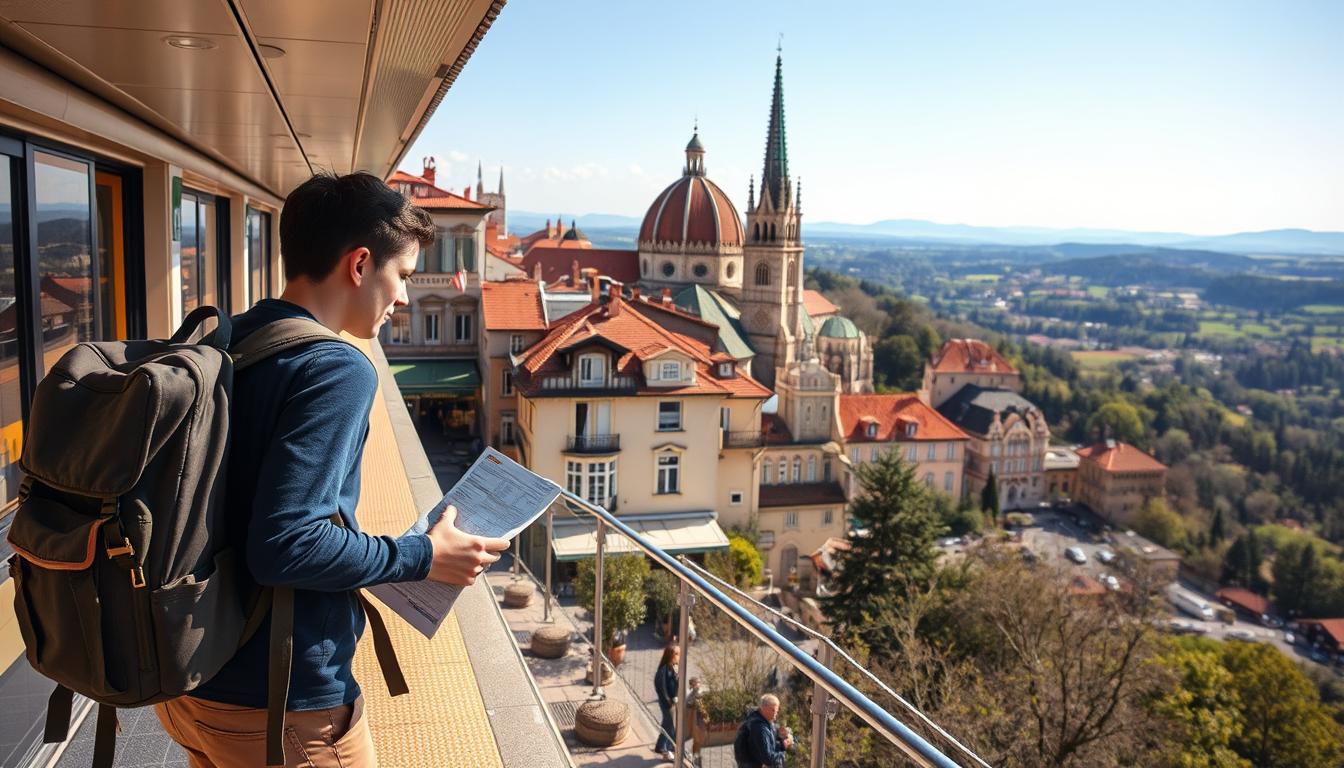
Did you know that traveling Europe on a budget is not only possible but can also be incredibly rewarding? Many assume that exploring iconic cities like London, Paris, or Rome requires a hefty bank account. However, with careful planning and smart strategies, it’s entirely feasible to enjoy a memorable trip while spending just $30 a day.
One of the keys to success lies in balancing costs between Western and Eastern Europe. For instance, cities like Krakow or Budapest are significantly more affordable than their Western counterparts. This approach allows you to stretch your money further without sacrificing the experience. From affordable accommodations to budget-friendly meals, every aspect of your trip can be optimized.
Whether you’re a seasoned traveler or planning your first adventure, this guide will provide practical tips to make your journey both enjoyable and economical. Ready to discover how to make the most of your vacation without breaking the bank? Let’s dive in!
Key Takeaways
- Balancing costs between Western and Eastern Europe can save money.
- $30 a day can cover meals, transportation, and small souvenirs in many cities.
- Affordable accommodations and budget-friendly meals are key to saving.
- Joining backpacker communities can provide inspiration and tips.
- Realistic planning with free resources ensures a smooth trip.
Start Planning Your Budget European Adventure
Exploring Europe on a tight budget is easier than you might think. With the right travel tips, you can enjoy iconic destinations without overspending. The key lies in smart planning, timing, and balancing costs between regions.
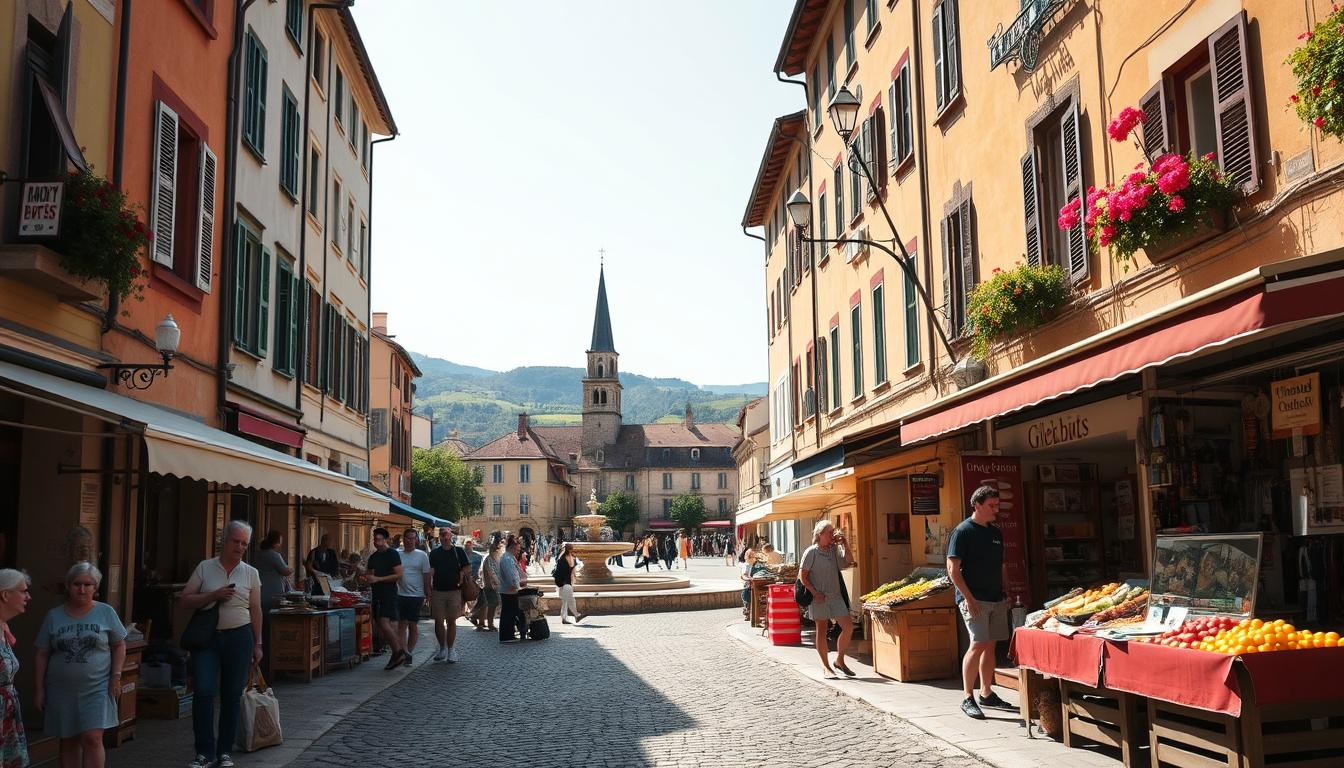
Set a Daily Budget and Stick to It
Creating a daily spending limit is essential. Aim for $30 a day, broken down into $15 for accommodation, $10 for food, and $5 for activities or transport. Use budgeting apps to track expenses and receive daily alerts. This way, you’ll stay on track and avoid unnecessary costs.
Choose the Right Time to Travel
Timing your trip can significantly impact your expenses. Traveling during the off-season (November to March) or shoulder seasons (April-May or September-October) can save you money. Flights and accommodations are often cheaper, and popular attractions are less crowded.
Balance Western and Eastern Europe for Cost Efficiency
Mixing destinations in Western and Eastern Europe is a smart way to save money. Cities like Paris or London are more expensive, while Budapest or Prague offer affordable options. For example, spend three days in Paris and five days in Budapest to balance your budget.
| City | Hostel Cost (Per Night) | Street Meal Cost |
|---|---|---|
| Paris | $30+ | $10+ |
| Budapest | $15 | $3 |
| Prague | $8 | $3 |
By combining high-cost and low-cost destinations, you can enjoy a diverse and memorable vacation without breaking the bank. Start planning today and make your dream trip a reality!
Accommodation: The Key to Staying Within Budget
Accommodation can make or break your travel budget. Choosing the right place to stay is one of the most effective ways to save money while exploring new cities. Whether you’re backpacking or planning a short vacation, smart lodging choices can stretch your funds further.
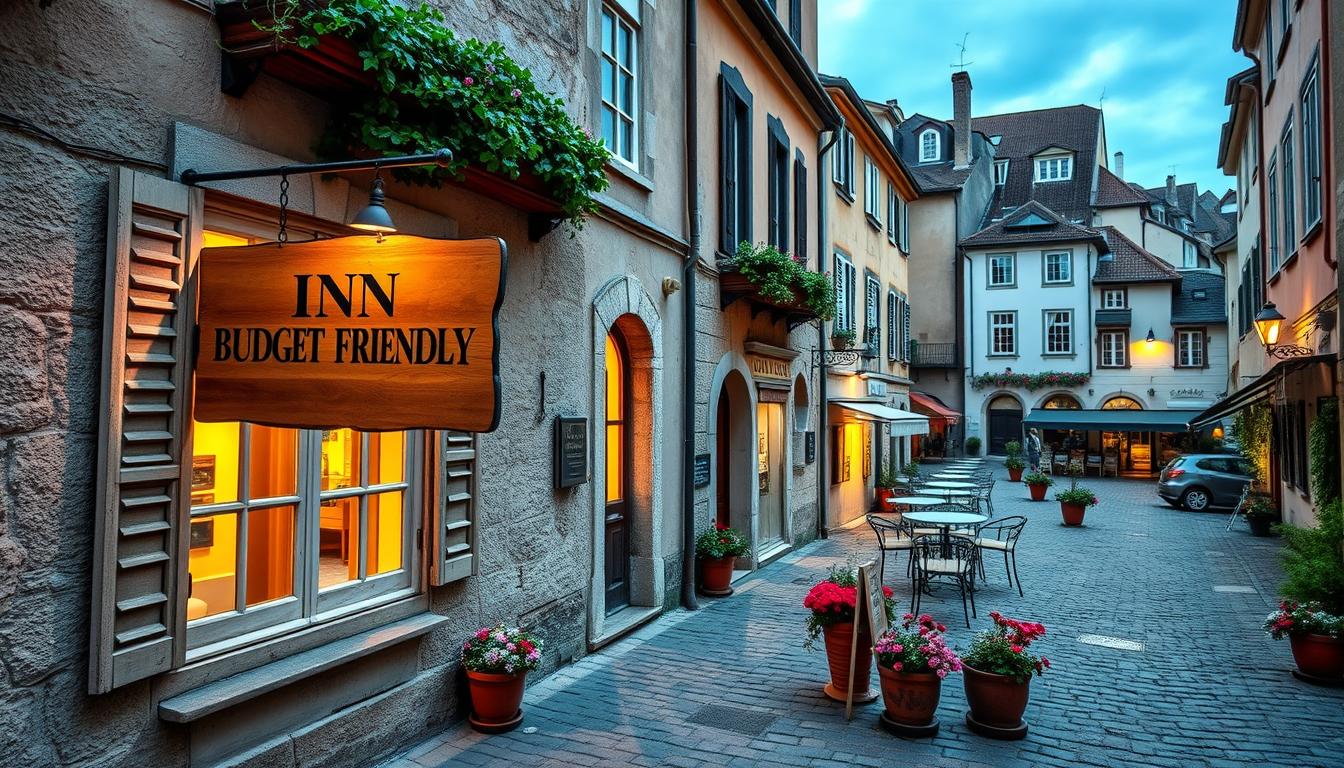
Why Hostels Are Your Best Friend
Hostels are a budget traveler’s go-to option. They cost a fraction of what you’d pay for a hotel, with dorm beds averaging $12-$30 per night. Many hostels also offer private rooms, which are ideal for small groups or couples. For example, splitting a $40 private room between two travelers cuts costs significantly.
Popular hostel chains like Generator Hostels and HI Hostels provide added perks. These include free walking tours, kitchen access, and communal spaces to meet fellow travelers. Staying in a hostel isn’t just about saving money—it’s also a great way to enhance your trip.
Consider Private Rooms for Extra Comfort
If you value privacy but still want to save money, private hostel rooms are a fantastic option. They’re cheaper than hotel rooms and often include shared amenities like kitchens and lounges. This balance of comfort and affordability makes them a top choice for budget-conscious travelers.
Take Advantage of Free Breakfasts
Many hostels offer free breakfast buffets, which can save you $5-$10 per day. This simple perk not only cuts your meal expenses but also gives you a hearty start to your day. Additionally, hostel kitchens allow you to store snacks or prepare simple lunches, further reducing costs.
| Accommodation Type | Average Cost (Per Night) | Key Features |
|---|---|---|
| Hostel Dorm | $12-$30 | Shared rooms, communal spaces |
| Hostel Private Room | $40+ | Privacy, shared amenities |
| Hotel | $50-$300 | Private rooms, full services |
By choosing hostels and taking advantage of their amenities, you can significantly reduce your accommodation costs. This leaves more money for exploring and enjoying your trip.
Eating Cheap Without Sacrificing Authenticity
Eating well in Europe doesn’t have to drain your wallet. With a little creativity, you can enjoy delicious meals while sticking to your budget. From street food to cooking at hostels, there are plenty of ways to save money without missing out on authentic flavors.
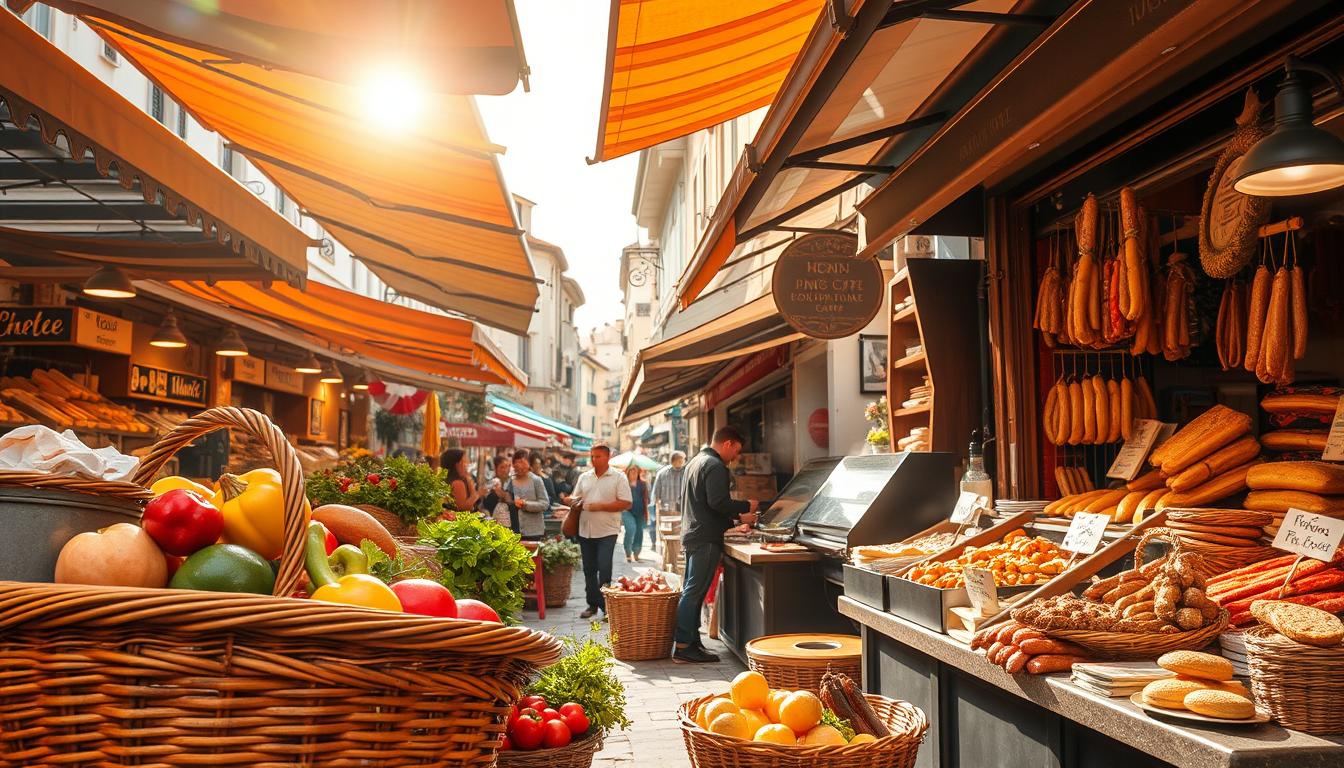
Street Food: A Budget Traveler’s Delight
Street food is one of the best ways to experience local cuisine without spending much. In Athens, a gyro costs around €5, while a bratwurst in Berlin is just €3. Other affordable options include €4 paella in Valencia and £3 fish & chips in London. These quick bites are not only tasty but also easy on your wallet.
Cook Your Own Meals at Hostels
Cooking at hostels is a fantastic way to save money. A $10 grocery trip can feed two people, compared to a $30 restaurant meal. Many hostels provide free spices and condiments, making it easy to enhance simple dishes like pasta with local cheeses or pre-made supermarket salads.
Eat Like a Local to Save Money
Eating where locals do can significantly reduce your meal costs. Visit markets like La Boqueria in Barcelona or Naschmarkt in Vienna for fresh, affordable ingredients. Many restaurants also offer lunch specials, which are often 30% cheaper than dinner menus. This approach lets you enjoy restaurant-quality food without overspending.
| Meal Option | Average Cost | Key Benefit |
|---|---|---|
| Street Food | $3-$5 | Quick, authentic, and affordable |
| Hostel-Cooked Meal | $5-$10 | Customizable and budget-friendly |
| Restaurant Lunch Special | $10-$15 | High-quality at a lower cost |
By combining these strategies, you can enjoy a variety of meals while staying within your daily budget. Whether it’s street food, a hostel-cooked dinner, or a local market find, there’s no shortage of ways to eat well and save money on your trip.
Getting Around Europe on a Budget
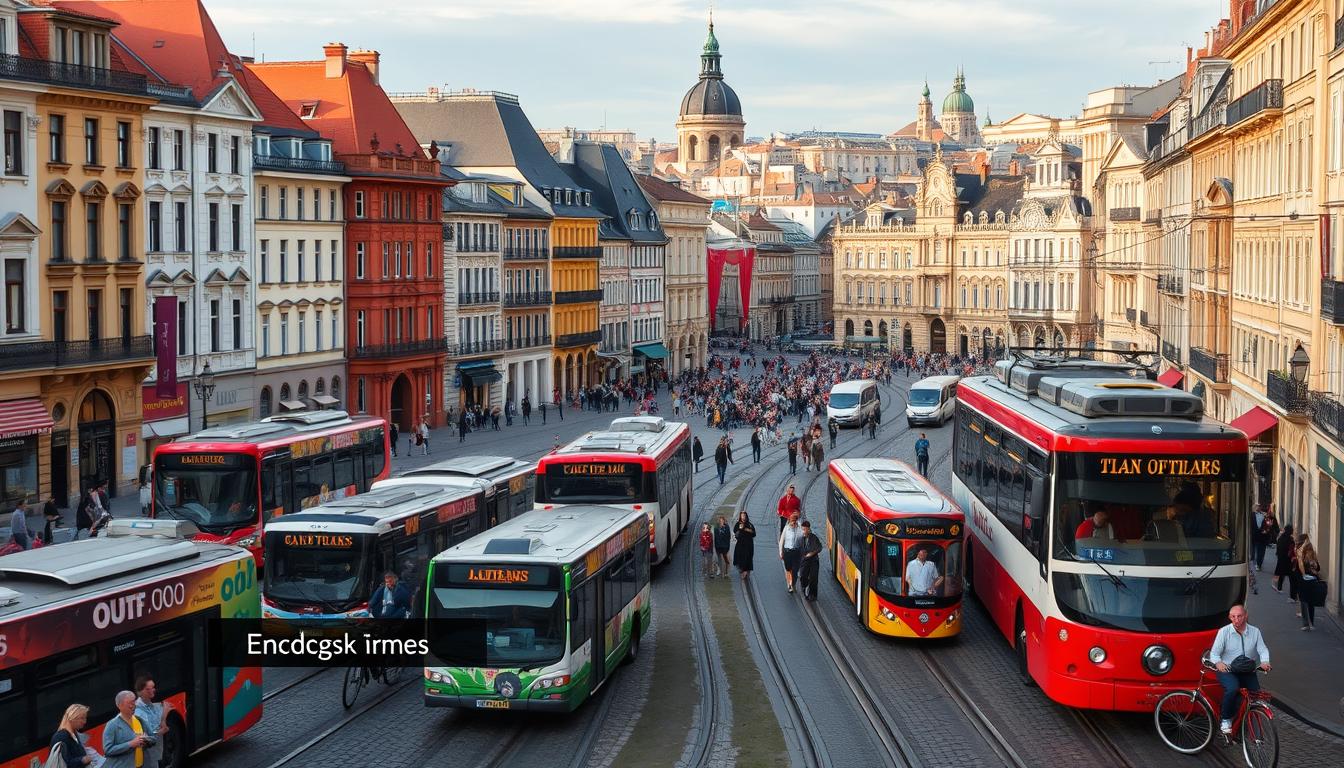
Transportation costs can make or break your travel budget. Whether you’re hopping between cities or exploring a single country, smart choices can help you save money while enjoying your vacation.
Opt for Trains and Buses Over Flights
Trains and buses are often cheaper than airlines, especially for shorter distances. For example, an 8-hour bus ride might cost $30, while a 1-hour flight could set you back $100. Companies like FlixBus offer cross-country routes, such as Berlin to Prague, for as little as $15.
Scenic routes also add value to your trip. Many trains and buses provide Wi-Fi, allowing you to stay connected while enjoying the views. Eurail passes, starting at $200 for 7 days, are another great option for exploring the continent.
Use Public Transportation in Cities
Public transport is a cost-effective way to navigate cities. London’s Oyster Card, for instance, caps daily travel costs at $8.50. Apps like Citymapper provide real-time updates, making it easy to plan your routes and save time.
Some cities, like Copenhagen and Amsterdam, even offer free bike rentals. This eco-friendly option not only cuts costs but also lets you explore at your own pace.
Walk Whenever Possible to Save Money
Walking is one of the best ways to save money while immersing yourself in a new place. Free walking tours are available in many cities, offering insights into hidden alleys and local cafés. Plus, it’s a great way to stay active during your vacation.
For occasional convenience, a $10 taxi ride can fit within a $30 daily budget. However, walking and public transport should remain your primary options to keep costs low.
| Transport Option | Average Cost | Key Benefit |
|---|---|---|
| Bus | $15-$30 | Affordable, scenic routes |
| Train | $20-$50 | Comfortable, Wi-Fi available |
| Flight | $100+ | Fast but costly |
By choosing trains, buses, and public transport, you can explore Europe without overspending. Walking adds an extra layer of discovery, making your trip both affordable and memorable.
Free and Discounted Activities to Enjoy
Discovering Europe’s hidden gems doesn’t have to cost a fortune. Many cities offer free or discounted activities that let you experience their culture and history without overspending. From walking tours to museum visits, there’s no shortage of ways to save money while enjoying your trip.
Take Advantage of Free Walking Tours
Free walking tours are a fantastic way to explore a new city. Companies like Sandemans New Europe operate on a pay-what-you-want basis, making them accessible for any budget. These tours often cover iconic landmarks and hidden spots, providing valuable insights into the city’s history and culture. A €5 tip is appreciated but not mandatory.
Explore Free Museums and Attractions
Many museums and attractions offer free entry on specific days. For example, the Vatican Museums are free on the last Sunday of the month, and the Berlin Wall Memorial is always open to the public. Check local schedules to plan your visits accordingly and save money on entrance fees.
Join Group Discounts for Adventures
Group discounts can make activities more affordable. In Budapest, thermal baths offer 10% off for groups of four or more. Hostel bulletin boards often list local event deals, making it easy to find budget-friendly options. These small savings add up, leaving more room in your budget for souvenirs or meals.
Don’t forget to enjoy free city views like Primrose Hill in London or Montmartre in Paris. These spots provide stunning panoramas without costing a dime. By combining these strategies, you can make the most of your vacation while staying within your budget.
Conclusion: How I Traveled Europe on 30 Dollars a Day
Exploring cities on a tight budget is entirely possible with the right strategies. Staying in hostels, enjoying street food, and using buses or trains are just a few ways to save money. Balancing visits between high-cost and low-cost destinations ensures a diverse and memorable trip.
For example, a 14-day journey can cost as little as $420 by sticking to a $30 daily limit. Using credit card points for flights can further reduce expenses. Tracking spending with budgeting apps helps stay on track, while occasional splurges like taxis or souvenirs can still fit within the plan.
With careful planning, it’s possible to visit multiple countries without overspending. One traveler successfully explored eight countries in three weeks, spending just $630. Join online communities for personalized tips and inspiration to make your vacation both affordable and unforgettable.
FAQ
How can I stick to a daily budget while traveling in Europe?
Set a clear daily limit, track expenses, and prioritize free or low-cost activities. Use budgeting apps to stay on track.
What’s the best time to visit Europe on a budget?
Travel during shoulder seasons like spring or fall to avoid peak prices and crowds while enjoying pleasant weather.
Are hostels a good option for budget travelers?
Yes, hostels are affordable and often include perks like free breakfast, communal kitchens, and social activities.
How can I save money on food while exploring Europe?
Try street food, cook meals at hostels, and eat at local spots instead of touristy restaurants.
What’s the cheapest way to travel between European cities?
Trains and buses are cost-effective options. Book in advance for discounts and consider overnight trips to save on accommodation.
Are there free activities to enjoy in European cities?
Absolutely! Join free walking tours, visit free museums, and explore parks and historic neighborhoods.
Can I find affordable private rooms in Europe?
Yes, many hostels and budget hotels offer private rooms at reasonable prices, especially in smaller cities or towns.
How can I save on transportation within cities?
Use public transportation passes, walk whenever possible, and rent bikes for an affordable and eco-friendly option.
Are group discounts available for tours and activities?
Many tours offer group discounts, so team up with fellow travelers or join organized group adventures.
What’s the best way to balance Western and Eastern Europe for cost efficiency?
Spend more time in Eastern Europe, where costs are lower, and limit stays in pricier Western European cities.