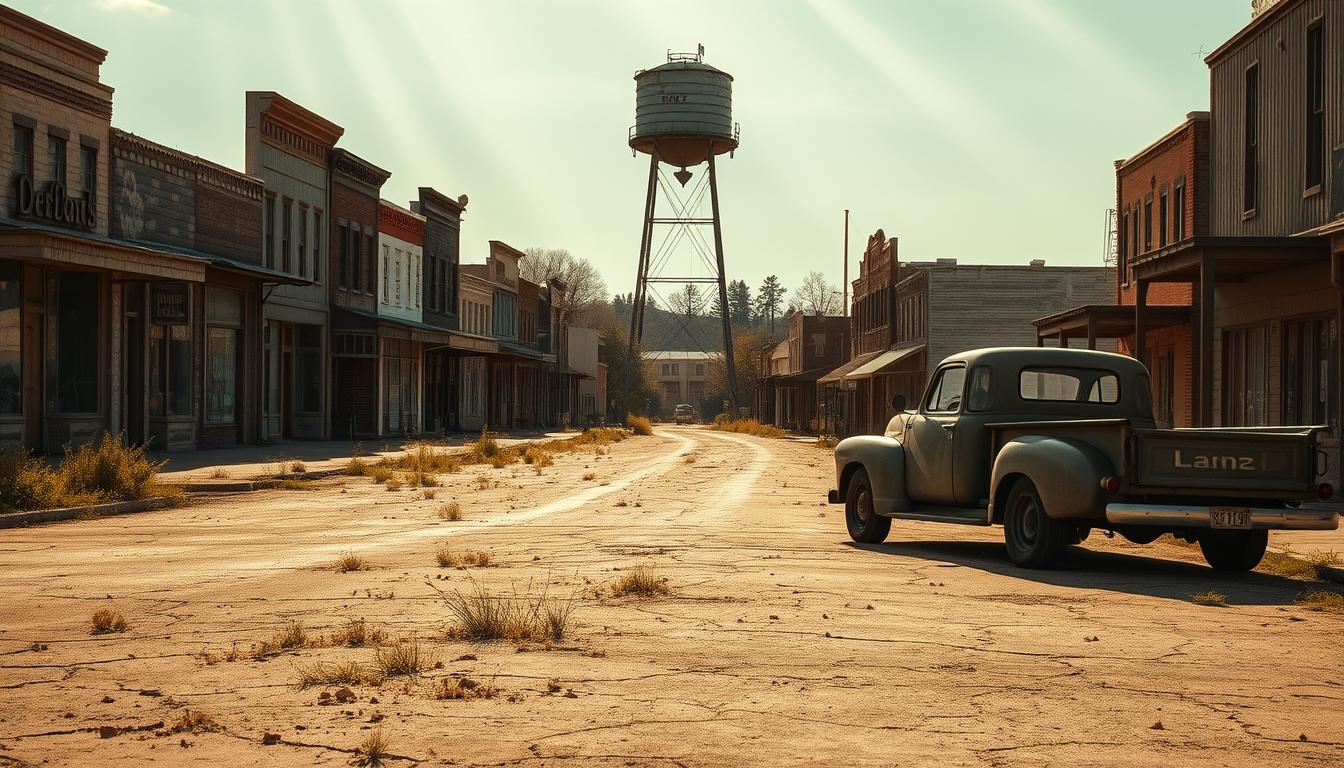
Did you know over 3,800 ghost towns still stand across the U.S.? These silent witnesses hold tales of gold rushes, industrial booms, and sudden declines. Each crumbling building whispers secrets of the past, waiting to be discovered.
From dusty mining settlements to forgotten factory hubs, these places offer more than decay. They’re time capsules preserving the nation’s diverse history. Modern explorers now seek them out, drawn by their haunting beauty and untold narratives.
This guide reveals fascinating locations where nature reclaims human ambition. You’ll find practical tips for respectful visits and learn preservation efforts keeping history alive. The adventure begins where pavement ends.
Key Takeaways
- Over 3,800 abandoned sites exist nationwide
- Locations range from mining camps to industrial centers
- Each place tells unique stories of boom and bust
- Heritage tourism helps preserve these historic sites
- Responsible exploration protects fragile remains
Introduction: The Allure of Abandoned Places
There’s something magnetic about the stillness of forgotten spaces. These ghost towns and abandoned sites captivate us with their eerie beauty and untold stories. They stand as silent reminders of the past, offering a glimpse into lives once lived and dreams left behind.
Why Forgotten Towns Fascinate Us
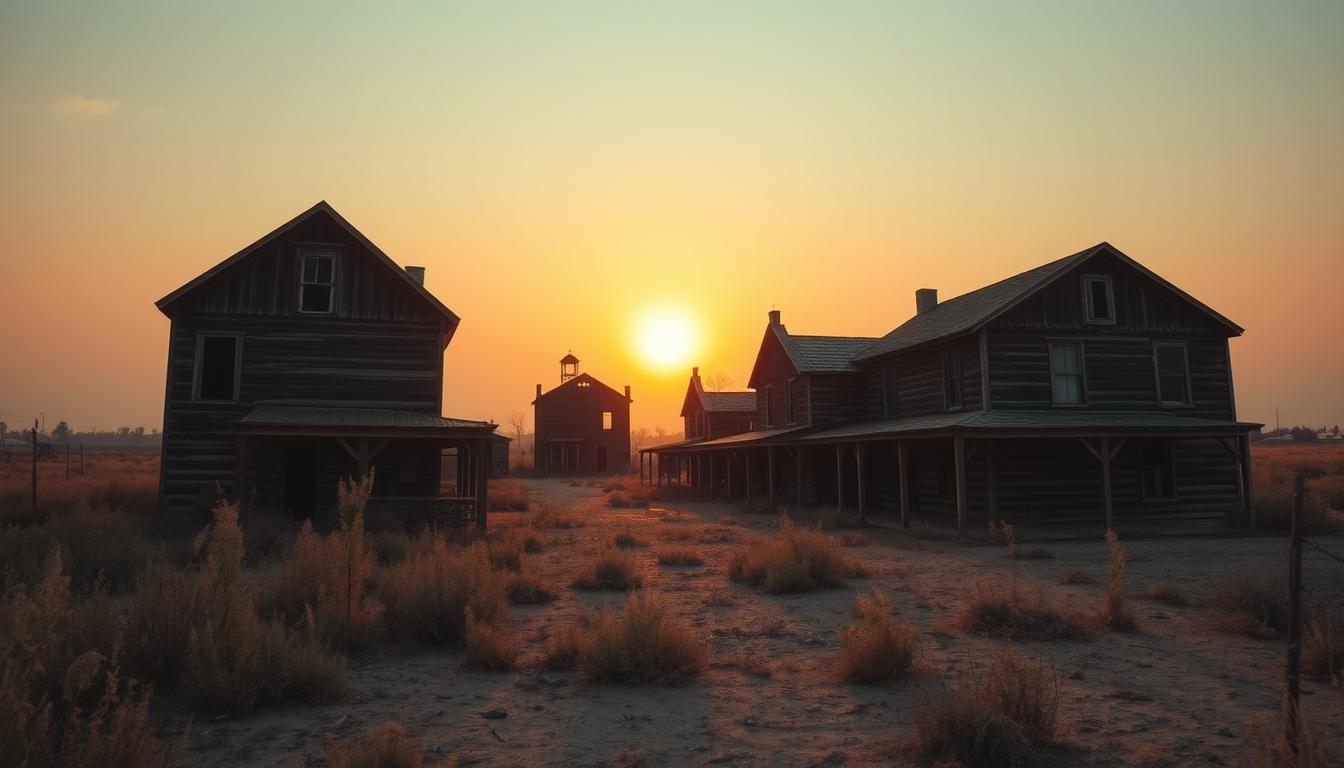
Decay and mystery combine to create an irresistible allure. The crumbling buildings and overgrown paths spark curiosity and imagination. They remind us of the fleeting nature of prosperity and the resilience of nature. For many, these places are a source of artistic inspiration and a way to connect with history.
These sites also play a role in understanding immigration patterns and labor history. For example, mining communities often reflect ethnic diversity, with influences from Finnish and Cornish settlers. They provide a tangible link to major events like the Civil War and the Industrial Revolution.
The Historical Significance of Abandoned Towns
Abandoned towns are more than just relics; they are time capsules. They tell the story of economic booms and busts, resource depletion, and policy changes. Oral histories from former residents add depth to their narratives, preserving memories that might otherwise be lost.
Preservation efforts face challenges from environmental factors and urban development. Yet, these sites remain vital for heritage tourism. Responsible exploration and photography can help raise awareness while protecting fragile remains. Safety considerations are crucial for those venturing into these spaces.
Bodie, California: A Gold Rush Ghost Town
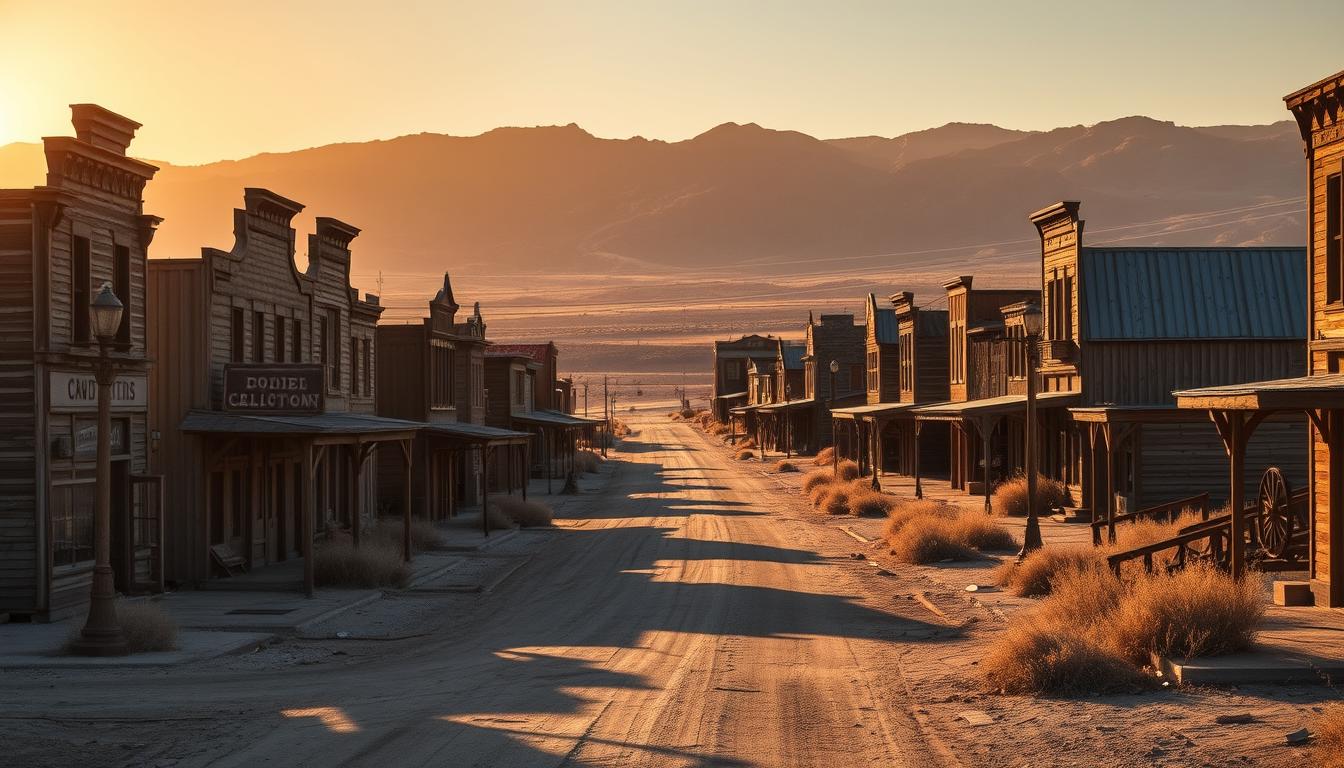
Once a bustling mining hub, Bodie now offers a glimpse into California’s past. This ghost town was born in 1859 when gold was discovered, sparking a rush of fortune seekers. At its peak, Bodie was home to 10,000 people, with 65 saloons, a Chinatown district, and a railway system. Today, it stands as a State Historic Park, preserved in a state of “arrested decay.”
The Rise and Fall of Bodie
Bodie’s story began with a gold strike in the late 19th century. The town quickly grew into a thriving community, attracting miners, merchants, and families. However, as the gold ran out, so did the people. By the 1940s, Bodie was abandoned, leaving behind a treasure trove of history.
Key structures like the Methodist Church, Standard Mill, and schoolhouse still stand today. These buildings offer a window into the lives of those who once called Bodie home. The park service works tirelessly to preserve these remnants, ensuring they remain for future generations.
What Remains Today
Visitors to Bodie can explore its well-preserved streets and buildings. The park service enforces strict rules, including a ban on souvenir hunting, known as the “Bodie Curse.” Seasonal accessibility can be challenging due to the Sierra Nevada’s harsh winters, but the effort is worth it.
Photography enthusiasts will find golden hour lighting ideal for capturing the town’s haunting beauty. Nearby attractions like Mono Lake’s tufa towers add to the experience. Ranger-led tours and museum exhibits provide deeper insights into Bodie’s history.
| Feature | Details |
|---|---|
| Peak Population | 10,000 |
| Gold Discovery | 1859 |
| Notable Structures | Methodist Church, Standard Mill, Schoolhouse |
| Conservation Status | State Historic Park |
| Seasonal Accessibility | Limited in winter |
“Bodie is a place where time stands still, offering a rare glimpse into the Wild West era.”
Central Mine, Michigan: A Window into 19th Century Mining Life
Nestled in Michigan’s Keweenaw Peninsula, Central Mine offers a rare look into 19th-century mining life. This historic site was once a bustling copper mining town, operating from 1854 to the 1920s. Today, it stands as a preserved example of the challenges and triumphs of early industrial America.
The History of Central Mine
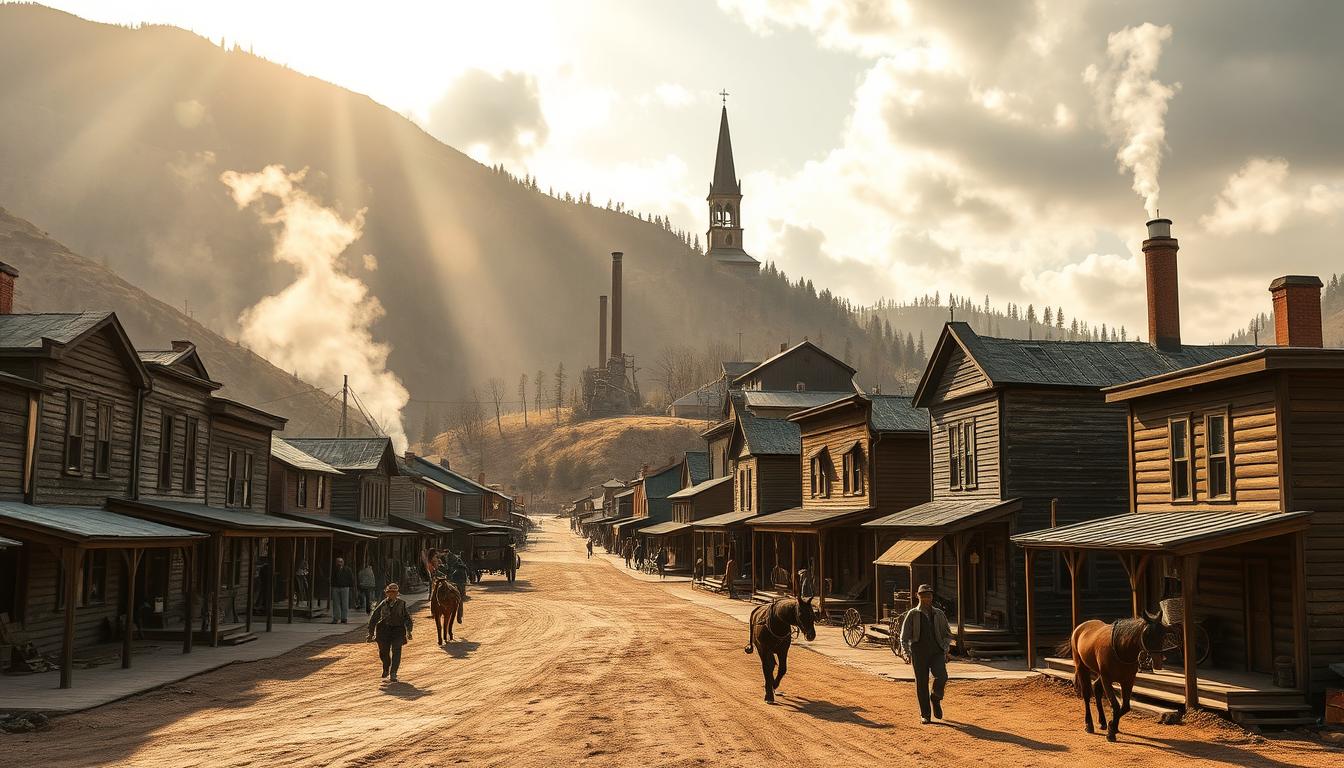
Central Mine was established during the peak of Michigan’s copper boom. The region’s native copper deposits drew thousands of workers, creating a vibrant company-owned community. Miners and their families lived in modest homes, while the town featured essential structures like the Methodist Episcopal Church, built in 1868.
Life in this mining town was shaped by the demands of the industry. Workers faced long hours and dangerous conditions, while families adapted to the rugged environment. The mine’s closure in the 1920s marked the end of an era, but its legacy lives on through preservation efforts.
Exploring the Restored Buildings
Visitors to Central Mine can explore its original buildings, which have been carefully restored to reflect their 19th-century appearance. The Methodist Episcopal Church is a highlight, offering a glimpse into the spiritual life of the community. Artifact displays, including mining equipment and household items, add depth to the experience.
Guided tours provide insights into the town’s history and the techniques used to preserve its wooden structures. Seasonal events, like the Heritage Celebration Weekend, bring the past to life with interactive exhibits and demonstrations of copper processing.
| Feature | Details |
|---|---|
| Years of Operation | 1854-1920s |
| Key Structure | Methodist Episcopal Church (1868) |
| Preservation Status | Restored and maintained |
| Visitor Experience | Guided tours, artifact displays, seasonal events |
Kennecott, Alaska: A Copper Mining Ghost Town
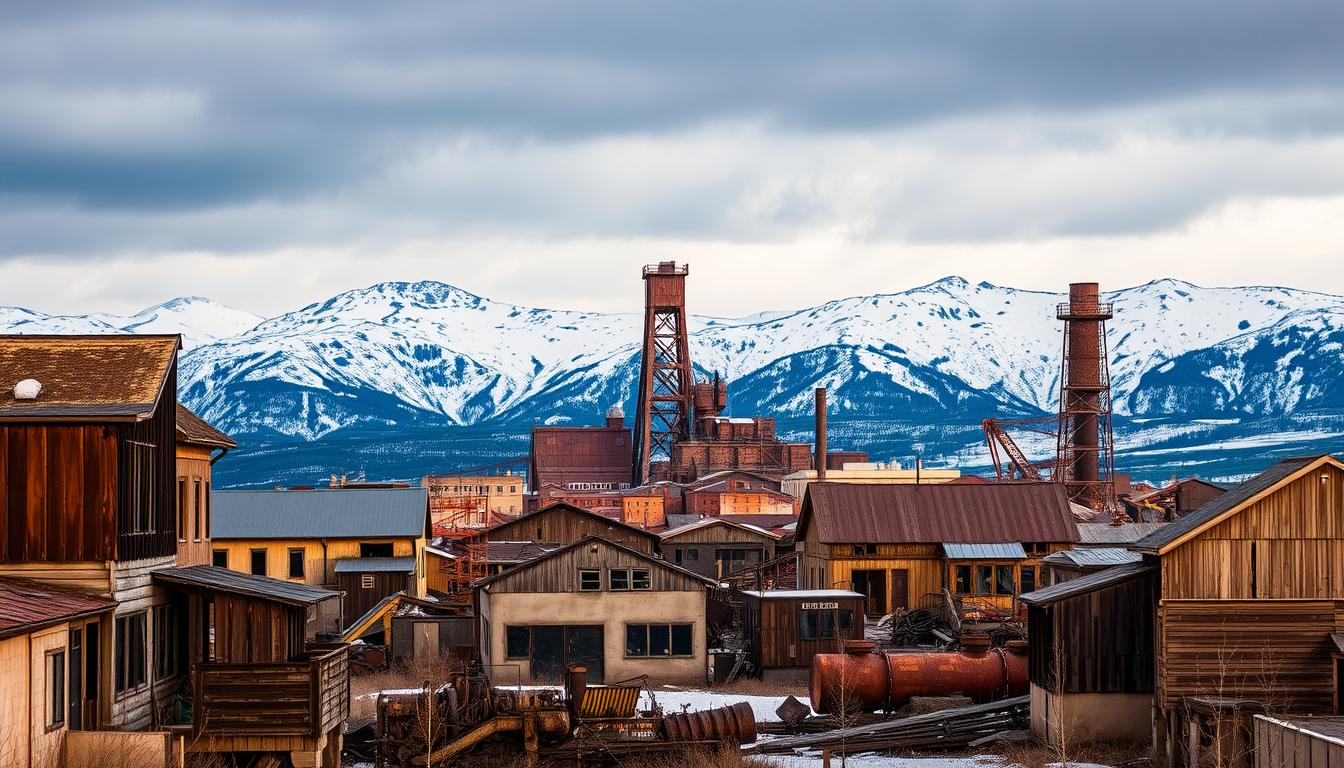
Hidden in Alaska’s rugged wilderness, Kennecott stands as a testament to industrial ambition. This ghost town was once a thriving hub for copper mining, operating from 1903 to 1938. Today, it lies within the vast expanse of Wrangell-St. Elias National Park, offering visitors a chance to explore its rich history and stunning surroundings.
The Legacy of Kennecott
Kennecott’s story began in the early 20th century when rich copper deposits were discovered. The Bonanza Mine became one of the most productive in the world, yielding millions of dollars in ore. Building in this remote location posed significant challenges, from harsh weather to logistical hurdles.
The construction of a railroad linking Kennecott to Cordova port was a feat of engineering. It allowed the transport of ore and supplies, sustaining the town’s growth. Despite its success, Kennecott’s decline began in the 1930s as resources dwindled, leaving behind a legacy of innovation and perseverance.
The 14-Story Mill: A Marvel of Industrial Ingenuity
At the heart of Kennecott stands its iconic 14-story mill, a marvel of early 20th century engineering. This gravity-fed processing plant was designed to efficiently extract copper from ore. Guided tours today explain its complex machinery and the ingenuity behind its construction.
Visitors can also explore preserved personal artifacts, offering a glimpse into the lives of miners and their families. The mill’s towering structure, set against the backdrop of glaciers and mountains, is a photographer’s dream.
- Seasonal accessibility via McCarthy Road
- Glacier viewing opportunities from the town site
- Nearby backcountry camping regulations
- Historic photography exhibits in the general store
- Wildlife spotting tips (bears, mountain goats)
Kennecott’s preservation is a partnership with the National Park Service, ensuring its history remains intact. Whether you’re drawn to its industrial past or its breathtaking scenery, this ghost town offers an unforgettable journey into Alaska’s heritage.
Vulture City, Arizona: A Deserted Gold Mining Town
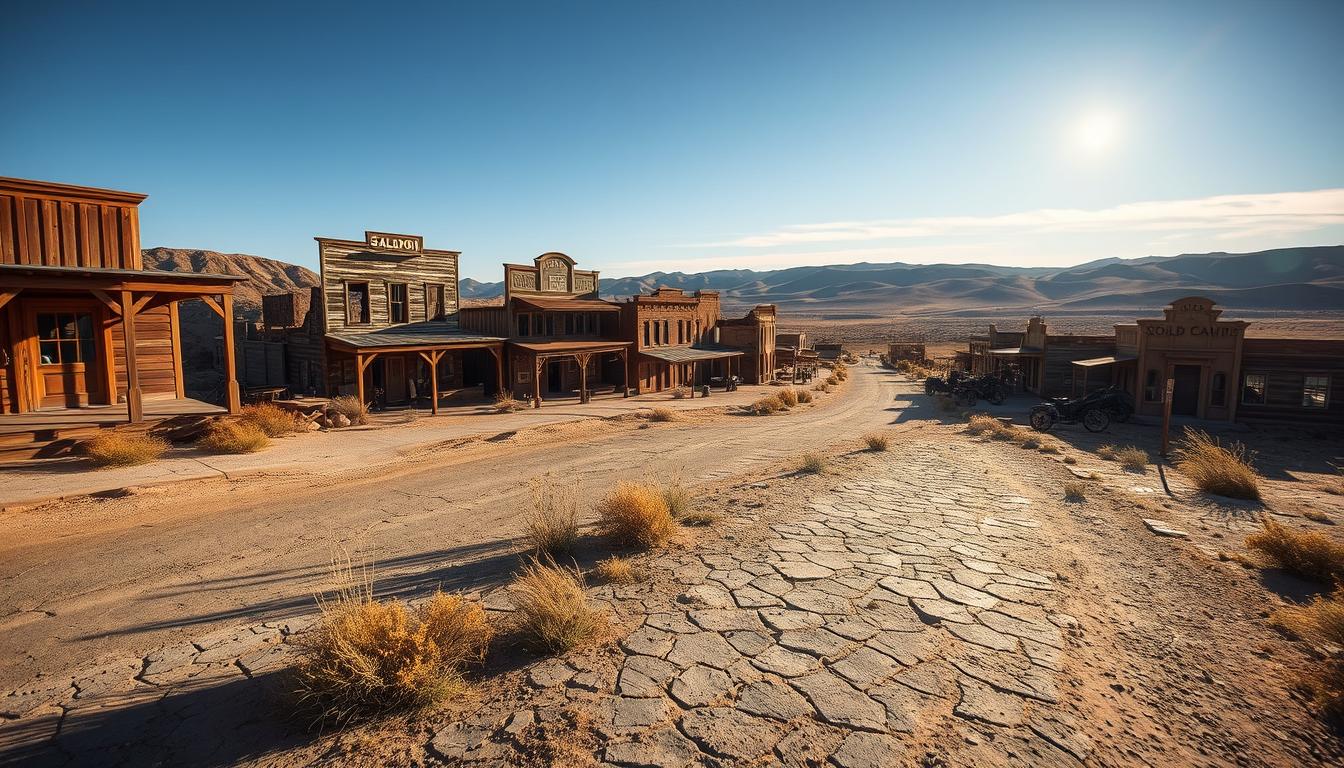
In the heart of Arizona’s desert lies Vulture City, a silent witness to the gold rush era. Founded in 1863 after Henry Wickenburg’s discovery of gold, this ghost town once thrived as a bustling mining community. Over 300,000 ounces of gold were extracted here, making it one of the most productive mines of its time.
The Boom and Bust of Vulture City
Vulture City’s rise began with Wickenburg’s 1863 discovery. The town quickly grew, attracting miners and their families. At its peak, it featured a post office, cookhouse, and even a hanging tree, which served as a grim reminder of frontier justice. However, by the 1940s, the mine’s resources were depleted, and the town was abandoned.
Today, stabilization efforts preserve its abandoned buildings, including the restored cookhouse and post office. These structures offer a glimpse into life during the 19th century, when the town was a hub of activity.
Exploring the Abandoned Buildings
Visitors to Vulture City can explore its well-preserved ruins. The assay office displays historic machinery, while the hanging tree stands as a somber landmark. Night photography workshops and ghost tours add an eerie charm to the experience.
For those planning a visit, summer heat precautions are essential. Metal detecting is restricted to protect the site’s integrity. Annual events like Gold Rush Days celebrate the town’s history with reenactments and exhibits.
| Feature | Details |
|---|---|
| Years of Operation | 1863-1940s |
| Gold Produced | 300,000+ ounces |
| Key Structures | Cookhouse, Post Office, Hanging Tree |
| Visitor Activities | Ghost tours, night photography, Gold Rush Days |
“Vulture City is a haunting reminder of the dreams and struggles that shaped the American West.”
Terlingua, Texas: A Ghost Town in the Big Bend Region
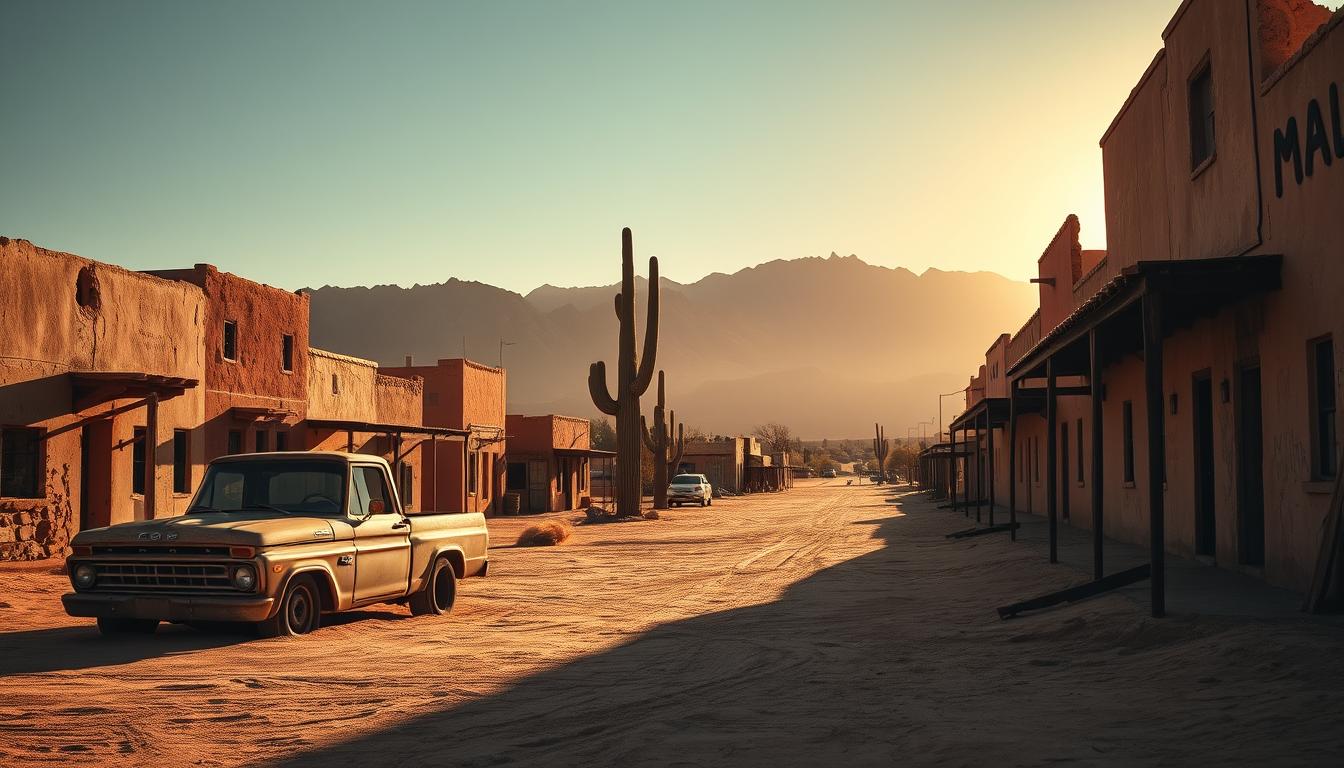
Deep in the heart of Texas, Terlingua stands as a testament to resilience and reinvention. This ghost town was once a bustling mercury mining hub, but its story didn’t end with the industry’s collapse. Today, it’s a vibrant community of artists, adventurers, and chili enthusiasts.
The History of Terlingua
This town’s story began in the early 1900s with the Chisos Mining Company. Mercury mining brought prosperity, but the industry’s decline left Terlingua abandoned. The stucco ruins, preserved against the harsh desert winds, stand as silent reminders of its past.
One of the most iconic landmarks is the Terlingua Cemetery. Here, weathered graves tell tales of the miners and their families. During Dia de los Muertos, the cemetery comes alive with vibrant celebrations, honoring those who once called this place home.
The Artistic Revival of the Town
Terlingua’s story didn’t end with its mining days. Today, it’s a creative hub, attracting artists from across the country. Studio tours showcase local metalwork and jewelry, while the annual Terlingua Film Festival highlights independent cinema.
The International Chili Cookoff is another highlight, drawing crowds to this desert town. Visitors can also enjoy the dark sky designation, perfect for stargazing and astronomy programs. Whether you’re camping in an RV or staying at a luxury resort, Terlingua offers something for everyone.
| Feature | Details |
|---|---|
| Founded | Early 1900s |
| Key Industry | Mercury Mining |
| Famous Event | International Chili Cookoff |
| Visitor Activities | Studio tours, stargazing, film festival |
“Terlingua is a place where history and creativity collide, offering a unique experience in the Texas desert.”
Elkmont, Tennessee: A Logging Community Turned Ghost Town
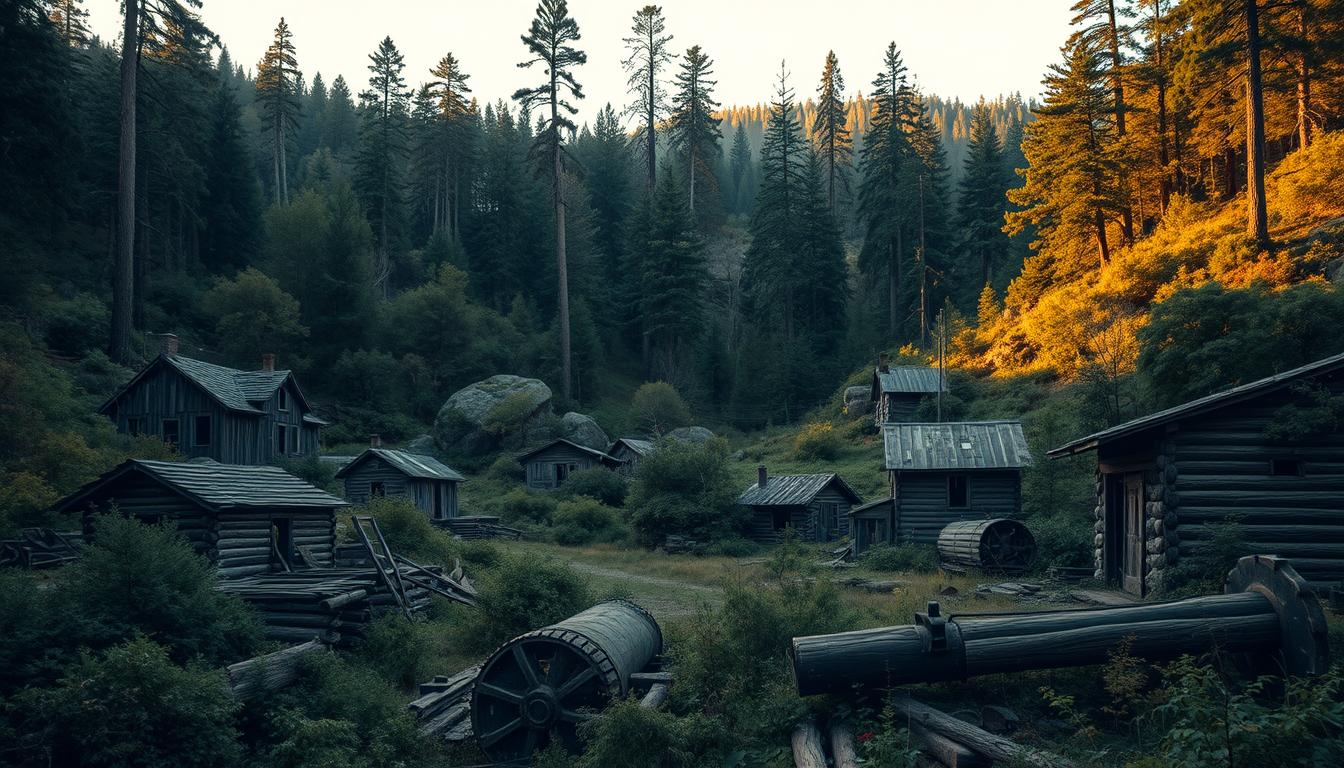
Tucked away in the Great Smoky Mountains, Elkmont tells a story of transformation. This town began as a bustling logging camp in the early 20th century, attracting workers and their families. Over time, it evolved into a vacation retreat for the elite before becoming the abandoned buildings we see today.
The Evolution of Elkmont
Elkmont’s history is rich and layered. In the 1930s, it became a popular destination for the Appalachian Club, an exclusive resort for wealthy families. The area, known as Daisy Town, featured charming cottages with period furnishings, offering a glimpse into life during that era.
Today, the park service works to stabilize these structures, preserving their historical significance. The debate between maintenance and restoration continues, ensuring the site remains authentic while accessible to visitors.
Stabilization Efforts by the Park Service
The Great Smoky Mountains National Park has taken steps to protect Elkmont’s legacy. Stabilization projects focus on preserving the architectural styles, from rustic cabins to Craftsman homes. Wildlife management in abandoned orchards adds another layer to the site’s charm.
Visitors can explore the area via the Elkmont Nature Trail, which offers hiking opportunities and a chance to see remnants of the historic trolley system. Seasonal events, like the Heritage Homecoming, celebrate the town’s history with reenactments and exhibits.
| Feature | Details |
|---|---|
| Founded | Early 20th century |
| Key Era | 1930s vacation homes |
| Preservation Status | Stabilized by the park service |
| Visitor Activities | Hiking, historical tours, seasonal events |
“Elkmont is a living museum, where every building tells a story of resilience and change.”
Bannerman Castle, New York: A Military Warehouse Turned Ruin
Perched on an island in the Hudson River, Bannerman Castle tells a tale of ambition and decay. Built in the 20th century, this unique structure was once a military warehouse for Francis Bannerman VI’s arms dealing empire. Today, its crumbling walls and scenic location make it a fascinating destination for history enthusiasts.
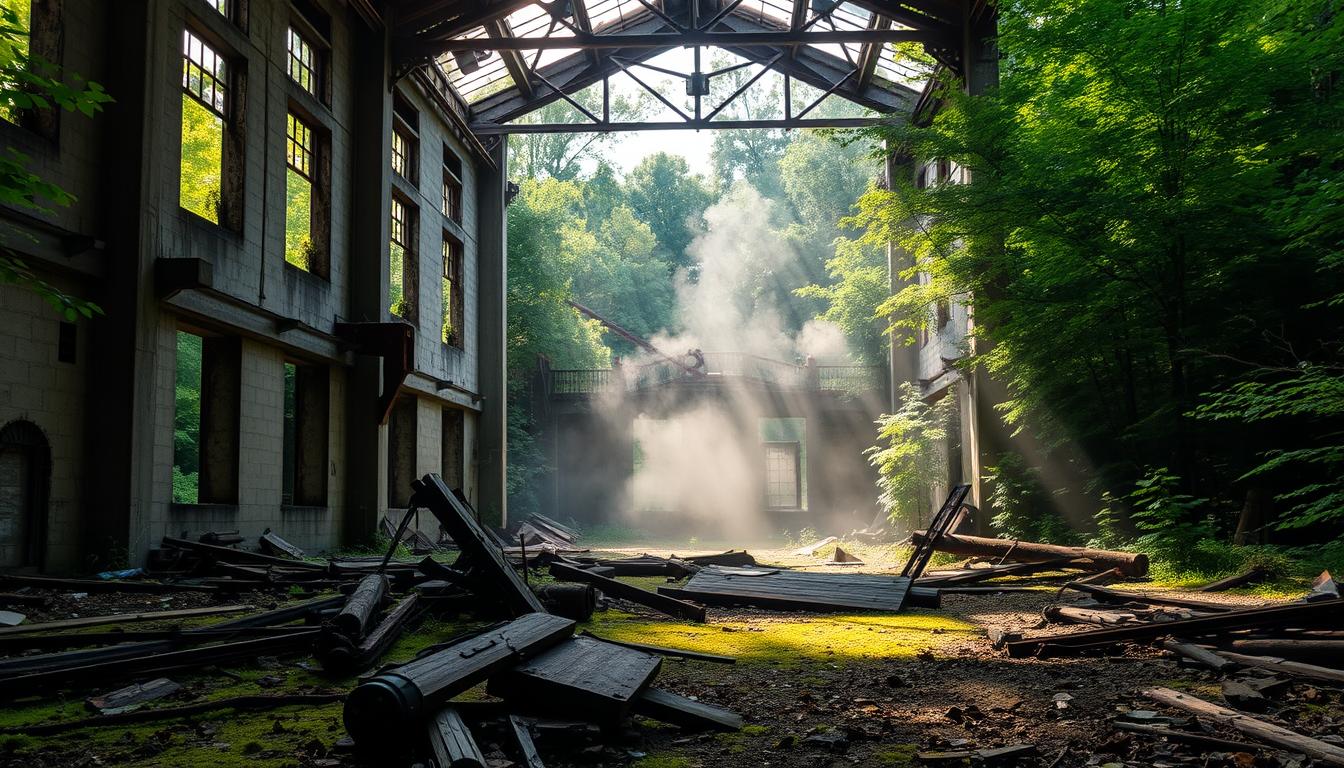
The Vision of Francis Bannerman VI
Francis Bannerman VI, a Scottish immigrant, built this castle as a storage facility for his vast collection of military surplus. Designed as an architectural parody of Scottish castles, it became a landmark in the area. His vision was to create a secure and picturesque warehouse, blending functionality with grandeur.
The castle’s construction began in 1901 and continued until 1918. Despite its military purpose, the structure’s design reflected Bannerman’s love for Scottish heritage. The island’s isolation added to its mystique, making it a unique part of Hudson River history.
The Castle’s Decline and Current State
Bannerman Castle’s decline began after a devastating fire in 1969. The blaze left much of the structure in ruins, and the remaining munitions posed explosion risks. Today, the castle stands as a haunting reminder of its past, with ongoing preservation efforts to stabilize its masonry.
Visitors can explore the site through boat-access tours, which offer a glimpse into its rich story. Seasonal theater performances and kayak tours from Beacon add to the experience. The island is also a nesting site for peregrine falcons, adding a touch of nature to its historical charm.
| Feature | Details |
|---|---|
| Construction Years | 1901-1918 |
| Key Event | 1969 fire |
| Visitor Activities | Boat tours, theater performances, kayaking |
| Wildlife | Peregrine falcon nesting site |
“Bannerman Castle is a testament to one man’s vision and the enduring allure of history.”
Sloss Furnaces, Alabama: A Haunting Industrial Relic
Once the heart of Birmingham’s steel industry, Sloss Furnaces now stands as a haunting relic of the past. This industrial landmark operated from 1882 to 1971, shaping the city’s economy and leaving behind a legacy of both innovation and tragedy. Today, it’s a National Historic Landmark, offering visitors a chance to explore its eerie history.
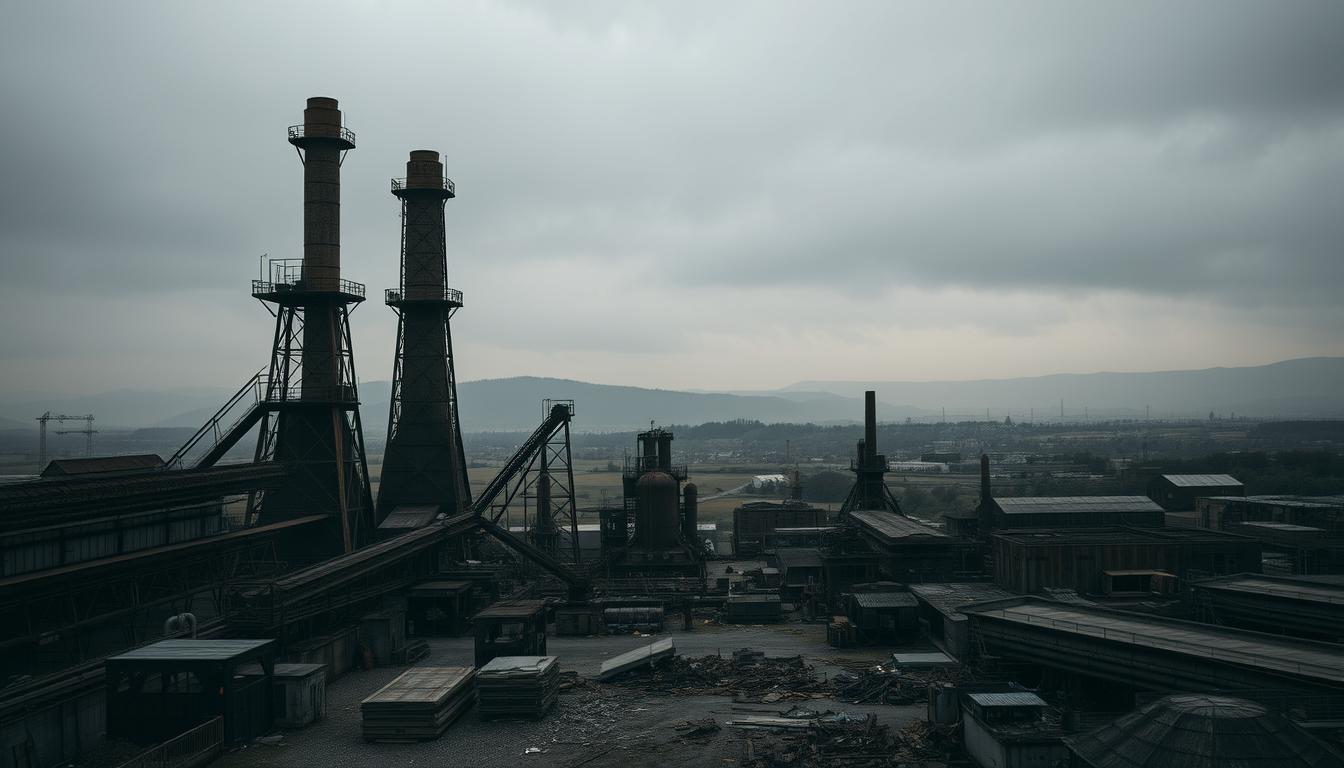
The History of Sloss Furnaces
Sloss Furnaces played a pivotal role in Birmingham’s rise as a steel-producing powerhouse. During its operation, it employed thousands of workers, many of whom faced grueling conditions. Over 100 workers lost their lives here, and their stories are woven into the site’s history.
One of the most chilling tales is the legend of James “Slag” Wormwood, a foreman whose harsh methods allegedly led to his untimely death. His ghost is said to haunt the furnaces, adding to the site’s eerie reputation. Today, the furnaces are preserved as a museum, showcasing the 20th century’s industrial achievements and challenges.
Ghost Tours and Urban Exploration
For those drawn to the supernatural, Sloss Furnaces offers ghost tours that delve into its dark past. Visitors can explore the catwalks, blast furnaces, and boiler rooms, where the acoustics amplify the sense of mystery. The annual Fright Furnace event during Halloween is a highlight, blending history with spine-chilling thrills.
Beyond its haunted reputation, Sloss Furnaces is a hub for creativity. Metal casting workshops and youth education programs keep the site alive with activity. Summer concerts and iron-making demonstrations add to its appeal, making it a must-visit destination for history buffs and adventurers alike.
- Birmingham’s steel industry foundations
- Legend of foreman James Wormwood
- National Historic Landmark designation
- Metal arts programming and workshops
- Fright Furnace Halloween event details
“Sloss Furnaces is more than a relic; it’s a living testament to the triumphs and tragedies of industrial America.”
Henry River Mill Village, North Carolina: The Real-Life District 12
Step into the world of Henry River Mill Village, where history and Hollywood collide. This town, nestled in the rolling hills of North Carolina, was once a thriving textile hub. Today, it stands as a testament to the 20th century industrial era and its unexpected transformation into a cinematic landmark.
The History of the Mill Village
Founded in 1905, Henry River Mill Village was built to house workers for the local textile mill. The village featured a company-owned layout, with modest homes, a general store, and a hydroelectric system that powered the community. Its innovative design was ahead of its time, but challenges like fire suppression in wooden structures were ever-present.
By 1987, the mill had closed, and the village was abandoned. However, its story didn’t end there. Preservation efforts have kept its historic charm alive, allowing visitors to explore its well-preserved buildings and vintage textile machinery exhibits.
Its Role in The Hunger Games
Henry River Mill Village gained global fame as the filming location for District 12 in *The Hunger Games*. The village’s rustic landscape perfectly captured the dystopian setting, drawing fans from around the world. Today, guided tours offer a behind-the-scenes look at the film set, comparing it to the village’s actual history.
Photography enthusiasts will appreciate the permit options for capturing the site’s haunting beauty. Annual Hunger Games fan events celebrate the village’s cinematic legacy, boosting the local tourism economy.
- Company town layout and worker housing
- Hydroelectric system innovations
- Fire suppression challenges in wooden structures
- Guided vs. self-guided tour options
- Nearby Connelly Springs hiking trails
“Henry River Mill Village is a place where the past and present merge, offering a unique journey through time.”
Ha Ha Tonka Castle, Missouri: A European-Inspired Ruin
High above the Ozark hills, Ha Ha Tonka Castle stands as a European-inspired marvel. This castle, with its stone walls and sweeping views, was born from the dream of Kansas City businessman Robert Snyder. Inspired by his travels across Europe, Snyder envisioned a grand estate that would rival the castles of the Old World.
The Dream of Robert Snyder
In 1905, Snyder began construction on his dream project. Using innovative limestone quarrying techniques, he crafted a structure that blended European elegance with Missouri’s rugged beauty. The castle featured a natural bridge geological formation, adding to its unique charm. Snyder’s vision was ambitious, but fate had other plans.
The Castle’s Tragic End
In 1942, a devastating fire destroyed much of the castle, leaving it in ruins. Snyder’s dream was cut short, but the site’s legacy endured. Today, it is protected as part of Ha Ha Tonka State Park, offering visitors a chance to explore its haunting remains. The park’s carriage trail restoration projects and spring wildflower photography spots make it a favorite for nature lovers.
Visitors can also enjoy Ozark folk music festivals and explore the castle museum’s scale models. Rock climbing restrictions ensure the site’s preservation, while legends of a haunted castle add to its mystique. The annual Renaissance Faire brings the castle’s history to life, making it a must-visit destination.
“Ha Ha Tonka Castle is a testament to one man’s vision and the enduring allure of history.”
- Kansas City businessman’s European tour inspiration
- Limestone quarrying techniques
- Natural bridge geological formation
- Spring wildflower photography spots
- Ozark folk music festivals
- Castle museum’s scale models
- Rock climbing restrictions
- Carriage trail restoration projects
- Haunted castle legends
- Annual Renaissance Faire
Lake Shawnee Amusement Park, West Virginia: A Haunted Carnival
Once a lively carnival, Lake Shawnee now whispers tales of tragedy and mystery. This ghost town of amusement rides has a history that dates back to the 18th century, rooted in Indigenous and settler conflicts. Today, it stands as a chilling reminder of its past, drawing visitors seeking both history and thrills.
The Dark History of Lake Shawnee
Lake Shawnee’s story begins long before its days as an amusement park. Archaeological evidence reveals prehistoric settlements on the land, highlighting its significance to Indigenous communities. The park’s operation from the 1920s to the 1960s brought joy to many, but it was also marked by tragedy, including a fatal swing ride accident.
Paranormal investigation teams have documented eerie occurrences, adding to the site’s reputation as a ghost hotspot. Vintage amusement equipment, preserved as a nod to its past, adds to the haunting atmosphere. Visitors can rent night vision cameras to capture potential supernatural activity.
The Dark Carnival Event
Each year, Lake Shawnee hosts its annual Halloween event, “The Dark Carnival.” This adventure blends history with horror, offering guided tours through the park’s decaying structures. Local artisan vendors and educational programs for school groups make it a community highlight.
- Archaeological evidence of prehistoric settlements
- Swing ride accident documentation
- Paranormal investigation team findings
- Vintage amusement equipment preservation
- Night vision camera rental options
Safety protocols ensure visitors can explore the site responsibly. Photography contests and winter closure preparations keep the park’s legacy alive year-round. Lake Shawnee is more than a ghost story—it’s a journey through time.
“Lake Shawnee Amusement Park is where history meets the supernatural, offering a unique blend of education and excitement.”
West Virginia Penitentiary: A Gothic Prison
Standing as a grim reminder of the past, West Virginia Penitentiary tells a chilling story of justice and confinement. Built in the 19th century, this Gothic-style prison operated from 1876 to 1995, housing some of the most notorious criminals of its time. Its imposing stone walls and eerie atmosphere have made it a popular destination for those fascinated by history and the supernatural.
The Notorious History of the Penitentiary
West Virginia Penitentiary was designed to resemble a medieval fortress, with its Gothic architecture and towering walls. Over the years, it became infamous for its harsh conditions and high-profile inmates, such as R.D. Wall. The prison’s heating system often failed during brutal winters, adding to the inmates’ suffering.
One of the most notable aspects of its history is its role in the filming of *The Shawshank Redemption*. This connection has drawn fans of the movie to explore the site, adding to its cultural significance. The prison’s museum exhibits showcase its industrial past, including the various trades practiced by inmates.
Modern-Day Tours and Ghost Hunts
Today, the penitentiary offers a range of tours that cater to history buffs and thrill-seekers alike. Visitors can explore the cell blocks, execution chamber, and the infamous “Sugar Shack,” where inmates once gathered. Paranormal enthusiasts can participate in ghost hunts, as the site is known for its supernatural activity.
For those seeking a more immersive experience, the overnight lockdown program allows visitors to spend the night in the prison. This unique adventure has been featured on paranormal TV shows, further cementing the penitentiary’s reputation as a ghost hotspot.
| Feature | Details |
|---|---|
| Years of Operation | 1876-1995 |
| Notable Inmate | R.D. Wall |
| Filming Location | *The Shawshank Redemption* |
| Visitor Activities | Guided tours, ghost hunts, overnight lockdown |
“West Virginia Penitentiary is more than a prison; it’s a journey through the darker chapters of American history.”
- Architectural comparison with Eastern State Penitentiary
- Heating system failures in winter
- Paranormal TV show investigations
- Museum exhibits on prison industries
- Annual Moundsville Music Festival
Belle Isle Zoo, Michigan: A Forgotten Attraction
Belle Isle Zoo, once a vibrant attraction, now stands as a silent reminder of its former glory. Located in the heart of Detroit, this 20th century landmark operated from 1895 to 2002, offering families a chance to connect with wildlife. Today, its abandoned buildings and overgrown paths tell a story of transformation and neglect.
The Rise and Fall of Belle Isle Zoo
Belle Isle Zoo began as a modest animal exhibit, designed by Frederick Law Olmsted. Its layout incorporated natural elements, blending seamlessly with the island’s beauty. During the Great Depression, WPA construction projects expanded the zoo, adding features like bear pits and an elephant house.
By the mid-20th century, the zoo was a beloved destination for families. However, changing animal welfare policies and budget cuts led to its decline. In 2002, the zoo closed its doors, leaving behind a legacy of memories and a hauntingly beautiful area.
Exploring the Abandoned Structures
Today, visitors can explore the remains of Belle Isle Zoo, including the iconic bear pits and elephant house. These abandoned buildings have become a canvas for graffiti artists, documenting the past in vibrant colors. Birdwatchers also flock to the site, drawn by the overgrown habitats that now serve as a sanctuary for local wildlife.
Urban explorers are reminded to follow safety warnings, as the structures are fragile. Photography workshops are often held here, capturing the eerie beauty of the ruins. Conservation efforts along the Detroit River aim to preserve the island’s natural charm, while redevelopment proposals spark hope for the future.
| Feature | Details |
|---|---|
| Years of Operation | 1895-2002 |
| Key Structures | Bear Pits, Elephant House |
| Current Status | Abandoned, with ongoing conservation efforts |
| Visitor Activities | Photography, birdwatching, urban exploration |
“Belle Isle Zoo is a place where history and nature intertwine, offering a unique journey through time.”
- Frederick Law Olmsted’s design elements
- WPA construction projects during the Great Depression
- Animal welfare policy changes
- Graffiti art documentation projects
- Birdwatching in overgrown habitats
- Urban exploration safety warnings
- Photography workshop schedules
- Detroit River conservation efforts
- Future redevelopment proposals
- Annual Belle Isle Conservancy fundraiser
Exploring America’s Forgotten Towns: A Journey Through Time
Step back in time and uncover the stories hidden within these historic sites. Each location offers a unique glimpse into the past, from bustling mining hubs to quiet logging communities. These places are more than just ruins—they’re time capsules preserving the nation’s rich history.
The Importance of Preserving These Sites
Preserving these historic locations is crucial for understanding our shared heritage. Many of these sites are protected within national parks, ensuring their stories are not lost. By maintaining these places, we honor the lives and struggles of those who came before us.
Heritage tourism plays a vital role in their preservation. Visitors contribute to local economies, supporting efforts to stabilize and restore these landmarks. Volunteering opportunities also allow individuals to give back while learning about history firsthand.
How to Plan Your Visit
Planning a trip to these historic sites requires careful preparation. Start by researching trails and accessibility to ensure a smooth adventure. Many locations require photography permits, so check with local authorities before your visit.
Pack appropriately for the season, and consider combining your trip with nearby national park itineraries. Responsible social media sharing helps raise awareness while respecting the sites’ integrity. Remember to follow Leave No Trace principles to protect these fragile remnants of the past.
- Adapt Leave No Trace principles for historic sites
- Check photography permit requirements
- Contact state historic preservation offices for details
- Use road trip planning tools and apps
- Prepare seasonal packing checklists
- Learn about heritage tourism’s economic impact
- Explore volunteer vacation opportunities
- Consider insurance for remote locations
- Combine visits with national park itineraries
- Share responsibly on social media
Conclusion: The Enduring Legacy of America’s Forgotten Towns
The echoes of the past still resonate in these abandoned spaces, offering lessons for the future. As we transition from the industrial to the digital age, these sites remind us of the cycles of growth and decline. They also play a vital role in climate change resilience studies, showing how nature reclaims human ambition.
Emerging technologies, like 3D scanning and virtual reality, are transforming preservation efforts. These tools help document and share the story of these places with new generations. Younger audiences are increasingly drawn to these sites, finding inspiration in their history and beauty.
Upcoming restoration projects aim to protect these landmarks for years to come. As you plan your adventure, remember to prioritize safety and respect for these fragile spaces. Supporting local preservation groups ensures their legacy endures.
Share your discoveries and connect with others who cherish these places. The impermanence of these sites reminds us to appreciate the fleeting nature of life and history. Together, we can keep their stories alive.
FAQ
Why do abandoned places like ghost towns fascinate people?
These sites offer a unique glimpse into the past, showcasing stories of life, industry, and community that once thrived. Their eerie beauty and historical significance draw visitors seeking adventure and a connection to history.
What can I expect to see in Bodie, California?
Bodie is a well-preserved gold rush ghost town. You’ll find original buildings, including a general store, church, and homes, frozen in time since the early 20th century.
Is Kennecott, Alaska worth visiting?
Absolutely! Kennecott features a massive 14-story copper mill and other structures that highlight the town’s industrial ingenuity during the early 20th century.
Are there guided tours available in Vulture City, Arizona?
Yes, guided tours are offered, allowing visitors to explore the abandoned buildings and learn about the town’s gold mining history.
What makes Terlingua, Texas unique?
Terlingua blends its mining past with a vibrant artistic revival. Visitors can explore abandoned structures while enjoying the town’s creative spirit.
Can I visit Elkmont, Tennessee?
Yes, Elkmont is part of the Great Smoky Mountains National Park. The Park Service has stabilized many of the original logging community buildings for visitors to explore.
What is the story behind Bannerman Castle in New York?
Built by Francis Bannerman VI as a military warehouse, the castle now stands in ruins on an island in the Hudson River, offering a fascinating glimpse into its storied past.
Are ghost tours available at Sloss Furnaces in Alabama?
Yes, Sloss Furnaces offers ghost tours and urban exploration opportunities, highlighting its haunting industrial history.
What role did Henry River Mill Village play in The Hunger Games?
The village served as the filming location for District 12, adding to its historical and cultural significance.
Can I visit Ha Ha Tonka Castle in Missouri?
Yes, the castle ruins are part of Ha Ha Tonka State Park, where visitors can hike trails and explore the European-inspired structure.
What is the Dark Carnival event at Lake Shawnee Amusement Park?
This annual event celebrates the park’s eerie history with haunted attractions, ghost stories, and family-friendly activities.
Are tours available at the West Virginia Penitentiary?
Yes, the penitentiary offers historical tours and ghost hunts, allowing visitors to explore its Gothic architecture and notorious past.
Can I explore Belle Isle Zoo in Michigan?
While the zoo is abandoned, visitors can still explore its forgotten structures and enjoy the surrounding park area.
How can I plan a visit to these forgotten towns?
Research each site’s accessibility, guided tour options, and seasonal availability. Many are located in remote areas, so plan accordingly for a safe and enjoyable trip.