Did you know that the distance between the nearest major airport and Utah’s famous red rock wonderland can span over 270 miles? That’s longer than the drive from New York City to Philadelphia. This surprising fact highlights why planning your arrival strategy is crucial for a smooth adventure.
Your journey to witness breathtaking natural arches begins long before you hit the trail. Choosing the right gateway involves more than just picking the geographically closest option. You’ll need to balance flight availability, rental car costs, and driving distances.
This guide walks you through every viable choice. From small regional facilities to major international hubs, each option has distinct advantages. We’ll help you weigh the pros and cons so you can make the best decision for your specific needs and itinerary.
Proper planning ensures you spend less time traveling and more time exploring. You’ll transition smoothly from air travel to immersing yourself in the park’s dramatic landscapes. Let’s map out the ideal arrival strategy for your upcoming visit.
Key Takeaways
- Canyonlands Field Airport sits just 18 miles from Moab, making it the most convenient choice
- Major hubs like Denver and Salt Lake City offer more flight options but require longer drives
- Consider rental car availability and costs when selecting your arrival point
- Balance flight savings against additional driving time and expenses
- Your overall itinerary should influence which airport works best
- Ground transportation planning is essential for a stress-free experience
- Early planning helps maximize your time exploring the natural wonders
Exploring Airport Options for Your Trip
Your adventure to the iconic red rock landscape begins with a key decision: selecting your arrival point. You have several airport options to consider when planning your trip. Each facility offers a different balance of proximity, flight availability, and overall travel convenience.
Overview of Nearby Airports
Four primary airports serve visitors heading to the park. Their distances vary significantly, influencing your ground travel plans.
- Canyonlands Field Airport (CNY): Located just 18 miles away, this is the closest option. It offers daily flights from Denver and Salt Lake City via Delta and United Airlines.
- Grand Junction Regional Airport (GJT): Situated 113 miles away in Colorado, it provides flights from Dallas, Los Angeles, Phoenix, and Las Vegas.
- Salt Lake City International Airport (SLC): This major hub is 234 miles away, with direct flights from over 87 U.S. cities and international destinations.
- Denver International Airport (DEN): At 276 miles, it’s the farthest but offers the most flight options from across the country and Europe.

Comparing Flight Availability
Flight options differ greatly between these airports. Smaller regional facilities like Canyonlands Field have limited schedules. You might find only a few connections per day.
Major hubs like Salt Lake City and Denver provide hundreds of direct flight choices. This is a significant advantage if you are traveling from a city without regional service. It also helps international travelers avoid extra connections.
Ticket prices can change with the seasons. During peak summer months, fares to smaller airports often rise. Sometimes, flying into a larger hub and driving can be more economical.
Understanding Regional and International Flight Choices
Your flight strategy to reach the breathtaking geological wonders involves weighing two distinct airport categories. Regional facilities offer proximity but limited schedules. International hubs provide extensive networks with longer drives.
Each option serves different travel needs. Your departure location and itinerary will determine the best fit.
Regional Airports Explained
Smaller regional airports near the stunning landscapes provide convenient access. Canyonlands Field offers the closest proximity with daily flights from Denver and Salt Lake City.
Grand Junction and Durango facilities expand your direct flight options. They serve cities like Dallas, Phoenix, and Los Angeles. These regional choices mean faster security and easier navigation.
Families particularly appreciate the stress-free experience. Quick baggage claim and rental car pickup save valuable time.
Benefits of International Hubs
Major international airports connect you from virtually anywhere. Salt Lake City receives direct flights from 87 U.S. cities plus international destinations.
Las Vegas and Denver offer even broader networks. Competitive pricing comes from high flight frequency and airline competition.
These hubs provide essential services for overseas travelers. Customs facilities, currency exchange, and multilingual assistance are available. The scenic drive to the national park becomes part of your adventure.
Detailed Review of Nearby Airports
The choice between regional convenience and international connectivity shapes your entire travel experience. Each facility offers unique benefits that cater to different preferences and itineraries.
Canyonlands Field Airport and Its Advantages
Canyonlands Field Airport provides the shortest ground travel time at just 18 miles from the park entrance. Your 30-minute drive delivers you directly to the stunning landscapes with minimal fatigue.
This regional facility offers incredible aerial views of red sandstone formations during approach. You get a stunning preview of the natural wonders before landing.
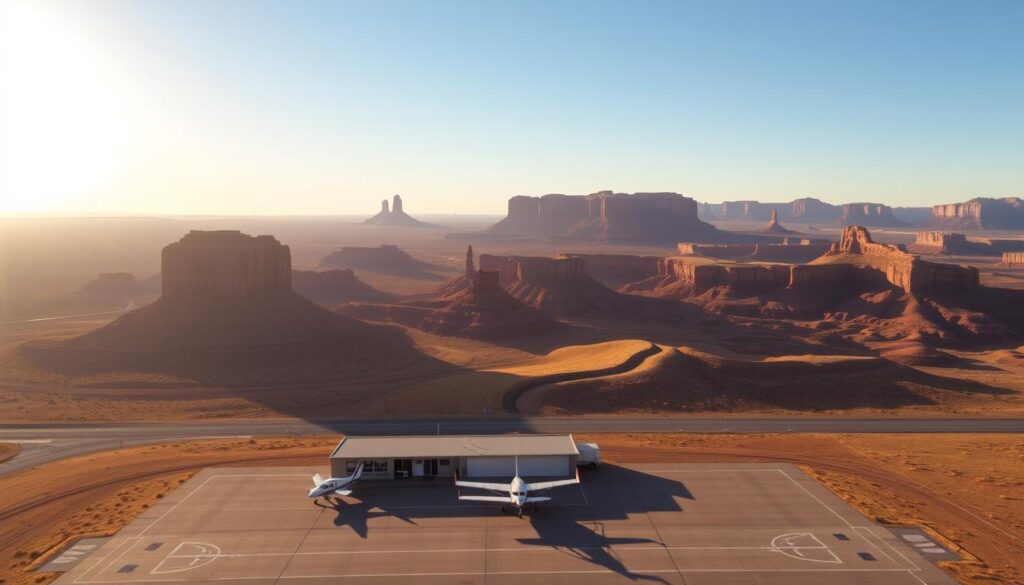
Despite limited flight schedules, major rental car companies operate onsite. You can secure transportation immediately upon arrival.
Insights on Grand Junction and Salt Lake City Airports
Grand Junction Regional Airport represents an excellent middle-ground option. Located 113 miles away, the two-hour scenic drive showcases dramatic desert vistas.
This Colorado facility offers considerably more flight options than smaller regional airports. Direct service from major cities makes it accessible from various departure points.
Salt Lake City International Airport serves as the nearest major hub. While the four-hour drive is longer, exceptional flight availability compensates for the distance.
The route from this city international airport takes you through Utah’s diverse landscapes. This scenic journey serves as an introduction to the region’s geological splendor.
Closest Airport to Arches National Park: How to Plan Your Arrival
A successful journey to the iconic sandstone formations starts with a well-structured arrival plan. This process involves several key decisions that work together to create a seamless experience from the moment you land.
Step-by-Step Arrival Strategies
Follow this logical sequence to organize your trip effectively. Each step builds upon the previous one for optimal results.
- Choose your arrival point wisely. Evaluate flight costs and schedules from your home city. Balance this with your tolerance for a longer drive. Consider if minimizing flight time or road time is your priority.
- Book flights early, especially for peak seasons. Late spring through early fall sees high demand. Fares rise and seats become scarce, particularly for regional airports.
- Secure your rental vehicle at the same time. Ensure the car size fits your group and gear. Think about whether a standard car is enough or if you need a 4×4 for off-paved road exploration.
- Understand the timed entry system. During busy periods, you need a reservation to enter the national park. Coordinate your flight arrival with available entry windows.
- Plan your stay in Moab. This gateway town is just five minutes from the park entrance. It offers hotels, restaurants, and gear shops for a convenient base.
- Map your driving route carefully. Identify fuel stops, especially on remote stretches of highway. Decide if you will drive straight through or break up the journey.
- Prepare for the season. Spring and fall provide the mildest weather for your trip. Summer brings intense heat, while winter may have snow on mountain passes.
For travelers with children, Salt Lake City International Airport often works best. It provides the most flight options, schedule flexibility, and rental car availability. This makes the longer drive a worthwhile trade-off for a smoother, less stressful trip.
Planning Your Car Rental and Transportation Options
Your mobility strategy after arriving at your chosen airport significantly impacts your entire park experience. Having reliable ground transportation is essential for exploring the vast desert landscape.

Since no public transportation operates within the park boundaries, your vehicle choice determines your exploration capabilities. You need wheels to access viewpoints and trails throughout the area.
Tips for Booking Rental Cars
Reserve your rental car early, especially during peak seasons. Availability becomes extremely limited in the Moab area, and prices rise dramatically.
Consider renting directly from the airport where you land. Airport facilities typically offer better pricing and greater vehicle selection. Major companies like Enterprise, Hertz, and Alamo operate at most airports.
For off-road adventures, specialized local agencies provide rugged 4×4 vehicles. Companies like Twisted Jeep Rentals and Moab Bronco Rentals equip vehicles for the area’s famous trails.
Shuttle and Taxi Service Insights
Shuttle options remain limited but available for airport transfers. The Moab Express provides private and shared rides from Canyonlands Field Airport to town.
Moab Taxi Service offers an alternative for getting to the park visitor center. However, relying solely on taxis proves impractical for full exploration due to distances and costs.
Booking your transportation in advance ensures a smooth transition from air travel to desert exploration. This planning saves valuable time upon arrival.
Mapping the Scenic Drives to Moab
The journey from your chosen airport to the iconic red rock landscape is an adventure in itself. Each route offers a unique perspective on the region’s stunning geology.
Your scenic drive transforms travel time into a highlight of your trip. You witness the dramatic shifts in terrain that define the American Southwest.

Route Highlights and Driving Times
Planning your drive involves considering both distance and the visual rewards. The table below compares key routes to help you choose.
| Starting Point | Distance (Miles) | Approx. Drive Time (Hours) | Route Highlights |
|---|---|---|---|
| Grand Junction | 113 | 2 | Colorado Plateau, Colorado River corridor |
| Salt Lake City | 234 | 4 | Mountain valleys to high desert, Price Canyon |
| Denver | 276 | 6 | Rocky Mountains, Book Cliffs, high desert |
| Las Vegas | 468 | 7 | Diverse Nevada/Utah landscapes, potential overnight stop |
Must-See Views Along the Way
Keep your camera ready for spectacular views. From Salt Lake City, watch for the dramatic transition through Price Canyon.
The drive from Denver treats you to the massive Book Cliffs formation. This geological feature provides a stunning backdrop for hours.
Approaching from Grand Junction, you’ll see the Colorado National Monument area. The contrast between the river corridor and desert is unforgettable.
Planning fuel stops is essential, especially on longer routes. This ensures you enjoy the scenic journey without worry.
Family Travel and Adventure Essentials
Exploring the stunning red rock landscape with young explorers creates unforgettable moments. Thoughtful preparation ensures these experiences are positive for everyone.

Traveling with Kids in National Parks
Visiting these natural wonders with children requires a different approach. Focus on short, engaging activities that match their energy levels.
Start your hiking adventures on trails like Park Avenue. This one-mile path offers dramatic views without being too strenuous. The Balanced Rock trail is another excellent choice for little legs.
Consider booking a guided tour for your family. Operators like Adrift Adventures and NAVTEC Expeditions design experiences for all skill levels. These experts handle logistics so you can focus on making memories.
Sunset Hummer Safari tours provide exciting vehicle-based travel. They let you cover more ground while younger children enjoy the ride.
Plan your day around the weather. Start early to avoid the intense midday heat. Pack plenty of water, snacks, and sunscreen for protection.
Teach children Leave No Trace principles before you go. This helps them understand the importance of staying on trails and respecting wildlife.
Spending multiple time in the area allows for a more relaxed pace. This approach lets everyone appreciate the spectacular arches and formations without rushing.
Insider Tips for Booking Flights and Rentals
Smart booking strategies can significantly reduce your travel expenses while maximizing your time exploring the stunning desert landscapes. Timing your reservations requires careful planning to avoid peak season price surges.
Book your flights three to four months early for the best prices. Last-minute bookings during summer can cost triple the optimal rates. Monitor prices to multiple airport options simultaneously.
Consider midweek travel rather than weekend departures. Tuesday and Wednesday flights typically cost less. This timing also helps you avoid the heaviest crowds at arches national park.
When booking rental car services, always reserve in advance. Walk-up rates can be three to four times higher. Summer peak season commands premium rates of $80+ per day.
Choose vehicles with unlimited mileage for your trip. The distances involved quickly accumulate hundreds of miles. These tips ensure travelers save money and time.
Coordinate your flight arrival time with planned activities. Land with enough daylight to collect your car and drive to your destination. These tips make your trip smoother.
Preparing for a Memorable National Park Visit
The final piece of your travel puzzle involves preparing for the actual conditions you’ll encounter at the destination. Proper planning ensures you can fully enjoy the spectacular landscapes without unexpected challenges.
Best Times to Visit and Local Weather Considerations
Timing your visit significantly impacts your experience. Spring (April-May) and fall (September-October) offer ideal conditions with mild temperatures.
Summer brings extreme desert heat requiring early morning starts. Winter visits present unique beauty but demand preparation for cold temperatures.
Understanding local weather patterns is crucial. Desert environments feature dramatic temperature swings between day and night. Layered clothing systems accommodate these changes effectively.
Physical preparation enhances your enjoyment. Cardiovascular conditioning helps with hiking at 4,000 feet elevation. Packing essentials include ample water, sun protection, and sturdy footwear.
Setting realistic expectations creates a more rewarding experience. You cannot see everything in one visit. Sometimes the most memorable moments come from quietly observing light transform the rocks.
Your accommodation choice shapes your overall experience. Options range from basic motels to luxury resorts like ULUM Moab. This property offers guided adventures and wellness programming.
Conclusion
Your journey to witness the stunning red rock formations is built on the choices you make before departure. This guide has provided the details to navigate those decisions confidently.
Each gateway, from the nearest regional facility to major hubs, offers a unique path to the national park. The right choice balances flight availability, driving time, and your personal travel preferences.
Remember to book your trip components well in advance. This secures the best options for your visit. With your plans set, you can focus on the adventure ahead.
You are now prepared for an unforgettable experience exploring the natural arches and vast desert park. Your well-planned way to arrive ensures more time for discovery and wonder.
FAQ
What is the nearest airport to Arches National Park?
The closest airport is Canyonlands Field Airport (CNY), located just 10 miles from the park entrance near Moab. This regional airport offers the most direct access for your adventure.
Are there larger airport options with more flight choices?
A> Yes, Grand Junction Regional Airport (GJT) in Colorado is about a two-hour drive away and offers more flight options. Salt Lake City International Airport (SLC) is a major hub, roughly a four-hour scenic drive from the park.
What are the main benefits of flying into a regional airport like Canyonlands Field?
Flying into a smaller airport saves significant driving time, getting you to the park faster. It also simplifies your car rental process and reduces travel fatigue before a day of hiking.
How should I plan my ground transportation from the airport?
Renting a car is highly recommended for maximum flexibility. Book your rental vehicle well in advance, especially during peak seasons like spring and summer. Limited shuttle services are also available from some airports.
What is the best time of year to visit for good weather?
Spring and fall offer the most pleasant temperatures for exploring. Summer visits are popular but can be extremely hot, so plan your hiking for early mornings. Winter brings cooler weather and fewer crowds.
Are there any must-see stops on the drive from Salt Lake City?
The drive from Salt Lake City International Airport is incredibly scenic. You’ll pass through stunning landscapes, with potential detours to other national parks like Canyonlands, making the journey part of the vacation.
What tips can help me save money on flights and rental cars?
Be flexible with your travel dates and book flights several months ahead. For car rentals, compare prices at different airports and consider renting from a location slightly farther away for better rates.