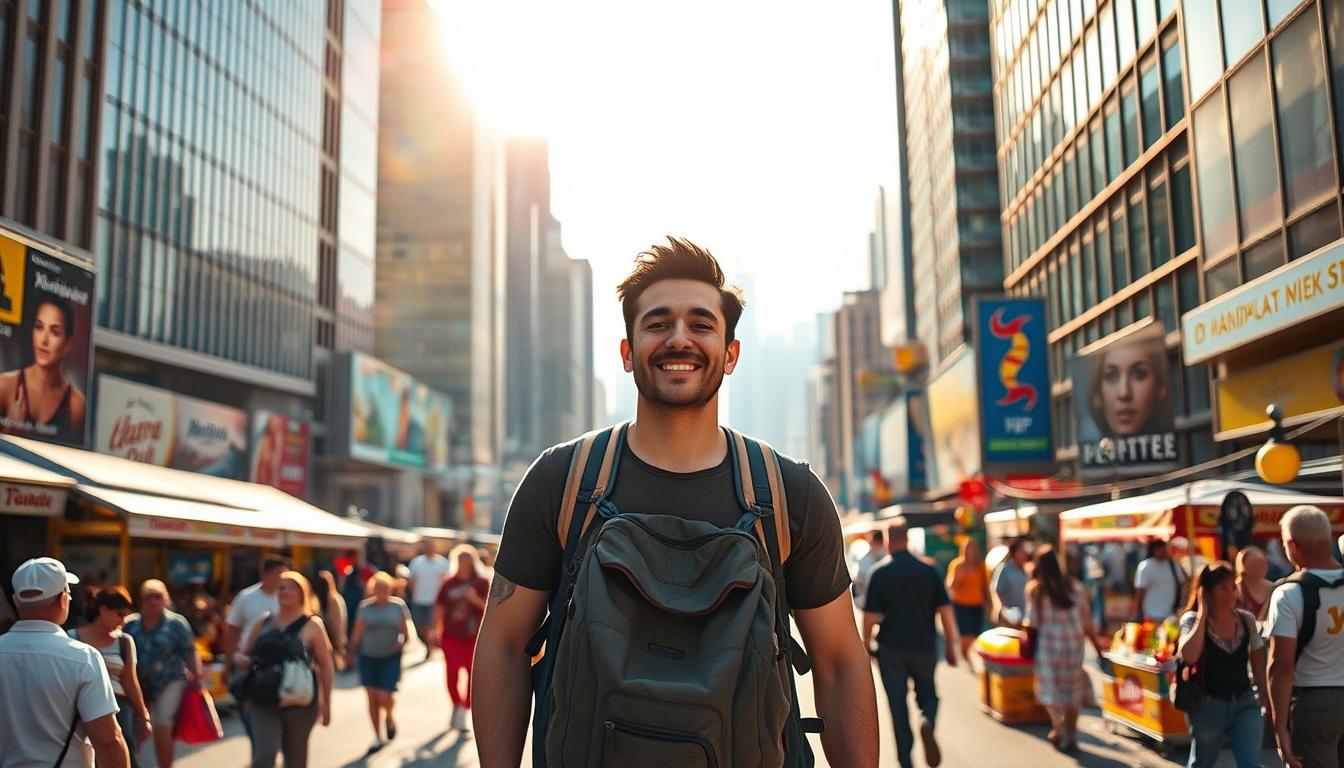
Did you know that solo travel has increased by 40% in the last decade? More people are discovering the transformative power of exploring the world on their own terms. One unforgettable experience was a leisurely meal at Trattoria Anna Maria in Bologna, Italy. Sitting alone, savoring every bite, I realized the freedom of setting my own pace.
From the Greek islands to the deserts of Rajasthan and the bustling markets of Morocco, solo journeys have taught me to enjoy my own company. These experiences foster introspection and build confidence in ways group trips rarely do. Traveling alone isn’t just about visiting new places; it’s a path to self-discovery and empowerment.
This article explores eight transformative benefits of independent travel. Whether it’s embracing spontaneity or learning to trust your instincts, solo adventures can reshape your perspective on life.
Key Takeaways
- Solo travel boosts self-confidence and independence.
- It allows for a personalized and flexible itinerary.
- Introspection and self-discovery are key benefits.
- Experiencing new cultures alone fosters adaptability.
- It helps build problem-solving skills in unfamiliar situations.
1. Step Outside Your Comfort Zone
Breaking away from routine opens doors to new possibilities. Solo travel encourages stepping into the unknown, where every moment becomes an opportunity for growth. Whether it’s savoring a plate of bolognese at Trattoria Anna Maria or renting an electric bike to explore Bologna, these experiences redefine what it means to live fully.
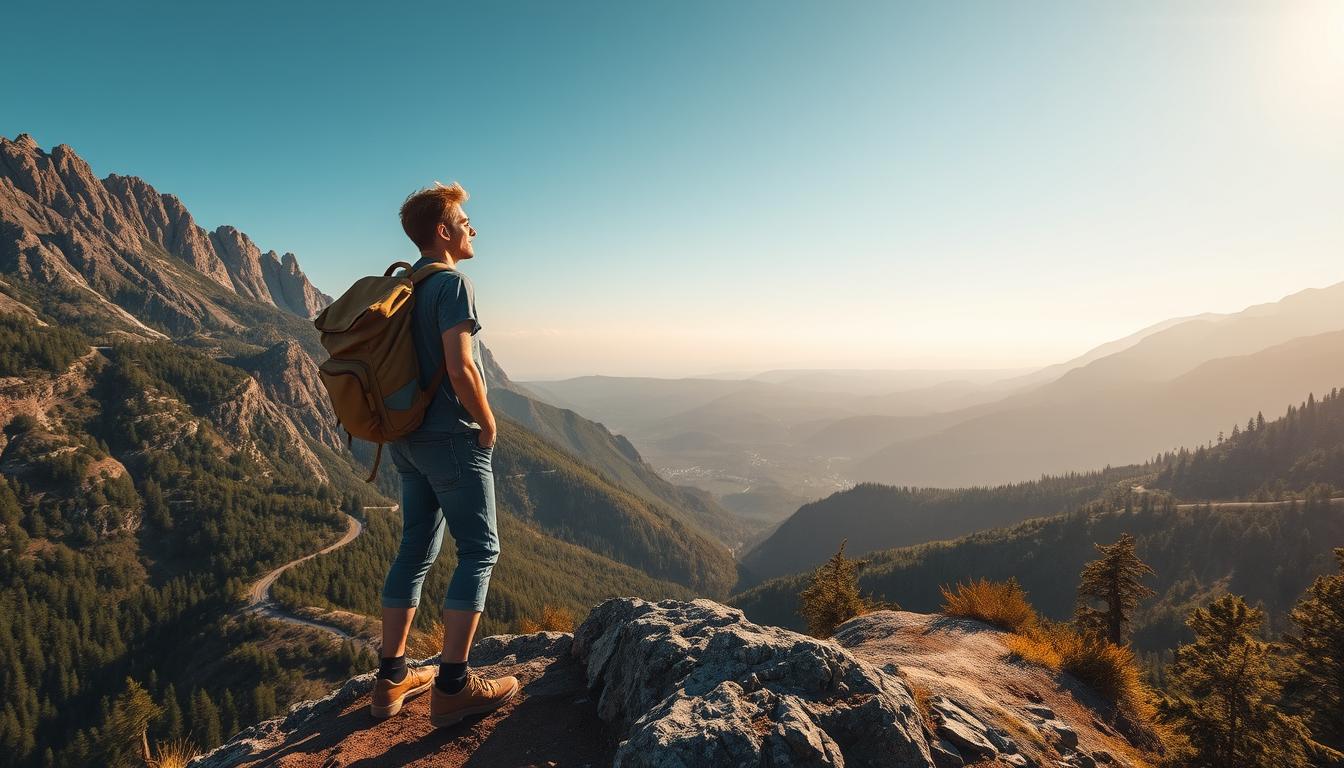
Group trips often come with constraints, but traveling alone offers the freedom to try unconventional activities. For instance, taking Russian classes at a hostel in Bishkek or antiquing before dinner in a new city can spark unexpected joy. These moments challenge routines and introduce fresh perspectives.
Embrace New Experiences
Hostel-organized events, like group dinners or local cooking classes, provide low-pressure entry points for solo travelers. These things foster connections while encouraging personal exploration. The necessity of self-reliance naturally disrupts habits, making every day an adventure.
Challenge Your Routine
Practical ways to break routines include ordering something unfamiliar at every third meal or opting for unfamiliar transportation methods. These small steps build confidence and adaptability, proving that stepping outside comfort zones is both rewarding and transformative.
2. Build Unshakable Confidence
Navigating the unknown can be daunting, but it’s also a powerful way to build confidence. Solo travel often throws unexpected challenges your way, forcing you to adapt and grow. From navigating chaotic traffic to overcoming language barriers, every experience adds to your resilience.
Navigate Unfamiliar Situations
One memorable moment involved an emergency dental visit in Delhi. Racing through the city in a tuk-tuk, I had to rely on quick thinking and local advice to find a clinic. This situation taught me the value of staying calm under pressure and trusting my instincts.
Daily challenges, like figuring out public transit in a foreign country or haggling in a bustling market, also build problem-solving skills. These small victories add up, making you more self-assured with each passing day.
Learn to Trust Your Instincts
Intuition plays a crucial role in solo travel. Whether it’s assessing the trustworthiness of a stranger or choosing the safest road to take, you learn to rely on your gut. This skill extends beyond travel, improving decision-making in professional and personal life.
Here are a few confidence-building exercises to try on your next trip:
- Negotiate prices without relying on translator apps.
- Explore a new city without a map or GPS.
- Strike up a conversation with a local to learn about hidden gems.
78% of solo travelers report improved problem-solving skills after their journeys.
These experiences not only boost your confidence but also prepare you to handle life’s challenges with grace and resilience.
3. Discover a New Version of Yourself
Exploring the world alone often leads to unexpected self-discovery. Without the influence of others, you’re free to reflect on your true desires and grow through self-reliance. This journey isn’t just about seeing new places; it’s about uncovering parts of yourself you never knew existed.
Reflect on Your True Desires
One memorable experience involved a three-hour conversation with a Jordanian bead artist. Sharing stories over tea, I realized how much I valued cultural exchange and creativity. This moment became a catalyst for deeper self-reflection.
Similarly, hikes along the Irish coast revealed insights into my social anxiety. The solitude allowed me to confront fears and embrace my own company. These unfiltered moments amplify personal growth in ways curated group tours rarely can.
Grow Through Self-Reliance
Staying at a hostel in Strandhill, I found a perfect balance between solitude and socialization. This way of traveling taught me to trust my instincts and make decisions independently. A psychological study even found that solo travelers report increased self-awareness after their journeys.
To track your personal evolution, try journaling techniques like:
- Writing about one new experience each day.
- Reflecting on challenges and how you overcame them.
- Noting moments of joy or inspiration.
“Solo travel is not just about the destination; it’s about the journey within.”
These practices help you understand your growth over time, making the road to self-discovery even more meaningful.
4. Connect with Strangers in Meaningful Ways
Meeting new people can transform your journey in unexpected ways. Solo travel often leads to deeper connections with strangers, creating memories that last a lifetime. Unlike group tours, where interactions can feel superficial, traveling alone encourages genuine bonds.

Experience the Kindness of Others
One unforgettable moment occurred in Reykjavik, where Icelandic cafe workers invited me to explore the city’s nightlife. Their warmth and generosity turned a simple visit into an adventure. Similarly, in Vietnam, a non-verbal bonding experience with a local artist highlighted the universal language of kindness.
These encounters remind us that people everywhere are willing to help and share their culture. Apps like Couchsurfing and Meetup make it easier to connect with locals and fellow travelers, fostering meaningful interactions.
Form Unexpected Friendships
Hostels are hubs for forming unexpected friendships. In Reykjavik, a casual chat in the common area led to a spontaneous road trip around the Golden Circle. These moments are common when you’re open to meeting new people.
Here are some icebreaker strategies for hostel common areas:
- Ask for recommendations on local bars or restaurants.
- Join group activities like cooking classes or city tours.
- Share travel stories to spark conversations.
63% of solo travelers maintain international friendships long after their journeys.
While connecting with strangers, it’s essential to maintain boundaries. Trust your instincts, stay in public spaces, and use apps with verified profiles. These precautions ensure safety while fostering meaningful connections.
| App/Community | Purpose |
|---|---|
| Couchsurfing | Connect with locals for free stays and cultural exchange. |
| Meetup | Join events and activities with like-minded travelers. |
| Hostelworld | Find hostels with vibrant social atmospheres. |
5. Enjoy Complete Freedom
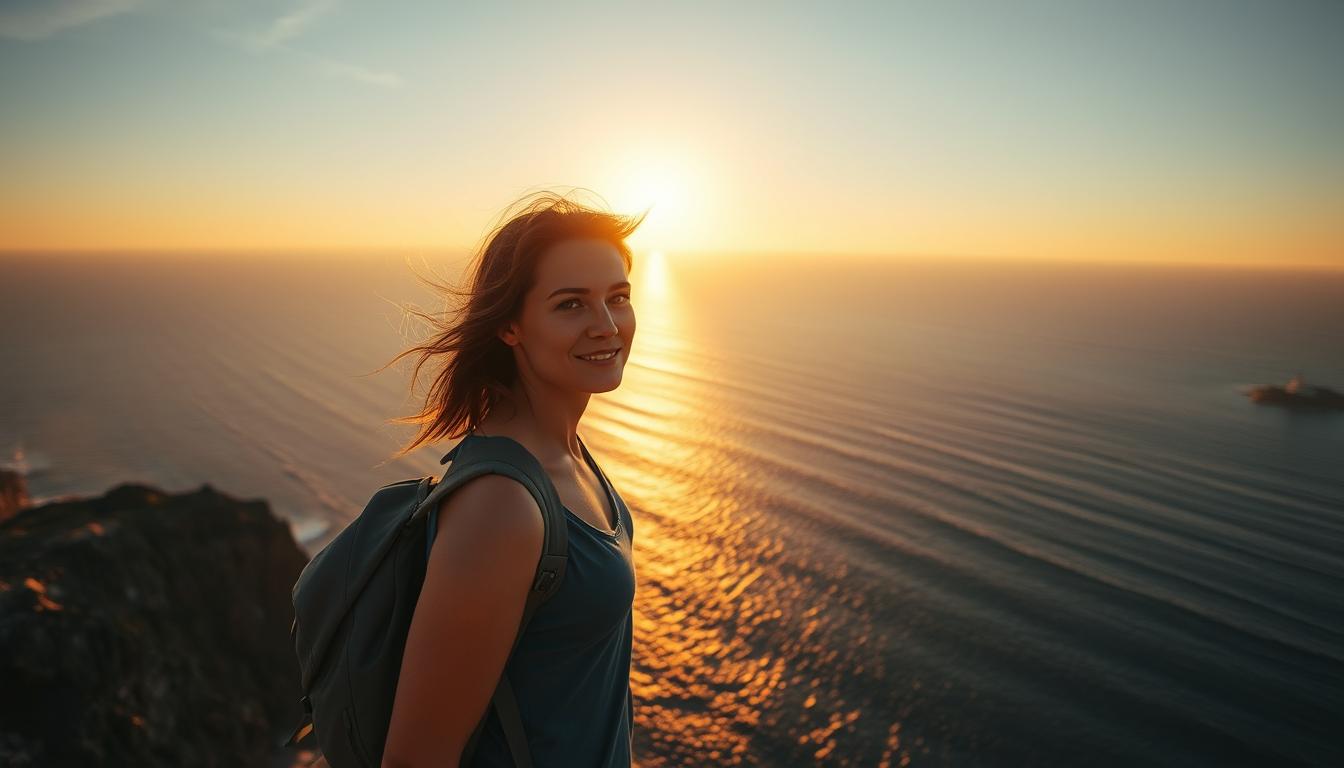
One of the greatest joys of independent exploration is the freedom to choose your own path. Unlike group trips with rigid schedules, solo travel allows you to set your own pace and make spontaneous decisions. This flexibility transforms every moment into an opportunity for adventure.
Set Your Own Pace
Unstructured time allows for deeper immersion in your surroundings. On a recent trip to Turkmenistan, a currency crisis forced me to adapt quickly. Instead of stressing, I embraced the challenge, finding creative solutions that made the experience unforgettable.
Slow travel mornings, like lingering over coffee in Bologna, highlight the psychological benefits of taking your time. Focus on things that matter most, whether it’s a museum visit or a leisurely stroll through a local market.
Here are some pacing tips to maximize your freedom:
- Schedule one anchor activity per day, leaving room for spontaneity.
- Plan activities that align with your energy levels.
- Allow extra time for unexpected discoveries.
Make Spontaneous Decisions
Spontaneity is a cornerstone of solo travel. Adding a last-minute Icelandic layover to my itinerary led to breathtaking views of the Northern Lights. This way, you can seize opportunities without compromising group dynamics.
Flexibility also extends to packing. Lightweight, versatile clothing ensures you’re prepared for any adventure. Here’s a quick guide to packing for flexibility:
| Item | Purpose |
|---|---|
| Layered Clothing | Adapt to varying weather conditions. |
| Multi-purpose Shoes | Comfortable for walking and versatile for different settings. |
| Compact Backpack | Carry essentials without being weighed down. |
“The beauty of solo travel lies in the freedom to change your plans at a moment’s notice.”
Embracing spontaneity not only enhances your trip but also builds confidence in your decision-making abilities. Whether it’s extending your stay in a charming city or trying a new activity, the freedom to choose is empowering.
6. Be Truly Present in the Moment
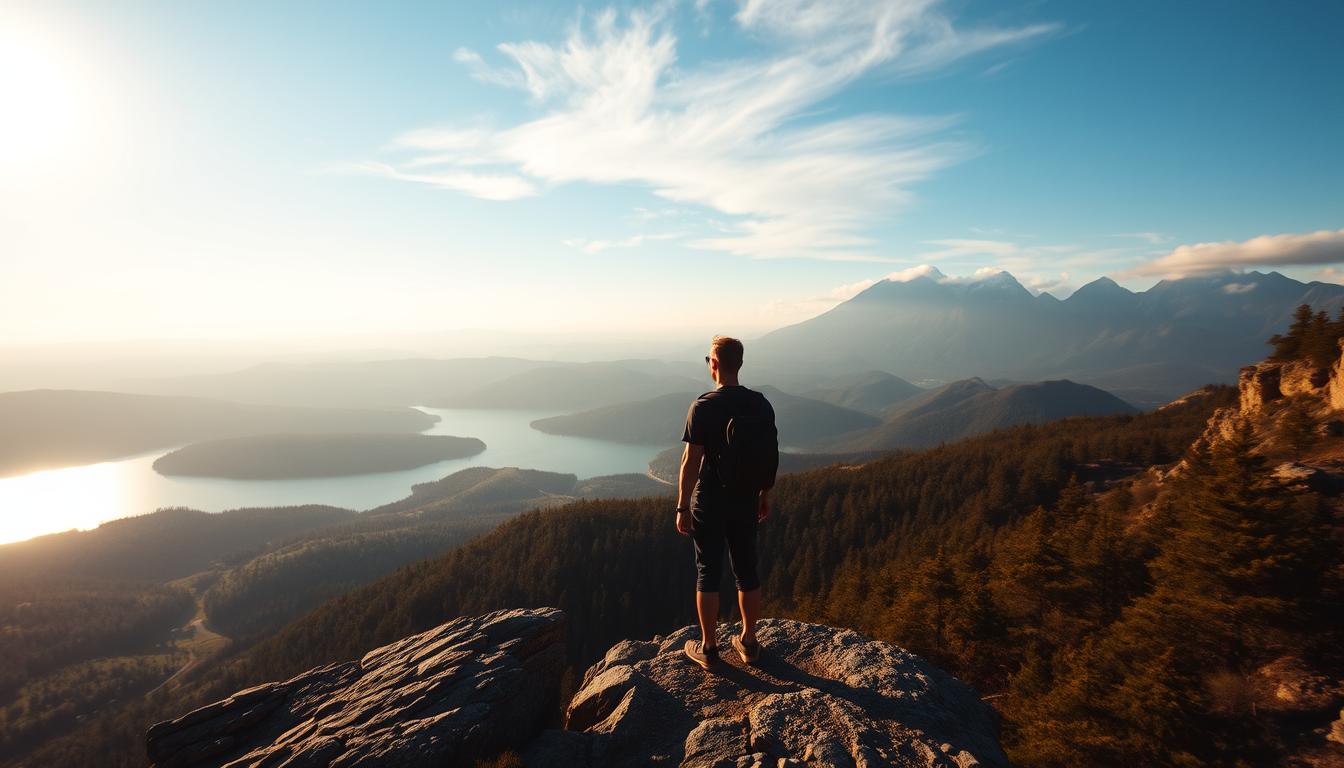
Disconnecting from digital distractions can lead to profound personal insights. During a trip to India, I realized how often my smartphone pulled me away from the beauty around me. This experience inspired a social media detox, allowing me to fully engage with the world.
Unplug from Social Media
Curated Instagram moments often overshadow raw, unfiltered experiences. To combat this, I adopted an evening-only posting strategy. This approach balanced sharing with being present, ensuring I didn’t miss the time I had in front of me.
Digital minimalism encourages meaningful engagement. Setting tech boundaries, like no devices during meals or walks, fosters deeper connections with people and places. Studies show that device-free travelers retain more vivid memories of their journeys.
Immerse Yourself in Your Surroundings
Sensory immersion exercises, like blindfolded tastings or sound journals, enhance awareness. These practices help you notice details often overlooked. For example, listening to the hum of a bustling market or savoring the aroma of street food creates lasting impressions.
Here are a few tips to stay present:
- Limit social media use to specific times of day.
- Engage in activities that require full attention, like photography or journaling.
- Practice mindfulness techniques, such as deep breathing or meditation.
“The best way to capture moments is to live them fully, not just through a screen.”
By embracing the present, you create richer, more meaningful travel experiences. This mindfulness extends beyond your journey, enhancing everyday life.
7. Learn to Handle Challenges Independently
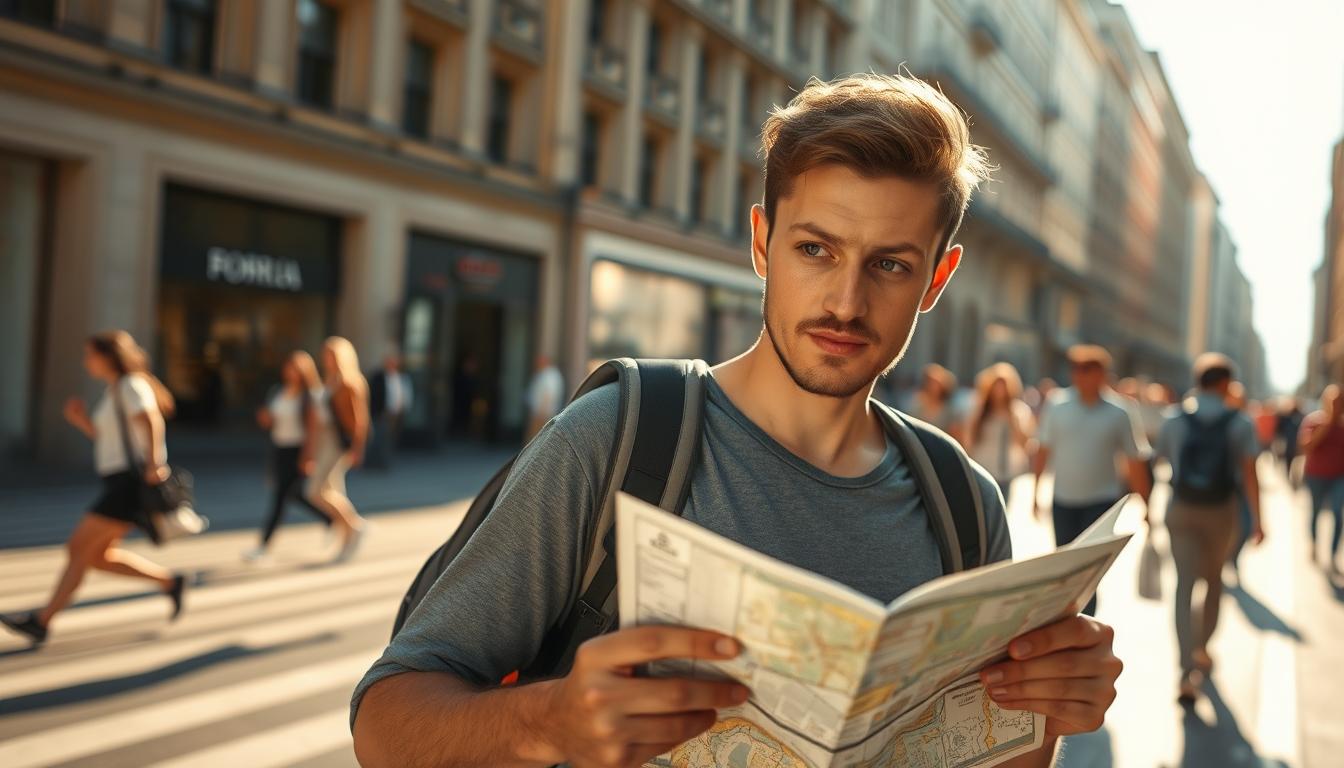
Facing unexpected challenges is an inevitable part of any journey. These moments, though stressful, often become the most memorable and transformative. From navigating a dental emergency in Delhi to solving a bedbug crisis in a hotel, each experience builds resilience and problem-solving skills.
Problem-Solve on the Go
Quick thinking is essential when things don’t go as planned. During a trip to Turkmenistan, a currency crisis forced me to find creative ways to procure USD. This situation taught me to stay calm and resourceful under pressure.
Another example was managing a bedbug infestation in a hotel. From finding alternative accommodations to disinfecting belongings, the process highlighted the importance of adaptability. These experiences prove that challenges are opportunities in disguise.
Gain Resilience Through Adversity
Overcoming obstacles builds confidence and resilience. After handling a dental emergency in Delhi, I realized, “If I can handle that, I can handle anything.” This mindset shift is one of the most valuable takeaways from solo travel.
Mental reframing techniques can help turn stressful times into growth opportunities. Here are a few strategies to try:
- View challenges as skill-building exercises.
- Focus on solutions rather than problems.
- Celebrate small victories along the way.
Preparation is key to handling unexpected roadblocks. Here’s a checklist to stay ready for emergencies:
| Item | Purpose |
|---|---|
| Emergency Contact List | Quick access to local resources and support. |
| Basic First Aid Kit | Handle minor injuries or illnesses. |
| Backup Funds | Ensure financial flexibility in crises. |
“Adversity introduces us to ourselves.”
These skills aren’t just useful during a trip; they translate into everyday life, making you more capable and confident in any situation.
8. Create Lifelong Memories
Solo journeys often leave a lasting imprint, filled with unique stories and unforgettable moments. These experiences become cherished memories that shape who we are and how we see the world. Whether it’s a cultural exchange in Petra or a cozy Christmas in an Irish hostel, these trips offer a way to connect deeply with both places and people.
Cherish Unique Experiences
One of the most memorable moments was sharing tea with a local artisan in Petra. This exchange wasn’t just about learning beadwork; it was a window into a different culture and way of life. Similarly, spending Christmas in a hostel in Ireland highlighted the balance between solitude and connection, creating a memory that still warms my heart.
These experiences are often fleeting, but their impact lasts a lifetime. Unlike posed group photos, solo travel captures authentic moments that reflect your personal journey. Sensory triggers, like the aroma of street food or the sound of a bustling market, can bring these memories back vividly.
Document Your Journey
Journaling is a powerful tool for preserving these ephemeral moments. Writing about one new experience each day helps consolidate memories and track personal growth. Alternative methods, like voice memos or collecting local postcards, offer creative ways to document your trips.
Here are a few tips for effective travel documentation:
- Use a mix of writing, photos, and audio recordings.
- Focus on sensory details to enhance memory recall.
- Reflect on challenges and how you overcame them.
“The best souvenirs are the memories we carry with us.”
Neuroscience shows that novelty plays a key role in memory formation. By embracing new experiences and documenting them thoughtfully, you create a treasure trove of memories that enrich your life long after the journey ends.
Conclusion
Stepping into the unknown can be intimidating, but it’s also incredibly rewarding. Solo travel offers a unique path to self-discovery, independence, and unforgettable experiences. Whether it’s a weekend getaway or a months-long journey, the benefits are profound.
Common concerns like safety and loneliness are valid, but they can be managed with proper planning and awareness. Start small with local solo day trips to build confidence. Gradually, you’ll find yourself ready to explore the world on your own terms.
Every trip teaches valuable lessons and creates lasting memories. Meeting new people and immersing yourself in different cultures enriches your perspective. As one traveler put it, “The secret to such bliss? I was traveling alone—and man, did it feel good.”
FAQ
How does stepping outside your comfort zone benefit solo travelers?
Embracing new experiences and challenging routines helps build adaptability and resilience, making it easier to handle unfamiliar situations.
Can traveling alone boost confidence?
Absolutely. Navigating unfamiliar situations and trusting instincts fosters unshakable self-assurance and independence.
How does solo travel help in self-discovery?
It provides time to reflect on true desires and grow through self-reliance, leading to a deeper understanding of oneself.
Is it easy to connect with strangers while traveling alone?
Yes, solo travelers often experience the kindness of others and form unexpected friendships, enriching their journey.
What’s the best part about having complete freedom during a trip?
Setting your own pace and making spontaneous decisions allows for a truly personalized and stress-free experience.
How can solo travelers stay present in the moment?
Unplugging from social media and immersing yourself in your surroundings helps you fully appreciate the experience.
What skills can be gained from handling challenges independently?
Problem-solving on the go and overcoming adversity builds resilience and sharpens decision-making abilities.
Why are solo trips often more memorable?
Unique experiences and the freedom to document your journey create lifelong memories that stand out.