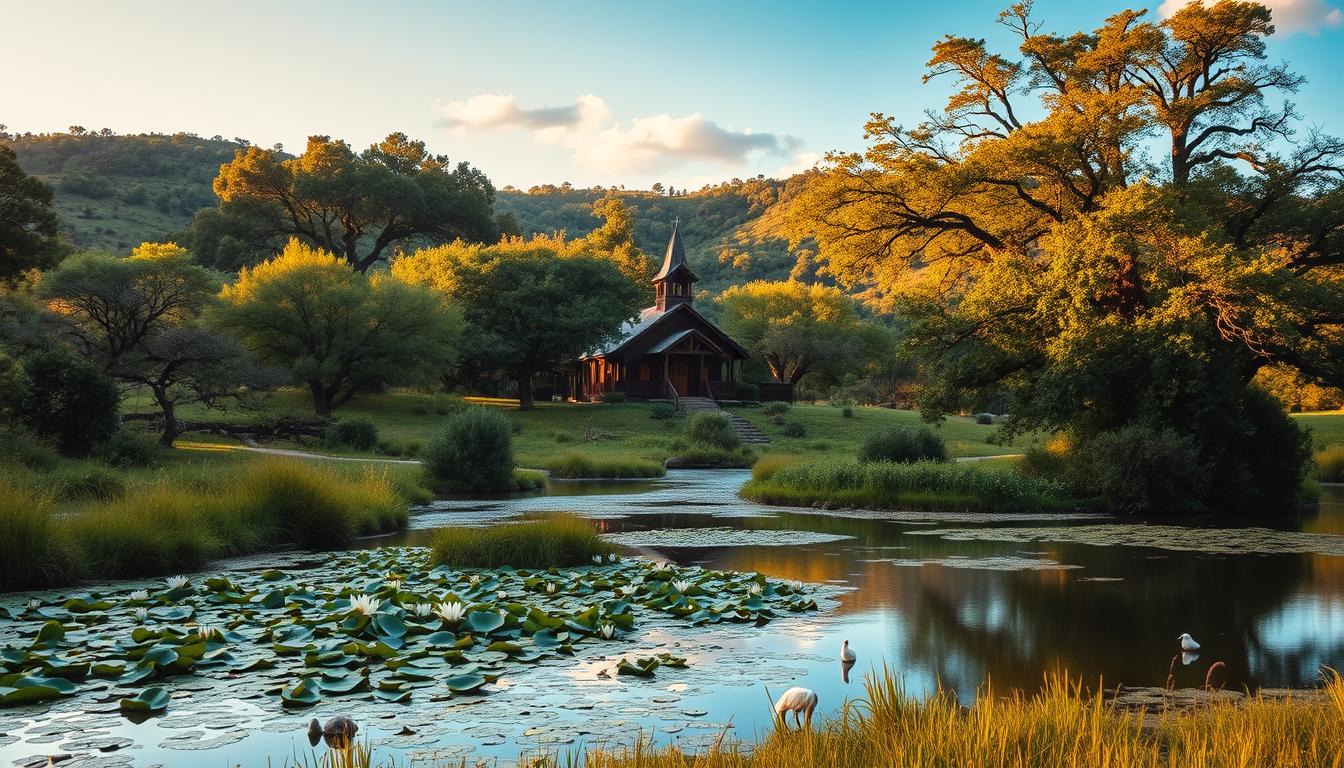
Did you know that quiet garden spaces can increase feelings of calm by more than 40% after a single visit? That impact shapes how you might plan a meaningful day among nearby spiritual sites.
This short guide gives clear information so you can pick the right spot in the texas hill country. You’ll read about hours, accessibility, and what each place offers for prayer, learning, and family time.
The Coming King Sculpture Prayer Gardens features a 77-foot Empty Cross, life-sized bronze figures, shaded benches, and panoramic hill country views. Riverside Nature Center offers wildflower walks, bird watching, a butterfly garden, and guided field trips. Sharkarosa Zoo adds hands-on wildlife encounters, regular educational presentations, and family facilities.
Use these details to plan a balanced day that blends quiet reflection with gentle activity. Practical notes on parking, restrooms, and stroller access help visitors arrive prepared and relaxed.
Key Takeaways
- You’ll find practical details on hours and accessibility to plan your visit.
- Each site offers distinct experiences: contemplative art, native plants, or wildlife encounters.
- Bring water, sun protection, and comfortable shoes for a full day outdoors.
- Parking and restroom info is available so families and people with mobility needs can prepare.
- Early morning or late afternoon visits maximize quiet reflection and scenic light.
Why Texas Hill Country and Beyond Inspire Faith-Based Nature Travel
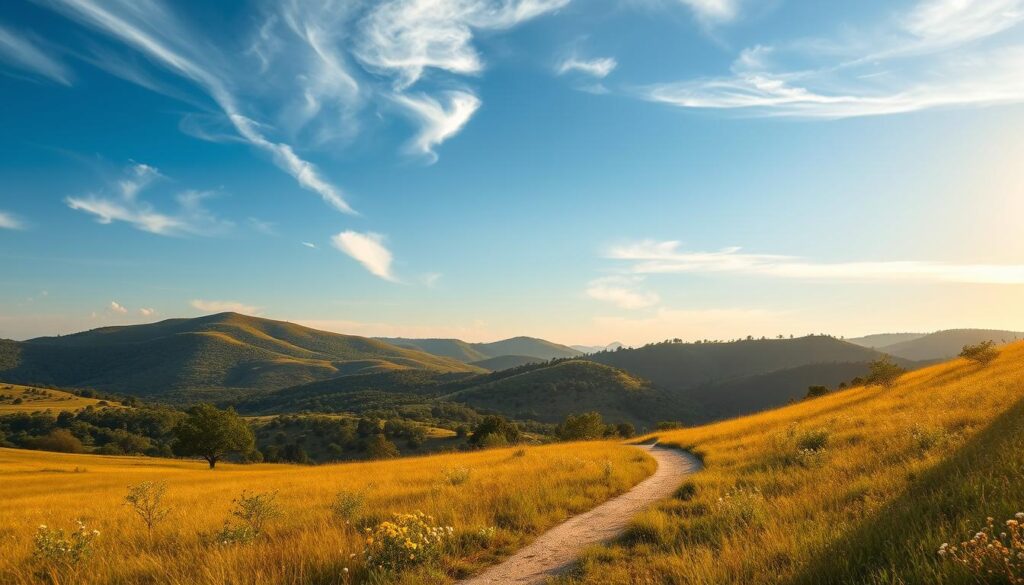
The region’s wide skies, shaded trails, and welcoming communities make this a calm place to slow down and reflect.
Your search intent likely includes peaceful spots, practical details, and meaningful activities. This guide answers those needs by showing how to match your time and goals with the right site.
“A thoughtful visit begins with clear expectations: know the hours, pick a morning start if you want quiet, and bring only what supports reflection.”
How to use this guide:
- Compare mission, setting, and amenities to choose where to visit.
- Plan a morning start, a midday learning stop, and an evening wind-down as one seamless day.
- Check listed times and accessibility so people in your group arrive prepared.
| Focus | Best Way to Use | Ideal Times |
|---|---|---|
| Contemplative art | Arrive early, use benches and scripture tiles | Morning, golden hour |
| Wildlife & learning | Join guided programs and trails | Midday for activity, morning for birding |
| Family encounters | Plan rest stops and picnic breaks | Late morning to afternoon |
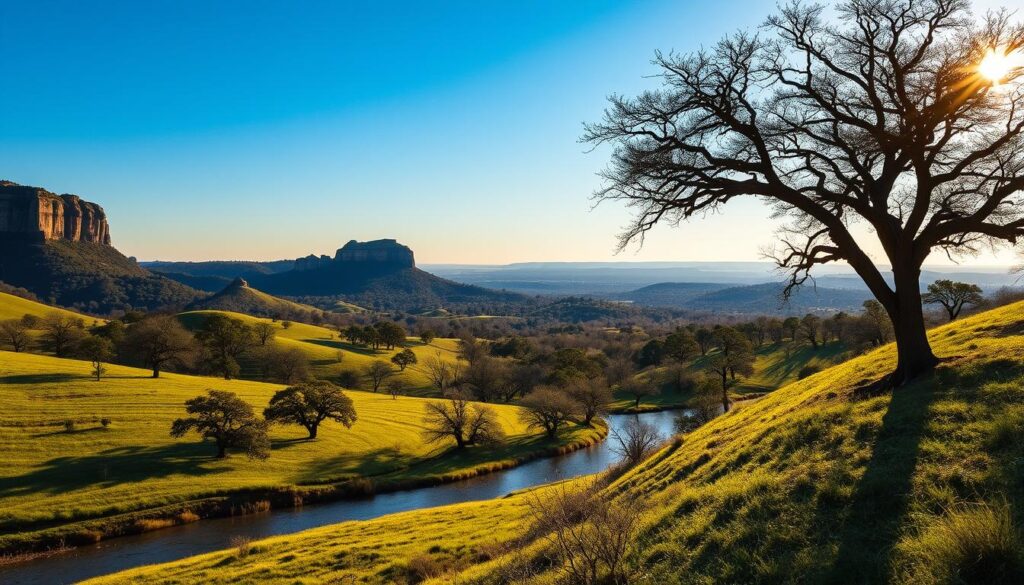
The Coming King Sculpture Prayer Gardens: A Hilltop Sanctuary in Kerrville
Walk a network of gentle paths that lead to a dramatic steel cross and life-size bronze scenes designed to invite pause.
Mission and setting
The mission is non-denominational: art, Scripture, and landscape guide quiet reflection across 23 acres. The setting mixes shaded benches, scripture tiles, and sculpted vignettes that mark moments to stop and pray.
Signature sight
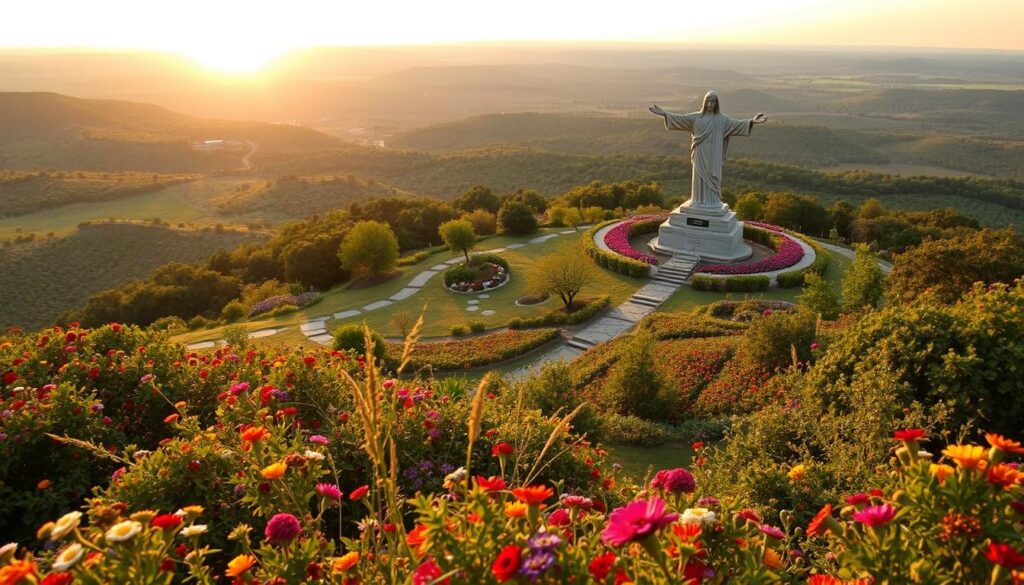
The centerpiece is the 77-foot Empty Cross by Max Greiner, Jr., visible from miles away. Bronze figures such as the Lion of Judah and a depiction of Christ washing a disciple’s feet create focused stops along your walking route.
Address, hours, admission, and parking
Address: 520 Benson Dr, Kerrville. Hours: 7:00 AM–midnight. Entrance: free; parking: free and adjacent; restrooms are near the main parking area.
Best times and access
Plan a visit at sunrise or about an hour before sunset to catch the best light. Paths are mostly smooth or gently sloped, making stroller and wheelchair access straightforward.
| Feature | What to expect | Quick tip |
|---|---|---|
| Walking routes | Scripture tiles, benches, sculptural stops | Allow 30–40 minutes or linger longer |
| Amenities | Restrooms, shaded pull-offs, parking | Bring water and sun protection |
| Terrain | Stone and gravel sections, smooth overlooks | Wear shoes with good grip |
Walking, Prayer, and Reflection: Designing Your Garden Experience
Design your visit so each step becomes a small act of attention and prayer. Begin by choosing a simple route that links Scripture tiles, benches, and shaded pull-offs. That way you can move with purpose and still leave room for surprise.
Prayer trails, Scripture tiles, benches, and shaded areas
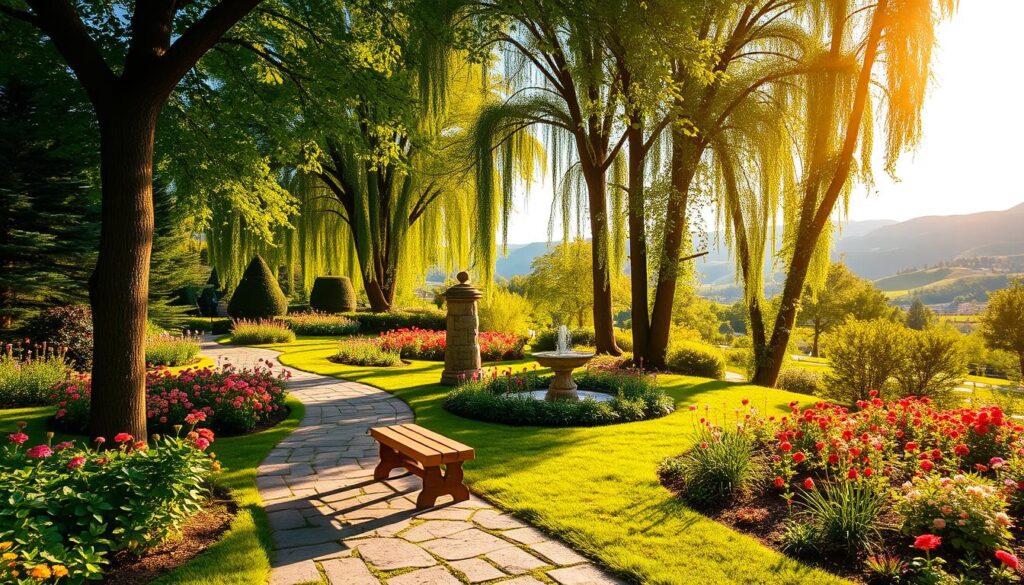
Map a prayerful loop that stitches together reading stops and seating. Use benches as anchors for short readings or meditative silence. Pause in shaded areas to cool your breath and notice the hill country horizon.
What to bring: water, sun protection, sturdy shoes, and spiritual materials
Start your morning between 7-9 AM when the light is soft and the place feels hushed. Plan a second pass about an hour before sunset to let the changing light shape your reflections.
- Wear sturdy shoes with grip for stone and gravel.
- Bring water, sun protection, and layers for chilly mornings.
- Pack a Bible, rosary, journal, or devotional to guide your experience.
- Agree on silent stretches if you visit with others to keep the contemplative tone.
“A slow loop through sculpture and tile gives you a way to ground prayer in movement.”
Riverside Nature Center in Kerrville: Stewardship, Learning, and Family Programs
Riverside Nature Center anchors wildlife learning along the Guadalupe with hands-on programs and open trails. The center’s mission is advancing the stewardship of our environment, and staff share clear information to help you plan a visit.
Hours: Open Monday–Saturday, 10 AM–6 PM. Address: 150 Francisco Lemos St, Kerrville. Phone: 830.257.4837.
What you can do
Join guided bird watching and wildflower walks, visit the butterfly garden, or take the nature trail to the River Trail. The site hosts field trips for schools and adults and offers native plant sales and seasonal events.
Volunteer and community opportunities
Volunteers of all ages help at Meadow/Pollinator Garden Work Days (Thursdays 9–10:30 AM). Annual events like the Run for Riverside 5K and the Native Plant Sale bring family-friendly energy.
- Ask staff for best wildlife viewing windows and trail access suggestions.
- Guided field trips tailor learning for children, youth, and adult groups.
- Browse native plant sales to bring stewardship home after your visit.
Sharkarosa Zoo in North Texas: Hands-On Wildlife Encounters for Families
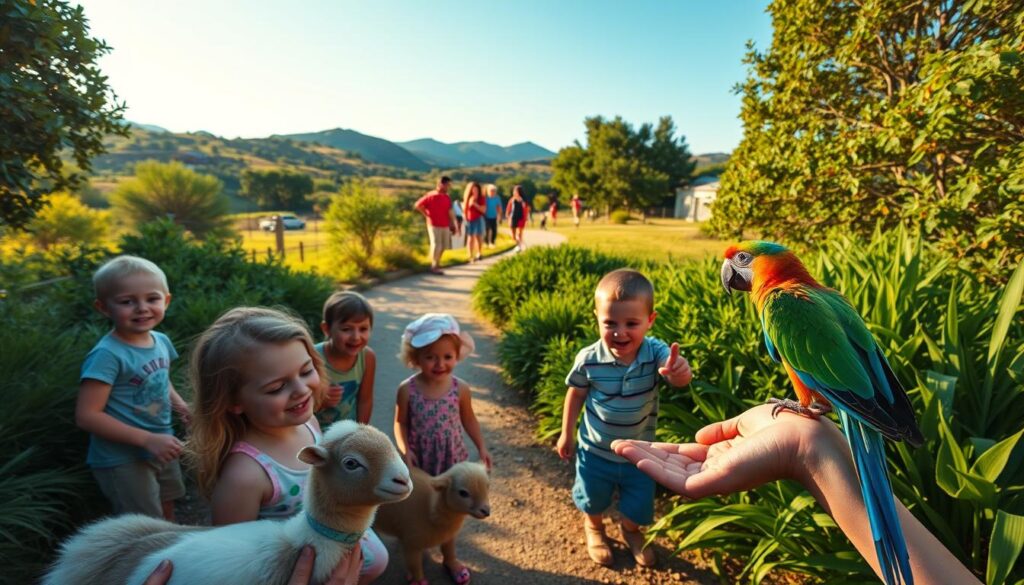
Sharkarosa Zoo offers hands-on animal encounters across a 126-acre ranch designed with families in mind.
Open-to-the-public days are Fri–Sun, 9 AM–4 PM (weather permitting). Educational presentations run every 30 minutes; arrive by 2 PM to catch most shows and interactions.
Open days, on-site features, and what to expect
Expect 180+ animals, a walk-through petting zoo, covered picnic areas, and a snack bar. Restrooms, a diaper station, hand-washing sinks, and a water fountain are on-site.
Field trips, private tours, and educational programs
Weekday field trips start at 9:30, 10:30, and 11:30. Students and teachers are $10; chaperones are $17. Private tours (Mon–Thu) begin at $300 for up to 15 people; a $100 deposit and full prepayment are required.
Family logistics: age rules, service animals, shoes, and picnic options
- Age notes: kids 2 and under are free on public days; group booking policies vary by age.
- Service animals that meet ADA definitions are allowed; no pets.
- Wear comfortable shoes; open-toed shoes are not recommended for safety.
- Feeding is allowed only in designated areas with ranch-provided feed.
“Lean on staff to guide you to the best viewing areas and to explain animal care—safety rules are enforced for everyone’s benefit.”
| Quick facts | Details | Tip |
|---|---|---|
| hours | Fri–Sun, 9 AM–4 PM | Arrive by 2 PM for multiple shows |
| Field trips | Mon–Thu; timed starts | Prepay; parents cannot pay at gate |
| Party & areas | Birthday party options; covered picnic areas | Book early for weekends |
Building a Faith-Centered Day in Kerrville
Begin your morning with a gentle loop through sculpted spaces, letting early light and still air shape each moment of reflection. Start at sunrise at The Coming King Sculpture Prayer Gardens for quiet prayer by the Empty Cross. Then move mid-day to Riverside Nature Center (open 10 AM–6 PM) for hands-on learning and the River Trail.
Suggested route and timing
Morning: Gardens at sunrise to catch soft light and quiet benches.
Mid-day: Riverside Nature Center for short field programs and trails.
Evening: Finish with a riverside pause to seal the day in gratitude.
Nearby stops to round your trip
- Louise Hays Park — picnic tables, walking trails, and public art along the Guadalupe River.
- Kerrville-Schreiner Park — short hikes, kayaking options, and riverside picnic areas good when children need a break.
- Downtown Kerrville — coffee, antiques, and a calm stroll before an afternoon museum visit.
- Museum of Western Art — sculpture and paintings that extend art-and-faith conversations.
“Set your pace by the hour: early contemplation, mid-day learning, and an evening riverside mindset.”
Fredericksburg Connection: Stay Onera for Restful Overnights
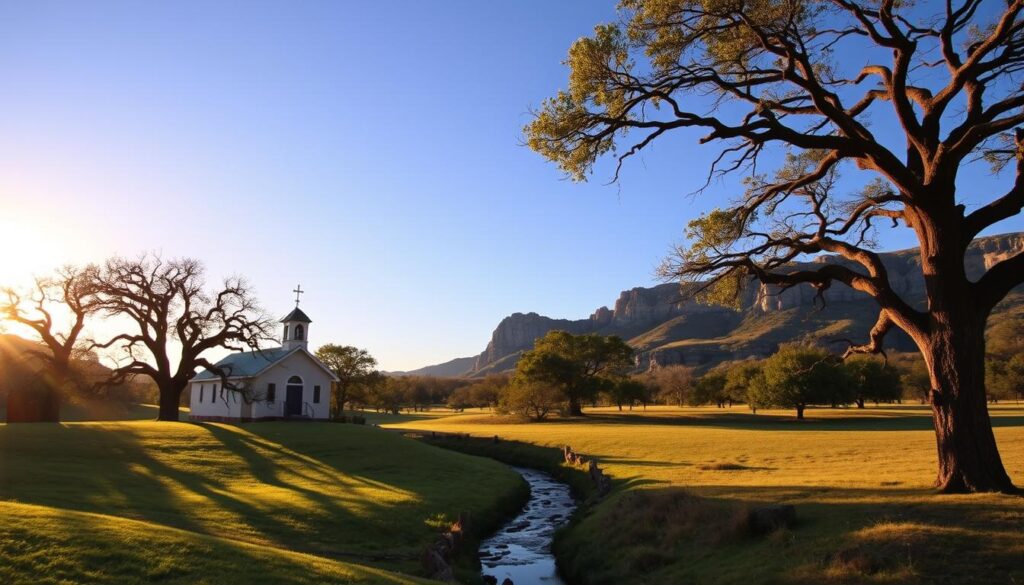
After an intentional day at the garden, choose a nearby overnight to rest, reflect, and sleep under clear skies. Stay Onera sits about 40 minutes from The Coming King Sculpture Prayer Gardens, making it an easy next step on your trip.
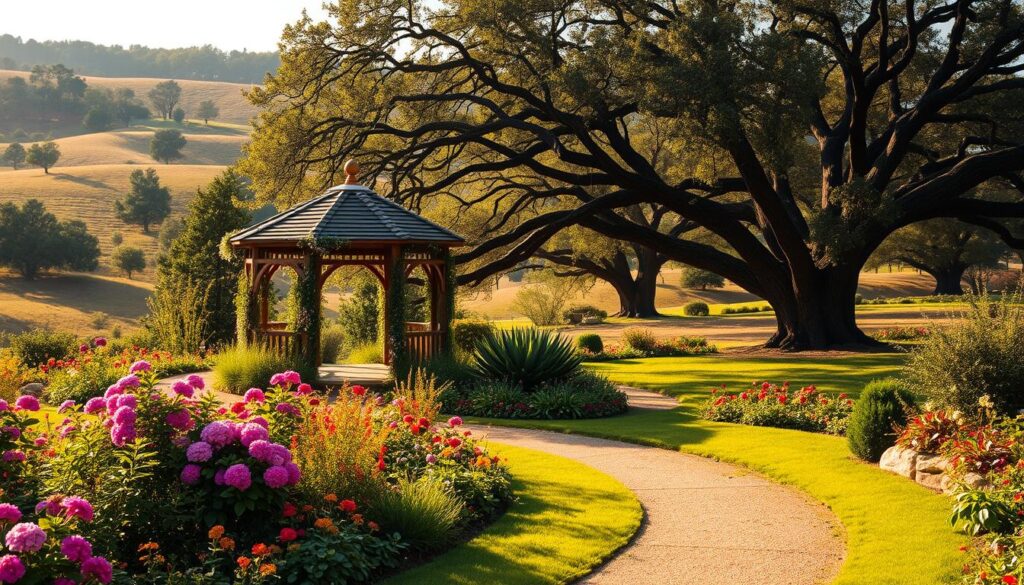
Stay Onera offers eco-luxury domes and cabins with starry-night decks. The hilltop layout near Interstate 10 gives quiet privacy while keeping services and access simple.
- From the garden, plan roughly 40 minutes to reach Fredericksburg’s Stay Onera.
- Choose a dome or cabin with a deck designed for star gazing and evening prayer.
- Use the quiet night as a vespers hour: journal, pray, or simply watch the sky.
- Wake refreshed and decide whether to return at dawn or continue your texas hill country route.
“A short overnight can turn a long day into a gentle retreat—one quiet hour under the stars does much to settle the spirit.”
If you pair Kerrville and Fredericksburg, this stay adds extra beauty and calm. It helps you process what you saw at the garden and prepares you for the next day.
How to choose by location, hours, and the kind of reflection you seek
Match your trip goals—contemplation, stewardship learning, or hands-on animal time—with practical details before you go. Start by noting which place sits nearest your route and which times align with your schedule.
Check access and services such as parking, restrooms, stroller and wheelchair routes, and whether staff-led programs run that day. If you want guided learning, the center’s daytime window and posted programs will matter most.
Families should weigh how each stop supports kids’ attention spans. Choose shorter loops or interactive exhibits when children are with you. If you’re short on time, pick one primary place and add a brief riverside walk so your trip stays restorative, not rushed.
Quick comparison to guide your choice
| Focus | Best times | Access & staff | What visitors gain |
|---|---|---|---|
| Contemplative garden | Sunrise, golden hour | Easy parking; long hours; self-guided | Quiet reflection and scenic views |
| Education center | Midday program windows | Staff-led programs; limited hours | Stewardship lessons and guided trips |
| Wildlife ranch/zoo | Late morning–early afternoon | Scheduled shows; family services | Hands-on encounters and kid-friendly learning |
- Use staff availability and posted schedules to decide if you’ll join a program.
- Look for visitor tips like best lighting windows and ideal trip length for your group energy.
- Pair a morning garden visit with an afternoon at the center for a deeper, balanced experience.
“When you match place and times with your goals, visitors leave restored and better able to reflect.”
Best Times of Day and Year for Quiet, Beauty, and Photography
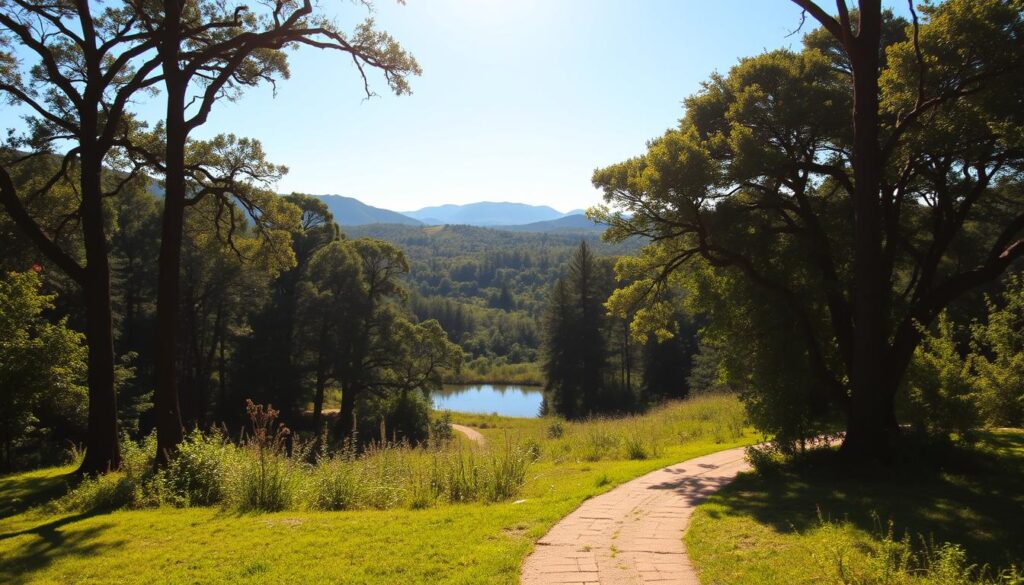
Early light and quiet paths shape the best windows to pray, photograph, and simply be present. Choose when you visit to match the mood you want: stillness, soft color, or seasonal display.
Morning meditations and golden-hour glow
Aim for morning meditations between 7–9 AM. The light is gentle, bird song is low, and the hill country air supports centered prayer and calm reflection.
Plan photography around golden hour about one hour before sunset. Sculptures and the Empty Cross catch warm tones that make striking images and quiet moments.
Seasonal considerations: shade, sun, and cooler winter mornings
During hot months, prefer shaded pauses and keep to shorter exposed field walks. Hydrate and use sun protection to protect your focus and comfort.
Winter brings crisp skies and fewer crowds. Wear layers and bring a small light if you journal at twilight.
“Arrive early enough to scout shots and build buffer time so your rhythm stays calm.”
| When | Why it works | Quick tip |
|---|---|---|
| 7–9 AM | Quiet, soft light, low visitor levels | Bring a light jacket; plan a slow loop |
| One hour before sunset | Golden tones highlight sculpture and skyline | Scout composition early; allow tripod setup |
| Peak sun (midday) | Brighter, hotter; more shadows on open paths | Use shaded benches; shorten exposed walks |
| Spring & winter | Spring: wildflowers and active animals; Winter: crisp skies and quiet | Adjust clothing; bring water in spring; layers in winter |
Family, Groups, and Field Trips: Make It Meaningful for All Ages
A well-timed field trip turns curiosity into meaningful learning without overwhelming children or adults. Plan so every person has a clear role and a gentle pace to follow.
Age-friendly trails and staff-led moments
Choose smooth garden paths for strollers and short loops at the center. Riverside offers guided field trips for schools and adult groups, while the garden paths support stroller and wheelchair access.
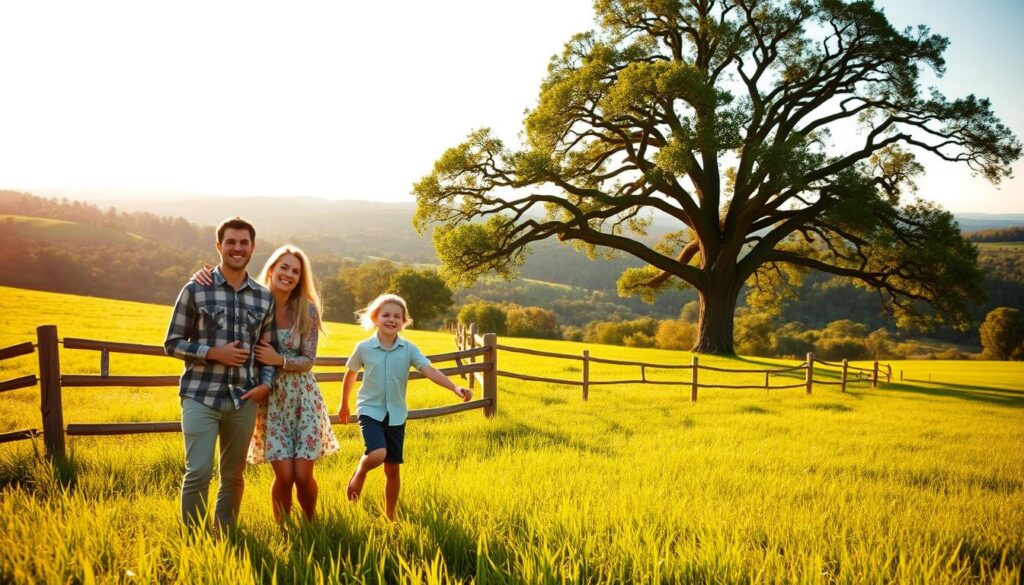
Sharkarosa field trips run Mon–Thu with starts at 9:30, 10:30, and 11:30. A $300 non-refundable deposit secures private tours. Students and teachers pay $10; one teacher is comped per 20 students. Chaperones are $17. All payments are collected before arrival; parents cannot pay at the gate. Arrive on time to keep the schedule smooth.
Chaperone and logistics tips
- Finalize headcounts and collect payments in advance to avoid delays.
- Assign chaperones and meeting points in open field areas to simplify regrouping.
- Balance guided learning with gentle free time—let kids sketch, journal, or ask questions.
- Keep snacks and water handy, schedule shade breaks, and pair older students with younger ones for safety.
“Clear roles, timely payments, and short learning segments make group visits calm and memorable.”
Access, Parking, and Visitor Services: Smooth Arrivals and Easy Departures
Arriving smoothly sets the tone. Know where to park, where the nearest restroom is, and how paths are graded so your visit starts and ends without fuss.
Free entrance, parking, and restroom locations
The Coming King Sculpture Prayer Gardens offers free entrance and free parking adjacent to the main lot. Restrooms sit near the entrance and lot for easy stops before you walk.
Riverside Nature Center is open Mon–Sat, 10 AM–6 PM and links directly to the River Trail. Check calendars for native plant sales and volunteer days that may affect parking and crowding.

Stroller and wheelchair access, wayfinding, and on-site support
Many paths are smooth or gently sloped, so stroller and wheelchair access is straightforward. Clear signs help with wayfinding among sculpture stops and picnic areas.
At Sharkarosa, public days run Fri–Sun. Expect restrooms, a diaper station, hand-wash sinks, a water fountain, and covered picnic spots. ADA service dogs are allowed; pets are not. Field trips require a deposit and prepayment to keep gate lines short.
“Share parking spots, entrance procedures, and a meet-up point with your group before arrival to avoid confusion in open field areas.”
Etiquette and Safety: Respecting Sacred Spaces, Wildlife, and People
When you visit gardens, centers, or ranches, your behavior shapes the experience for everyone. Keep a calm demeanor and follow posted rules so people and animals stay safe. A few clear habits go a long way toward protecting habitats and honoring prayer areas.
Quiet reflection and photo courtesy at peak times
In prayer areas, keep voices low, silence devices, and step aside for others during peak windows. If you photograph someone praying, ask permission first. Your restraint preserves a reverent atmosphere and helps people focus.
Zoo and ranch rules to protect animals and visitors
Only ADA-defined service dogs are permitted; pets are not allowed. Service animals must remain under control to protect both animals and people. Feeding is allowed only in designated areas with ranch-provided feed. Outside food can harm diets and upset herd dynamics.
- Wear closed-toe shoes and follow posted age supervision rules; children under 13 should stay with an adult.
- Do not climb fences or equipment; stay on marked paths and field edges to protect habitats.
- Prohibited items include firearms, glass containers, alcohol, smoking, and vaping; failure to follow rules may lead to removal.
- For school groups and field trips, brief participants on etiquette and use a buddy system to keep everyone safe and respectful.
“Your quiet presence is part of the experience for others; model courtesy so shared areas remain welcoming and calm.”
| Setting | Key rules | Why it matters |
|---|---|---|
| Prayer areas | Low voices, devices silent, photo courtesy | Protects reverence and focus for visitors |
| Wildlife venues | Feed only in designated areas; no chasing; closed-toe shoes | Prevents harm to animals and keeps people safe |
| Field trips & groups | Pre-brief, buddy system, adult supervision | Keeps groups organized and reduces disruptions |
Packing List and What to Wear for Texas Hill Country Terrain
Prepare so your focus stays on reflection and learning, not on what you forgot. A short, sensible kit keeps your day comfortable whether you move through sculpted paths or open overlooks.
Comfort and grip matter most. Wear sturdy shoes that grip mixed surfaces and protect your feet on stone and gravel. Choose items that let you walk without fuss and shift easily from sun to shade.
Dress in layers to handle cool mornings and warm afternoons across the year. Pack sun protection—hat, sunglasses, and SPF—and carry a refillable water bottle to stay hydrated during the day.
- Add bug spray and a lightweight rain layer so changing weather won’t stop your walking plans across exposed field areas.
- Bring a small daypack with snacks, a journal or devotional, a compact seat pad, and a microfiber cloth if you plan sunset photos.
- For family trips, include wipes, bandages, and a quick-dry towel so adults can answer basic questions and keep kids comfortable.
Final tip: Keep a short checklist with you. It saves time, reduces last-minute stops, and makes each trip smoother and more purposeful.
Conclusion
Plan your next visit with clear choices: a single contemplative stop, a multi-site day, or a weekend that lets you linger under open skies.
You now have the time-saving details to shape quiet garden mornings, learning-rich afternoons, and restful evenings in the texas hill and wider hill country. Pick the way that fits your group size and energy.
Keep your times intentional: arrive early for solitude, pause mid-day to join stewardship events or programs, and return near sunset for warm light over sculpture and landscape.
Use the parking, access, and visitor tips to streamline logistics so all visitors can move easily through prayerful paths and nature programs. Consider a small family party or special event to mark milestones.
May your next day or trip be peaceful, easy to manage, and rich with steady reflection as you return over time.
FAQ
What are the best times of day to visit the hilltop gardens and riverside sites?
Early morning and late afternoon offer the calmest light and coolest temperatures. Sunrise brings quiet for prayer and reflection, while golden hour highlights sculptures and river views for photography. Midday can be hot in summer, so plan shade breaks or indoor stops during those hours.
Are the garden paths and trails accessible for wheelchairs and strollers?
Many sites in the Hill Country provide paved or compacted paths, accessible restrooms, and designated parking. Check each location’s website or call ahead to confirm specific access features and any temporary closures that affect routes.
Can I bring children and what should I plan for family visits?
Families are welcome at most sites. Bring water, snacks, sun protection, and comfortable shoes. Look for age-friendly trails and staff-led programs or field trips that make visits engaging for kids and teens. Some venues offer picnic areas and rest spots for breaks.
Do you need reservations for guided tours, field trips, or group visits?
Many centers recommend or require reservations for guided experiences, school field trips, and large groups. Contact the venue’s education or events team to secure dates, confirm chaperone requirements, and learn about deposits or fees.
What are typical hours, admission, and parking arrangements?
Hours vary by site—some open at dawn, others mid-morning; many close at dusk or have set visitor hours. Admission may be free with donations requested, or there may be a modest fee. Parking is usually on-site; arrive early on busy days to find a spot.
Are pets or service animals allowed on trails or in gardens?
Policies differ. Service animals are generally permitted per ADA rules, but pets may be restricted in prayer gardens or wildlife areas. Always check individual rules and keep pets leashed where allowed.
What should you wear and bring for a day in the Hill Country?
Dress in layers, wear closed-toe shoes with grip, and bring sun protection like hats and sunscreen. Pack water, insect repellent, a small first-aid kit, and any spiritual materials you prefer for reflection. A light jacket is useful for cooler mornings and evenings.
How long should you plan to spend at a garden, nature center, or zoo?
Plan 45 minutes to two hours for a garden visit, two to three hours for a nature center with trails, and three to four hours for hands-on zoo experiences. Adjust based on your group’s pace, event schedules, or guided tour lengths.
Can you volunteer or attend community events and plant sales?
Yes—many centers host volunteer opportunities, workshops, and native plant sales to support stewardship and education. Visit the location’s volunteer page or events calendar to learn how to sign up and what age ranges they accept.
Are there rules about photography, prayer services, or group worship on site?
Photography for personal use is typically allowed, but commercial shoots or large group services may require permits. Keep prayer gatherings respectful of other visitors and follow any posted guidelines about amplified sound or reserved spaces.
What safety tips should you follow near wildlife, water, and uneven trails?
Stay on marked paths, supervise children near water, and avoid feeding wild animals. Wear sturdy shoes to prevent slips, carry water to avoid dehydration, and be aware of seasonal hazards like ticks or fire weather alerts.
How can you plan a faith-centered day that connects multiple sites in Kerrville or Fredericksburg?
Build a route starting with a sunrise garden visit, mid-morning at a nature center for programs, and a riverside stop for quiet evening reflection. Factor in travel time, meal breaks, and site hours. Use local maps to add nearby parks or museums for a balanced day.
Where can you find accurate visitor info like addresses, exact hours, and contact details?
Check each venue’s official website or call their visitor center for the latest hours, admission, accessibility notes, and event schedules. Local tourism sites for Kerrville and Fredericksburg also list updated contact info and travel times.