
Did you know that over 70% of U.S. travelers say short nature trips boost their mood for weeks?
You can use this service directory to find curated, wooded stays across north florida that focus on calm settings where you can truly unwind. Each entry highlights private cabins, riverside homes, and waterside hideaways chosen for dark skies and easy access to trails and springs.
Expect concise profiles that compare drive times, nearby state parks, water access, and on-site amenities. You’ll find options from authentic log cabins with hot tubs to minimalist tiny homes and yurts that suit simple, mindful living.
Use this guide to plan paddling, hiking, wildlife watching, and restful evenings. It helps you shortlist the best place to match your budget and goals for a restorative escape and safe spring etiquette.
Key Takeaways
- Find curated, private stays across the region that prioritize solitude and dark skies.
- Profiles highlight water access, trails, and nearby state lands for easy planning.
- Options range from full cabins to tiny homes and yurts to match your pace.
- Compare drive times and amenities to pick the best place for your budget.
- Simple safety and etiquette notes help keep springs and rivers peaceful.
Discover North Florida’s Quiet Forest Retreats and How to Use This Directory
This directory helps you spot calm, tree-lined stays where mornings begin with birdsong and little else.
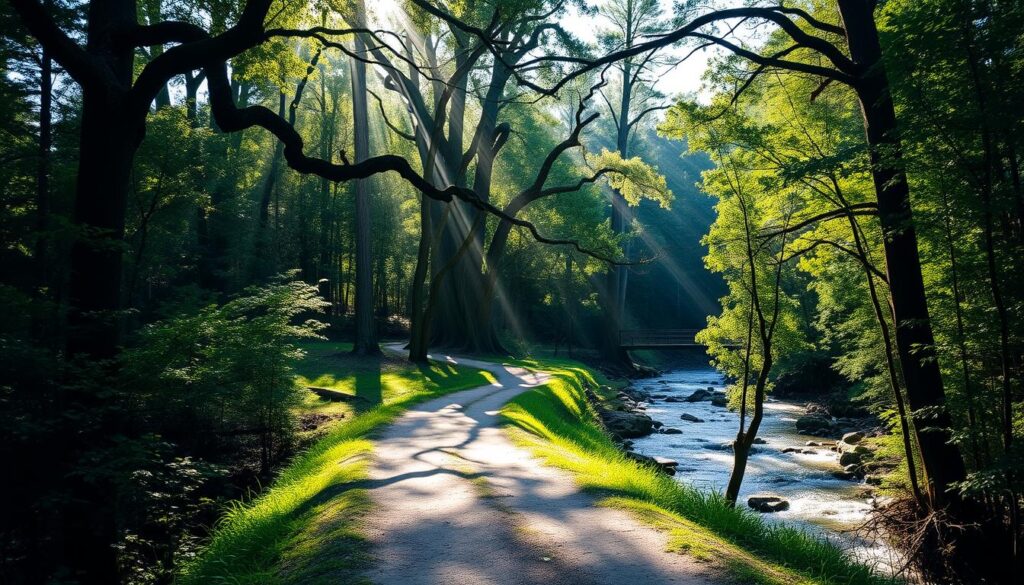
What quiet means for your stay: you’ll find properties set among trees, beside slow rivers, and near gentle trails. The focus is on minimal crowds and natural soundscapes so your days center on rhythm, not rush.
How to shortlist options
Build a short list of stays that match your ideal amenities. Look for screened porches, hot tubs, fire features, and on-site kayaks.
Filter by proximity to state parks and spring runs to save driving time. Prioritize water access if paddling matters, and verify launch or dock details on each profile.
Quick tips: check sleep setup, outdoor spaces, quiet hours, and parking notes. Pick weekday dates when possible and save two alternates to avoid last-minute scrambling.
| Feature | Why it matters | What to check | Typical area |
|---|---|---|---|
| Screened porch | Evening comfort without bugs | Size, furniture, lighting | River edge |
| Water access | Easy paddling and swimming | Launch type, gear included | Spring run |
| Trail access | Short hikes from the door | Trailhead distance, difficulty | Wooded loops |
| Fire feature | Gathering and warmth at night | Fuel rules, safety notes | Clearing near trees |
Top Picks Near Ichetucknee, Santa Fe, and Suwannee Rivers
Explore four top stays along the Ichetucknee, Santa Fe, and Suwannee waterways that balance solitude with easy water access. Each option highlights gear, launch convenience, and outdoor living so you can plan paddling and evening gatherings with ease.
Ichetucknee Springs Log Cabin (Fort White)
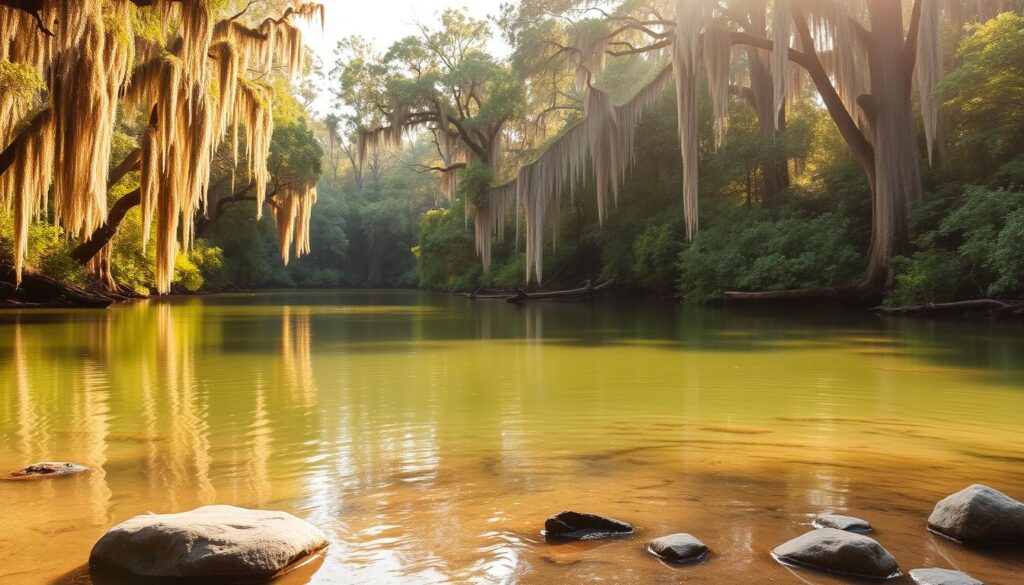
This authentic log cabin has 3 bedrooms and 2 baths, a hot tub, a large rock shower, wooden carvings, and a loft. The outdoor custom fire pit area makes it an ideal place to unwind after a day on the springs.
Otter Landing on the Santa Fe River (Branford)
Set on 13 private acres, this treehouse-style home supplies kayaks and a canoe so you can launch at dawn. The canopy setting is great for wildlife viewing and peaceful paddling.
Where the Pavement Ends (Fort White)
Located one mile from Ichetucknee Springs State Park, this 2015 home offers a large screened porch, open kitchen, and hammocks beneath the elevated under‑house area. A full second bathroom makes rinse-downs easy after a river day.
Riverfront Retreat with Lazy River (Ichetucknee)
Direct river access with tubes and kayaks included means your morning launch takes minutes. The home has 4 bedrooms, 2 baths, and games like ping pong—perfect for group stays that value both play and calm.
- Quick note: nearby tiny homes and Amish-built log cabin options give minimalist alternatives while keeping springs and shaded banks close to your stay.
Runaway Bay Lodge in Seville: Lake George State Forest Gateway
Runaway Bay Lodge sits at the edge of Lake George and serves as a low-key gateway to vast waters and shaded trails. You reach it by a four-mile drive past Pine Island; the lodge is the first private property on the right after the RV campground.
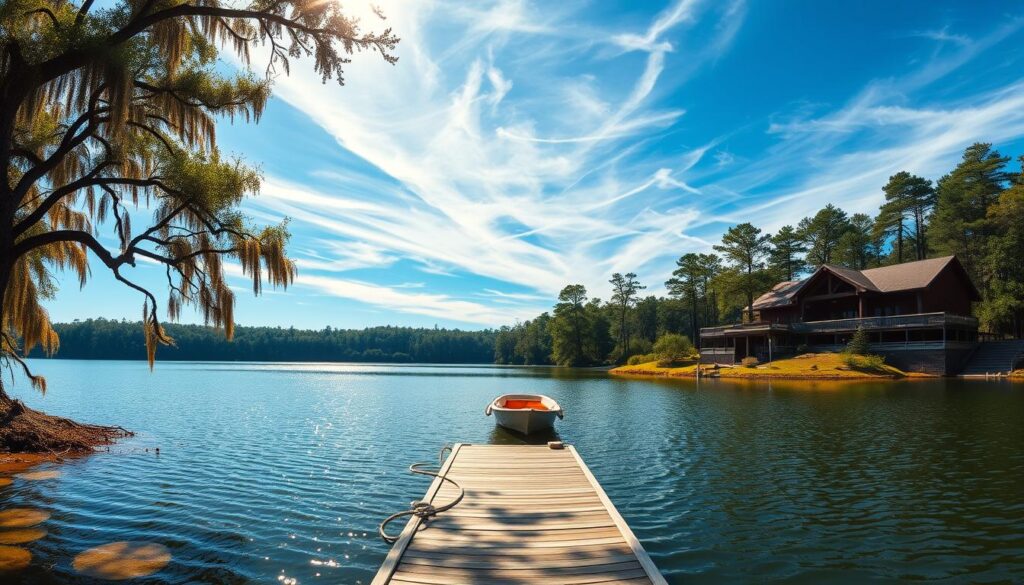
The small property offers two cabins and three yurts, each set up for solo travelers or couples. Rent multiple units to host intimate group retreats of up to 12 guests. Cannabis smoking is allowed in outdoor common areas only.
On-site offerings include yoga, holistic services, plant-based and other meal options, plus boat tours and rentals. The location fronts Lake George, a 46,000-acre natural lake linked to the Atlantic via the St. Johns River.
Wildlife is abundant here—expect to see eagles, manatees, otters, and herons. The team stresses one rule: observe, don’t disturb. Keep food secure and enjoy birding and sunrise views from a safe distance.
- Simple amenities: potable water, toilets, and pet notes.
- Bring a private vehicle; directions are clear even if service drops.
- Try boat tours and light fishing very early to save time and catch calm waters.
Pricing starts near $100 per night, making this a budget-friendly place to test a short nature reset or a wellness-focused stay.
Amelia Island and Fort Clinch State Park: Coastal Pines and History
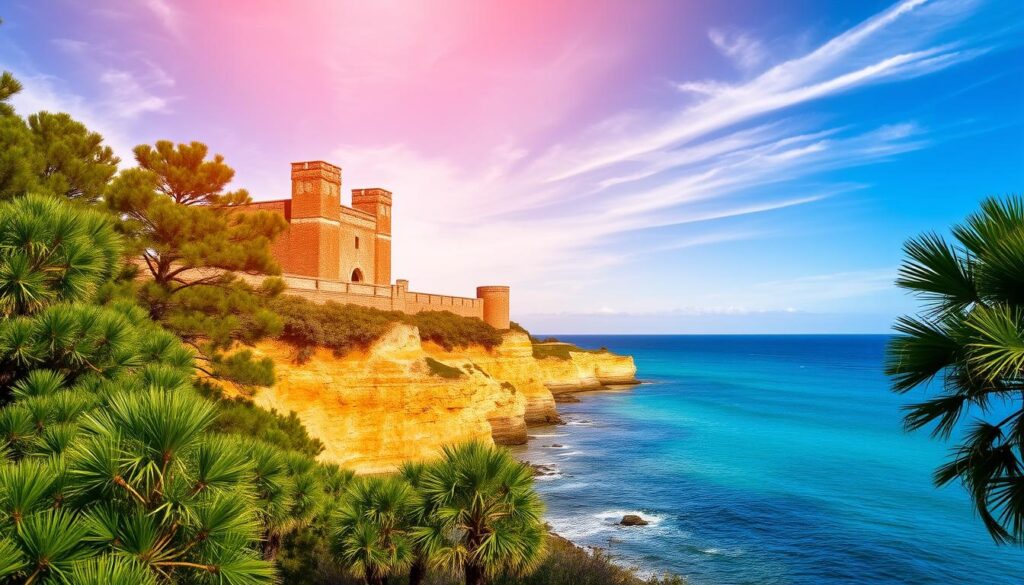
Plan a stay on Amelia Island to mix gentle seaside mornings with afternoon hikes through Fort Clinch State Park. The island pairs quiet beaches with a compact, walkable town full of historic buildings and low-key dining.
Why you’ll love it: quiet beaches, historic downtown, and peaceful trails
You’ll pair beach strolls with pine-lined trails and coastal dunes at the state park. The well‑preserved fort adds a short cultural stop between walks.
The town offers small museums, local shops, and places to eat within easy walking distance of waterfront views.
Stay strategy: base near Fernandina Beach with easy access to Fort Clinch
- Arrive early: book lodging minutes from the park gate to save time and enjoy softer light and fewer visitors.
- Daily plan: morning trail loop, midday fort or museum visit, afternoon on quiet sandbars with ocean views.
- Evenings: choose properties with patios or outdoor nooks; where allowed, a small portable fire pit adds warmth and ambiance.
Allocate a short drive across backroads to spot marsh panoramas and birdlife, then return to town for a relaxed dinner. This area makes a calm getaway and an easy vacation base while keeping miles and parking straightforward.
Note: Amelia’s mix of historic architecture and wide beaches contrasts nicely with Cedar Key, offering a different coastal beauty to explore on your next trip.
Cedar Key: Gulf Coast Forests, Kayaking, and Slow-Tempo Town Life
Cedar Key offers a slow Gulf Coast rhythm where paddles cut glassy water and porch conversations stretch into sunset.
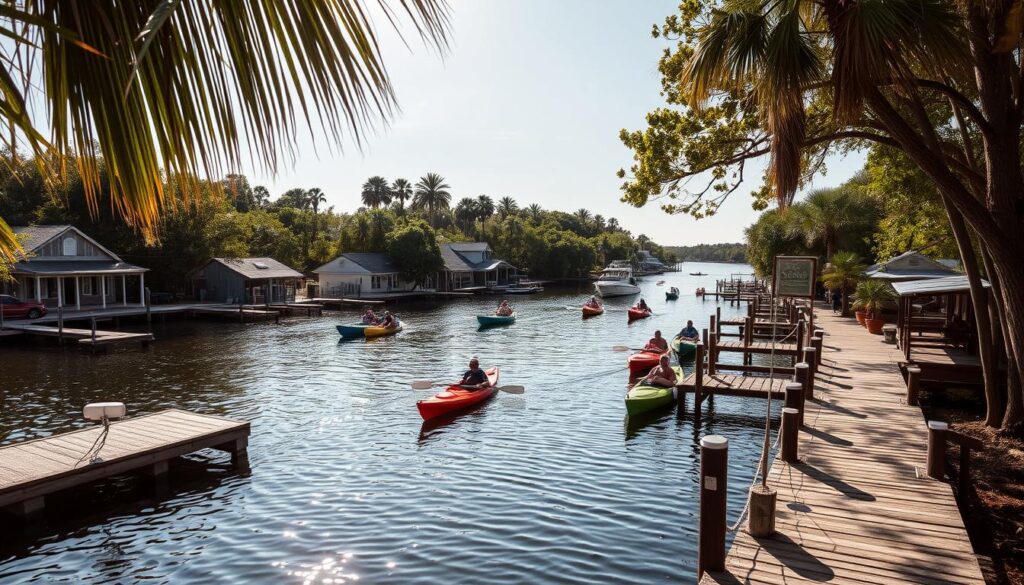
Launch for easy kayaking through mangroves and oyster bars inside the Cedar Key Aquatic Preserve. Pick slack-tide windows to see birds, rays, and the best wildlife views.
Kayak the Cedar Key Aquatic Preserve and stroll Waterfront Park
Stroll the compact town to browse galleries and historic streets. End at Waterfront Park where dolphin sightings are common and Gulf breezes slow your pace.
- Anglers praise nearby grass flats and structure; ask local bait shops about tide-based fishing.
- From Amelia Island it’s roughly 153 miles (about 2.5 hours); arrive before sunset to settle in.
- Choose lodging within walking distance of the park for dawn paddles and glassy waters.
The area’s understated beauty—cedar-lined lanes and wide sunsets—makes it a perfect place to slow down. Treat this stop as a restorative retreat on a longer vacation loop and enjoy the steady rhythm of town life.
Yankeetown and Withlacoochee Forest Edges
Yankeetown sits along a quiet river corridor and makes a great small town base for trail access and mellow days. The nearby Nature Coast State Trail opens shaded miles for easy hiking and biking, and the area feels like a simple place to slow your pace.
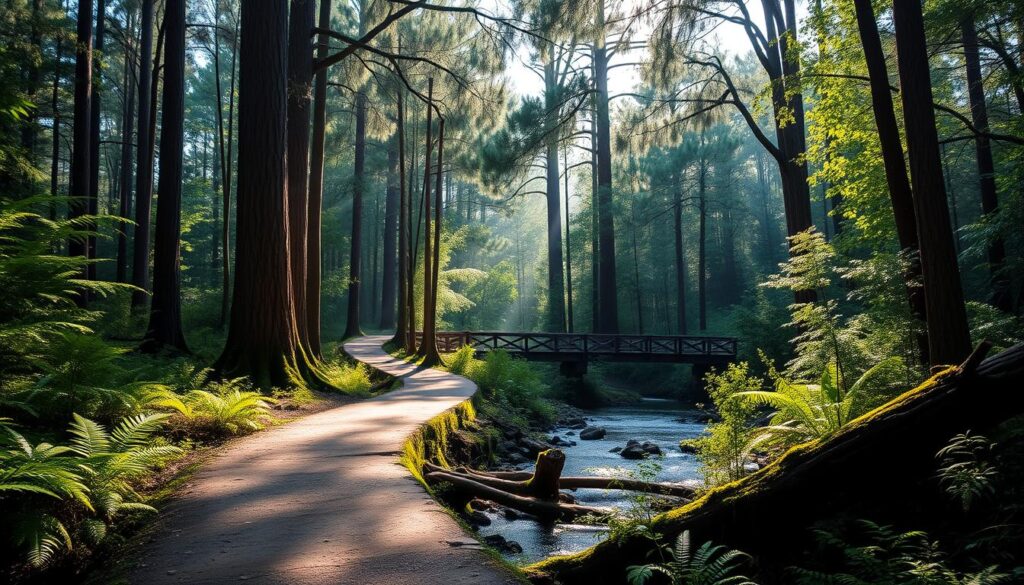
Nature Coast State Trail access for hiking and biking in fresh forest air
You’ll plan a short scenic drive from Cedar Key—about 40 miles (~1 hour)—so you can arrive with time for an afternoon leg-stretcher along the trail.
- Base it in Yankeetown on the Withlacoochee river to enjoy sunrise paddles and calm shorelines.
- Choose forest-edged stays with a private fire pit to extend evenings outdoors after sunset.
- Expect fresh air and low traffic on weekday mornings, which makes long, meditative trails and active birdwatching more likely.
- Look for rustic options like a log cabin near trailheads to keep gear staging simple and close to the path.
The place offers launch points for quiet paddles, picnic turnouts, and short loops you can scale to your energy. Keep an eye out for deer and wading birds during early hours and follow leave‑no‑trace habits so local wildlife stays undisturbed.
Tip: Use Yankeetown as a pause on a longer loop—stack restful nights here before heading west or east along coastal and river corridors.
Cape San Blas and St. Joseph Peninsula State Park: Pines, Dunes, and Bay Waters
If you chase lighthouse panoramas and miles of soft sand, Cape San Blas answers with quiet dunes and bay flats.
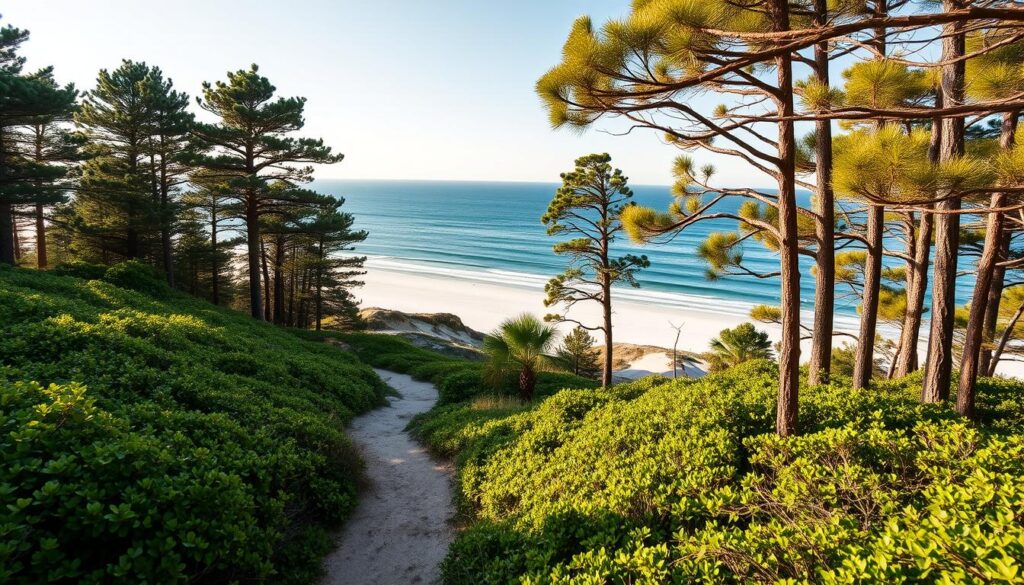
Unspoiled sands, lighthouse views, and wildlife in longleaf pine habitats
The joseph peninsula state area offers both Gulf shorelines and sheltered bay waters inside the state park. Longleaf pines frame dunes where shorebirds and dolphins appear near the tide line.
- Split your day: bay-flat paddles in the morning and open Gulf walks in the afternoon to follow the sun and tides.
- Climb for views: the Cape San Blas Lighthouse gives sweeping views, then you can descend to unspoiled sand and wind in the pines.
- Plan your drive: from Yankeetown it’s about 165 miles—roughly a 2.5 hour drive—to arrive for golden-hour walks and a simple dinner near your lodging.
- Family friendly: roomy beaches, gentle bay entries, and easy wildlife spotting make this location ideal for a relaxed getaway.
- Try fishing: pick a half-day bay window for calmer waters, then finish with a Gulf sunset to complete the coastal arc.
Tip: choose stays with outdoor rinse stations and porches so you can switch from sandy life to evening comfort without fuss.
St. George Island: Barrier-Island Woodlands and Quiet Beachfronts
Turn a short drive into a coastal reset on St. George Island, where quiet beaches meet shaded trails and a low-key village vibe. You’ll start days with slow shoreline walks and end them with a sunset that stretches across long views.
Begin mornings at St. George Island State Park. The park has nature trails and picnic areas that make it easy to stay outside all day. Walk shaded paths, watch birds, and pace your hours around sun and tide.
Plan the short leg from Cape San Blas—about 45 miles (roughly 1 hour)—so you arrive with time for a late-afternoon shoreline stroll. Choose rentals with porches or boardwalk access to keep mornings simple: coffee at sunrise, a midday nap, then another walk at golden hour.
“Slow pacing here rewards small pleasures—shelling, birdwatching, and long, empty beaches.”
- Fold this stop into a larger Big Bend loop that can swing back toward Cedar Key.
- Pack water, snacks, and a light layer for coastal breezes.
| Feature | Why it matters | Best time | Nearby |
|---|---|---|---|
| Nature trails | Shade and birding | Morning | State park |
| Wide beaches | Long views, quiet walks | Late afternoon | Village access |
| Porch or boardwalk | Easy beach access | Sunrise & sunset | Rental homes |
Apalachicola and Nearby Apalachicola National Forest
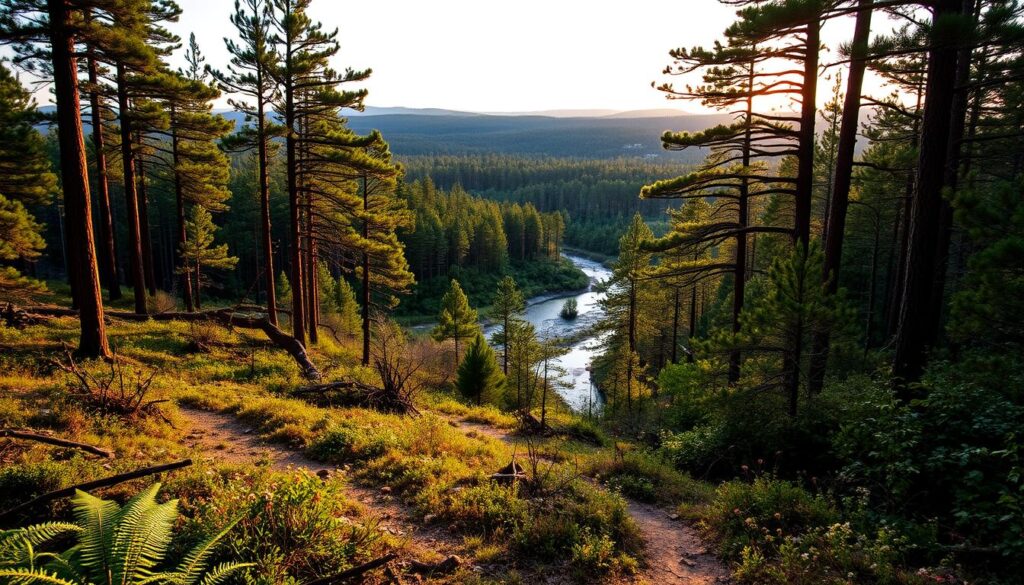
Start your visit wandering a working waterfront, then trade docks and oyster bars for shaded walks a few miles inland at the Apalachicola National Forest.
Riverside strolls, maritime heritage, and longleaf pine ecosystems
You’ll find a compact town with a maritime museum, antique shops, and celebrated seafood along broad river views. Plan about 10 miles (roughly 20 minutes) from St. George Island so you can fit a museum stop and a sunset walk in one afternoon.
Set aside a morning for longleaf trails where native flora and woodpeckers shape the air and rhythm of the area. If you fish, seek local guides and confirm seasons and licenses to make your outing productive and compliant.
- Stay central: pick lodgings within walking distance of downtown to avoid parking stress.
- Balance your day: heritage and habitat—sample oysters, then head inland for quiet trail time.
- Keep time flexible: follow light and tides to shape each restorative outing.
| Feature | Town | National Forest |
|---|---|---|
| Main draws | Maritime museum, seafood, shops | Longleaf pine trails, wildlife viewing |
| Best time | Late afternoon for river views | Morning for cooler air and trails |
| Nearby activity | Working waterfront, fishing charters | Hiking trails, birding, quiet nature |
Forest Cabins and Log Cabins: Rustic to Refined Stays
Choose a cabin that matches how unplugged or connected you want to be—options range from hand-hewn log cabin homes to tiny, efficient micro-stays.
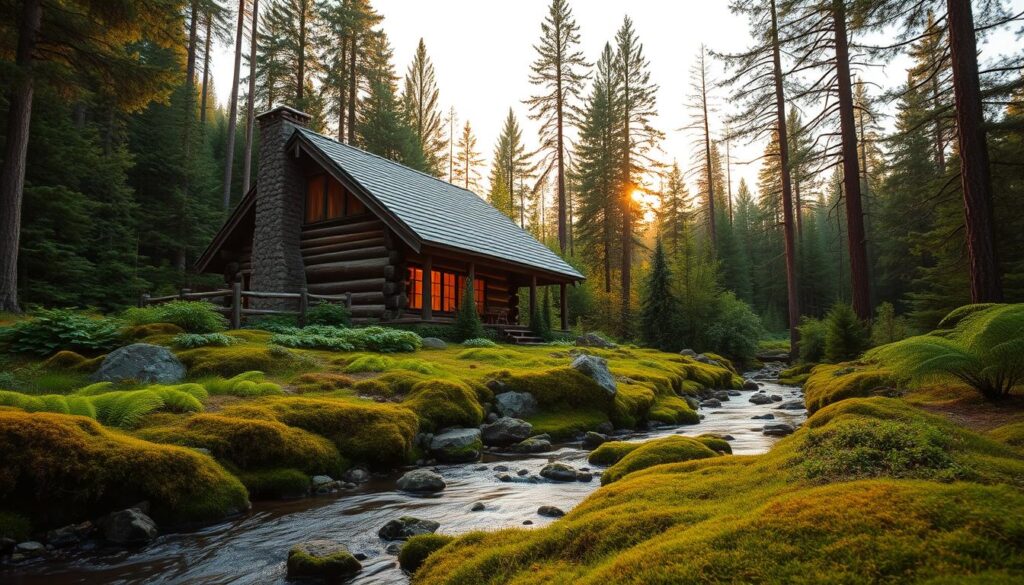
Amish-built log cabin hideaways
Find Amish-built log cabin hideaways with reliable Wi‑Fi, private porches, and free firewood near Ginnie, Ichetucknee, Poe, and Blue Springs.
Many hosts supply an outdoor fire pit and a small woodpile so evenings stretch into starry conversation.
Tiny homes and bus conversions
If you prefer minimalism, consider tiny homes or a 40-foot Thomas school-bus conversion on acreage. These pared-down options keep you close to springs, trailheads, and river launches.
- Glamping cabins offer shared clean bathhouses, small gazebos, and low-cost comfort near water access.
- Prioritize key amenities—porch seating, hammocks, a kitchenette, and clear parking notes before you book your stay.
| Type | Best use | Typical feature |
|---|---|---|
| Amish log cabin | Couples seeking quiet | Private porch, Wi‑Fi, fire pit |
| Tiny home / bus | Solo or minimalist stays | Compact kitchen, wooded setting |
| Glamping cabin | Budget comfort near springs | Shared bathrooms, gazebo |
Pick the place that mirrors your ideal retreat. Check pet rules, quiet hours, and parking so the trees and neighbors stay undisturbed. Book early around peak spring clarity and summer weekends to secure your preferred option.
Waterside Retreats: Rivers, Springs, and Bays for Kayaking and Fishing
Launch within steps of your door and spend dawn on glassy channels rather than chasing rentals. Pick a waterside base that shortens prep so your day begins with the water, not logistics.
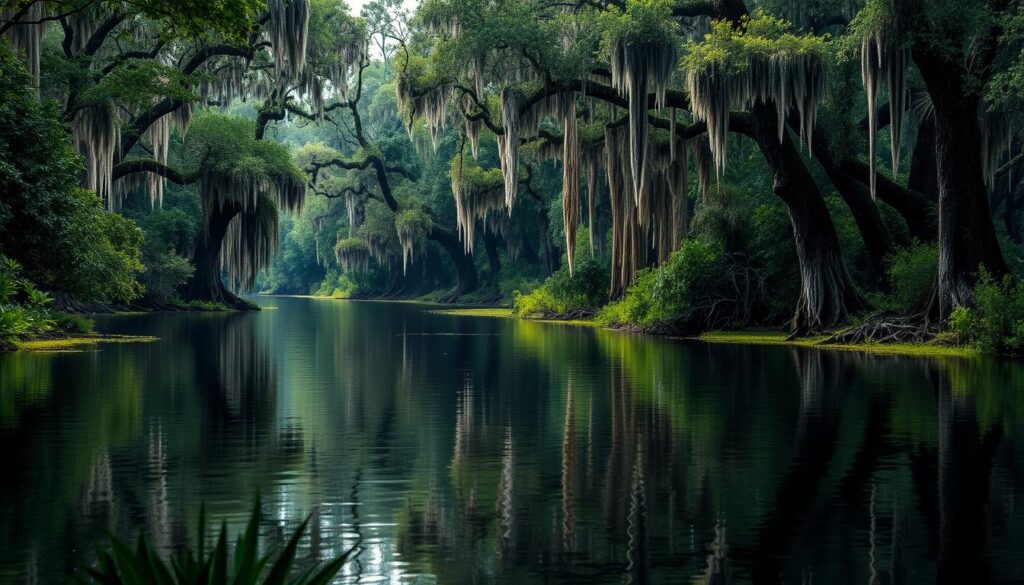
Santa Fe, Suwannee, and Ichetucknee: crystal-clear waters and easy launches
The Santa Fe, Suwannee River, and Ichetucknee corridors offer spring-fed clarity, shaded banks, and gentle flows ideal for calm laps. Otter Landing supplies kayaks and a canoe; the Riverfront Retreat includes tubes and kayaks so you can get on the water fast.
Choose stays with included kayaks, tubes, and riverside decks
Why it matters: a short walk to launch means more sunrise paddles and less gear juggling.
- Target properties that include craft so you skip rental lines and launch within steps of your deck.
- Anglers find early starts pay off—confirm seasons, limits, and local access for responsible fishing.
- If you love wood finishes, riverfront cabins and a classic log cabin vibe add simple gear racks and porch space to your routine.
“A waterside stay can turn a single morning paddle into the best part of your trip.”
Forest Retreats in North Florida (FL) for Quiet Escapes: Curated Map and Drive Times
Lay out a compact itinerary that keeps drive time low and maximizes outdoor hours. This brief map helps you plan a loop through coastal towns, springs, and pine stands so you spend more minutes on trails and water rather than behind the wheel.
Plan loops: Amelia Island → Cedar Key → Cape San Blas → St. George Island → Apalachicola
Chart an efficient loop: Amelia Island to Cedar Key is about 153 miles (~2.5 hours). From Cedar Key to Yankeetown expect roughly 40 miles (~1 hour).
Yankeetown to Cape San Blas runs near 165 miles (~2.5 hours), then a short hop of 45 miles (~1 hour) to St. George Island. Finish with a quick 10 miles (~20 minutes) to Apalachicola.
- Use the curated list of stays to cluster two to three nights per stop so weather and tides don’t upset your plans.
- Top off fuel and provisions in larger towns; rural stretches are sparse, so plan ahead.
- Layer in side trips to springs and the Suwannee River or a midday hike in the national forest to break driving legs.
- Reserve first and last nights near trailheads or launch points to catch first‑light paddles and sunset walks without packing at dawn.
| Leg | Distance | Typical time |
|---|---|---|
| Amelia Island → Cedar Key | 153 miles | ~2.5 hours |
| Cedar Key → Yankeetown | 40 miles | ~1 hour |
| Cape San Blas → St. George Island | 45 miles | ~1 hour |
Tip: track daylight by season; shorter winter light favors compact drives and earlier check‑ins so you have more usable time each day.
Amenities That Elevate Your Quiet Escape
Select stays that prioritize outdoor living and low-friction logistics to maximize your free time. Small comforts speed your transition from travel mode to true relaxation.
Fire pits, hot tubs, screened porches, and hammock lounges
Look for screened porches, hammock lounges under the trees, and hot tubs that fast‑track post-adventure calm. Many listings include a well‑designed fire pit area with seating and a safe ember base.
A reliable fire pit turns evenings into stargazing rituals. Confirm whether hosts supply firewood so you don’t need extra runs to town.
Pet policies, potable water, parking, and smart TVs
Check pet rules, potable water notes, and parking to match your group needs. Runaway Bay Lodge and similar properties note potable water, toilets, and pet allowances.
Some cabins or log cabin stays add Wi‑Fi and smart TVs for maps, tide charts, and easy downtime. If you bring gear, seek ground‑level storage, rinse stations, and exterior outlets.
- Shortlist by outdoor comfort: porches, hammocks, hot tubs.
- Confirm fire pit safety rules and seasonal burn advisories.
- Families value fenced yards or open lawns near porches to keep kids safe while adults cook or read.
- Always follow property rules to keep your stay peaceful and secure.
| Feature | Why it matters | Check |
|---|---|---|
| Screened porch | Evening comfort | Size, furniture |
| Hot tub | Fast relaxation | Heating, privacy |
| Gear storage | Easy launches | Ground access, outlets |
State Parks and Trails Near Your Stay
Pick a base close to state parks to shorten drives and stretch time on trails, springs, and coastal overlooks.
Fort Clinch, Ichetucknee Springs, St. Joseph Peninsula, and the Nature Coast State Trail
Fort Clinch State Park pairs coastal dune hiking with a historic fort and wide views that reward short loops and sunrise walks.
Ichetucknee Springs State Park offers shaded river corridors and spring runs ideal for tubing, mellow hiking, and quiet wildlife watching along the Suwannee River segments nearby.
St. Joseph Peninsula State Park features longleaf pines, dunes, and bay access for shorebird viewing and morning loops on soft sand.
The Nature Coast State Trail gives you miles of flat, forest-framed path for easy walking and biking. Apalachicola National Forest expands options with multi-hour routes through longleaf ecosystems.
- Match your lodging to the nearest state park to save drive time and hit trailheads early.
- Bring binoculars: egrets, herons, and ospreys show best at dawn and dusk.
- Use posted mileage markers and maps to plan out-and-back hikes that suit your pace.
| Park / Trail | Main draw | Best use |
|---|---|---|
| Fort Clinch State Park | Coastal dunes, historic fort | Short hikes, sunrise views |
| Ichetucknee Springs State Park | Spring runs, clear water | Paddling, shaded trails |
| St. Joseph Peninsula State Park | Longleaf pines, bay overlooks | Shorebird watching, beach loops |
| Nature Coast State Trail / Apalachicola National Forest | Flat multi-use trails; long routes | Walking, biking, long hikes |
Safety, Wildlife, and Leave-No-Trace Essentials
A few clear rules keep your trip safe and help wildlife stay wild. Follow them each day to protect animals and keep your visit low-impact.
Observe at a distance; never feed animals
Lake George and waters tied to the St. Johns River host alligators, snakes, otters, manatees, bald eagles, egrets, and herons. You’ll keep a safe distance from all wildlife—especially alligators and snakes—and never feed animals; habituation puts both you and them at risk.
Spring and river etiquette: currents, cold water, and gear care
On spring runs and river routes, watch currents and respect posted advisories. Wear a PFD when paddling; cool waters can sap energy fast.
- Stash food securely, pack out trash, and avoid soaps in natural waters to protect water clarity.
- On trails, stay on durable surfaces, yield appropriately, and give animals space; in national forest settings, carry maps and extra water for a longer day hike.
- Use red light at night to preserve vision and reduce disturbance near nesting areas and rookeries.
- If you spot young animals, observe only; do not approach or attempt rescue—parents are often nearby.
- Rinse and dry boats and waders between waters to prevent spreading invasives; check hulls and footwear carefully.
Make safety part of the experience: a calm mindset, unhurried pace, and good preparation keep each day restful and low-stress.
How to Book the Perfect North Florida Forest Retreat Today
Begin with a clear idea of your travel style—solo reflection, couple reconnection, a small-group getaway, or a family vacation.
Match your trip: solo reset, couple’s retreat, or small-group getaway
Pick lodgings that fit the vibe you want. A solo stay favors a tiny home or secluded cabin. Couples often choose a screened porch and hot tub. Groups and families need bed counts, outdoor seating, and safe yard space.
Secure dates near peak seasons and confirm on-site gear and amenities
Set dates early and shortlist by must-have items: kayaks, a hot tub, a screened porch, or gear storage. Book prime windows—spring clarity and busy summer weekends fill fast.
- Steps: set dates, filter by amenities, confirm distance to parks and launches, then reserve.
- Verify on-site gear (kayaks, tubes, firewood) and rules (pets, quiet hours, parking).
- Read recent reviews for noise, privacy, and host responsiveness.
- Backup plan: keep a second option and set reminders for payment and check-in.
- Travel buffer: allow extra time so you arrive in daylight and settle into your perfect place.
| Booking Step | What to check | Why it matters |
|---|---|---|
| Trip style | Solo, couple, group, family | Matches lodging size and amenities |
| Amenities & gear | Kayaks, hot tub, screened porch | Saves time and rental costs on arrival |
| Reviews & rules | Noise, privacy, pet policy | Ensures expectations meet reality |
Conclusion
Plan a short loop that stitches springs, shorelines, and pine stands into a single, easy getaway. This simple route turns travel time into more hours outside and less behind the wheel.
Choose the kind of place that suits you: an authentic log cabin, a minimalist tiny home, or a porch near bay breezes in north florida. Pick two or three stops—Cedar Key and small towns are great pairings—and set nights to match tides and light.
Build days around nature rituals: first light on the Suwannee River, short hikes in a national forest, and late walks as the sun softens. Keep your experience low impact, and this vacation becomes a repeatable, sustainable plan you can use again and again.
FAQ
What types of stays are listed in this directory?
You’ll find a range of options from rustic log cabins and tiny homes to screened porches, yurts, and refined waterside cottages. Listings note amenities like hot tubs, fire pits, included kayaks or tubes, Wi‑Fi, and pet policies so you can match the vibe you want.
How do I narrow choices to places near rivers, springs, or the Gulf?
Use filters for water access and proximity to named sites such as the Suwannee, Santa Fe, Ichetucknee, and the St. Joseph Peninsula. Look for keywords like “riverfront,” “launch,” or “bay access” and check drive times to nearby boat ramps or springs.
Are these properties family‑friendly and suitable for kids?
Many stays welcome families and include features like fenced yards, BBQs, and easy access to swimming or fishing spots. Always confirm safety details—life jackets, shallow launch points, and sleeping arrangements—before booking.
What wildlife should I expect and how do I stay safe?
Expect birds, deer, and marsh life, plus occasional alligators and snakes near waterways. Observe from a distance, never feed wildlife, secure food at night, and follow Leave‑No‑Trace rules when hiking or camping.
Can I bring my pet and how do I confirm pet policies?
Many properties allow pets but policies vary. Check each listing for size limits, extra fees, and leash rules. Contact hosts directly if you need clarification or to request nearby pet‑friendly trails.
What outdoor activities are available nearby?
You can hike local trails, paddle rivers and bays, fish from shores or piers, and explore state parks like Ichetucknee Springs, Fort Clinch, and St. Joseph Peninsula. Look for kayak rentals, guided boat tours, and Nature Coast State Trail access.
How do drive times and loops work for planning a multi‑stop trip?
Plan realistic legs: for example, loop from Amelia Island to Cedar Key, then down to Cape San Blas and Apalachicola. Check mapping apps for current drive times and allow extra time for stops at springs, overlooks, and small towns.
What should I pack for a spring and river visit?
Bring layered clothing, sturdy shoes, sun protection, insect repellent, reusable water bottles, and river gear like quick‑dry clothes and secure dry bags. Include a first‑aid kit and life jackets if you plan to paddle or tube.
Are there quiet beaches and shoreline spots for relaxation?
Yes. Areas such as Cape San Blas, St. Joseph Peninsula State Park, and St. George Island offer long stretches of unspoiled sand and dune habitats ideal for peaceful beach days and birdwatching.
How do I choose between a riverfront cabin and a coastal stay?
Decide if you prefer freshwater springs and river paddling (Suwannee, Ichetucknee, Santa Fe) or saltwater access for shelling and bay views (Cedar Key, Cape San Blas). Consider activities, wildlife you want to see, and travel time from your base town.
What amenities most improve a restful stay?
Fire pits, screened porches, hammocks, hot tubs, and private porches top the list. Also check potable water availability, parking, and whether the property supplies kayaks, tubes, or bikes.
How far are these stays from the nearest towns and services?
Distances vary—some properties are minutes from small towns like Cedar Key or Branford, while others sit deeper in the national forest or near state parks and require a longer drive. Listings include drive times to nearby towns and essential services.
What should I know about fishing and licenses?
Freshwater and coastal fishing opportunities are plentiful. You must carry a Florida fishing license for most spots; check Florida Fish and Wildlife Conservation Commission rules for specifics and seasonal regulations.
Are there options for solo travelers or small groups?
Yes. Many cabins and tiny homes cater to solo resets and couples. Lodge‑style properties and larger cabins accommodate small groups and often offer communal spaces for gatherings.
How do I confirm safety near currents, springs, and cold water hazards?
Review host guidance and state‑park notices about currents and temperature; avoid swimming alone, wear life jackets when boating, and heed posted warnings at springs and river access points.
Can you recommend planning tips for peak seasons?
Book well in advance, secure flexible cancellation options, and confirm included gear like kayaks or tubes. Consider shoulder seasons for fewer crowds while still enjoying mild weather and open amenities.