Surprising fact: over 40% of travelers now seek eco-friendly short stays that prioritize nature and calm.
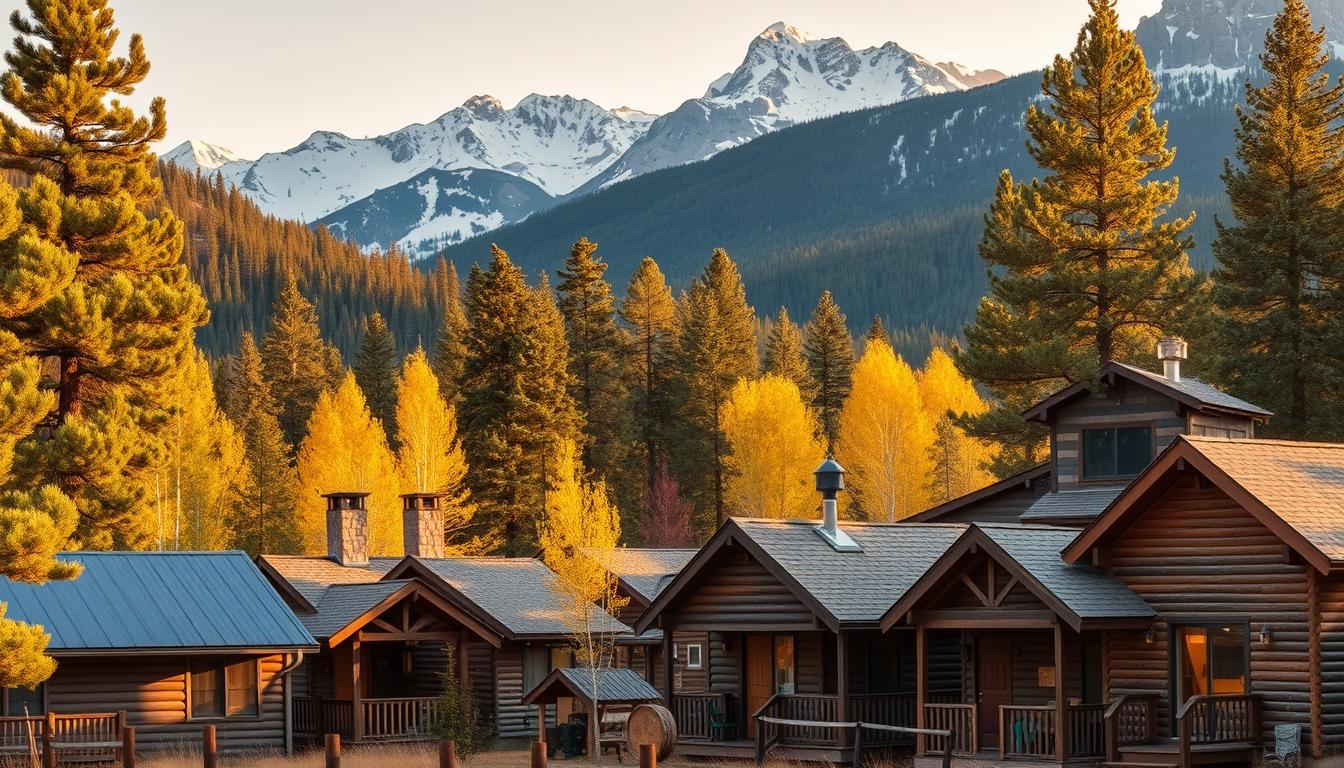
You arrive at Trail & Hitch in Meeker and notice how quiet the road feels. Solar panels, reclaimed wood, and permeable paths set the tone. This place blends sustainability with modern comfort so your travel matches your values.
Inside, compact spaces feel roomy because layouts are smart and finishes feel like home. You get reliable Wi‑Fi, a tidy kitchen, and cozy spots for reading or stargazing.
Step outside and mountain views, trails, and the Routt and White River National Forest are minutes away. Shared fire pits and gardens make it easy to meet neighbors while you keep your own rhythm.
Practical details: Trail & Hitch is at 322 County Road 8 in Meeker. Book by phone at (970) 235-1104 or follow @trailandhitch for updates.
Key Takeaways
- Choose a stay that balances simplicity and comfort with eco-friendly features.
- Smart layouts make small spaces feel generous and welcoming for guests.
- Close access to trails and mountain views turns quiet mornings into outdoor time.
- Shared amenities add community without sacrificing privacy.
- Easy booking and a responsive team smooth your arrival and plans.
Find Your Quiet: Why Colorado’s Tiny Homes Feel Like a Deep Breath
Wake to cool air and a quieter pace, where a small home clears mental clutter and opens room for slow mornings.
Design here favors what you use and love. Efficient spaces, warm finishes, and thoughtful storage make daily tasks feel easy. You trade excess for clarity and comfort.
You’ll step outside more often. Trails sit close by, turning short walks into little adventures. Fresh air, sunrise light, and quiet evenings help you sleep better and wake ready for hiking or journaling.
- You breathe easier when a tiny home reduces noise and distraction.
- Smart layouts mean cooking, reading, and relaxing feel natural after time on nearby trails.
- Less clutter leads to more connection with landscape and a clearer sense of place.

Choose this kind of living when you want both simplicity and lasting comfort. Whether you’re here for a short stay or ideas to bring home, the experience often reshapes how you value space and daily rhythm.
What Makes Colorado Perfect for Tiny Living and Stillness
Broad views and reliable sun mean your small dwelling can run cleanly and quietly. You get direct benefits from the state’s over 300 sunny days, which makes solar a practical, budget-friendly choice for a tiny home or tiny house setup.

Natural beauty shapes daily life. Mountain views, open skies, and nearby national forest gateways turn quick errands into quiet outdoor breaks. Trails and river routes sit close to many locations, so access to nature becomes part of your routine.
Regulations are catching up. More than 20 counties—like Summit and Larimer—now allow tiny houses under updated zoning, giving you lawful options for placement and long-term living.
- You tap into strong solar potential for efficient, low-cost energy.
- You find trail-rich locations that support walking, birding, and reflection.
- You benefit from outdoor infrastructure—trailheads, parks, and national forest access—for year-round exploration.
Across foothills and high desert, small spaces fit the landscape while offering the comfort of well-designed homes. Whether you seek a weekend stay near Colorado Springs or a longer move, the location advantages here make simple living feel natural and sustainable.
Tiny Homes in Colorado (CO) That Invite Stillness
Start your stay near Routt National Forest where wood smoke and pine meet modern design. You’ll find compact retreats that put natural beauty and comfort within easy reach.

Trail & Hitch — Meeker
Rustic charm with modern comforts: lofts, skylights, solar power, and reclaimed materials. Minutes from Routt National Forest trailheads, weekly meetups help guests swap trail tips.
Camp Eddy — Grand Junction
Choose this Western Slope base for tiny homes with full kitchens, private baths, and Wi‑Fi. Amenities include a pool, hot tub, and fire pits; rates start around $120 per night.
Woodland Park, Silt & Montrose
These communities offer mountain views and easy access to trails. Options range from developed sites to new village builds, so you can test a stay or look long term.
| Location | Highlights | Contact / Price |
|---|---|---|
| Trail & Hitch, Meeker | Solar, lofts, skylights, near national forest | 322 County Rd 8 · (970) 235-1104 |
| Camp Eddy, Grand Junction | Kitchens, private baths, pool & hot tub | 123 Canyon Trail · 970-555-1234 · from $120 |
| Woodland Park / Silt / Montrose | Community villages, mountain views, trail access | Various sites · developing & sold-out options |
Pick a place that matches your pace — each site serves as a launchpad for adventures, then returns you to a calm, well-designed space to rest.
Inside Colorado’s Tiny Homes: Modern Comforts in Minimal Space
A few smart choices make every corner work harder, so your stay feels roomy and relaxed. Clever layout and quality finishes show how small design can support long stays without sacrificing comfort.

Smart layouts that free your day
Lofts, Murphy beds, and fold-down desks let you shift the same space from work to rest in seconds. Sliding shelves and pull-out drawers keep counters clear so cooking and projects flow.
Like-home features for longer visits
Full kitchens and sleek bathrooms make extended stays simple. Efficient appliances, warm lighting, and ventilation help these homes feel fresh and reliable.
- You move easily thanks to built-ins and under-stair storage that tame clutter.
- Large windows and skylights frame nature and views, bringing daylight into daily routines.
- Quiet HVAC, smart thermostats, and privacy zones mean small never feels cramped.
The result: a tiny home that feels like a true home — stylish, functional, and ready for trails, work, or slow mornings.
Sustainable Features that Support Simple, Low-Impact Living
From roof panels to rainwise paths, these design moves keep your footprint low and comfort high.

Solar energy, reclaimed materials, and efficient systems make a tangible difference. You power your tiny home with rooftop arrays and cut utility costs while relying less on grid power.
Reclaimed wood and local finishes add character and lower the impact of new construction. Durable choices mean less upkeep and more long-term value for your home.
Community-scale sustainability: gardens, tool libraries, and permeable paths
Shared gardens and tool libraries help you live well with fewer possessions. You grow herbs, borrow tools, and learn through permaculture workshops hosted on site.
- Water savings: low-flow fixtures, greywater reuse, and native landscaping reduce demand.
- Waste systems: composting, recycling, and guidance make sustainable habits simple.
- Site design: permeable paving manages runoff and protects groundwater near trails and natural areas.
| Feature | Benefit | How you use it |
|---|---|---|
| Solar arrays | Lower energy bills; clean power | Primary power for lights, appliances, and heating backup |
| Reclaimed materials | Unique finishes; reduced embodied carbon | Cabinets, siding, and trim that age well |
| Community gardens & tools | Fresher food; fewer purchases | Shared plots, workshops, and lending shelves |
The result: a living option that blends comfort and conservation. You get easy access to nature, practical features that simplify daily life, and community systems that teach sustainable habits you can keep at home.
Community Spotlights: Where to Experience Tiny Living Across Colorado
Across southwestern valleys and river corridors, clustered villages offer ready access to nature and shared resources. Each community balances private space with shared gardens, pavilions, and practical services so your stay feels simple and reliable.

Escalante Village — Durango
Riverfront living with modern service: 24 spaces, fiber internet, a community garden, bike paths, and downtown access. Snow removal keeps things moving year-round.
Hermosa Orchards — Hermosa
Larger lots and orchard access: 3,600–6,000+ sq ft lots give you room to garden. Utilities and plowed streets are included to simplify daily life.
Island Cove — Durango
Animas River frontage and resident perks: Fifteen tiny home spaces, about 1,000 feet of riverfront, on-site laundry, storage, and a private island for residents to enjoy.
MarLin Village — Bayfield
$650 lot rent covers water, sewer, trash, and snow removal. A pavilion overlooks wetlands and a community garden. Try the guest tiny house “Ruby Lantern” for visiting friends or testing the lifestyle.
| Community | Key features | Notes / Fees |
|---|---|---|
| Meadows of San Juan, Montrose | Year‑round village; near Black Canyon area | Monthly site fees start at $750 |
| Peak View Park / Village at Tamarac, Woodland Park | Extended-stay focus; Pikes Peak views | Finance options; access to Colorado Springs |
| River Run, Silt | 70 homesites; green-built; shaded open spaces | Sold out — watch resales |
Compare lot sizes, amenities, and setting—riverfront, orchard, city-adjacent, or mountain—so you choose the right option for your needs. Look for transparent policies on leases, utilities, and snow removal to keep your time there smooth.
Tip: A short visit helps you test the community, trails, and mountain views before committing to longer stays or relocation.
Seasonal Tiny Living in Colorado: Cozy Winters, Golden Falls, and Sunlit Summers
Seasons change fast at high altitude, so your tiny home needs routines that match each month. Small, steady steps keep your living comfortable and reliable no matter the weather.

Winter: insulation, heating, and snow-smart routines
Prioritize insulation and sealing. Add pipe wraps and efficient heating to keep energy use low and comfort high.
Clear roofs and paths carefully and set a snow plan so your tiny house stays accessible and safe.
Spring: drainage, dehumidifying, and fresh-air flow
Check gutters, splash blocks, and drainage after snowmelt. Run dehumidifiers in damp weeks to protect finishes and fabrics.
Open windows for cross-ventilation on mild days to refresh the home and reduce indoor moisture.
Summer and Fall: cooling, stargazing, and prep
Use shade sails, awnings, and fans to move heat out of compact spaces. Evenings are perfect for starry nights and early sunrise walks.
Before cold returns, seal gaps, stock firewood, and plan leaf‑peeping hikes near local trails for fall beauty.
- Rotate bedding and rugs seasonally for warmth and freshness.
- Use bins and hooks to keep skis, bikes, and packs organized in small spaces.
- Change HVAC filters regularly and air out the home when weather allows.
| Season | Key actions | Why it matters |
|---|---|---|
| Winter | Insulation, pipe wraps, snow clearing | Keeps heat in and prevents freeze damage |
| Spring | Gutters, dehumidifier, cross-ventilation | Protects finishes and reduces mold risk |
| Summer / Fall | Shade, fans, sealing, firewood | Comfortable days, cozy nights, and prep for snow |
Result: tune small systems each season and your tiny house will feel like a steady, inviting home year-round.
The Benefits of Staying in a Tiny Home Village
Staying in a clustered village changes travel costs and daily rhythm more than you expect. You get lower nightly rates—often $70–$120—compared with many hotels that run $150+. That difference makes longer trips easier and more restful.

Cost-effective stays with modern comforts and Wi‑Fi
You don’t sacrifice convenience for savings. Many sites include fast Wi‑Fi, full kitchens, private baths, and climate control so your home feels reliable. Trail & Hitch guests report less stress and more meaningful connections during a stay.
Connection and calm: shared spaces, events, and nature-first routines
Village life blends private calm with easy social options. Shared gardens, fire pits, and lounges make it simple to meet other guests or keep your own quiet corner.
- You save on nightly cost without losing modern comforts.
- Communal events—potlucks, workshops, and walks—help you slow the day and meet neighbors.
- Smaller spaces reduce decision fatigue so you have energy for trails, reading, or rest.
- Villages offer options to extend stays or return seasonally once you find a community that fits.
Costs and Value: From Nightly Stays to Long-Term Options
Deciding between a weekend rental and a longer site lease often starts with a clear tally of fees and perks.

Nightly rates for a typical tiny home range from about $100–$150. Camp Eddy lists nights starting at $120 and includes Wi‑Fi, a pool, hot tub, and fire pits. For short trips, those bundled features can make a stay feel like more value than raw square footage.
Nightly rates, monthly site fees, and what’s typically included
Monthly site fees shift the math. Meadows of San Juan shows lots starting near $750 per month. Many communities include water, sewer, trash, and snow removal in lot rent.
Trade-offs: compact spaces, big experiences, and sustainable savings
You trade living space for access to trails, views, and community features. Smart design often makes cooking, working, and resting frictionless.
- Compare nightly stays versus monthly fees and factor seasonality.
- Confirm what’s covered and what’s extra—electricity, internet, storage, and pet fees add up.
- Consider long-term value: efficient systems and fewer impulse purchases lower lifetime cost.
- Use a community’s website to verify current rates, policies, and move-in options.
| Type | Typical range | Common inclusions |
|---|---|---|
| Nightly stay | $100–$150 | Furnishings, basic utilities, amenities |
| Monthly site | $750+ | Lot rent, water, sewer, trash, snow removal |
| Long-term buy | Varies widely | Energy savings, lower operational cost over time |
Bottom line: weigh the tangible cost against the quiet mornings, stargazing nights, and local adventures you gain. That mix of practical savings and lifestyle value will guide whether you’re booking one night or staying seasonally near colorado springs or other homes colorado options.
How to Choose the Right Colorado Tiny Home Builder or Community
Choosing a builder or community shapes how your small living performs through heavy snow and summer heat.

Start with climate-ready design. Verify snow-load specs, insulation R-values, and air sealing so your tiny home handles mountain winters and hot afternoons. Ask about window performance and roof pitch for heavy snow.
Custom vs. prefab: timelines, budgets, and flexibility
Weigh speed against choice. Prefab options often finish in 3–6 months and lower upfront cost. Custom builds usually take 6–12 months but give you tailored features and layout freedom.
Due diligence: permits, warranties, delivery, and on-site assembly
Confirm builder credentials, code compliance, and warranty terms to protect your investment. Clarify delivery logistics, site prep needs, and whether a crane or special permits are required for on-site assembly.
- Materials matter: check framing, windows, siding, and roofing for durability and energy performance to lower long-term cost.
- Cost transparency: request detailed breakdowns, change-order policies, and timelines so surprises stay small.
- Shop locally: speak with Rocky Mountain Tiny Homes and Pikes Peak Tiny Living near colorado springs about service, lead times, and aftercare.
- Community fit: choose homes and villages that match your lifestyle—quiet nature sites, proximity to colorado springs services, or river access.
- Maintenance plan: get builder guidance on seasonal care and system checks to keep your home reliable for years.
Plan Your Visit: Trails, Views, and Community Vibes
Begin with a simple plan: check-in, a short orientation walk, then settle in for sunset and the mountain views. A clear arrival time and light packing keep the first afternoon calm.
Trail & Hitch essentials
Trail & Hitch — 322 County Road 8, Meeker · (970) 235-1104 · @trailandhitch
Bookmark the address and phone so navigation and booking are effortless. Many guests use the mid-afternoon window to check in and take a short walk to nearby trailheads or the shared fire pit.
Camp Eddy snapshot
Camp Eddy — 123 Canyon Trail, Grand Junction, 81501 · 970-555-1234 · campeddy.com
This location offers Wi‑Fi, fire pits, a pool, and a hot tub. Confirm services like laundry and gear storage on the website before you arrive to avoid extra packing.
Packing light: soft luggage, reusable gear, and arrival tips
- Pack soft-sided luggage so you fit your gear into compact spaces and keep the space tidy.
- Bring reusable bottles, bags, and layered clothing to simplify your stay and reduce waste.
- Plan to arrive between 3–5 PM for smooth check-in and time to catch golden hour.
- Confirm Wi‑Fi, laundry, and storage options before travel so you only bring what you need.
- Start with a short walk to find trailheads, common areas, and the best mountain views at sunset.
- Keep essentials handy—headlamp, maps, and extra layers—for quick morning adventures on nearby hiking trails.
“Travel light, settle quickly, and use your first walk to learn the lay of the land.”
Tip: Book guided activities or ask staff for hidden routes and local food recommendations. Use modern comforts at camp to recharge after long days of exploring nature and trails.
Life in Colorado’s Tiny Home Communities: Space, Community, and Access
Daily life in these villages folds around sunrise walks, shared chores, and easy access to nearby trails. You learn a simple rhythm: coffee, fresh air, then a short hike or time with a book on your stoop.
Daily rhythms: morning mountain views, shared fire pits, and trailhead proximity
You start mornings with clear mountain views, stepping outside for a breath of air and a quick walk before breakfast. Woodland Park spots give views toward Pikes Peak and convenient links to Colorado Springs services.
You meet neighbors at shared fire pits and gardens. Low-key chats make the community feel welcoming, and you choose when to join or retreat.
Trailhead proximity turns errands into mini-adventures. Folded into your day are short hikes or bike rides on nearby hiking trails, which keeps nature close and stress low.
Storage strategies keep each home uncluttered so small spaces feel open. You lean on shared tools, message boards, and gardens to simplify chores and share tips.
Result: a balanced place where work and rest coexist, where you find your favorite bench for sunset and trade busy routines for more time outside.
Conclusion
End your search by focusing on what matters most: access to trails, durable design, and a welcoming community.
You’ve seen how a tiny home or a tiny house can pair quiet with easy access to mountain trails, rivers, and open views. Sites like Trail & Hitch and Camp Eddy show how sustainability and modern comforts make a stay feel effortless.
Choose a place that fits your needs, compare costs, confirm amenities, and book a short visit to test the rhythm. The trade-off—less space, more presence—often leads to richer adventures and lasting habits of simplicity.
Whether you try tiny living near colorado springs or explore riverfront villages and mountain-view enclaves, you leave with confidence. Small spaces can feel spacious when they align with what matters most to you. written meg southcott
FAQ
What kinds of locations in Colorado offer the best access to trails and mountain views?
Look for properties near Routt National Forest, the Grand Junction area, Woodland Park, Montrose, and towns like Meeker. These spots combine trailheads, canyon overlooks, and easy access to hiking and mountain biking. Choose a site with parking and trail maps available for the clearest access.
How do these compact dwellings handle Colorado’s winter weather?
Well-designed models use high R-value insulation, efficient propane or electric heating, and snow-ready roofs. You should confirm snow-load ratings, window performance, and whether the unit has skirting or raised foundations to reduce heat loss and prevent snow buildup around utilities.
Can you find full-size kitchens and modern bathrooms in small spaces?
Yes. Many designers fit full kitchens with residential appliances, full bathrooms with shower stalls or compact tubs, and smart storage solutions like pull-out pantries and hidden cabinets. Review floor plans and appliance specs before booking or buying.
What sustainable features are common in these communities?
Expect solar-ready roofs, energy-efficient appliances, reclaimed wood finishes, low-flow plumbing fixtures, and community gardens or composting. Some sites also offer shared tools, rainwater management, and permeable paths to reduce runoff.
Are there long-term living options or are these primarily for short stays?
Both exist. You’ll find nightly rentals for vacations and communities offering monthly or long-term leases. Check local zoning and community rules for residency limits and utility arrangements before you commit.
How do zoning and permits affect placing a dwelling on a site in Colorado?
Local zoning determines whether you can place a structure on a lot, use it as a primary residence, or rent it short-term. You’ll need building permits for hookups, foundations, and any structural changes. Consult the county planning office or a local builder to confirm requirements.
What should you pack for a seasonal stay to handle Colorado’s changing weather?
Pack layered clothing, a warm sleeping bag or extra blankets for cool nights, waterproof footwear, a compact stove or kettle if not provided, and basic outdoor gear like a headlamp and reusable water bottle. Bring traction cleats for icy trails in winter and sun protection for summer hikes.
How do community amenities vary between sites like riverfront villages and mountain pockets?
Riverfront communities often include fishing access, laundry, and private islands or docks. Mountain sites focus on trailheads, shared fire pits, and pavilion spaces. Confirm whether Wi-Fi, parking, and on-site maintenance are included.
What are typical costs for nightly and monthly stays?
Nightly rates vary by location and season; expect higher prices near popular trailheads or riverfronts in peak months. Monthly site fees for longer-term stays often include utilities and access to shared amenities. Always review the fee breakdown to see what’s covered.
How do you choose a reputable builder or community in Colorado?
Look for builders with local climate experience, proof of snow-load designs, references, and clear warranties. For communities, ask about permits, site plans, utility connections, community rules, and member reviews. Visiting in person or touring completed models helps you judge quality.
Are there reliable internet and phone options at these locations?
Many sites offer fiber or reliable cellular coverage, especially near towns like Durango and Grand Junction. Remote spots may require a mobile hotspot or satellite service. Confirm bandwidth and backup options if you need dependable connectivity.
Can guests bring pets, and are there restrictions?
Pet policies vary by property and community. Some welcome dogs with size limits or additional fees; others have strict no-pet rules to protect wildlife and shared spaces. Check each listing or community guideline before you arrive.
What trade-offs should you expect when choosing compact living over a conventional home?
You’ll gain lower utility costs, easier upkeep, and closer access to nature. Trade-offs include limited storage, creative use of multi-functional furniture, and more careful planning for large-group stays. Many people feel the lifestyle trade-offs are worth the increased connection to place.
How do seasonal maintenance needs differ across the year?
Winter requires snow clearing, heating checks, and ice prevention. Spring focuses on drainage, dehumidifying, and roof inspections. Summer needs ventilation and shade solutions, while fall is for sealing, firewood prep, and leaf management. Seasonal checklists help keep systems running smoothly.
Where can you find reputable listings and more information about specific communities?
Use established platforms like Airbnb and VRBO for short stays, and community websites or local realty firms for long-term options. Contact local chambers of commerce or visitor centers in Durango, Meeker, Grand Junction, and Woodland Park for vetted recommendations and contact details.