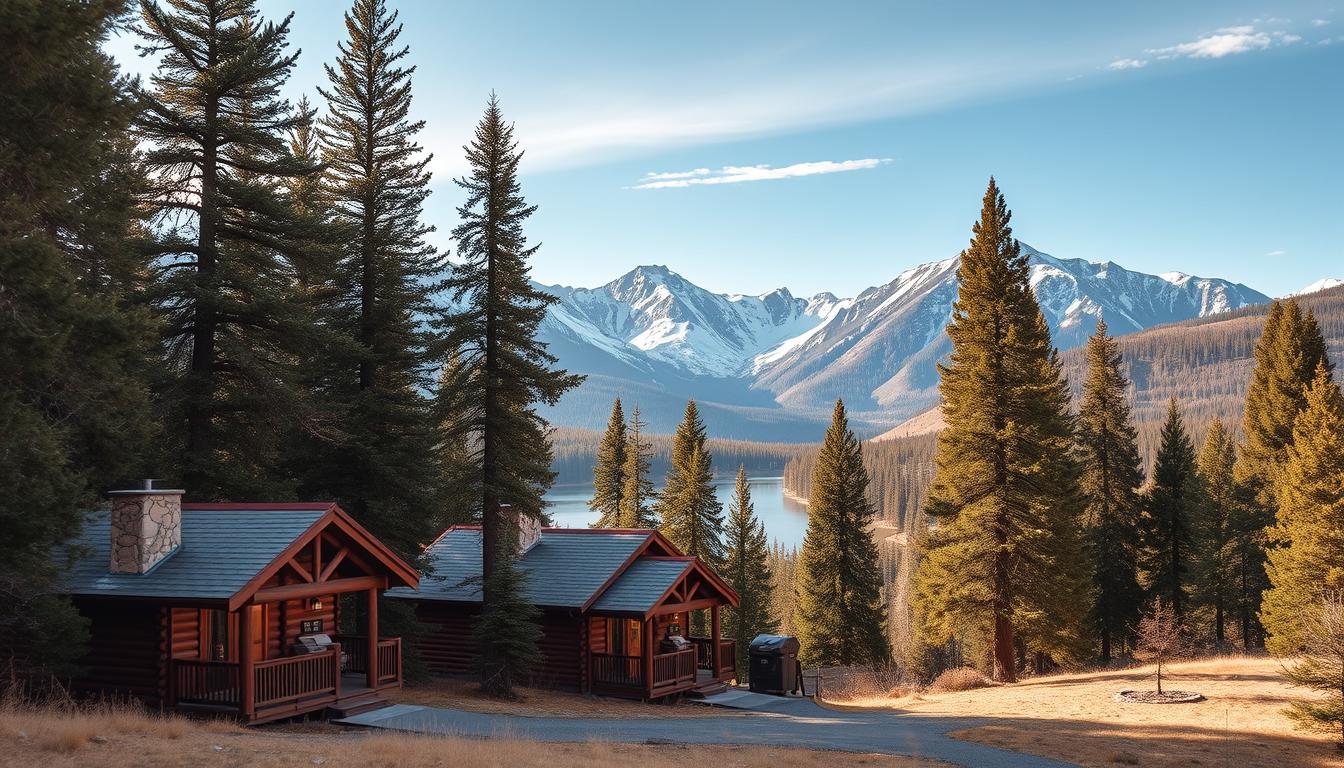
Did you know one statewide directory lists more than a hundred retreat options that pair quiet lodging with guided programs and solo practice?
You can find everything from pastor-hosted stays near Steamboat Springs to secluded prayer cabins west of Colorado Springs, group homes in Southern Colorado, and counseling models in the Crystal River Valley.
This introduction helps you place those choices on a simple map: En Gedi Retreat Center, Praise Mountain, Easy Yoke Retreat House, 4 Eagle Ranch, SonScape, QuietWaters, Marble Retreat Center, and Shekinah Ranch each offer a clear style of retreat.
Expect concise guidance on setting, program type, privacy, and healing support so you can match a retreat center to your goals and budget without getting lost in the wider world of retreats colorado.
Key Takeaways
- You’ll learn how quiet lodging plus alpine scale supports a spiritual retreat.
- Compare center types: faith-led, counseling, group venues, and solo-focused stays.
- The guide saves time with a service directory that filters options by need.
- Settings—forest, valley, alpine—shape the depth of your practice and prayer.
- Programs balance privacy and community to suit different stages of healing.
Your Path to Spiritual Renewal in the Rocky Mountains
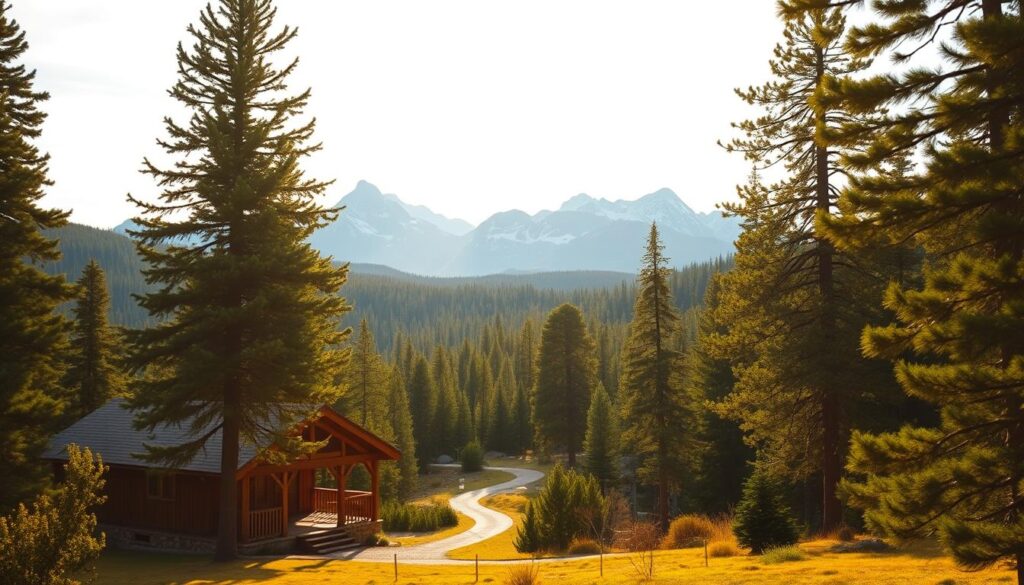
When you step into the rocky mountain landscape, everyday distractions fall away and practices deepen. The air, silence, and wide views help quiet mental noise so your spiritual practice becomes easier to access.
Why these settings matter:
- Forests (Shekinah Ranch-style) offer solitude and shelter for focused prayer or meditation.
- Alpine meadows give open awareness and perspective—their ridgelines invite mindful walking and reflection.
- Hot springs (Moffat retreats) combine relaxation with recovery, speeding physical healing after long practice.
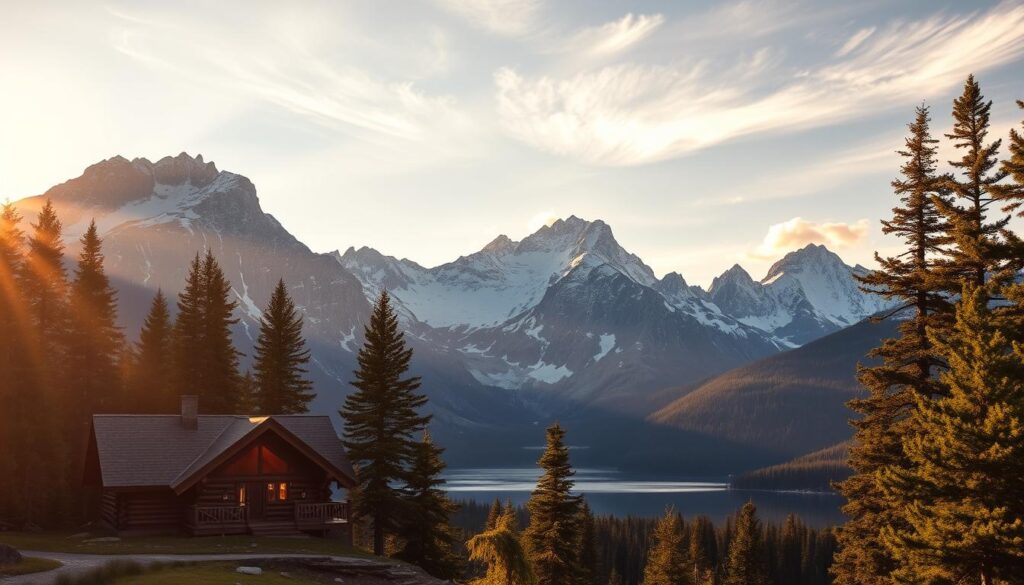
Practical benefits and choices
Proximity to colorado springs expands travel options while keeping you close to immersive settings. Decide whether you want a guided group at a center like 4 Eagle Ranch or SonScape, or a solo stay that supports individual pacing.
Remember altitude effects: plan hydration, rest, and modest activity so your retreat is restorative. Match the setting and program type to your goals to gain a deeper connection and a clearer retreat experience.
Mountain Cabins in Colorado (CO) for Spiritual Renewal: Curated Directory
Below you’ll find contact-ready entries that make it fast to match your needs with the right retreat venue. Use these concise notes to compare program style, location, and how each center balances privacy with structure.
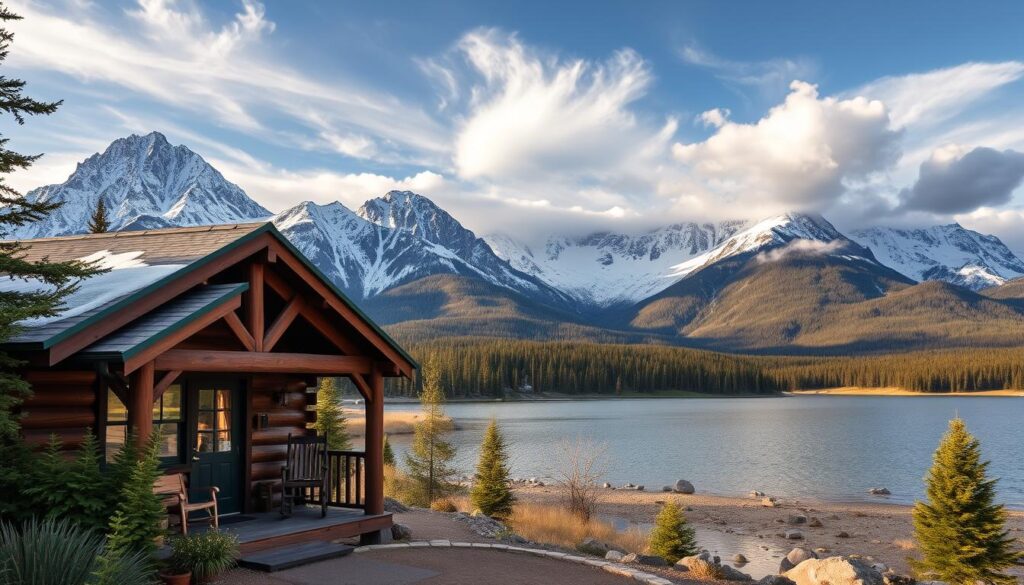
En Gedi Retreat Center — West of Steamboat Springs
Free stays for pastors and missionaries. (719) 963-3983 · engedi@engediretreat.org
4 Eagle Ranch — Near Vail and Beaver Creek
Private group gatherings, weddings, and corporate events. (970) 926-3372 · info@4eagleranch.com · 4eagleranch.com
SonScape Retreats — Near Colorado Springs and Denver
7-day leader-led christian retreat programs. (888) 766-7227 · info@sonscape.org · sonscaperetreats.org/colorado
QuietWaters Retreat Home — Parker area
One-on-one intensive programs for individuals. (303) 639-9066 · qwaters.org
Marble Retreat Center — Crystal River Valley
8-day counseling schedule at 8,000 ft. (970) 963-2499 · ministrycare@marbleretreat.org · marbleretreat.org
Shekinah Ranch — NW of Denver
Secluded cabins across forest and meadows. (970) 726-4494 · shekinahranch@outlook.com · shekinahranch.org
Praise Mountain — West of Colorado Springs
Prayer, fasting, and secluded prayer “caves.” (719) 748-3719 · praisemountain.org
Easy Yoke Retreat House — Southern Colorado (near Beulah)
Individual and group stays, year-round access. (719) 485-4800 · ezyoke.org
Quick tips: Call or email to confirm dates, ask about capacity, and check travel access. These entries help you narrow choices between restful stays and structured program options in the rocky mountain region.
Top Colorado Retreat Experiences and Dates You Can Book Now
Find ready-to-book retreat dates and costs so you can match time and intention quickly.
Colorado Springs programs offer deep healing and varied commitments. Choose between luxury women’s healing formats, a six-day burnout recovery, a five-day Quantum Peak series, or short plant ceremony weekends.
Highlighted Programs
- Luxury Christian Women Healing Retreats — Colorado Springs: Oct–Nov 2025, May 2026 · From ~$7,887–$10,788.
- 6-Day Mental Health Healing (Burnout Recovery) — Colorado Springs: Oct 29–Nov 3, 2025; May 17–22, 2026 · From ~$13,887.
- 5-Day Quantum Peak Self-Discovery — Colorado Springs: Oct 2–6, 2025 · From ~$3,799.
- Transformative Plant Ceremony — Colorado Springs: Oct 17–19; Nov 14–16, 2025 · From ~$300.
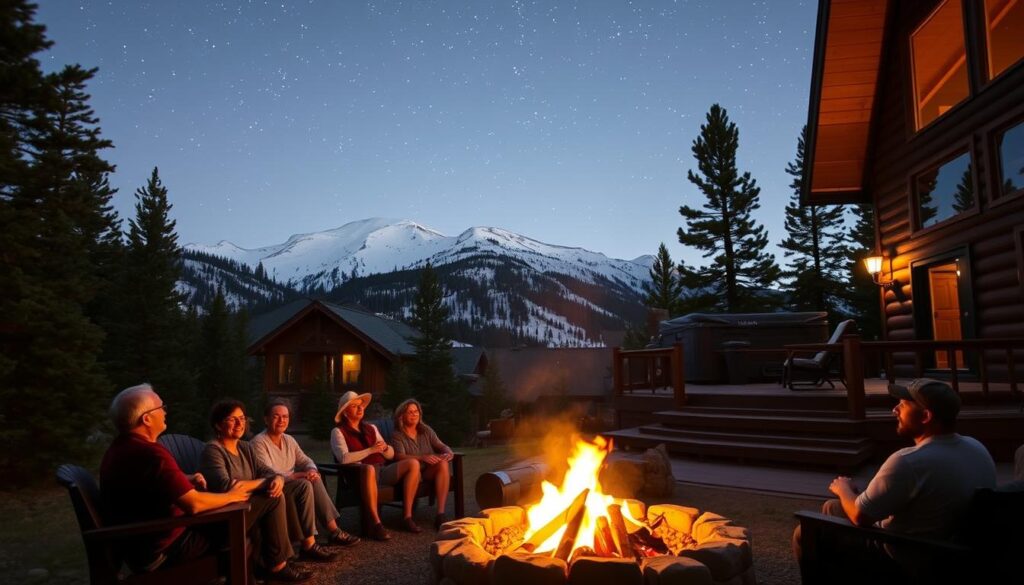
| Location | Program | Dates | From (USD) |
|---|---|---|---|
| Moffat | Yoga & Hot Springs (3–4 days) | Jan 23–25, 2026; Mar 16–19, 2026 | $700–$808 |
| Winter Park | Mental Health & Wellness (4 days) | Nov 6–9, 2025 | $585 |
| Estes Park | Ayurveda’s Wild Quest (4 days) | Oct 9–12, 2025 | $1,725 |
| Keystone / Boulder / Red Feather Lakes | Yoga adventure, Rooted Awakening, Winter Yoga (3–4 days) | Various 2025–2026 dates | $560–$1,299 |
“Compare days, price, and intensity to pick a program that matches your schedule and desired outcomes.”
Booking tip: prioritize higher-demand dates and use free cancellation policies to protect your plans. Contact hosts to confirm capacity, dietary needs, and daily schedules so your retreat experience aligns with your goals.
Christian, Yoga, and Silent Retreats: Matching the Retreat Type to Your Goals
Choose a retreat style that matches your goals, whether that means prayer-led solitude, therapeutic counseling, or movement-based practice.
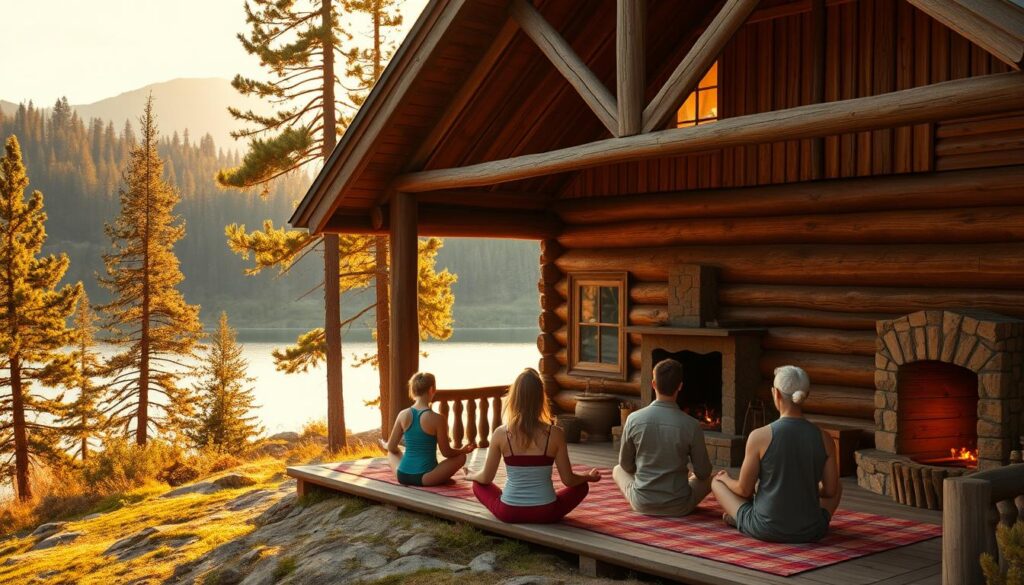
Christian retreat options for prayer, fasting, and counseling
Prayer-and-fasting spaces like Praise Mountain offer cabins and three secluded prayer caves west of colorado springs. These suit individuals who want structured spiritual disciplines and quiet daily rhythms.
Counseling-driven models such as Marble Retreat Center’s 8-day program and QuietWaters’ one-on-one intensives provide therapeutic support across multiple days. Choose counseling when you need guided processing and lasting change.
Yoga and wellness retreats for deeper connection and healing
Yoga classes paired with hot springs (Moffat) boost physical recovery and foster a deeper connection to breath and body. These retreats balance movement, rest, and reflection.
Shorter multi-day programs in colorado springs combine somatic work with group learning. Pick these when you want tools to carry into everyday life.
Silent retreats and solitude for reflection and renewal
Silent retreats give minimal input and maximum space for journaling, walking prayer, or contemplative practice. They work well if you prefer inner guidance over group teaching.
- Match beliefs and practice: pick centers that align with your tradition or offer interdenominational support.
- Match days to depth: longer intensives for deep healing; short stays for integration.
- Decide community vs. privacy: group programs or private cabins support different goals.
“Sketch a plan that balances prayer, movement, and silence so the retreat continues to shape your life afterward.”
Spotlight: Drala Mountain Center Community Update
A recent communique from Drala Mountain Center invites practitioners to reflect on lineage, loss, and continuing practice.
With deep sadness, the center joined the sangha to announce the passing of Lady Diana Mukpo. The message honors her devotion to the Vidyadhara Chögyam Trungpa Rinpoche and notes her compassion, courage, and generous spirit. The announcement extends gratitude and love to her family and the broader community.
What this means for retreat visitors and practitioners:
- You receive an update from a mountain center acknowledging a loss that matters to those linked to shambhala mountain traditions.
- The note clarifies lineage roots—devotion to Chögyam Trungpa Rinpoche and values of courage and compassion—that shape the spirit of the shambhala mountain center.
- Expect community communication during transitions: spaces for reflection, memorial practice, and guidance about upcoming retreats and offerings.
When you consider a retreat, decide whether joining public memorials or choosing a private stay better fits your needs. Respectful outreach and timing help you connect without taxing local resources.
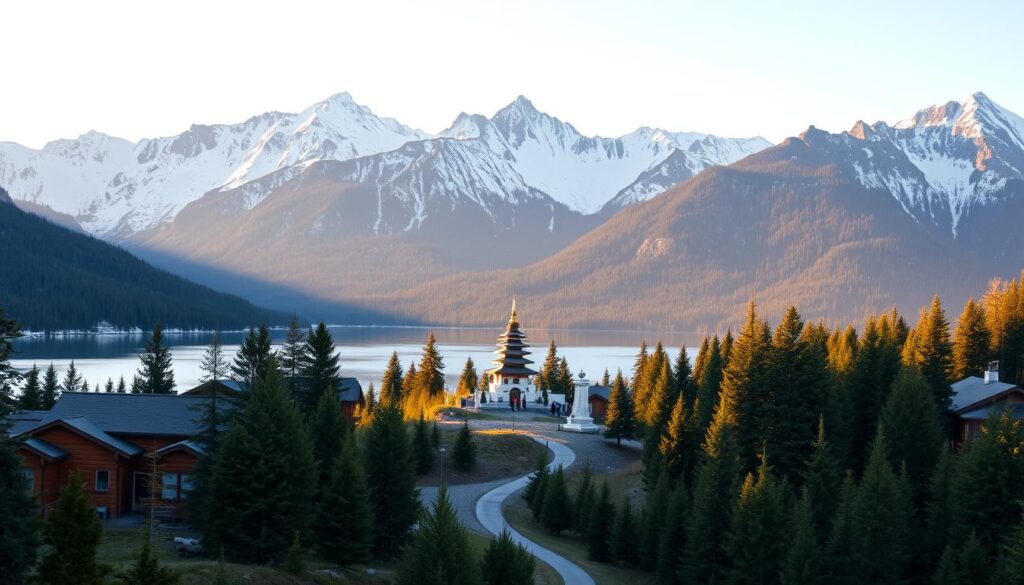
Context for practitioners seeking Shambhala connection
The center’s update models how a community balances grief and practice. If you plan to visit, ask about planned memorials or adjusted schedules so your retreat experience aligns with current needs and beliefs.
“We extend gratitude and love to her family and community.”
Hot Springs, Forest Trails, and Alpine Views: Settings that Support Spiritual Practice
Natural hot springs, shaded trails, and wide alpine ridgelines shape how you practice and rest during a retreat. Each setting offers distinct benefits that help you focus, recover, and reflect.
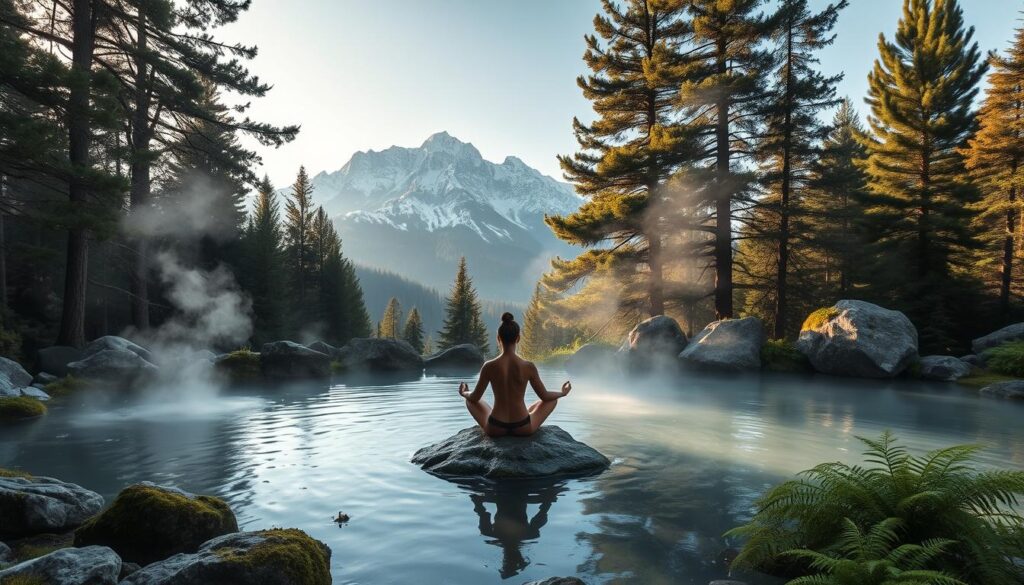
Benefits of hot springs for relaxation and meditation
Thermal soaking relaxes tight muscles and activates the parasympathetic system, which helps you settle into longer meditation. Improved sleep after warm dips makes evening integration easier.
Moffat hosts 3–4 day women’s retreats at natural hot springs in January and March 2026. These shorter schedules combine movement, soaking, and guided practice to boost recovery and presence.
Forest and alpine environments that nurture prayer and mindfulness
Forest trails give you a pace for slow walking and silent prayer. Trees and soft earth act as steady anchors for attention during contemplative practice.
High meadows and ridgelines open perspective during journaling and breathwork. Shekinah Ranch places cabins out of sight amid forests and meadows, and Praise Mountain maintains forested acreage with secluded prayer “caves” that offer unique solitude.
- Match setting to intention: choose sheltered woods for deep stillness or open views for broader reflection.
- Combine practices: morning movement, afternoon journaling, evening soaking supports a deeper connection between body and breath.
- Plan practicalities: pack layers and hydration so your sessions stay steady despite weather shifts.
“Use setting as a practice partner: let water, wind, and trees pace your attention and transitions.”
| Setting | Primary benefits | Best uses |
|---|---|---|
| Hot springs (Moffat) | Muscle relaxation, parasympathetic activation, better sleep | Yoga retreat add-ons, meditation, restorative days |
| Forest trails (Praise Mountain) | Grounding, slow walking, focused prayer | Silent prayer, mindfulness walks, contemplative journaling |
| Alpine meadows (Shekinah Ranch) | Expanded perspective, clear sightlines, solitude | Breathwork, sunrise reflection, longer journaling sessions |
How to Choose the Right Mountain Retreat Center in Colorado
Start by naming what you hope to change, restore, or learn during your retreat. That single statement narrows choices fast and helps you match programs to real needs.
Define your goals
Decide if you want healing, transformation, rest, or community. Choose a christian retreat, a wellness retreats format, or silent retreats based on that aim.
Consider location and access
Pick colorado springs or the Denver corridor for easier travel and shorter transfer times. Choose high-alpine venues when you want deeper immersion but expect longer drives.
Note: SonScape is about 45 minutes from the Colorado Springs airport. Easy Yoke offers all-season access near Beulah in southern colorado.
Program length, budget, and timing
Balance 3–4 day immersions with 7–8 day intensives against the time you can take. Check cancellation policies and seasonal road risks.
“Shortlist 2–3 retreat center options and ask about daily flow, group size, and instructor background.”
Nearby Alternatives if Your Dates Are Unavailable
If your preferred dates are full, several U.S. destinations keep your retreat plans on track without losing momentum.
Sedona, AZ often hosts women’s spiritual retreats that include grief transformation workshops, private stays, and group programs year‑round. These options help you keep focus on healing and deep practice.
Joshua Tree and Mount Shasta each shape a different spiritual journey. Joshua Tree offers desert stillness and star‑field awakenings. Mount Shasta provides high‑altitude private retreats during summer months.
Other U.S. options include Oregon (meditation and channeling), New York (shamanic healing weekends), and Washington (lakeside solitude). Many hosts offer free cancellation or flexible booking to protect your plans.
| Region | Typical Focus | Best Season | Notable benefit |
|---|---|---|---|
| Sedona, AZ | Women’s grief work, divine feminine | Year‑round | Vortex hikes, private formats |
| Joshua Tree, CA | Desert awakening, silence | Fall–Spring | Starry skies, wide stillness |
| Mount Shasta, CA | Private mountain retreats | Summer | High‑energy summit access |
| Other states | Meditation, shamanic, solitude | Varies | Hot springs where available |
“Pivot quickly and compare program design, group size, and climate to keep your transformation on schedule.”
Plan Your Retreat Experience: Booking Tips and What to Bring
Reserve dates that give you breathing room before and after the program. That extra time helps you adjust to altitude, travel delays, and the inner work a retreat invites.
Reserve early and review free cancellation terms
Lock dates with flexible policies
Book peak-season days as soon as you can and use platforms offering free cancellation. This secures your spot while keeping plans flexible.
Allow travel buffers through Colorado Springs or Denver so you arrive rested and can manage unexpected delays.
Packing for mountains: layers, hydration, journal, and yoga gear
Pack smart for comfort and practice
- Clothing: base layers, an insulating mid-layer, and a waterproof shell for variable weather.
- Hydration: reusable bottle, electrolytes, and sun protection for higher altitudes.
- Practice gear: a mat, strap, blocks for yoga classes, plus a journal and pen to capture insights across the days.
- Spa-ready: quick-dry swimwear and a lightweight towel if hot springs are on the agenda.
- Rest aids: sleep mask, earplugs, and herbal tea to support nightly recovery.
- Communication: tell hosts about dietary needs and accessibility so individuals arrive supported.
“Pace your schedule with margins before and after the retreat to support deeper healing and integration.”
Finally, set tech boundaries and check weather and road conditions 48 hours before departure. These small steps protect your time and improve the overall retreat experience.
Conclusion
, You now have clear steps to turn intention into a booked retreat and an unfolding practice. Use the directory to contact the right center, confirm dates, and secure the retreat that fits your season of life.
Act with confidence: book flexibly, pack smart, and leave room to integrate what you learn. Short stays and longer intensives both support meaningful transformation.
Let the rocky mountains serve as an ally: the landscape, teachers, and daily routines will help a spiritual retreat shift into lasting change. Reach out, ask final questions, and pick the option that meets you where you are.
FAQ
What types of retreat settings are available in the Rocky Mountain region?
You can choose wooded sanctuaries, alpine meadows, and geothermal hot spring sites. Each setting supports distinct practices: forests and trails invite contemplative walks and prayer, meadows suit group circles and yoga, and hot springs enhance relaxation and meditation.
How do I pick the right retreat type for my goals?
Start by naming your priorities—healing, transformation, silence, or community. If you want contemplative solitude, look for silent retreats or secluded cabins. For guided healing, select centers offering counseling or leader-led programs like those near Colorado Springs. For physical and spiritual renewal, choose yoga and wellness retreats.
What should I pack for a high-elevation retreat?
Pack layered clothing, a water bottle, sunscreen, a journal, comfortable shoes for trails, and yoga gear if you plan to practice. Bring any personal meds and an altitude aid if you’re sensitive. Most centers will list additional items on their booking page.
Are there faith-specific options such as Christian retreats available?
Yes. You’ll find Christian-focused programs offering prayer, fasting, counseling, and group worship. Many retreat houses and ranches advertise dedicated schedules for spiritual formation and pastoral rest.
Can I find retreats that offer financial assistance or free stays?
Some centers provide scholarships, sliding-scale fees, or complimentary stays for clergy and missionaries. Check each center’s policy—for example, certain nonprofit retreat centers indicate free or subsidized options for pastors and ministry workers.
How long are typical retreat programs and what formats do they follow?
Programs range from one-night stays to multi-week intensives. Common formats include 3–8 day guided intensives, seven-day leader-led retreats, silent retreats, and open-house schedules. Choose based on how deep you want the work to be and how much time you can take away.
When is the best season to attend a retreat in the high country?
Spring and fall offer mild temperatures and quieter trails. Summer gives longer daylight and easier access to high-alpine sites. Winter retreats often focus on introspection and may include practices adapted to snow conditions. Consider road access and your tolerance for cold when booking.
How do hot springs support meditation and healing practices?
Natural hot springs relax muscles, reduce stress, and help you focus during meditation. Warm mineral waters can enhance sleep and ease physical tension, making it easier to engage in breathwork, reflection, or somatic therapies offered at many wellness retreats.
What should I know about accessibility and travel to remote retreat centers?
Remote sites may require a drive on unpaved roads or a shuttle from the nearest town. Check elevation, vehicle recommendations, and whether the center can assist with directions or pick-up. Some locations near major corridors like Denver or Colorado Springs offer easier access.
Are silent retreats suitable for first-time retreatants?
Yes, but prepare by reading orientation materials and setting realistic expectations. Beginner-friendly silent retreats often include brief guidance, gentle schedules, and options for brief check-ins. Start with a shorter silent program to gauge comfort.
How do I compare cancellation and refund policies across centers?
Review each center’s booking terms before you pay. Look for flexible cancellation windows, clear refund percentages, and special clauses for weather or travel disruptions. If you need flexibility, prioritize programs that publish generous cancellation terms.
Can I attend group retreats if I prefer private coaching or one-on-one work?
Many sites offer both formats. If you want individualized care, seek centers that advertise private intensives or one-on-one counseling programs. You can often combine a group schedule with private sessions for a hybrid experience.
What safety measures should I expect at retreat centers?
Expect basic safety protocols: emergency contacts, staff on site or on call, clear trail guidance, and health screening during public-health events. Centers hosting plant-medicine ceremonies or intense therapies should disclose facilitator qualifications and aftercare plans.
Are there alternatives if my preferred dates are booked?
Yes. Look to nearby regions like Sedona, Joshua Tree, Mount Shasta, or retreats in Oregon and Washington. You can also inquire about waitlists, shorter off-season programs, or private stays at nearby retreat homes.