Did you know that over 1.8 billion images are uploaded daily worldwide? Yet, only a fraction truly capture the essence of a moment. For solo travelers, creating meaningful memories through photography can be a challenge, but it’s also an opportunity to tell your unique story.
Photography isn’t just about snapping pictures; it’s about preserving experiences. Instead of relying on generic images, focus on capturing moments that reflect your journey. Whether it’s a stunning landscape or a candid self-portrait, each photo can become a chapter in your travel story.
Solo travelers often face hurdles like setting up tripods or keeping gear secure. However, with a little creativity and planning, these challenges can be overcome. The key is to balance documenting your adventures with truly living in the moment.
By mastering location scouting and experimenting with angles, you can transform ordinary shots into extraordinary memories. Let your photos speak volumes about your journey, one frame at a time.
Key Takeaways
- Capture personalized memories instead of relying on generic images.
- Overcome solo photography challenges with tripods and secure gear.
- Use photography as a tool for storytelling and preserving experiences.
- Balance photo documentation with living in the moment.
- Experiment with angles and locations to enhance your shots.
Introduction: Why Great Travel Photos Matter
Great travel photos are more than snapshots; they’re windows into unforgettable experiences. Whether it’s your first solo trip or a hard-earned vacation, these images serve as time capsules for life’s milestones. They allow you to relive the emotions, sights, and sounds of your journey long after it’s over.
Travel photography isn’t just about documenting places; it’s about capturing the essence of your story. Every photo tells a story, whether it’s a solo adventure or a shared moment. These images connect us to the world and the people we meet along the way.
Unlike impersonal stock images, personal travel photos carry a unique narrative. For example, a solo traveler inspired by Instagram captured the breathtaking beauty of a cenote in Mexico. This photo not only preserved a moment but also became a source of inspiration for others.
Photography also offers psychological benefits. It encourages mindfulness, helping you stay present and fully immerse yourself in the experience. By focusing on the details, you create a deeper connection with your surroundings.
| Benefits of Travel Photography | Examples |
|---|---|
| Preserves life-changing experiences | First solo trip, post-divorce journey |
| Shares adventures with non-traveling friends/family | Showing photos of a cenote in Mexico |
| Encourages mindfulness | Focusing on details during a hike |
In a world filled with fleeting moments, travel photography helps us hold onto what matters most. It’s not just about the destination; it’s about the journey and the memories we create along the way.
1. Start with the Right Gear
Your camera and accessories are the foundation of great travel shots. The right equipment ensures you capture every moment with clarity and creativity. Whether you’re a beginner or a seasoned photographer, choosing the best tools for your journey is essential.
Choosing the Best Camera for Travel
When selecting a camera, consider your needs and budget. Smartphones are convenient and versatile, but they may lack advanced features. DSLRs offer superior image quality and control, though they can be bulky. Mirrorless cameras, like the Sony a6000, strike a balance between portability and performance.
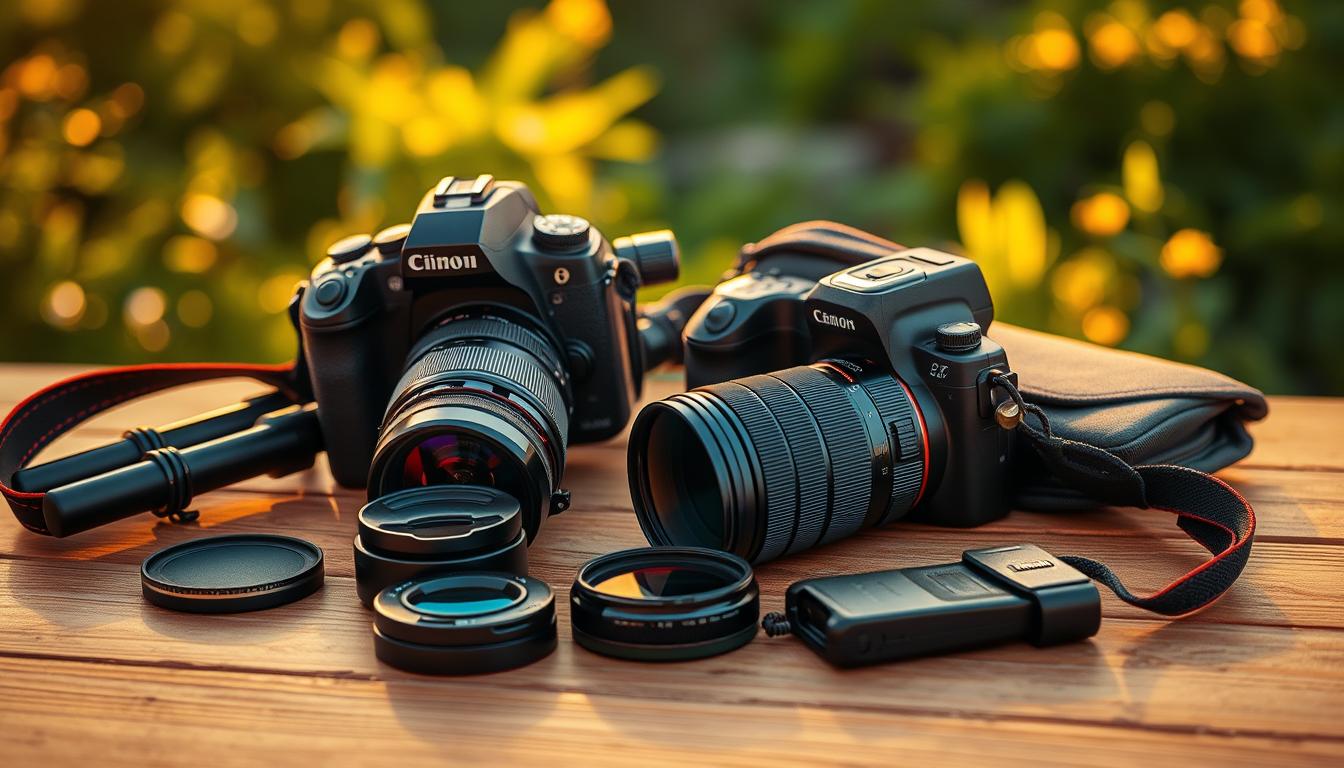
Each option has its pros and cons. Smartphones are lightweight and always accessible. DSLRs provide unmatched image quality and flexibility. Mirrorless cameras combine the best of both worlds, making them ideal for travelers.
Essential Accessories for Travel Photography
Beyond the camera, certain accessories can elevate your photography. A compact tripod ensures stability for long exposures or self-portraits. GoPros are perfect for action shots and underwater adventures. Waterproof phone cases protect your device in unpredictable conditions.
Insurance is another must-have. Stories of broken gear, like a damaged camera in Croatia, highlight the importance of protection. Providers like World Nomads offer coverage for theft and accidents. Always store your valuables in carry-on luggage to minimize risks.
- Compact tripods for steady shots.
- GoPros for action and underwater photography.
- Waterproof cases to protect your devices.
- Insurance for peace of mind.
With the right gear, you’re ready to capture stunning images on your next trip. A well-planned kit, like the Sony a6000 paired with 16mm and 50mm lenses, ensures you’re prepared for any moment.
2. Master the Basics of Composition
Composition is the backbone of any great photo, transforming ordinary shots into captivating visuals. It’s about arranging elements in a way that draws the viewer’s eye and tells a story. Whether you’re using a smartphone or a DSLR, understanding these principles can elevate your photography instantly.
The Rule of Thirds
One of the simplest yet most effective techniques is the Rule of Thirds. Imagine your frame divided into a 3×3 grid. Place your subject along these lines or at their intersections for a balanced and engaging shot. Most smartphones have gridline options in their camera settings—activate them to guide your composition.
For example, when photographing a landscape, position the horizon along the top or bottom gridline. This creates a sense of balance and avoids splitting the frame in half. The Rule of Thirds works wonders for portraits, architecture, and even candid shots.
Framing Your Shots
Framing adds depth and context to your photos. Use natural elements like arches, windows, or foliage to create a frame around your subject. In Mexico City, doorways and bridges often serve as perfect frames, adding layers to the image.
Another tip is to balance negative space. In landscape photography, leaving empty areas can emphasize the vastness of the scene. For instance, a photo of Burano, Italy, using symmetry and framing, can turn a simple street into a masterpiece.
| Composition Technique | Practical Application |
|---|---|
| Rule of Thirds | Align subjects with gridlines for balance. |
| Natural Framing | Use arches, windows, or foliage to frame your subject. |
| Negative Space | Leave empty areas to emphasize the main subject. |
| Avoid Clutter | Simplify backgrounds in crowded destinations. |
By mastering these basics, you can create photos that not only capture a moment but also tell a compelling story. Experiment with different angles and techniques to find your unique style.
3. Understand Lighting Techniques
Lighting can make or break your photos, and mastering it is key to stunning results. Whether you’re shooting landscapes or portraits, the right light can add depth, mood, and drama to your images. Timing is everything, and planning your shots around optimal lighting conditions ensures you capture the best moments.
Golden Hour Photography
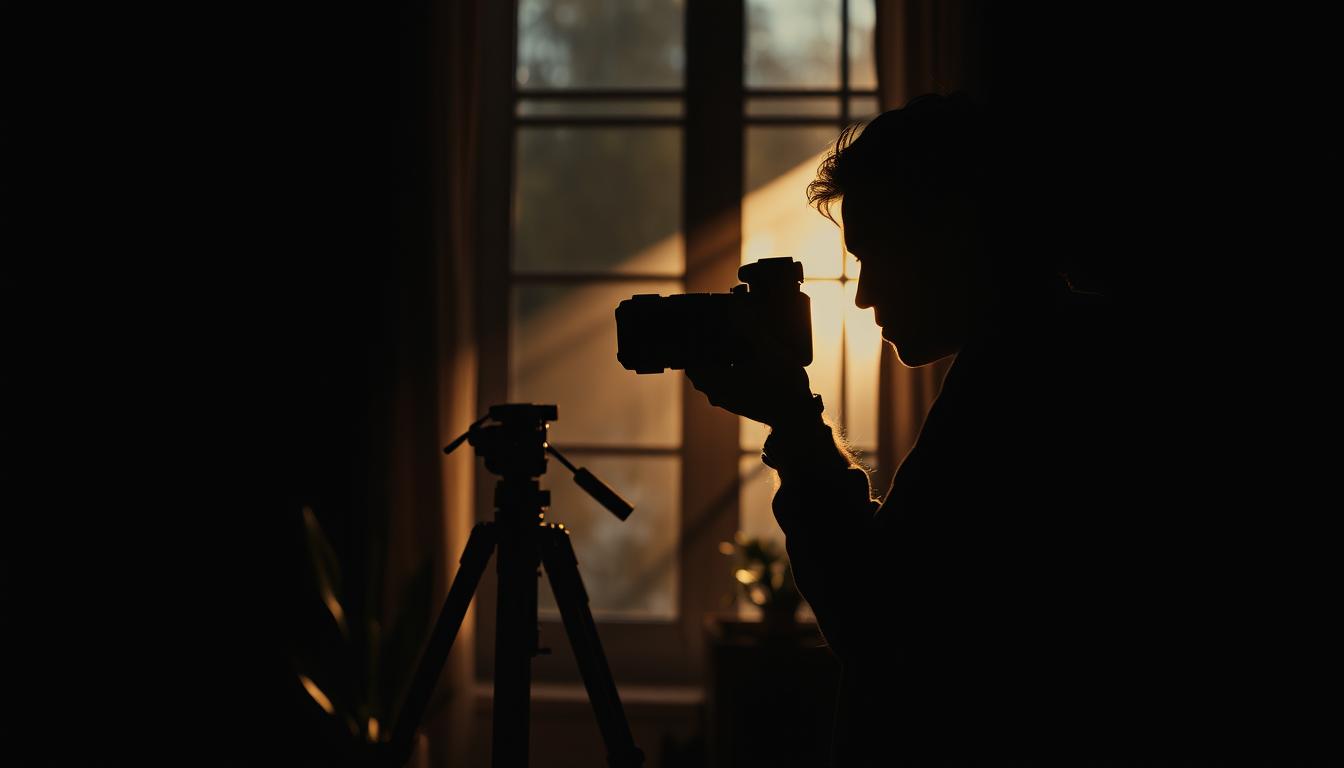
The golden hour, the hour after sunrise or before sunset, is a photographer’s dream. The soft, warm light creates a magical glow, perfect for landscapes and portraits. Plan your daily itinerary around these times to maximize your opportunities. For example, shooting in Morocco during this period can highlight the rich textures of the desert and architecture.
Use reflectors or white clothing to bounce light onto your subject, enhancing their features. Silhouette techniques work beautifully during this time, especially with strong backlighting. Experiment with angles to capture the full effect of this natural phenomenon.
Shooting in Harsh Light
Midday harsh light can be challenging, but it’s not impossible to work with. Seek open shade for portraits to avoid unflattering shadows. Use the strong light to your advantage by creating intentional lens flares or capturing vibrant colors. In crowded destinations, simplify your background to avoid clutter and distractions.
For landscapes, use shadows creatively to add contrast and depth. A well-placed shadow can turn an ordinary scene into a striking composition. Remember, every lighting condition offers unique opportunities to tell your story.
- Plan your day around sunrise and sunset times for optimal lighting.
- Use reflectors or white clothing to enhance natural light.
- Experiment with silhouettes and backlighting for dramatic effects.
- Seek open shade for midday portraits to avoid harsh shadows.
- Use lens flare intentionally to add artistic elements to your shots.
4. Capture the Essence of Your Destination
Every destination has a story waiting to be told through your lens. From iconic landmarks to vibrant street life, your photos can reveal the soul of a place. Focus on the details that make each location unique, and let your creativity shine.
Photographing Landmarks
Iconic landmarks are often the first thing we think of when documenting a place. However, avoid clichéd shots by exploring unique angles. Instead of a wide-angle view of the Eiffel Tower, zoom in on its intricate ironwork or capture its reflection in a puddle.
In Chefchaouen, Morocco, focus on the textures of the blue walls rather than the entire scene. This approach adds depth and personality to your photos. Use architectural elements like doors, tiles, or patterns to highlight the character of a landmark.
Documenting Local Culture
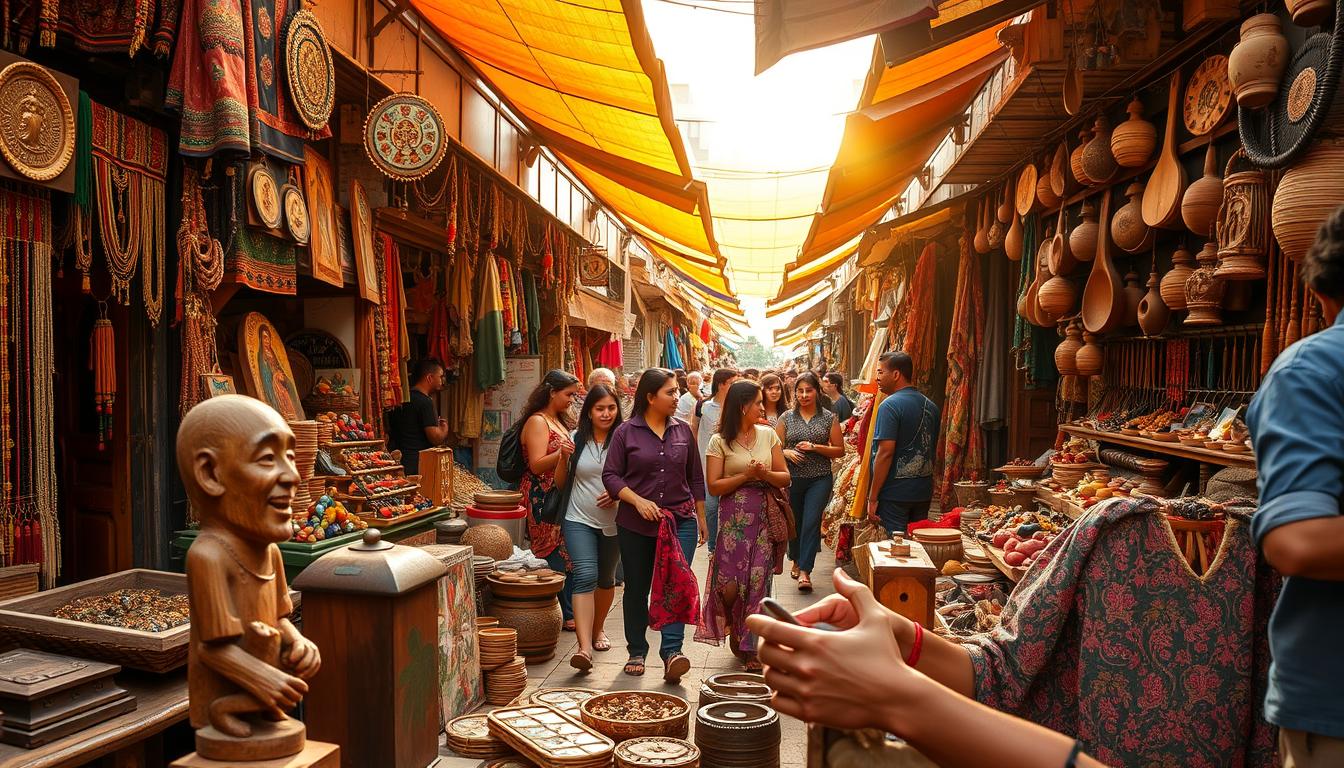
To truly capture the essence of a destination, immerse yourself in its local culture. Markets, street life, and everyday interactions offer endless opportunities for storytelling. In Cuba, portraits of taxi drivers with their permission can reveal the heart of the community.
Local guides are invaluable for uncovering hidden gems. In Havana, they can lead you to backstreets filled with vibrant murals and authentic moments. These experiences add richness to your photo collection and create a deeper connection to the place.
- Avoid postcard clichés by focusing on unique perspectives.
- Highlight architectural details like doors, tiles, and patterns.
- Use ethnographic approaches to capture street life and markets.
- Seek permission for portraits to document local culture authentically.
- Collaborate with local guides to discover hidden gems.
| Technique | Application |
|---|---|
| Unique Angles | Capture landmarks from unexpected perspectives. |
| Cultural Immersion | Document markets, street life, and local interactions. |
| Portraits | Seek permission for candid and authentic shots. |
| Hidden Gems | Use local guides to explore lesser-known areas. |
5. Tell a Story Through Your Photos
Every photo has the power to narrate a unique tale, weaving together the essence of your journey. Whether it’s a single image or a series, your shots can create a visual arc that takes viewers on an adventure. Think of your photos as chapters in a book, each one contributing to the overall story.
Sequential Storytelling
Creating a sequence of images helps build a narrative. Start with an arrival shot, move through exploration, and end with a departure. For example, document a journey along winding Irish roads, capturing the changing landscapes and emotions along the way.
Include elements like train tickets or maps to add context. These small details enrich the experience and make your story more immersive. A series of photos from a Sri Lankan tea plantation, showing workers in action, can tell a compelling tale of tradition and craftsmanship.
Capturing Candid Moments
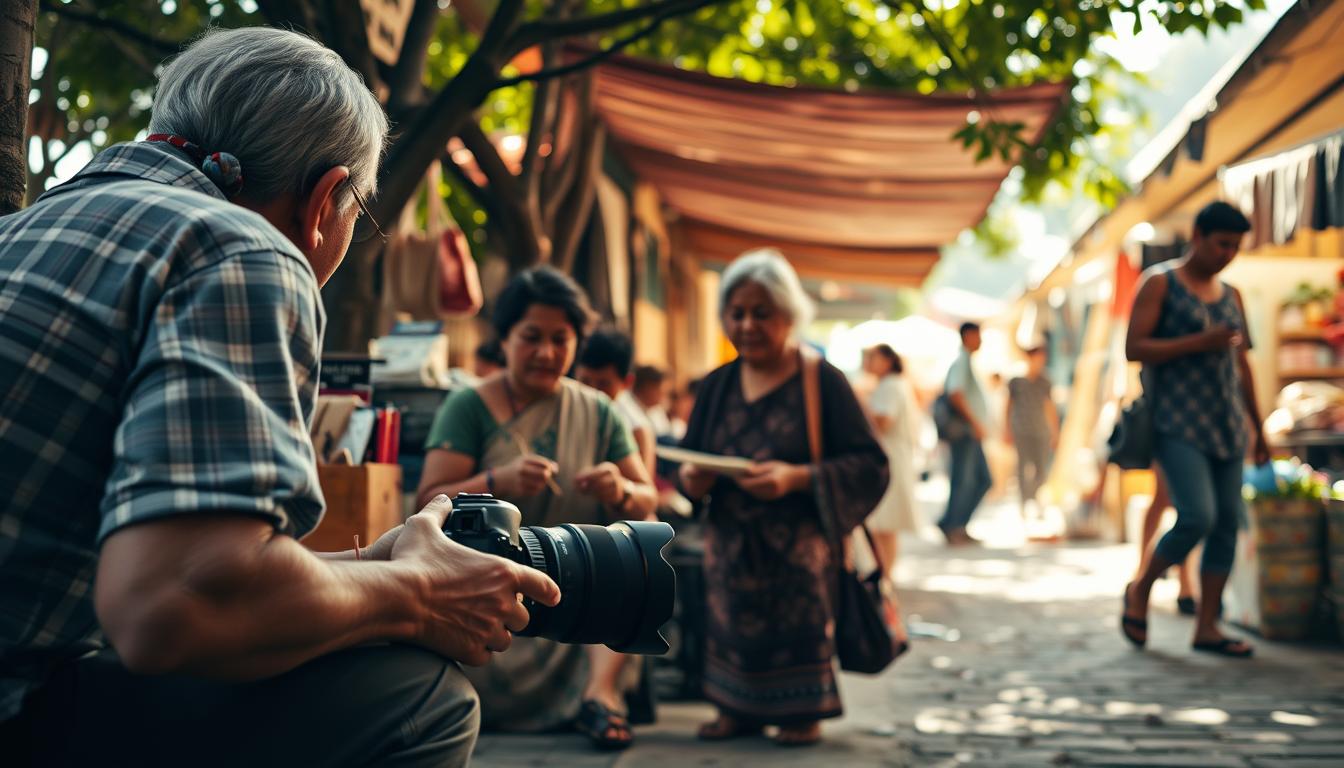
Candid photography brings authenticity to your story. Use techniques like burst mode or silent shutter to capture natural moments without interrupting the scene. These spontaneous shots often reveal the true spirit of a place.
Balance posed and candid shots to create variety. While posed photos can be artistic, candid ones add a layer of realism. Together, they form a complete visual narrative that resonates with viewers.
- Create visual arcs: arrival → exploration → departure.
- Use burst mode and silent shutter for candid shots.
- Include journey elements like tickets or maps.
- Example: Documenting Sri Lankan tea plantation workers.
- Balance posed and spontaneous shots for variety.
6. How to Take Travel Photos That Don’t Suck
Improving your photography skills doesn’t require a professional setup—just a few smart strategies. Focus on quality over quantity. Instead of snapping dozens of rushed shots, aim for five well-composed images that truly capture the moment. This approach ensures your photos stand out and tell a story.
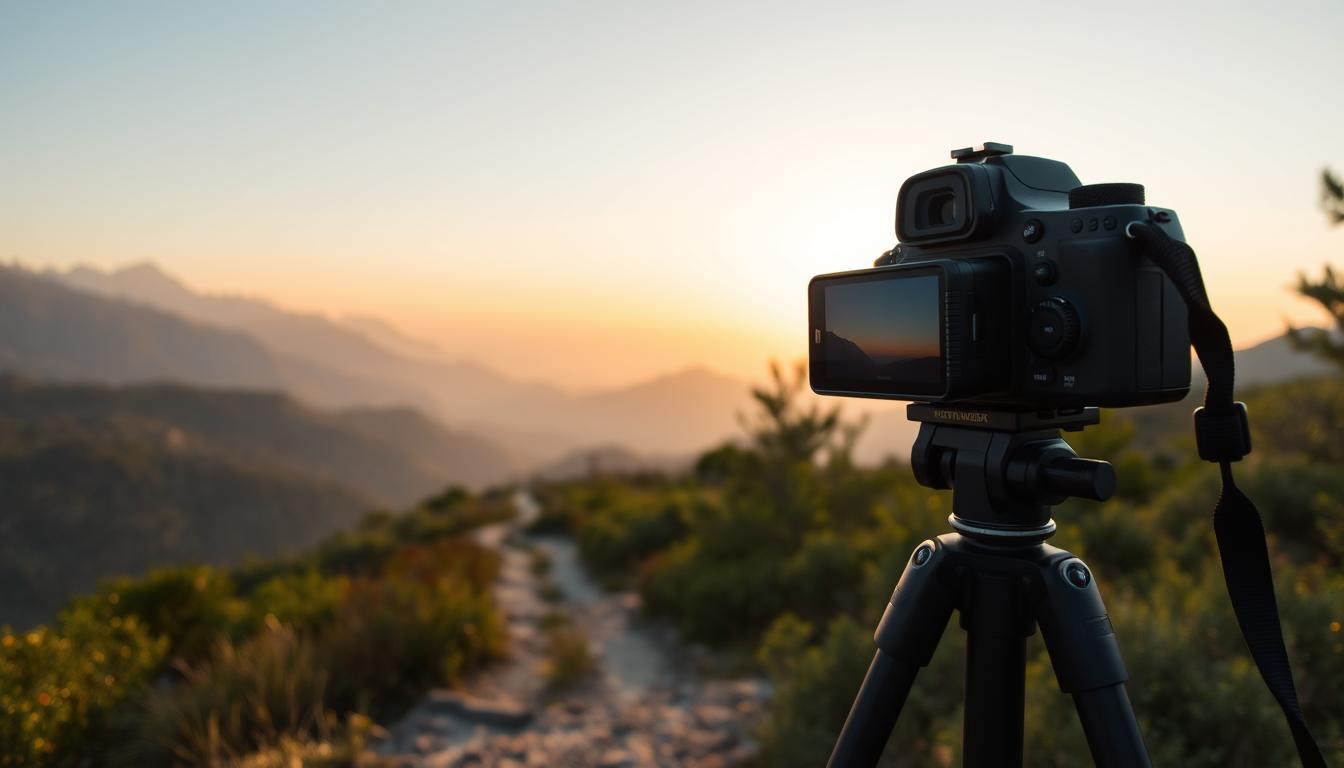
Mastering the 80/20 rule can make a huge difference. Spend 80% of your effort on composition and lighting, and only 20% on gear. A simple smartphone can produce stunning results when used correctly. Experiment with angles and natural light to enhance your shots.
Editing is another game-changer. Use tools like Lightroom presets for a quick and efficient workflow. Avoid over-filtering—subtle adjustments often yield the best results. For social media, optimize your images by cropping and adjusting brightness to make them pop without losing authenticity.
Be mindful of common pitfalls. Avoid distorted perspectives by keeping your camera level. Simplify busy backgrounds to keep the focus on your subject. These small tweaks can elevate your photos instantly.
Practice makes perfect. Test your skills in your hometown before your trip. Familiarize yourself with your gear and experiment with different settings. This preparation will boost your confidence and help you capture better images on the go.
- Prioritize quality over quantity for impactful shots.
- Focus on composition and lighting for better results.
- Use quick editing workflows to enhance your photos.
- Optimize for social media without over-filtering.
- Avoid common mistakes like distorted perspectives.
- Practice in familiar locations to refine your skills.
7. Edit Like a Pro
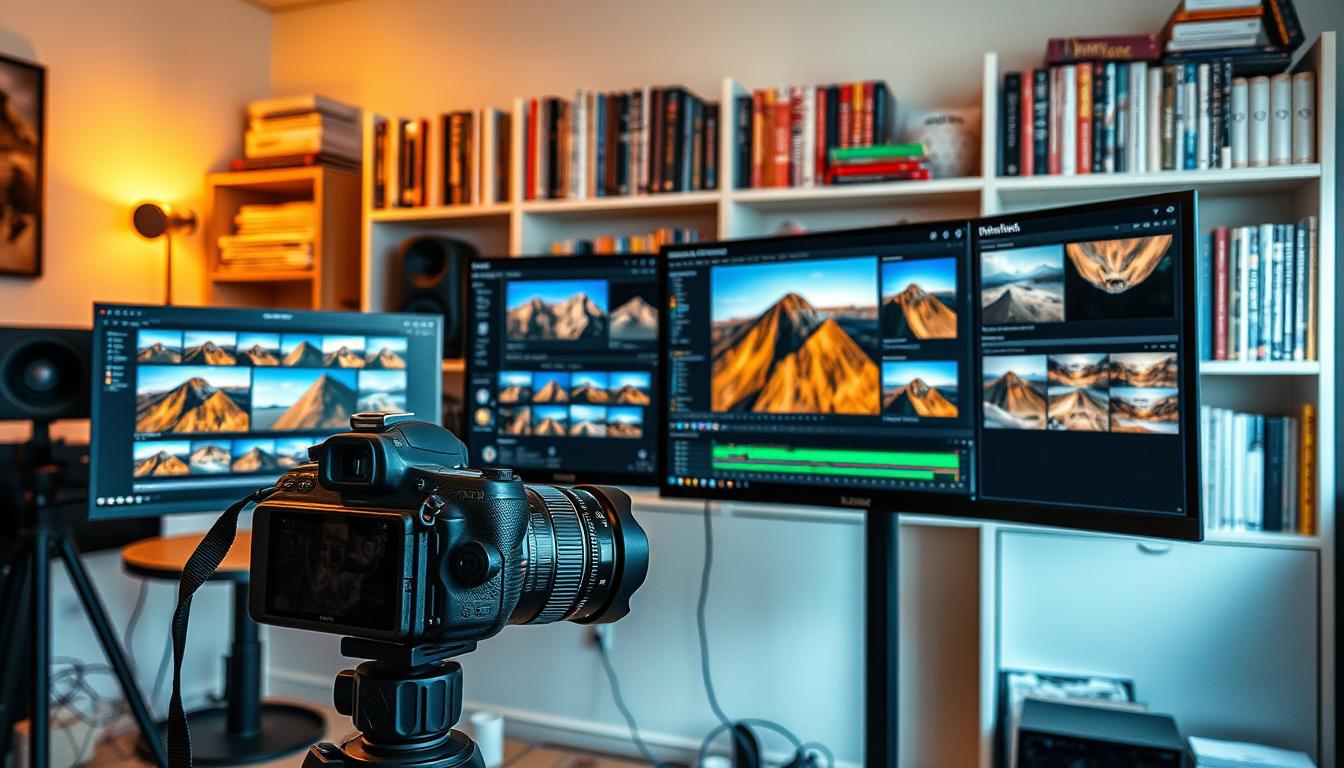
Post-processing is where your photos truly come to life. Even the best shots often need subtle adjustments to reach their full potential. With the right techniques, you can enhance colors, correct lighting, and create a cohesive look across all your images.
Basic Editing Techniques
Start with essential adjustments like exposure, contrast, and saturation. These three elements form the foundation of good editing. Brighten shadows slightly to reveal details without losing the natural feel of your shot.
Cropping can dramatically improve composition. Remove distracting elements by tightening the frame. For mobile editing, Snapseed offers powerful tools without Instagram’s quality loss. Its selective adjustment feature lets you enhance specific areas.
| Editing Task | Recommended Tool |
|---|---|
| Exposure Correction | Lightroom Mobile |
| Color Grading | VSCO Presets |
| Object Removal | TouchRetouch |
| Skin Smoothing | Facetune (subtle use) |
Using Editing Software
Lightroom remains the gold standard for photographers. Its mobile version allows you to create custom presets that match your style. Save these settings to apply consistent edits across multiple photos with one click.
For advanced retouching, learn to use healing brushes. They can remove unwanted objects or blemishes while preserving natural textures. Always keep original files before making permanent changes.
Export settings matter as much as editing. Use higher quality JPEGs (90-100%) for print and optimized versions (70-80%) for digital sharing. This balance maintains quality while keeping file sizes manageable.
- Master the histogram to understand tonal distribution
- Use gradient filters for balanced landscape edits
- Experiment with black & white conversions for dramatic effects
- Save different versions for various platforms
- Backup your edited files in multiple locations
8. Focus on Details
The smallest details often tell the most compelling stories. From the intricate weave of a Moroccan rug to the delicate garnishes on Thai street food, these elements add depth and personality to your photos. By focusing on the often-overlooked, you can create images that resonate with viewers on a deeper level.
Macro Photography
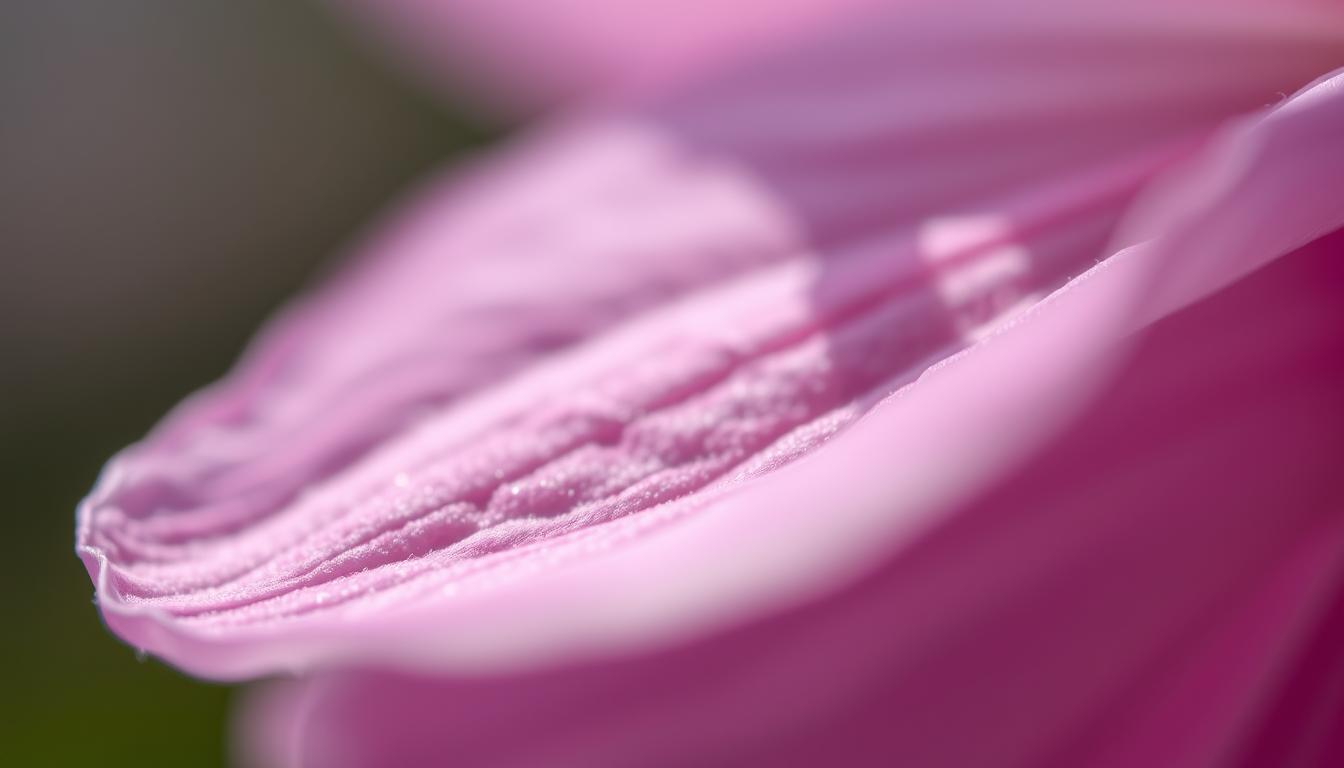
Macro photography allows you to explore the world up close, revealing textures and patterns invisible to the naked eye. A compact macro lens is a great tool for capturing these details. Use natural light to enhance the depth of textures, and experiment with focus stacking to ensure every element is sharp and clear.
Capturing Textures and Patterns
Textures and patterns are everywhere—from the worn pages of a passport to the vibrant designs of local crafts. These elements can tell stories about culture, history, and daily life. For example, photographing the dew on Irish grass after a rainstorm can highlight the beauty of nature’s details.
- Invest in a compact macro lens for versatile close-up shots.
- Use natural light to emphasize texture depth.
- Experiment with focus stacking for sharp, detailed images.
- Document local crafts and everyday objects for storytelling.
- Case study: Capture the intricate details of Moroccan rugs or Thai street food garnishes.
By paying attention to the details, you can transform ordinary scenes into extraordinary visual narratives. Whether it’s the texture of a wall or the pattern of a fabric, these elements add richness and authenticity to your photography.
9. Experiment with Angles and Perspectives
Exploring new angles can transform your photography into something extraordinary. Changing your perspective can bring fresh life to your travel images. Whether it’s shooting from the ground or capturing a bird’s eye view, these techniques add depth and intrigue to your shots.
Low-Angle Shots
Low-angle shots add drama and grandeur to your photos. By positioning your camera close to the ground, you can emphasize the height and scale of your subject. For example, capturing a mosque from this angle highlights its architectural beauty and creates a sense of awe.
Use smartphone attachment lenses for unique points of view. Knee pads can make shooting from low angles more comfortable, especially for architectural photography. Reflections in puddles or water bodies can also enhance these shots, adding a creative twist.
Bird’s Eye View
A bird’s eye view offers a fresh perspective, showcasing scenes from above. Observation decks in places like Dubai provide stunning opportunities for this technique. Drones are another great tool, but always research local regulations before flying.
When shooting from elevated positions, conduct a risk assessment to ensure safety. This approach works well for capturing expansive landscapes or bustling cityscapes. It’s a great way to tell a story from a different vantage point.
| Technique | Tips |
|---|---|
| Low-Angle Shots | Use reflections, smartphone lenses, and knee pads for comfort. |
| Bird’s Eye View | Research drone regulations and prioritize safety. |
Experimenting with angles and perspectives unlocks new creative possibilities. Whether you’re shooting from the ground or the sky, these techniques can elevate your photography and make your images stand out.
10. Incorporate People into Your Shots
People add life and authenticity to your travel photos, making them more engaging and memorable. Whether it’s a portrait of a local artisan or a group photo with friends, including individuals in your shots can transform a simple image into a powerful story. Ethical practices are essential when photographing people, ensuring respect and mutual understanding.
Portraits of Locals
Capturing portraits of locals offers a glimpse into the culture and personality of a place. Always seek consent before taking a photo, especially in developing nations. A simple phrase in the local language, like “May I take your photo?” can go a long way. Offering prints to your subjects is a thoughtful gesture that fosters goodwill.
Environmental portraiture is a great technique. Place your subject in their natural setting, like a Cuban cigar roller at work. This approach tells a story about their life and craft. Use natural light to enhance the mood and keep the focus on their expression.
Group Photos with Friends
Group photos are a fun way to document shared experiences. Use a timer or remote shutter to include everyone in the shot. Experiment with different poses and angles to make the photo more dynamic. Candid moments often capture the best emotions, so don’t be afraid to let the interaction flow naturally.
For larger groups, arrange people in layers to avoid a flat composition. Place taller individuals at the back and shorter ones in front. This creates depth and ensures everyone is visible.
- Always seek consent when photographing people.
- Use environmental portraiture to tell a story.
- Offer prints to subjects in developing nations.
- Experiment with poses and angles for group photos.
- Capture candid moments for authentic emotions.
| Ethical Practice | Application |
|---|---|
| Seek Consent | Ask permission before taking photos of individuals. |
| Cultural Sensitivity | Use basic local phrases to communicate your intent. |
| Offer Prints | Provide physical copies of photos to subjects. |
| Respect Privacy | Avoid photographing people in vulnerable situations. |
By incorporating people into your shots, you create photos that are not only visually appealing but also rich in meaning. Whether it’s a portrait or a group photo, these images become lasting memories of your journey.
11. Use Natural Elements to Enhance Your Photos
Nature offers endless opportunities to elevate your photography. By incorporating elements like water, shadows, and silhouettes, you can create dramatic and memorable images. These natural features add depth, emotion, and a unique perspective to your shots.
Incorporating Water and Reflections
Water is a versatile element that can transform your photos. From serene lakes to cascading waterfalls, it adds movement and texture. Use a polarizing filter to reduce glare and enhance colors, especially in bright conditions.
Reflections are another powerful tool. Capture the mirrored image of a cityscape in a puddle or the rippling surface of a lake. For example, Croatia’s Krka Falls is a stunning location to practice reflection techniques. The interplay of light and water creates a mesmerizing effect.
- Use polarizing filters to reduce glare and enhance colors.
- Experiment with puddle reflections for creative cityscapes.
- Combine sand and water textures for unique compositions.
Using Shadows and Silhouettes
Shadows and silhouettes add drama and mystery to your photos. During midday, Moroccan shadow play can create striking patterns on walls and streets. Position your subject to cast long, defined shadows for a captivating effect.
Silhouettes are best captured during the golden hour. Position your subject against a bright background, like a sunset, to create a bold outline. For instance, the sunset shadows at Bali’s temples offer a perfect setting for this technique.
| Technique | Application |
|---|---|
| Shadows | Use midday light for dramatic patterns. |
| Silhouettes | Shoot during golden hour for bold outlines. |
By leveraging natural elements, you can create photos that stand out and tell a story. Whether it’s the shimmer of water or the play of shadows, these techniques add a unique touch to your photography.
12. Plan Your Shots in Advance
Planning your photography sessions can significantly improve the quality of your travel images. A well-organized approach ensures you capture the best moments and make the most of your time. By focusing on locations and timing, you can create stunning photos that tell a story.
Scouting Locations
Researching your destination beforehand is crucial. Use tools like Google Earth for virtual scouting to identify potential photo spots. Check local event calendars for cultural events that offer unique locations and vibrant scenes. For example, Santorini’s sunrise spots are often crowded, but early planning helps you avoid the rush.
Airbnb Experiences photo walks are another great resource. Local guides can take you to hidden gems and provide insights into the best angles. Always check if permits are required for restricted areas to avoid last-minute issues.
Timing Your Shoots
Timing is everything in photography. The golden hour—just after sunrise or before sunset—offers the best natural light. Use apps like PhotoPills to track the sun’s position and plan your shoots accordingly. This ensures you capture the perfect lighting for your images.
Weather apps like Windy or AccuWeather are essential for planning. They help you avoid unfavorable conditions and make the most of clear skies. For instance, shooting during a storm can create dramatic effects, but only if you’re prepared.
- Use Google Earth for virtual scouting of locations.
- Check local event calendars for cultural shots.
- Track the sun’s position with PhotoPills for optimal timing.
- Monitor weather conditions with apps like Windy or AccuWeather.
- Secure permits for restricted areas in advance.
| Tool | Purpose |
|---|---|
| Google Earth | Virtual scouting of photo spots |
| PhotoPills | Track sun position for golden hour |
| Windy/AccuWeather | Monitor weather conditions |
| Airbnb Experiences | Guided photo walks |
By planning your shots in advance, you can focus on creativity and storytelling. Whether it’s scouting locations or timing your shoots, preparation is the key to capturing unforgettable travel images.
13. Stay Present While Shooting
Capturing moments while staying fully immersed in your journey is an art. It’s easy to get caught up in snapping pictures and forget to truly experience the destination. Finding the right balance ensures you create meaningful memories without sacrificing the joy of travel.
Limiting camera time to 20% of your day can help. This allows you to focus on being present and absorbing the sights, sounds, and emotions around you. Supplement your photos with audio journaling to capture thoughts and feelings that a camera can’t.
Balancing Photography and Experience
Designate camera-free days to fully immerse yourself in the experience. Use these days to practice mindful observation exercises. Focus on the details—like the texture of a cobblestone street or the scent of local cuisine. These moments often become your most cherished memories.
Using a single prime lens can reduce gear fuss and keep you focused on the moment. For example, in Guatemala’s Tikal, one traveler chose to focus on a tiny bug instead of the grand temple. This unexpected shot became a favorite, reminding them of the beauty in small details.
Avoiding Over-Documentation
Over-documentation can distract from the joy of travel. Instead of snapping every scene, choose a few key moments to capture. This approach ensures your photos are intentional and meaningful.
- Practice memory consolidation techniques to retain details without relying solely on photos.
- Use mindful observation to enhance your connection to the destination.
- Limit gear to essentials, like a single prime lens, to stay focused.
By staying present, you’ll create a richer travel experience. Your photos will tell a story not just of the places you visited, but of the emotions and moments you truly lived.
Conclusion: Elevate Your Travel Photography Game
Your journey through photography is a continuous adventure, filled with opportunities to grow and refine your craft. By embracing new techniques and staying curious, you can elevate your skills and create images that truly resonate. Follow Sullivan & Sullivan Studios for advanced tips or join photo retreats to immerse yourself in creative environments.
Consider monthly photo challenges to push your boundaries. Print your favorite shots as postcards or compile them into thematic photo books. Sharing your knowledge through workshops not only helps others but also deepens your own understanding of the art.
For inspiration, look at the transformation of Havana from 2014 to 2024. The evolution of its streets and culture offers a powerful case study in capturing change over time. Let your photography be a tool to preserve memories and tell stories that last a lifetime.
FAQ
What’s the best camera for travel photography?
A lightweight DSLR or mirrorless camera like the Sony Alpha series or Canon EOS M50 is ideal. They offer great image quality without being bulky.
How can I improve my photo composition?
Use the rule of thirds, frame your subject naturally, and pay attention to the background. Experiment with angles to create dynamic shots.
When is the best time to shoot photos?
Golden hour—just after sunrise or before sunset—provides soft, warm light. Avoid harsh midday sun unless you’re creative with shadows.
How do I capture the essence of a place?
Focus on landmarks, local culture, and unique details. Look for textures, patterns, and candid moments that tell a story.
Should I edit my travel photos?
Yes! Basic edits like adjusting exposure, contrast, and cropping can enhance your images. Tools like Adobe Lightroom or Snapseed are great for beginners.
How can I make my photos stand out on social media?
Experiment with unique angles, incorporate people, and use natural elements like water or shadows. Avoid clichéd shots everyone else takes.
What’s the key to taking candid photos?
Be patient and observant. Use a zoom lens to capture moments without intruding, and always respect people’s privacy.
How do I balance photography with enjoying my trip?
Plan your shots in advance, but don’t over-document. Stay present and enjoy the experience—your photos will reflect that joy.
What’s the best way to photograph landmarks?
Arrive early to avoid crowds, and try different perspectives—low angles or wide shots—to make your images unique.
How can I incorporate people into my travel photos?
Include locals or friends in your shots to add life and context. Portraits and group photos can make your images more personal and engaging.