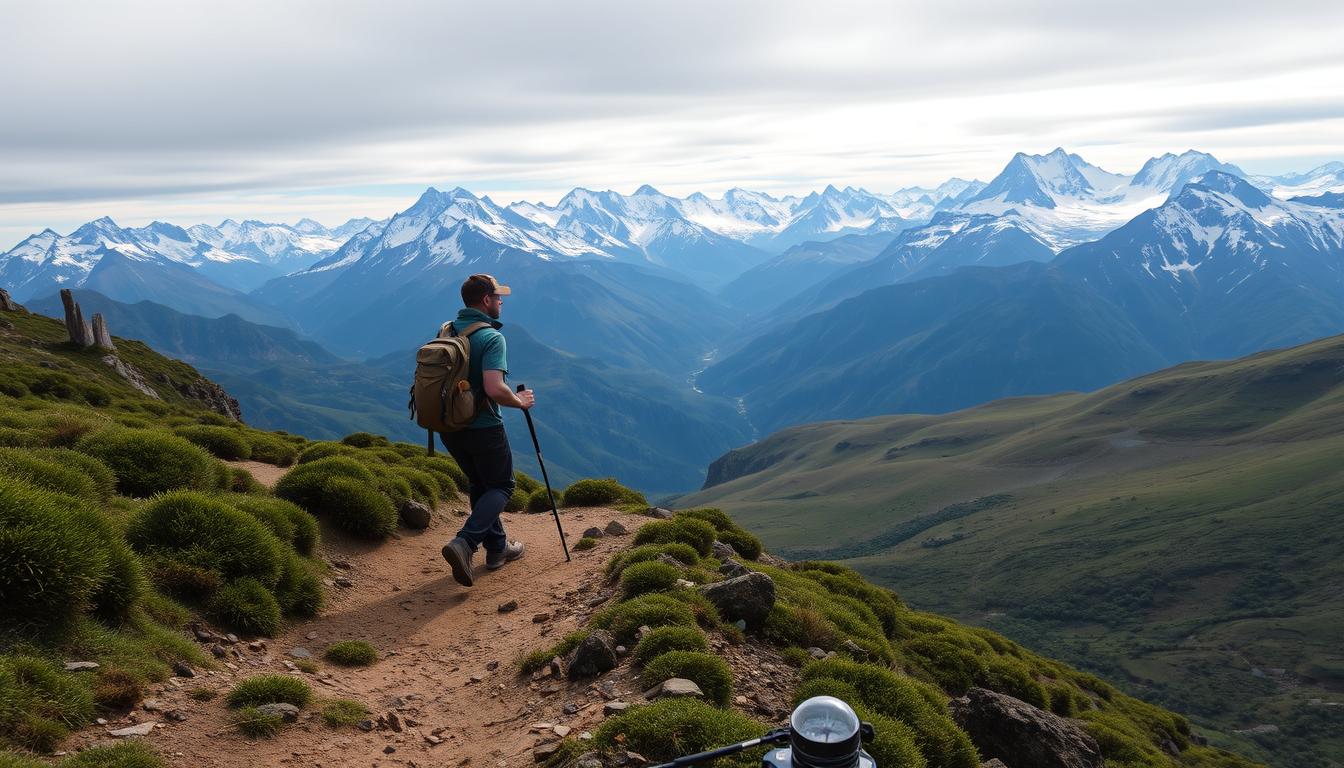
Did you know that over 2,000 hiking-related search and rescue incidents occur in the U.S. each year? Many of these could be avoided with proper preparation. My first solo hike in New Hampshire taught me this lesson in a way I’ll never forget.
Halfway through the trail, I encountered a bear. My heart raced, but thanks to thorough preparation, I stayed calm and followed safety protocols. That moment transformed my approach to solo adventures. It wasn’t just about the thrill; it was about being ready for anything.
Over the past decade, I’ve learned that preparation is the key to reducing nerves and staying safe. From gear checks to weather monitoring, every detail matters. Even with years of experience, I still prioritize safety practices on every trail.
This article shares practical advice from my journey, helping you feel empowered and confident on your next solo hike. Let’s dive into the essentials that can make all the difference.
Key Takeaways
- Preparation is crucial for reducing anxiety and staying safe on the trail.
- Always check your gear and monitor weather conditions before heading out.
- Wildlife encounters require calmness and adherence to safety protocols.
- Experience doesn’t eliminate the need for ongoing safety practices.
- Practical tips can transform your solo hiking experience.
1. Choose a Popular, Well-Marked Trail
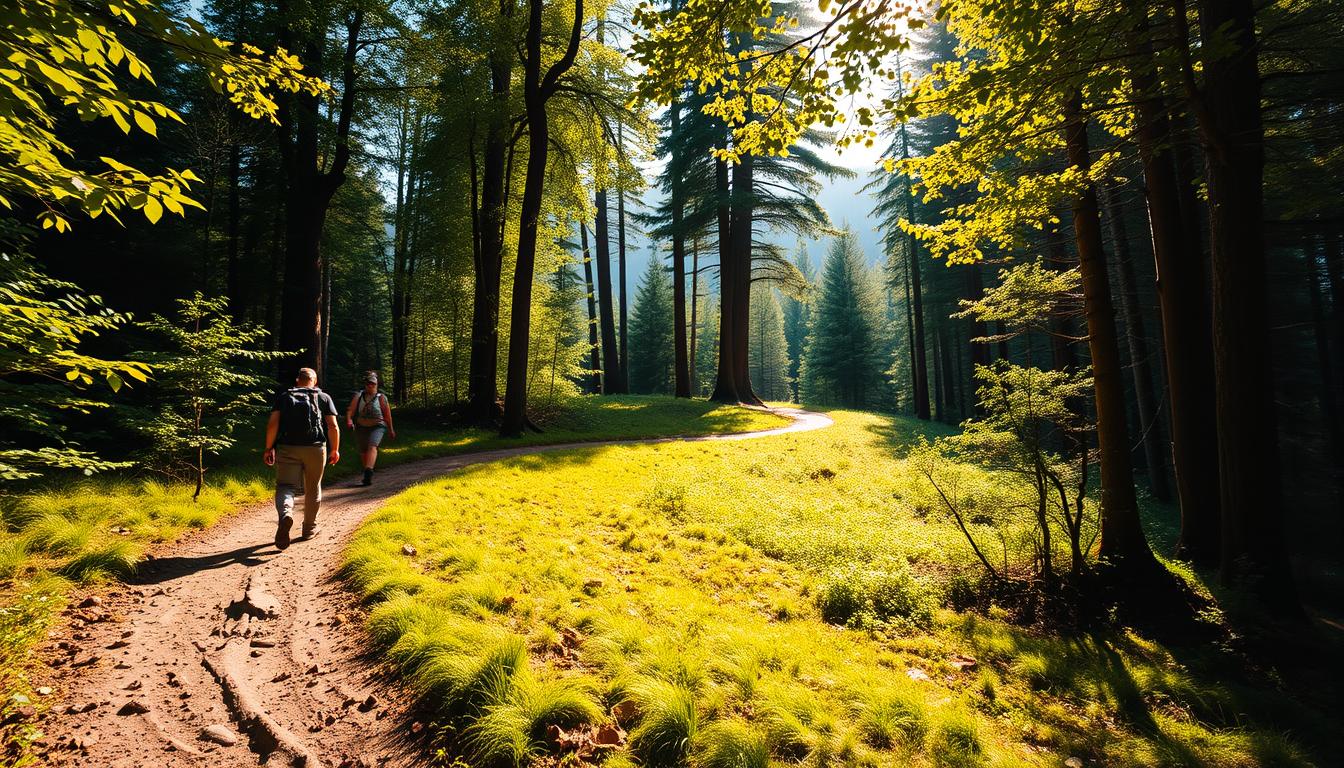
Popular trails offer more than just scenic views—they provide built-in safety features. Well-traveled routes mean quicker help in emergencies and better-maintained paths. For beginners, sticking to marked trails reduces navigation stress.
Why Popular Trails Are Safer
Safety in numbers isn’t just a saying. Frequent visitors mean more eyes on the trail, faster aid if needed, and fewer surprises. Crowded routes like New Hampshire’s 4,000 Footer List often have updated condition reports.
Maintenance crews prioritize popular paths. Fallen trees, washed-out bridges, or icy patches get reported and fixed faster. Less-traveled trails might leave you navigating obstacles alone.
How to Find Recent Trail Reports
Cross-reference at least three sources before heading out. Here’s a comparison of top resources:
| Resource | Best For | Limitations |
|---|---|---|
| AllTrails | Crowd-sourced updates | Delayed winter reports |
| New England Trail Conditions | Regional accuracy | Limited to Northeast |
| Facebook Groups | Real-time alerts | Unofficial data |
Seasonal changes matter. Fall foliage hikes differ from winter treks—check for snowpack or hunting seasons. Start with busy trails, then gradually explore quieter ones as your confidence grows.
Pro tip: Avoid obscure paths labeled “lightly used” until you’ve mastered navigation. Even experienced hikers stick to marked routes when exploring new areas.
2. Start Small and Work Your Way Up
Starting with manageable trails can set the foundation for a lifetime of outdoor adventures. When I began, my first route was just 1.8 miles with minimal elevation gain. This approach helped me build confidence and skills over time.

Beginner-Friendly Trails
What makes a trail “small”? It’s not just about distance. Consider elevation gain, technical difficulty, and accessibility. For example, a 2-mile loop with 300 feet of elevation is perfect for beginners. Here are some examples:
| Trail Name | Distance | Elevation Gain |
|---|---|---|
| Pine Grove Loop | 2 miles | 300 feet |
| Lakeview Trail | 1.5 miles | 200 feet |
| Sunset Ridge | 3 miles | 400 feet |
Building Confidence Over Time
Progressing gradually is essential. Over six months, I increased my distance from 2 miles to 10+ miles. Celebrating milestones, like my first solo summit, kept me motivated. Pairing with local hiking groups initially also helped me learn navigation and pack essentials.
Pro tip: Avoid jumping into long or technical routes too soon. Ego-driven decisions can lead to unnecessary risks. Instead, focus on building skills and enjoying the journey.
Here’s a simple checklist to assess readiness:
- Can you comfortably carry your pack for the planned distance?
- Are you familiar with basic navigation tools?
- Have you checked the weather and trail conditions?
Starting small isn’t just about safety—it’s about creating a positive experience that encourages you to keep exploring.
3. Share Your Hiking Plans with Someone
In 2019, I learned the hard way why sharing your itinerary is non-negotiable. I forgot to inform anyone about my route, and when I got lost, it took hours for help to arrive. Since then, I’ve made it a rule to always leave a detailed plan with trusted contacts.
What Information to Share
Your plan should include key details like the trailhead, route, summit targets, and timeline. For example, I always text three contacts before and after every hike. This way, if I don’t check in, they know something’s wrong.
Here’s a quick checklist of critical details to include:
- GPS coordinates of your starting point and destination.
- Bailout points in case you need to exit early.
- Estimated return time and communication cadence.
Why It’s Crucial for Safety
Sharing your plans isn’t just a precaution—it’s a lifeline. Emergency responders rely on this information to locate you quickly. In case of an accident or unexpected delay, having a detailed plan can make all the difference.
Pro tip: If you live alone, notify local ranger stations or use tech-enhanced options like Garmin inReach for automatic alerts. These things can save valuable time in emergencies.
“A well-marked map and a shared plan are the best ways to ensure rescuers can find you.”
Don’t underestimate the consequences of neglecting this step. A simple action like sharing your route can turn a potential disaster into a manageable situation. It’s the best way to stay safe and enjoy your adventure with peace of mind.
4. Use Technology to Share Your Location
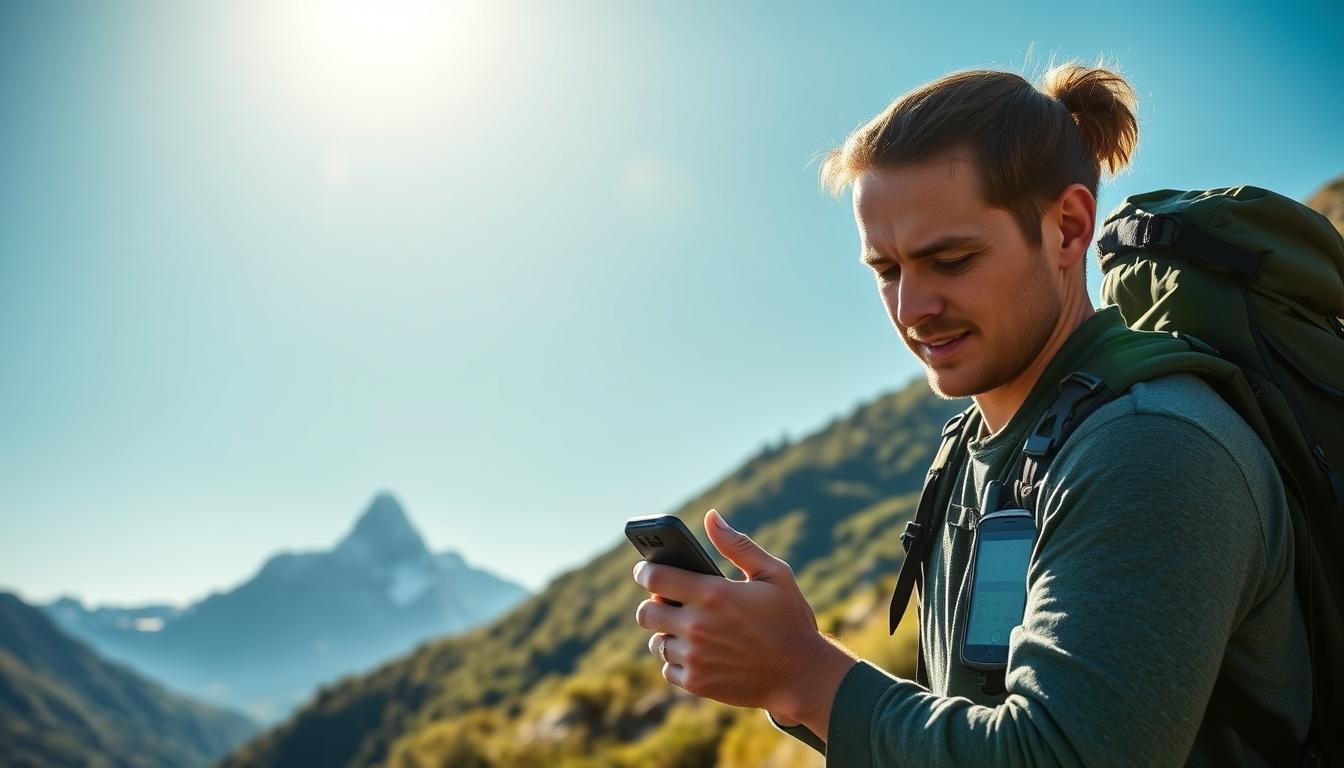
Technology has transformed the way we stay safe on the trail. With apps and devices designed for outdoor adventures, sharing your location is easier than ever. This step can be a lifesaver in case of emergencies or unexpected delays.
Google Maps and Garmin LiveTrack
Google Maps is a familiar tool for many, but did you know it can save your location offline? This feature is perfect for areas with no signal. For more advanced tracking, Garmin LiveTrack lets loved ones follow your progress in real time.
Setting up Garmin LiveTrack is simple. Open the Connect app, enable LiveTrack, and share the link with your contacts. During a 2021 whiteout, this feature helped rescuers locate me quickly. It’s a must-have for any serious adventurer.
AllTrails Live Share Feature
AllTrails is a favorite among hikers for its detailed maps and trail reviews. The Live Share feature takes it a step further. It allows you to share your exact location with friends or family, even in remote areas.
For those who love discounts, use the code nicholethenomad30 to unlock AllTrails+ features. This includes offline maps and real-time alerts. It’s a small investment for peace of mind on the trail.
Pro tip: Always carry a backup power source like a solar charger. Long hikes can drain your phone battery quickly, leaving you without access to these tools when you need them most.
“Real-time tracking isn’t just a convenience—it’s a safety net that can save lives.”
By leveraging these technologies, you can enjoy your adventure with confidence. Whether you’re exploring a new trail or revisiting a favorite, sharing your location is the smart way to stay safe.
5. Pack the 10 Essentials
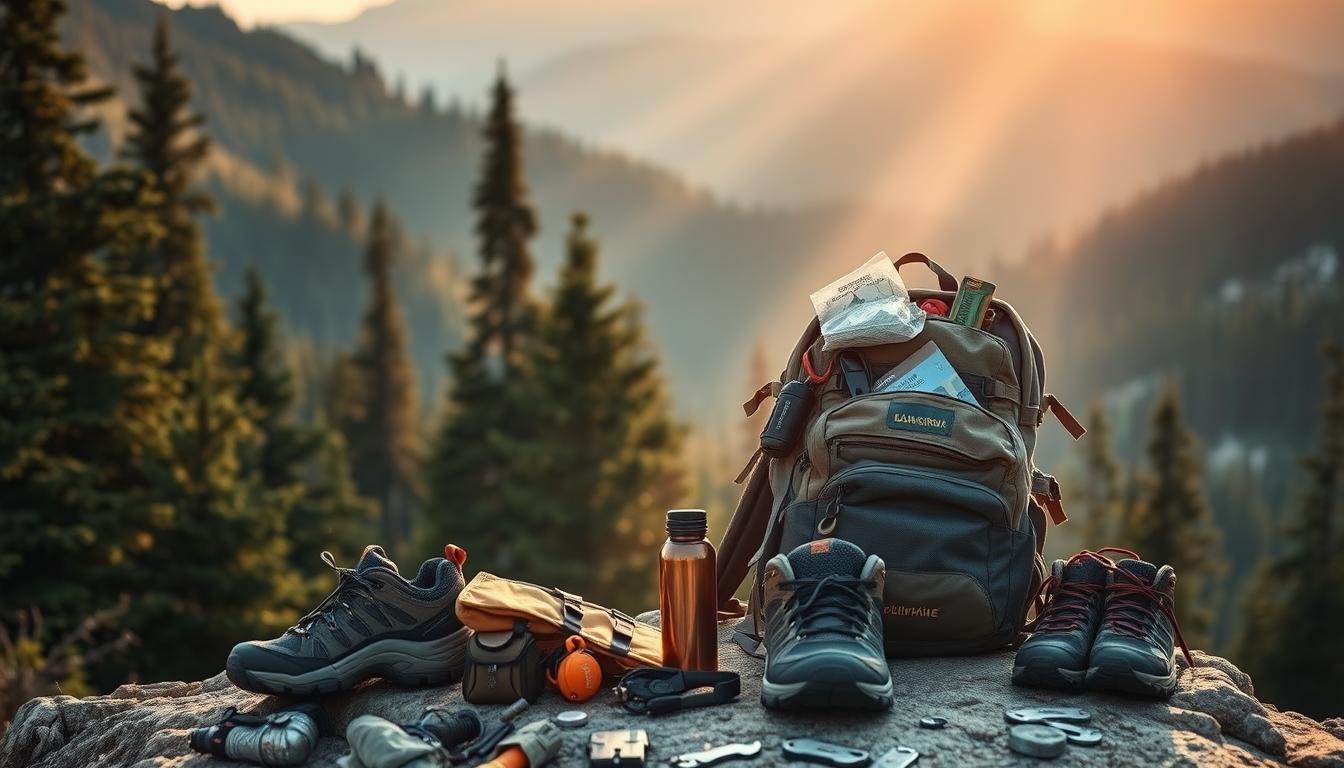
Packing the right gear can make or break your outdoor experience. The classic 10 essentials list has evolved over time, incorporating modern technology and practical innovations. Whether you’re planning a day hike or a multi-day trek, having the right items ensures you’re prepared for any situation.
What to Include in Your Pack
The traditional 10 essentials include navigation tools, sun protection, insulation, illumination, first-aid supplies, fire starters, repair kits, nutrition, hydration, and emergency shelter. Modern updates now include tech additions like GPS devices, portable chargers, and satellite communicators.
For example, after a hydration bladder failure on a remote trail, I learned the importance of carrying a backup water filter. Options like the SteriPen and Katadyn offer lightweight, efficient solutions for clean water. Here’s a comparison of popular water treatment methods:
| Method | Weight | Speed | Best For |
|---|---|---|---|
| SteriPen | 3.5 oz | 90 seconds | Quick treatments |
| Katadyn | 7 oz | 1 liter/minute | High-volume needs |
Bear spray is another critical item. Always position it in a front pouch for quick access. A personal story of a close encounter taught me the value of having it within arm’s reach.
Seasonal Gear Considerations
Your gear list should adapt to the season. In winter, add items like an avalanche transceiver, insulated layers, and traction devices. Summer hikes require lightweight clothing, extra sunscreen, and hydration systems.
Layering is key to staying comfortable. A base layer wicks moisture, a mid-layer provides insulation, and a shell protects against wind and rain. Here’s a simple layering system to follow:
- Base Layer: Moisture-wicking fabric like merino wool.
- Mid Layer: Fleece or down for warmth.
- Shell Layer: Waterproof and windproof jacket.
Budget-friendly options like a bandana can serve multiple purposes—use it as a sweatband, emergency signal, or even toilet paper. Premium gear, while more expensive, often offers better durability and performance.
Pro tip: Calculate calorie density for food to maximize energy without adding bulk. High-calorie snacks like nuts and dried fruit are perfect for long hikes.
By packing smart and adapting to the season, you’ll be ready for anything the trail throws your way. The right gear ensures safety, comfort, and confidence on every adventure.
6. Check the Weather and Trail Conditions
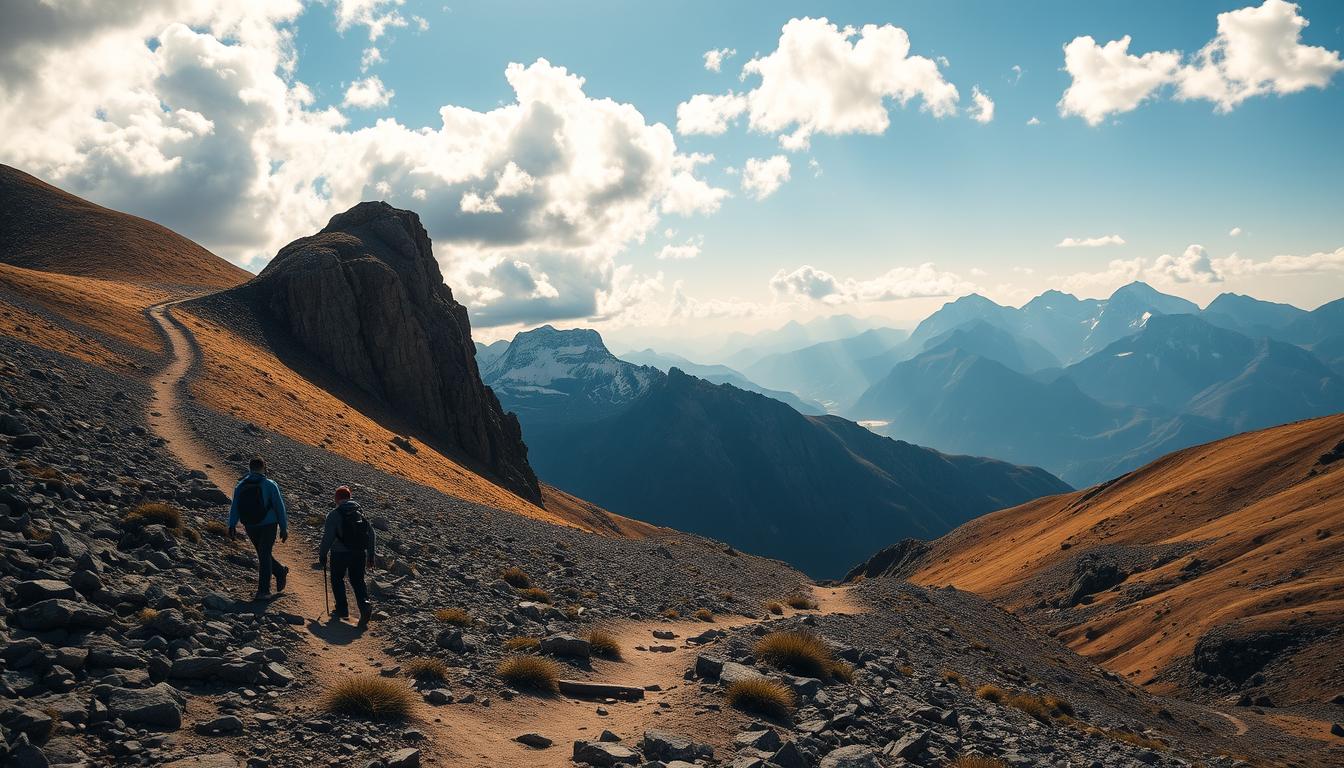
Understanding weather and trail conditions can make or break your outdoor experience. Accurate forecasts and detailed reports help you prepare for challenges like sudden storms or muddy paths. Ignoring these details can lead to dangerous situations, so it’s worth taking the time to research thoroughly.
How to Interpret Weather Forecasts
Weather forecasts can be tricky, especially in mountainous areas. Terms like wind chill and feels-like temperatures are crucial for understanding actual conditions. For example, a sunny day at the base might feel freezing at higher altitudes due to wind chill.
Regional resources like the Northwest Avalanche Center (NWAC) provide specialized forecasts for specific areas. Always check altitude-adjusted weather reports, as conditions can vary significantly between valleys and ridges. Microclimates, like those found near water bodies, can also impact your hike.
Here’s a 72-hour prep timeline to follow:
- 72 hours before: Check general forecasts for trends.
- 24 hours before: Review detailed reports and adjust plans if needed.
- Morning of: Confirm current conditions and pack accordingly.
Where to Find Trail Condition Reports
Trail conditions change with the seasons, so it’s essential to stay updated. Platforms like AllTrails offer crowd-sourced reports, while ranger stations provide official updates. Look for codes like mud scale or snow depth to gauge trail difficulty.
Free services like National Weather Service are reliable, but paid apps like Mountain Weather offer advanced features. AI-powered tools are also becoming popular for their accuracy and real-time updates.
Always contact local ranger stations for the latest information. They can provide insights on trail closures, wildlife activity, and other critical details. This step ensures you’re fully prepared for your adventure.
“A well-prepared hiker is a safe hiker. Always double-check weather and trail conditions before heading out.”
By taking these steps, you’ll minimize risks and enjoy your time outdoors with confidence. Whether it’s a short day hike or a multi-day trek, preparation is key to a successful adventure.
7. Research Local Wildlife
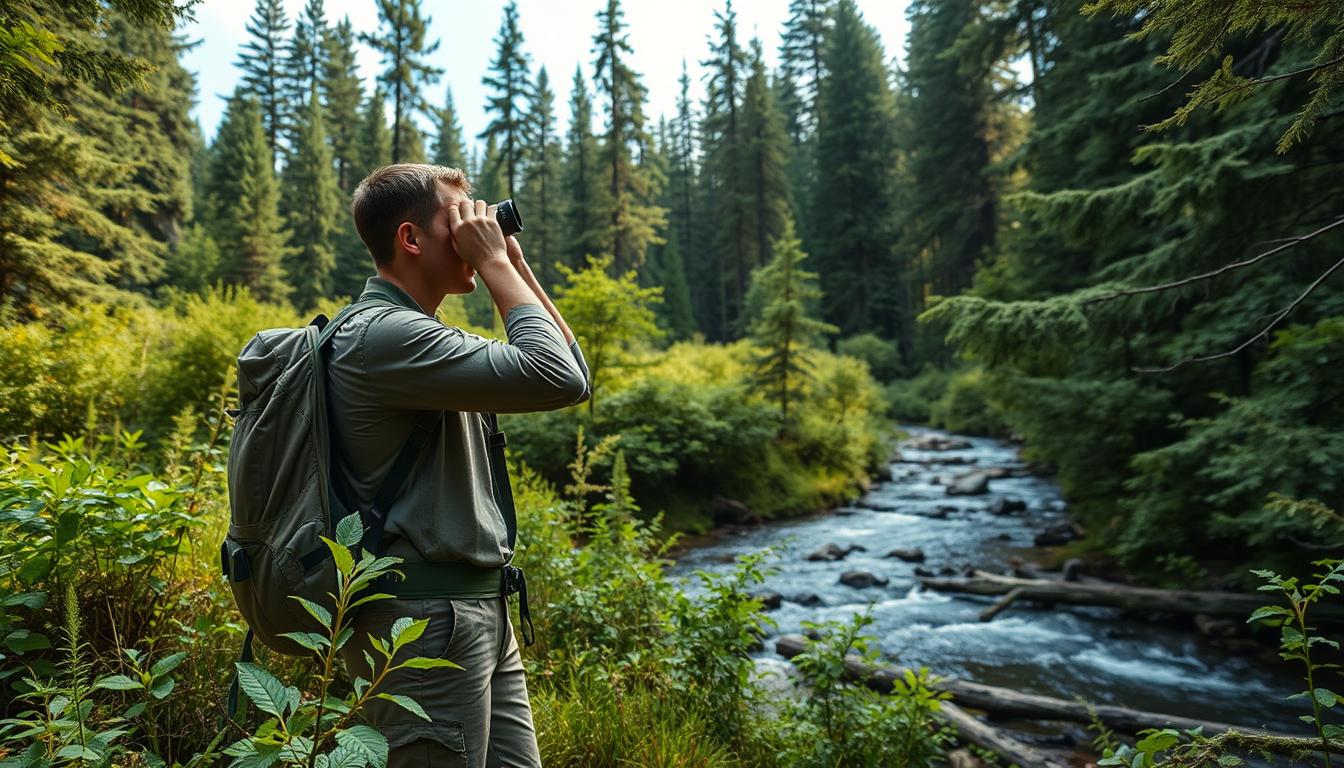
Encountering wildlife on the trail can be both thrilling and intimidating, but knowing how to react is crucial. From black bears to moose, understanding their behavior and having the right tools can ensure a safe and memorable experience.
Common Animals to Watch For
Different regions have unique wildlife. In the Northeast, black bears and moose are common, while the Rockies are home to grizzlies and cougars. Each species requires specific precautions. For example, moose often charge sideways, while bears may bluff charge to intimidate.
Seasonal behavior changes also matter. During mating seasons, animals like elk and deer can be more aggressive. Always check regional wildlife guides before heading out to understand what you might encounter.
How to Handle Wildlife Encounters
Knowing how to react can prevent dangerous situations. For black bears, make yourself look larger and speak firmly. For grizzlies, playing dead is often the best strategy. Moose, on the other hand, may respond better to backing away slowly.
Carrying bear spray is essential. Studies show it’s effective in 90% of encounters when used correctly. Aim slightly downward and deploy it in short bursts. Here’s a comparison of popular brands:
| Brand | Range | Duration |
|---|---|---|
| UDAP | 30 feet | 7 seconds |
| Counter Assault | 35 feet | 9 seconds |
Other deterrents, like umbrellas for cougars or sound frequency devices, can also be effective. Always maintain a safe distance when photographing wildlife—use a zoom lens instead of approaching too closely.
“Wildlife encounters are unpredictable, but preparation and knowledge can turn a potential threat into a safe and awe-inspiring moment.”
After an encounter, report it to local authorities. This helps track animal behavior and ensures the safety of others on the trail. By staying informed and prepared, you can enjoy the beauty of nature without unnecessary risks.
8. Listen to Your Gut
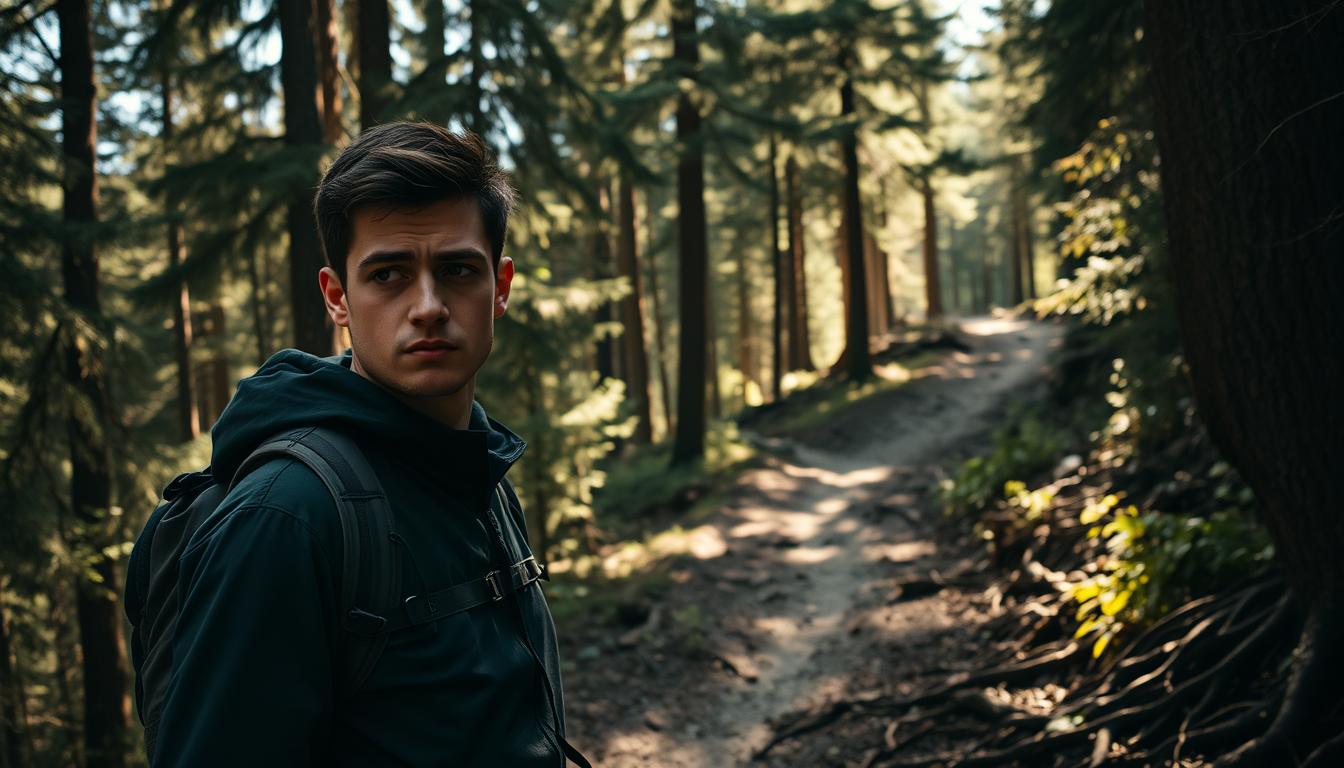
Your gut feeling can be a powerful guide on the trail, often signaling when it’s time to turn back. In 2022, I aborted a hike due to unexplained anxiety. Later, I discovered mudslides had occurred on that very trail. This experience reinforced the importance of trusting my instincts.
When to Turn Around
Fear and intuition are different. Fear often stems from uncertainty, while intuition is your brain processing subtle cues. Neurologically, your gut feeling is linked to the enteric nervous system, which communicates with your brain. When something feels off, it’s worth pausing to assess the situation.
Here’s a simple decision-making flowchart to follow:
- Pause and take a deep breath.
- Ask yourself: Is this fear or intuition?
- Evaluate the situation objectively.
- If in doubt, turn back.
Trusting Your Instincts
Body awareness techniques, like checking your breathing and heart rate, can help you tune into your instincts. For example, shallow breathing or a racing heart might signal danger. In group hikes, peer pressure can cloud judgment, but solo adventures allow you to act on your gut without hesitation.
Famous rescues, like the case of Aron Ralston, highlight the importance of intuition. Biometric feedback devices, such as heart rate monitors, can also provide objective data to support your decisions.
“Turning back isn’t failure—it’s a sign of wisdom and self-awareness.”
Normalize turning around as a success metric. Whether it’s due to weather, fatigue, or a gut feeling, prioritizing safety ensures you’ll have many more adventures ahead.
9. Stay Aware of Your Surroundings
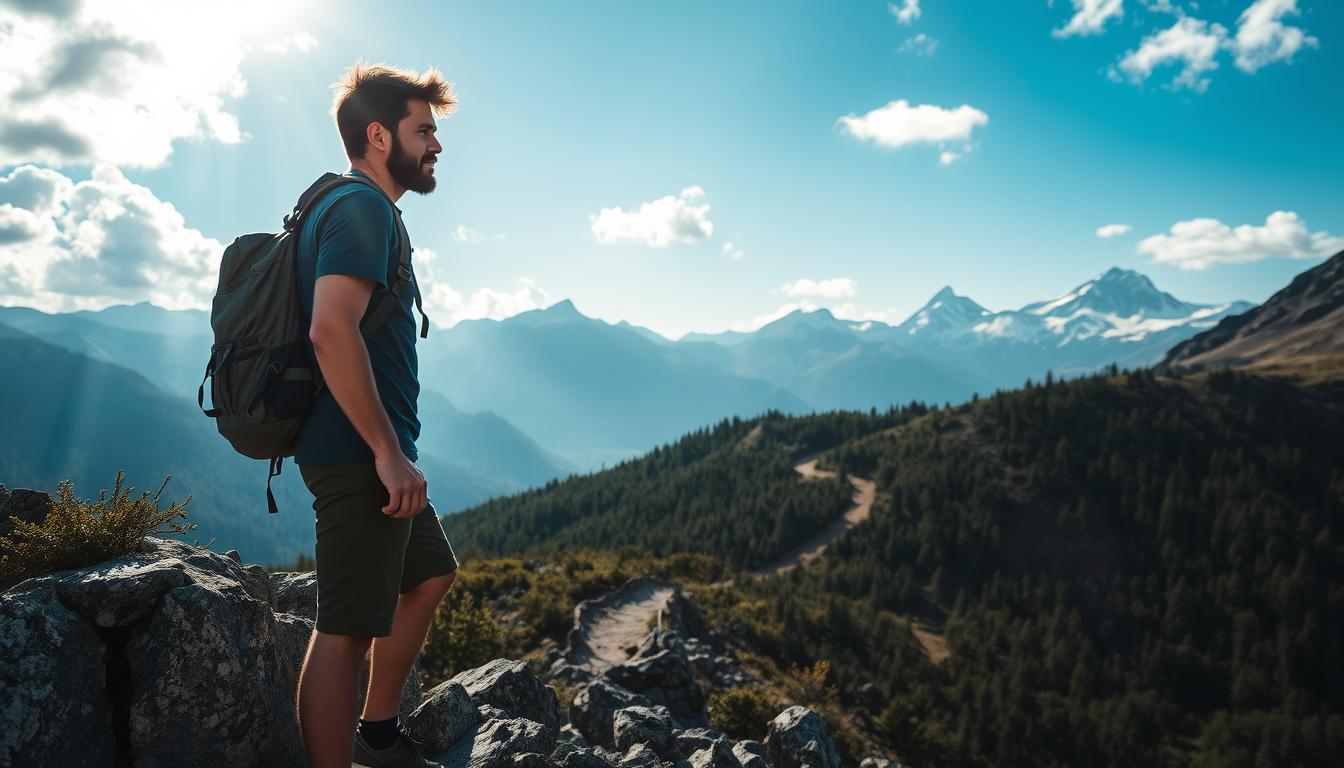
Staying alert on the trail can prevent unexpected dangers and enhance your outdoor experience. Distractions, like music or phones, can make you miss critical signs of trouble. Developing situational awareness is a skill that every adventurer should prioritize.
Avoiding Distractions
Distractions can lead to accidents or missed trail markers. Instead of using headphones, consider bone conduction technology. This allows you to enjoy music while still hearing your surroundings. It’s a safer way to stay entertained without compromising awareness.
Another effective strategy is practicing the 360° scanning technique. Every 15 minutes, pause and scan your environment. Look for changes in the terrain, weather, or wildlife activity. This habit ensures you’re always prepared for what’s ahead.
How to Stay Alert
Enhancing focus starts with simple drills. Peripheral vision exercises, like tracking moving objects, can improve your ability to spot dangers. Mindfulness mantras, such as “Stay present, stay safe,” can also help you remain centered.
Navigation checkpoints are another useful tool. Set reminders to check your map or GPS at regular intervals. This prevents you from getting lost and keeps you engaged with your surroundings.
“Awareness is the foundation of safety. The more you notice, the better you can respond to challenges.”
Finally, consider a smartphone detox. Limit screen time to essential tasks like checking maps or weather. This reduces distractions and helps you fully immerse in the experience. By staying aware, you’ll enjoy your adventure while minimizing risks.
10. Don’t Advertise You’re Hiking Solo
Sharing your adventure plans online can unintentionally expose you to risks. While it’s tempting to post updates in real-time, doing so can compromise your safety. This section explores practical ways to protect your privacy and stay secure on the trail.
Safety Tips for Social Media
Posting about your hike in real-time is unsafe. Geotags and metadata in photos can reveal your exact location. A 2021 case study showed how a hiker’s delayed post saved them from a potential stalking incident. Always remove EXIF data from images before sharing.
Here’s a safe posting timeline to follow:
- 24+ hours delay: Wait until you’re back home to share updates.
- Location spoofing: Use apps to mask your actual location.
- Alternatives: Document your hike privately and share later.
What to Tell Other Hikers
People on the trail may not always have good intentions. A simple white lie like “My group is just ahead” can deter unwanted attention. Verbal deflection scripts, such as “I’m meeting friends at the next checkpoint,” are effective ways to stay safe.
Here’s a comparison of safety tools:
| Tool | Purpose | Effectiveness |
|---|---|---|
| Emergency Whistle | Signal for help | High |
| Location Spoofing App | Mask real location | Moderate |
| Trail Persona | Create a fake identity | High |
Women-specific safety research highlights the importance of these strategies. By staying cautious and prepared, you can enjoy your adventure without unnecessary risks.
“Your safety is more important than a social media update. Always prioritize privacy over publicity.”
11. Conclusion
Preparation and awareness are the cornerstones of a safe and rewarding outdoor journey. Over the years, I’ve discovered that balancing nerves with preparation transforms the way you experience the trail. Every step builds confidence, and every challenge teaches something new.
Start small and focus on gradual skill building. Whether it’s mastering navigation or packing the right gear, each thing you learn adds to your confidence. Healthy fears are normal—they keep you alert and safe. Embrace them as part of the process.
The outdoors offers endless opportunities for growth. With the right mindset and preparation, you’ll find yourself more empowered with each adventure. Remember, the journey is as important as the destination.
Take that first step. Explore, learn, and grow. The trail is waiting for you, and the rewards are limitless.
FAQ
Why should I choose popular trails for solo hikes?
Popular trails are safer because they’re well-marked and often have more people around in case of emergencies. They also tend to have updated condition reports.
How can I find recent trail reports?
Use apps like AllTrails or check local park websites for the latest updates on trail conditions and closures.
What are some beginner-friendly trails for solo hikers?
Look for shorter, well-maintained routes with minimal elevation gain. National parks often list easy trails suitable for beginners.
Why is it important to share my hiking plans?
Sharing your plans ensures someone knows your route and expected return time, which is crucial for safety in case something goes wrong.
What information should I share before heading out?
Include your trail name, start and end points, estimated duration, and any checkpoints you plan to pass.
How can technology help me stay safe on the trail?
Apps like Google Maps, Garmin LiveTrack, and AllTrails Live Share allow you to share your real-time location with trusted contacts.
What are the 10 essentials I should pack?
Include navigation tools, extra water, food, layers, a first-aid kit, a headlamp, a multi-tool, fire starters, shelter, and sun protection.
How do I check the weather and trail conditions?
Use reliable weather apps and websites like NOAA or Weather.com, and check trail-specific reports on platforms like AllTrails.
What wildlife should I be aware of on my hike?
Research common animals in the area, such as bears, snakes, or mountain lions, and learn how to handle encounters safely.
When should I trust my instincts and turn around?
If you feel unsafe, notice worsening weather, or encounter unexpected obstacles, it’s best to trust your gut and head back.
How can I stay alert and aware of my surroundings?
Avoid distractions like headphones, keep an eye on the trail, and regularly scan your environment for potential hazards.
Should I tell others I’m hiking alone?
It’s safer to avoid advertising you’re solo. Share your plans with trusted contacts but keep it discreet on social media or with strangers.